Healthcare infrastructure demands a level of precision and reliability that few other sectors require. Hospitals, clinics, and specialized medical centers are not just buildings. They are complex environments where every design decision can directly impact patient care, staff efficiency, and operational performance. In this context, Building Information Modeling has emerged as a powerful approach that is transforming how healthcare facilities are planned, designed, and delivered.
BIM for Healthcare Facility projects brings together intelligent 3D modeling, data integration, and collaborative workflows to create a highly coordinated project environment. It enables stakeholders to visualize, analyze, and optimize every aspect of a facility before construction begins. As healthcare systems continue to evolve, BIM is becoming an essential tool for delivering smarter, safer, and more efficient facilities.
Understanding the Complexity of Healthcare Facilities
Healthcare facilities are among the most complex building types in the construction industry. They involve intricate systems such as medical gas lines, HVAC systems, electrical networks, and specialized equipment installations. Each component must function seamlessly within strict regulatory requirements.
In addition to technical complexity, healthcare projects must also consider patient safety, infection control, accessibility, and future adaptability. A small design oversight can lead to operational inefficiencies or compromise patient care.
BIM addresses these challenges by providing a comprehensive digital representation of the facility. This allows project teams to understand how different systems interact and ensures that every element is designed with precision.
Improving Planning with Data Driven Insights
Effective planning is the foundation of any successful healthcare project. BIM enhances this process by providing detailed insights into the design and construction phases. Through accurate modeling and data integration, teams can evaluate different scenarios and make informed decisions early in the project.
For example, space planning becomes more efficient with BIM. Designers can analyze patient flow, staff movement, and equipment placement to create layouts that improve functionality. This leads to better utilization of space and enhances the overall user experience.
BIM also supports site analysis and feasibility studies. By simulating real world conditions, teams can identify potential challenges and develop strategies to address them before construction begins.
Enhancing Design Accuracy and Coordination
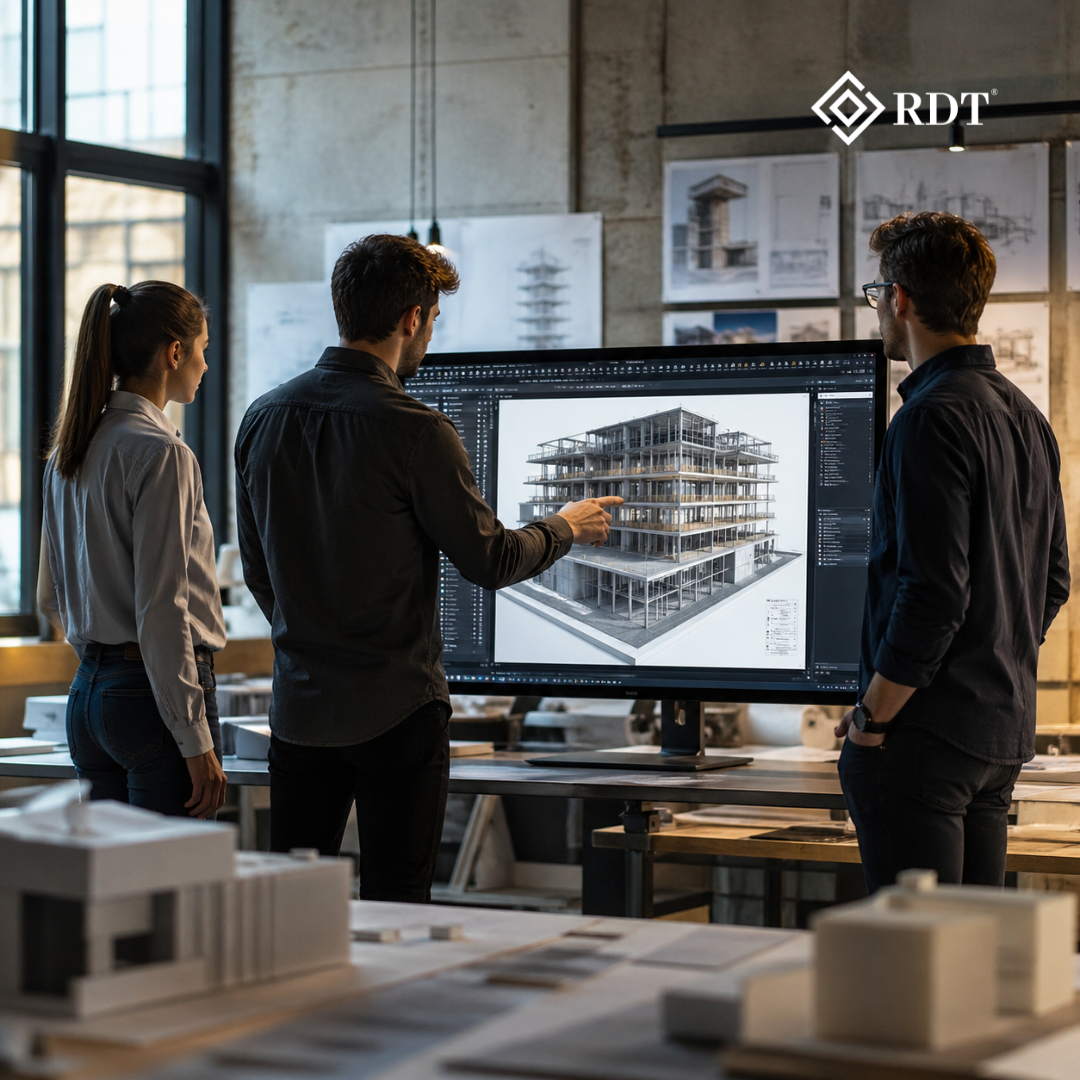
Design accuracy is critical in healthcare projects where even minor errors can have significant consequences. BIM improves accuracy by creating a unified model that integrates architectural, structural, and MEP components.
This integrated approach allows different disciplines to work collaboratively on a single platform. Changes made by one team are immediately reflected in the model, reducing the risk of inconsistencies.
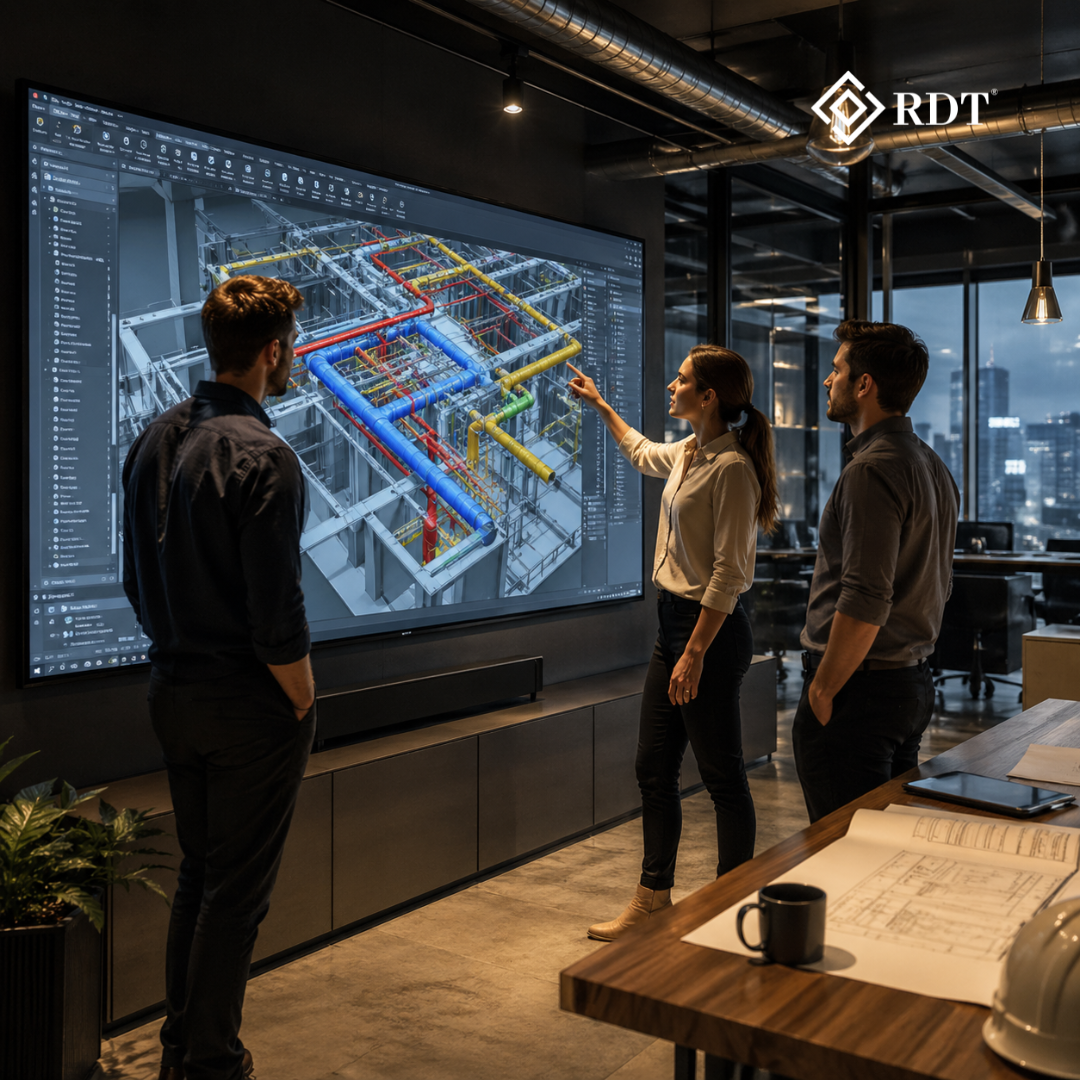
Clash detection is another key advantage of BIM. It helps identify conflicts between systems such as ducts, pipes, and structural elements. Resolving these clashes during the design phase prevents costly modifications during construction.
The result is a well coordinated design that aligns with project requirements and regulatory standards.
Supporting Better Decision Making
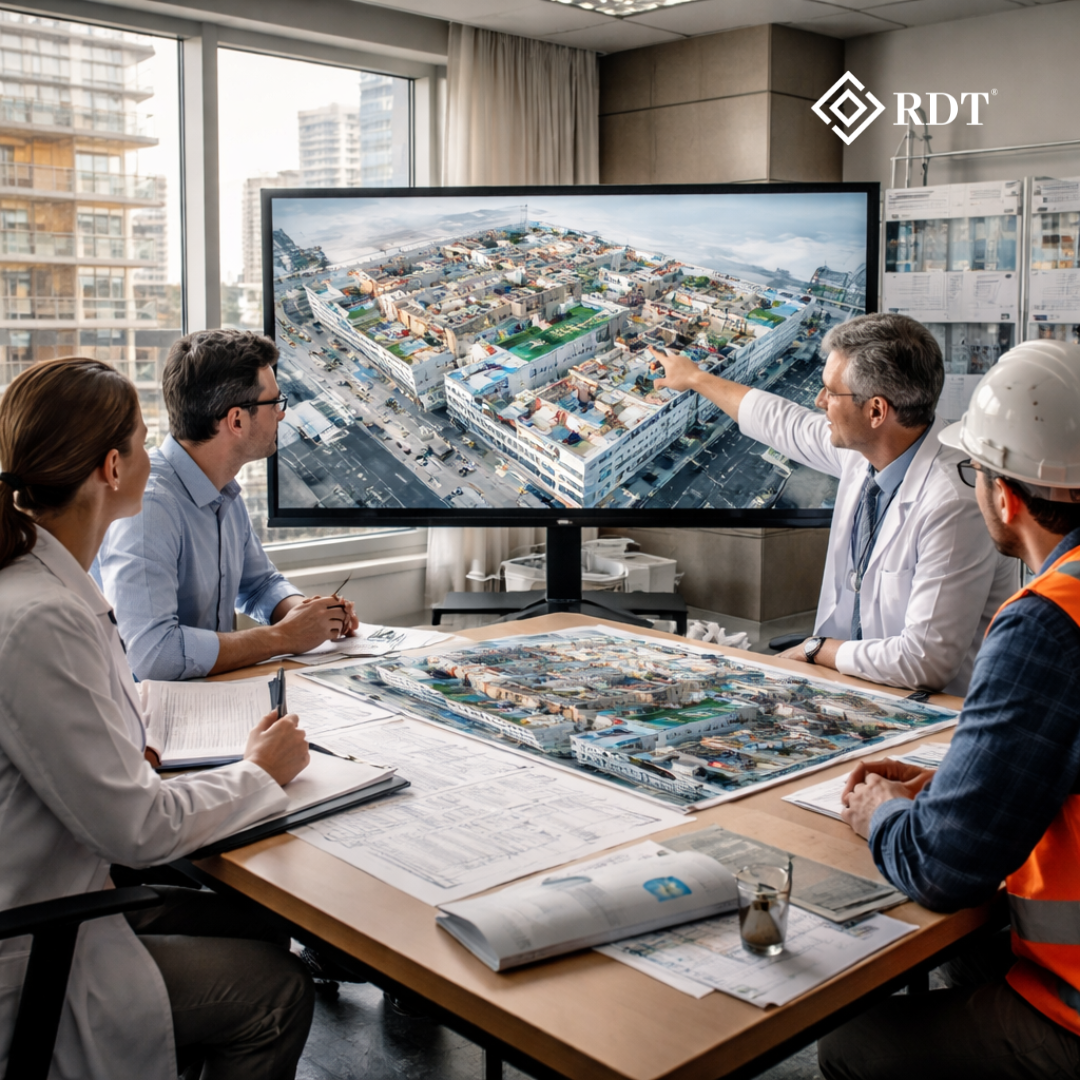
Healthcare projects involve multiple stakeholders, including architects, engineers, contractors, and medical professionals. Each stakeholder brings unique perspectives and requirements to the project.
BIM facilitates better decision making by providing a clear and detailed visualization of the facility. Stakeholders can review the design, suggest improvements, and evaluate the impact of changes in real time.
This collaborative environment ensures that decisions are based on accurate information rather than assumptions. It also helps align the project with the needs of healthcare providers and patients.
Improving Construction Efficiency
Construction efficiency is a major concern in healthcare projects, where delays can affect service delivery and increase costs. BIM streamlines construction by providing precise information and reducing uncertainties.
With BIM, contractors can plan construction activities more effectively. They can visualize the sequence of tasks, coordinate resources, and identify potential risks. This leads to better scheduling and improved productivity.
Prefabrication is another area where BIM adds value. By using accurate models, components can be manufactured off site and assembled on site with minimal adjustments. This reduces construction time and improves quality.
Reducing Costs and Minimizing Rework
Cost control is a critical factor in healthcare facility development. BIM helps reduce costs by minimizing errors, optimizing resource use, and improving project coordination.
Early detection of design issues prevents costly changes during construction. Accurate quantity takeoffs enable better budgeting and procurement planning. This ensures that resources are used efficiently and waste is minimized.
By reducing rework and improving efficiency, BIM contributes to significant cost savings over the project lifecycle.
Enhancing Patient Safety and Comfort
Patient safety is a top priority in healthcare facilities. BIM supports this objective by enabling better design and planning.
For instance, BIM can be used to optimize layouts for infection control. Designers can analyze airflow patterns and ensure proper ventilation in critical areas such as operating rooms and isolation units.
Lighting, acoustics, and accessibility can also be improved through BIM. By simulating different conditions, designers can create environments that promote healing and comfort.
These improvements not only enhance patient experience but also support the well being of healthcare staff.
Streamlining Facility Management and Operations
The benefits of BIM extend beyond construction into the operational phase of a healthcare facility. The digital model created during the design and construction stages serves as a valuable resource for facility management.
Facility managers can use BIM data to monitor building systems, plan maintenance activities, and manage assets more effectively. This leads to improved operational efficiency and reduced maintenance costs.
BIM also supports future upgrades and expansions. With accurate information about the existing facility, changes can be implemented with minimal disruption.
Adapting to Changing Healthcare Needs
Healthcare requirements are constantly evolving due to advancements in medical technology and changing patient needs. Facilities must be flexible enough to accommodate these changes.
BIM enables adaptability by providing a detailed and accurate representation of the building. Designers can plan for future modifications and ensure that the facility remains functional over time.
This flexibility is particularly important in situations such as emergency expansions or the introduction of new medical equipment.
Strengthening Collaboration Across Stakeholders
Collaboration is essential for the success of healthcare projects. BIM creates a shared platform where all stakeholders can work together seamlessly.
By providing a single source of truth, BIM ensures that everyone has access to the same information. This reduces misunderstandings and improves communication.
Regular coordination meetings supported by BIM models help identify issues early and keep the project on track. This collaborative approach leads to better outcomes and stronger relationships among stakeholders.
Meeting Regulatory and Compliance Requirements
Healthcare facilities must comply with strict regulations and standards. BIM helps ensure compliance by providing detailed documentation and accurate models.
Design teams can use BIM to verify that the facility meets all necessary requirements. This reduces the risk of delays caused by regulatory issues.
BIM also supports documentation and reporting, making it easier to demonstrate compliance during inspections and approvals.
The Future of BIM in Healthcare
The role of BIM in healthcare is expected to grow as technology continues to advance. Integration with emerging technologies such as digital twins and smart building systems will further enhance its capabilities.
Real time data and predictive analytics will enable more efficient facility management and improved patient care. As these innovations become more accessible, BIM will play an even greater role in shaping the future of healthcare infrastructure.
Organizations that invest in BIM today are positioning themselves to take advantage of these advancements and stay ahead in a competitive industry.
Conclusion
BIM for Healthcare Facility projects is transforming the way healthcare infrastructure is planned, designed, and delivered. By improving accuracy, enhancing collaboration, and optimizing efficiency, BIM addresses the unique challenges of healthcare construction.
From better planning and cost control to improved patient safety and facility management, the benefits of BIM are extensive. It enables AEC professionals to deliver high quality healthcare environments that meet the needs of both patients and providers.
As the demand for advanced healthcare facilities continues to grow, BIM will remain a key driver of innovation and success in the industry.
If you are looking to deliver smarter, more efficient, and future ready healthcare facilities, it is time to leverage the power of BIM. Partner with RDT Technology to access expert BIM solutions tailored for healthcare projects. Our team is committed to helping you improve planning, enhance design accuracy, and achieve operational excellence with confidence.