Introduction
In today’s fast paced construction environment, precision is no longer optional. It is essential. MEP Coordination has become a critical process that ensures mechanical, electrical, and plumbing systems work seamlessly within a building’s design. Without proper coordination, even the most visually stunning structures can suffer from costly delays, rework, and operational inefficiencies. As projects grow more complex in the AEC industry, the demand for flawless integration of building systems is reshaping how teams collaborate, design, and execute.
What is MEP Coordination
MEP Coordination refers to the strategic alignment of mechanical, electrical, and plumbing systems within a building model to eliminate clashes and ensure efficient installation. It involves integrating multiple disciplines into a unified design framework where every component fits precisely within the architectural and structural constraints.
This process is not just about detecting clashes. It is about resolving them before they reach the construction site. By coordinating these systems digitally, project teams can visualize conflicts, optimize routing, and maintain design intent without compromising functionality.
Why MEP Coordination is Critical in the AEC Industry
The AEC industry thrives on accuracy and efficiency. MEP systems are the backbone of any building, controlling everything from airflow and lighting to water supply and fire safety. When these systems are not properly coordinated, the consequences can be severe.
Construction delays often stem from unforeseen clashes between systems. A duct passing through a beam or a pipe interfering with electrical conduits can halt progress instantly. These issues lead to costly rework, wasted materials, and extended project timelines.
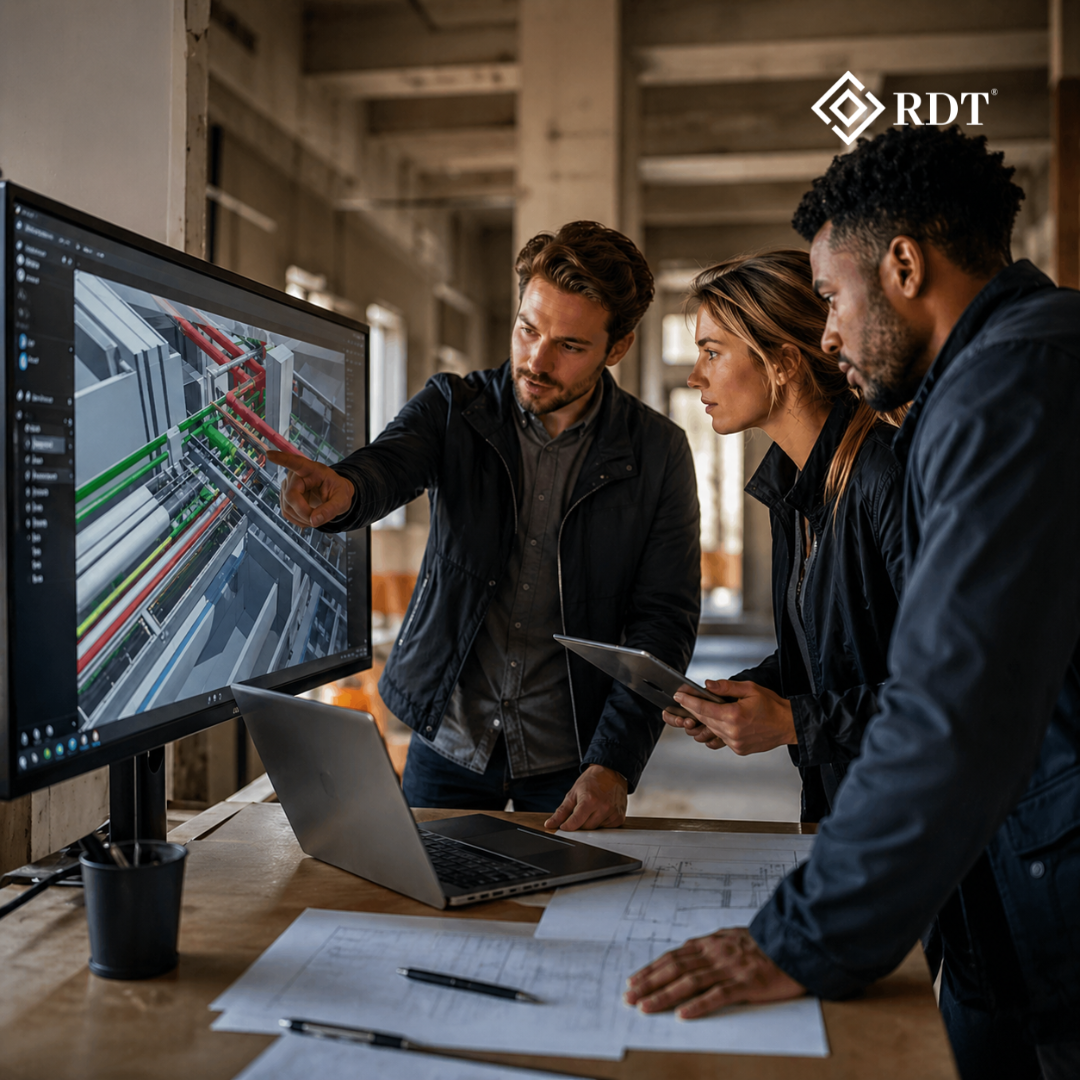
MEP Coordination eliminates these risks by ensuring every system is planned in harmony. It allows engineers, architects, and contractors to work collaboratively, reducing uncertainty and improving overall project outcomes.
The Role of Technology in MEP Coordination
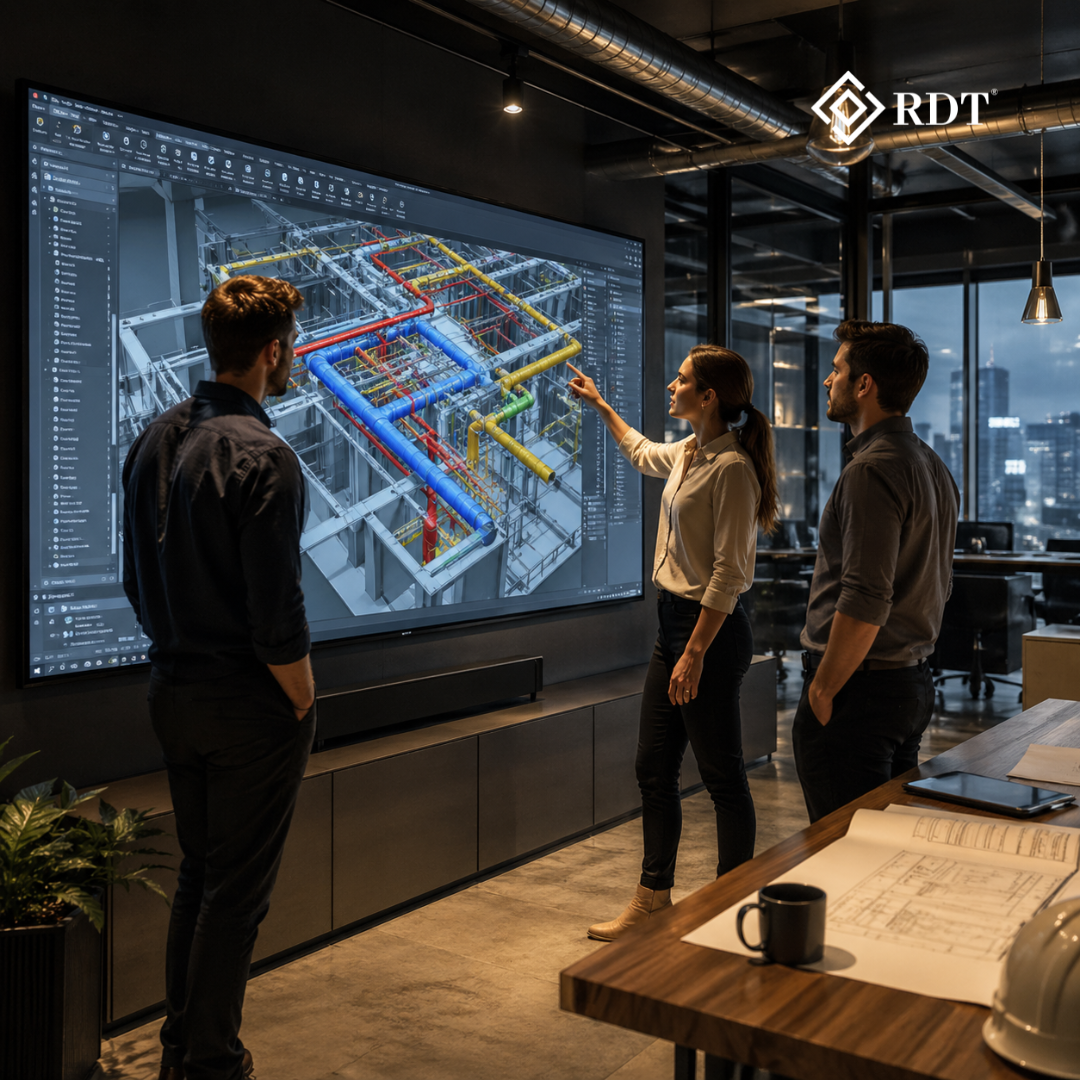
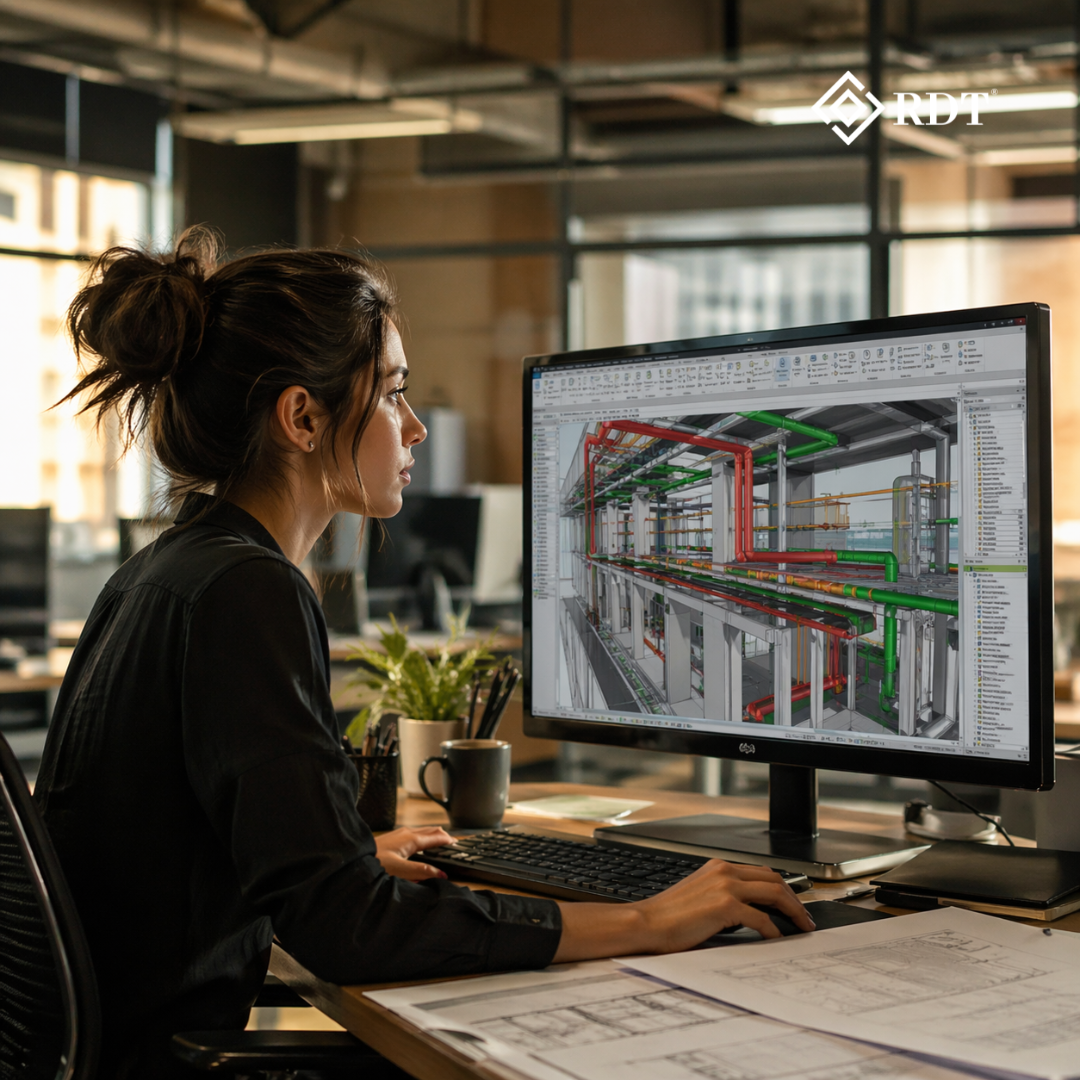
Technology has revolutionized how MEP Coordination is performed. Advanced digital tools allow teams to create detailed 3D models where every system is accurately represented. These models provide a clear visual understanding of how different components interact within the building.
Clash detection software identifies conflicts early in the design phase, enabling teams to resolve them before construction begins. This proactive approach minimizes disruptions and ensures smoother project execution.
Building Information Modeling plays a central role in this transformation. It enables real time collaboration, data sharing, and improved decision making across all stakeholders. With digital coordination, teams can simulate installation processes, analyze system performance, and ensure compliance with industry standards.
Key Benefits of Effective MEP Coordination
One of the most significant advantages of MEP Coordination is cost savings. By identifying and resolving clashes early, projects avoid expensive on site modifications. This leads to better budget control and improved financial outcomes.
Time efficiency is another major benefit. Coordinated designs reduce delays and streamline construction workflows. Contractors can work with confidence, knowing that the systems will fit as planned.
Quality improvement is also a direct result of proper coordination. When systems are integrated seamlessly, the final structure performs better and requires less maintenance. This enhances the building’s long term value and reliability.
Safety is another critical factor. Coordinated designs ensure that systems are installed correctly, reducing the risk of accidents and ensuring compliance with safety regulations.
Challenges in MEP Coordination
Despite its advantages, MEP Coordination is not without challenges. One of the biggest hurdles is communication between different disciplines. Architects, engineers, and contractors often work in silos, leading to misalignment and conflicts.
Data management is another issue. Large projects generate vast amounts of information, making it difficult to maintain accuracy and consistency across models. Without proper management, errors can easily creep into the coordination process.
Design changes also pose a challenge. As projects evolve, modifications in one system can impact others. Keeping all systems aligned requires constant updates and coordination efforts.
Overcoming these challenges requires a structured approach, clear communication, and the use of advanced tools that facilitate collaboration and data integration.
Best Practices for Successful MEP Coordination
Successful MEP Coordination begins with early involvement. Bringing all stakeholders into the process during the design phase ensures that potential issues are identified and addressed early.
Clear communication is essential. Regular coordination meetings help teams stay aligned and resolve conflicts quickly. Establishing standardized workflows and documentation practices also improves efficiency.
Using advanced modeling tools enhances accuracy and visualization. These tools allow teams to simulate real world conditions and test different design scenarios.
Another important practice is maintaining flexibility. Construction projects are dynamic, and the ability to adapt to changes without compromising coordination is crucial.
Finally, quality checks should be performed at every stage. Continuous validation ensures that the coordinated model remains accurate and reliable throughout the project lifecycle.
The Future of MEP Coordination in Construction
The future of MEP Coordination is driven by innovation and digital transformation. Emerging technologies such as artificial intelligence and automation are enhancing the coordination process by improving accuracy and reducing manual effort.
Cloud based platforms are enabling real time collaboration across geographically dispersed teams. This allows stakeholders to access and update models instantly, improving efficiency and decision making.
Sustainability is also becoming a key focus. Coordinated MEP systems play a vital role in optimizing energy efficiency and reducing environmental impact. As green building practices gain momentum, the importance of precise coordination will continue to grow.
The integration of smart building technologies is another trend shaping the future. Coordinated systems will enable seamless connectivity and intelligent operation, enhancing occupant comfort and building performance.
Conclusion
MEP Coordination is no longer just a technical requirement. It is a strategic advantage in the AEC industry. By ensuring seamless integration of mechanical, electrical, and plumbing systems, it reduces costs, improves efficiency, and enhances overall project quality.
As construction projects become more complex, the role of coordination will only become more critical. Companies that invest in advanced tools, skilled professionals, and structured processes will lead the way in delivering successful projects.
Take your construction projects to the next level with precise and reliable MEP Coordination services. Partner with RDT Technology to eliminate clashes, reduce delays, and deliver high quality results that exceed expectations.