Introduction
In today’s rapidly evolving construction landscape, 3d modeling has become far more than a visualization tool. It is now the backbone of smarter planning, faster execution, and more predictable project outcomes across the AEC industry. Architects, engineers, and contractors are no longer relying solely on traditional drawings. Instead, they are embracing digital models that offer depth, clarity, and precision at every stage of a project. As complexity in construction increases, the demand for accurate, data driven decision making continues to grow, making 3d modeling an essential component of modern project delivery.
The Shift from Traditional Drafting to Intelligent Modeling
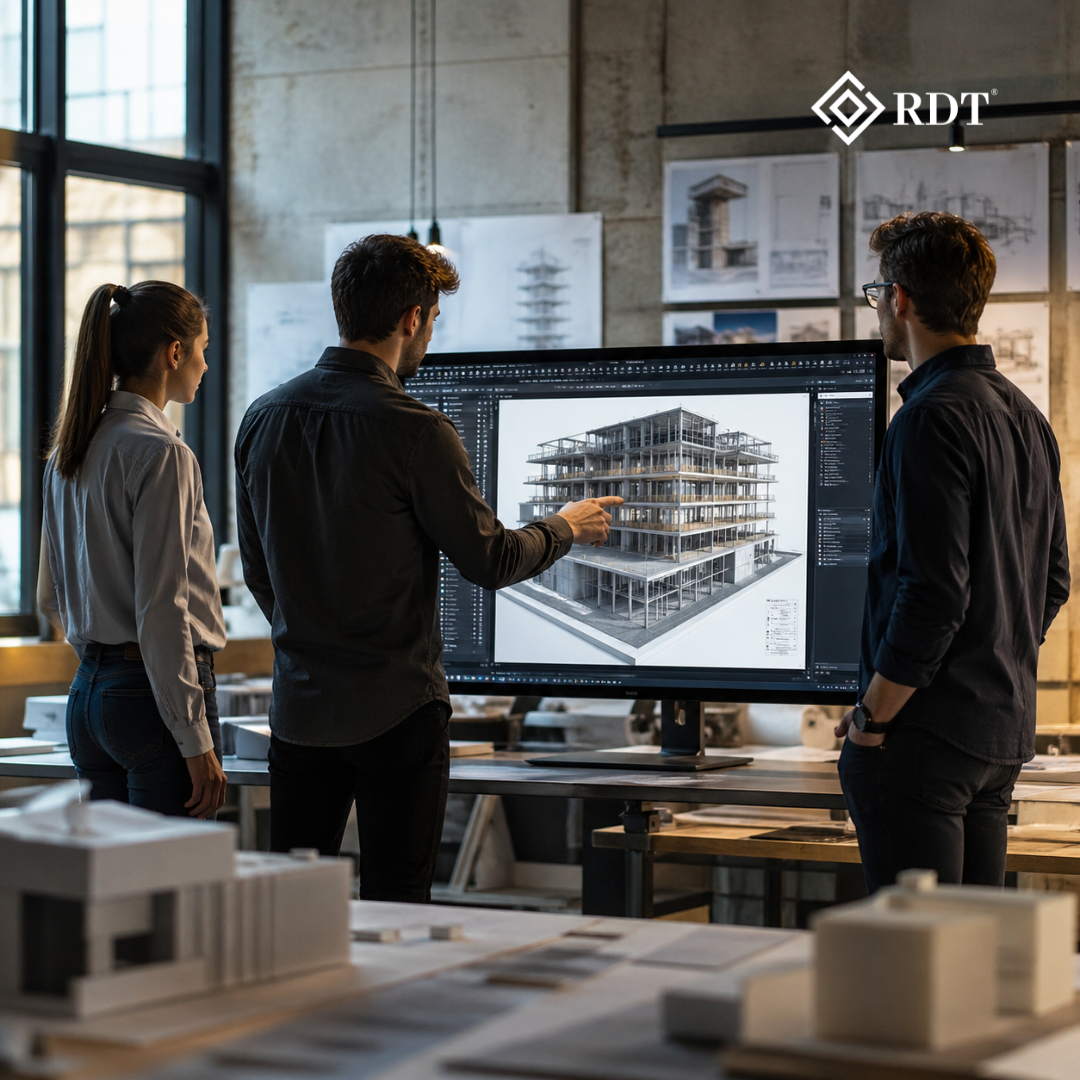
The AEC industry has long depended on 2D drafting for design communication. While it served its purpose for decades, it often left room for interpretation errors and coordination issues. 3d modeling has changed that completely. It allows professionals to visualize a structure in a fully immersive way before construction even begins.
This transition is not just about aesthetics. It is about intelligence. With 3d models, every element of a building is represented with precise dimensions and relationships. This eliminates ambiguity and ensures that every stakeholder understands the project exactly as intended. As a result, design conflicts are identified early, reducing costly revisions during construction.
Enhanced Collaboration Across Disciplines
One of the biggest challenges in the AEC industry has always been coordination between multiple teams. Architects, structural engineers, MEP consultants, and contractors often work in silos, leading to miscommunication and delays.
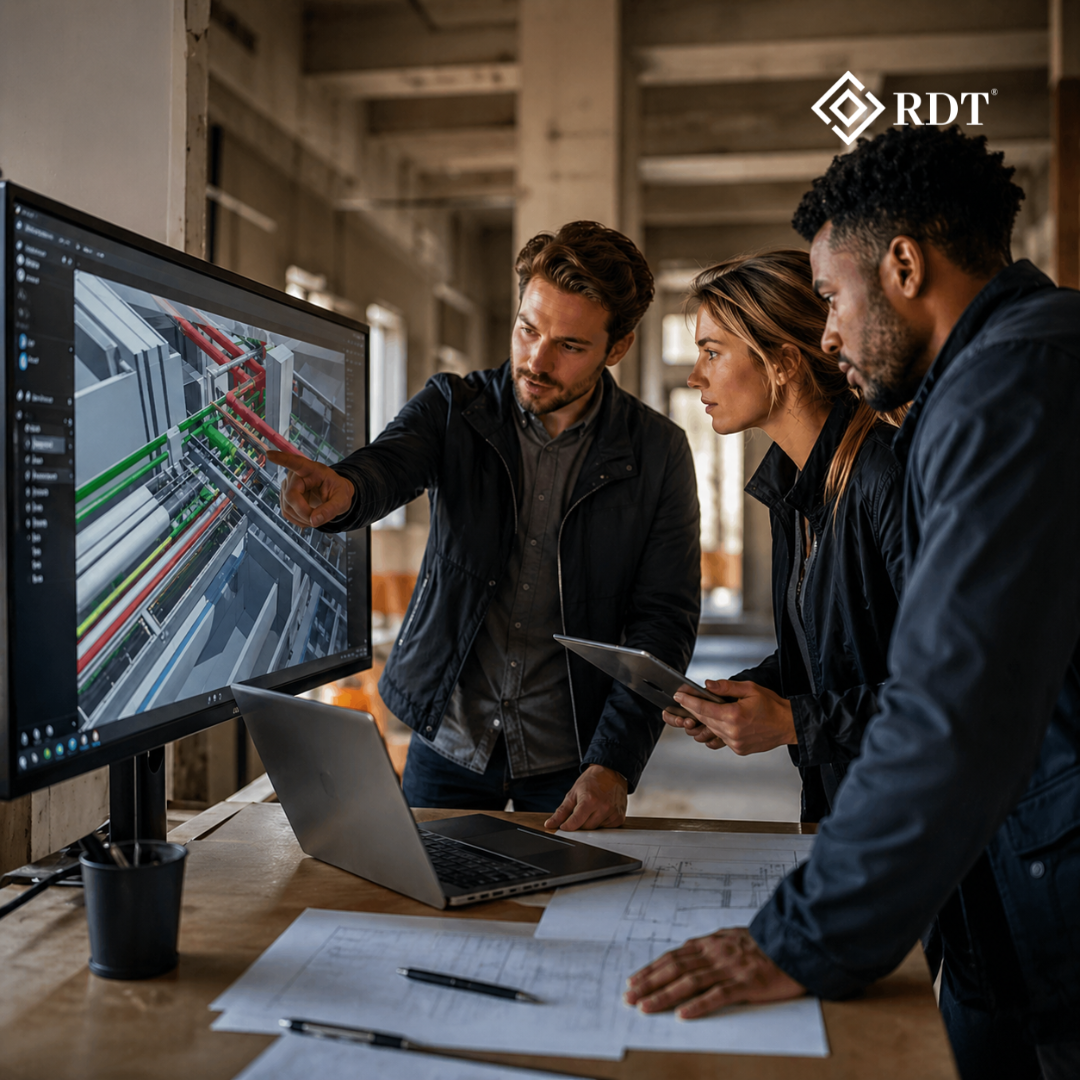
3d modeling bridges this gap by creating a shared digital environment where all disciplines can collaborate seamlessly. When changes are made to the model, they are instantly visible to everyone involved. This real time coordination improves efficiency and ensures that all systems fit together perfectly.
The result is a smoother workflow where teams are aligned from concept to completion. Projects move forward with fewer interruptions, and stakeholders gain confidence in the process.
Improved Accuracy and Reduced Errors
Errors in construction can be extremely expensive. A small mistake in design can lead to major issues on site, resulting in delays, rework, and increased costs. 3d modeling significantly reduces these risks by providing a highly accurate representation of the project.
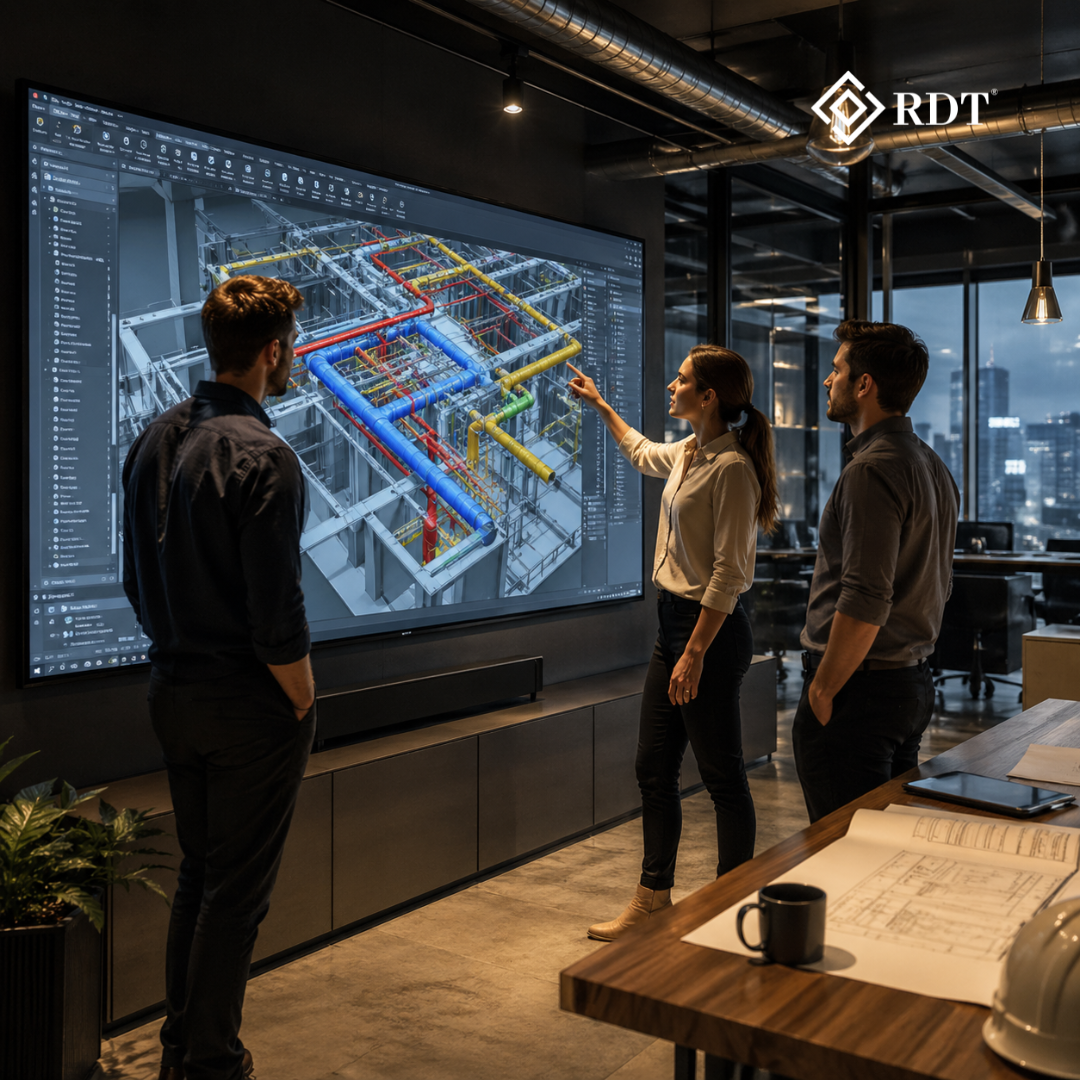
Clash detection is one of the most powerful benefits of 3d modeling. It allows teams to identify conflicts between different building systems before construction begins. For example, if a duct interferes with a beam, the issue can be resolved digitally instead of on site.
This proactive approach saves time, minimizes waste, and ensures that projects stay on schedule and within budget.
Better Visualization for Clients and Stakeholders
Communication is key in any construction project, especially when dealing with clients who may not have technical expertise. Traditional drawings can be difficult for non professionals to interpret, leading to misunderstandings and unrealistic expectations.
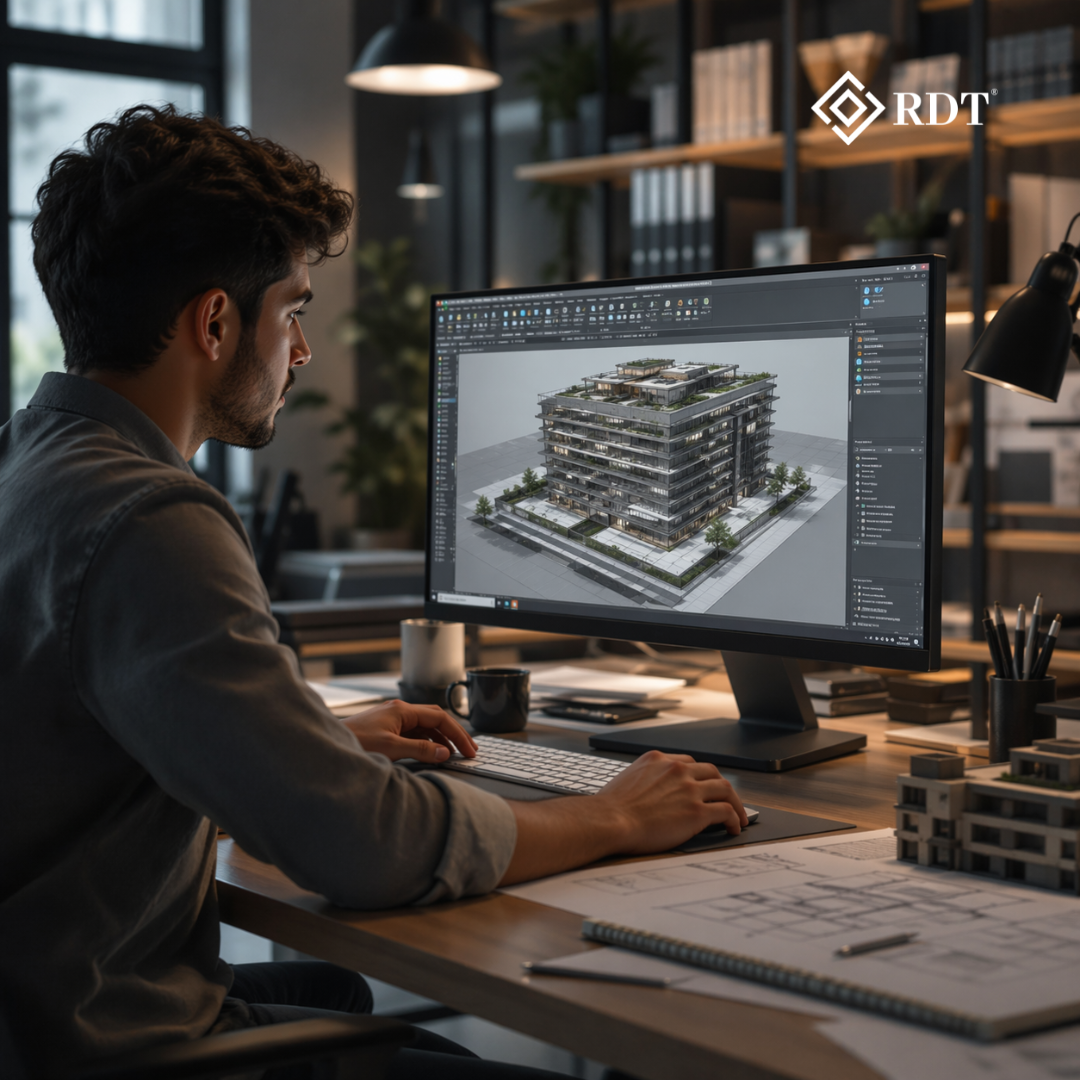
3d modeling transforms the way projects are presented. Clients can see realistic representations of their buildings, complete with textures, lighting, and spatial context. This level of detail helps them understand the design more clearly and make informed decisions.
When clients are confident in what they are approving, the chances of major changes later in the project are greatly reduced. This leads to smoother project execution and higher client satisfaction.
Cost Efficiency and Time Savings
Time and cost are two of the most critical factors in the AEC industry. Delays and budget overruns can impact not only individual projects but also a company’s reputation.
3d modeling contributes to both cost efficiency and time savings in several ways. By identifying issues early, it reduces the need for rework. By improving coordination, it minimizes delays. By providing accurate quantities, it helps in better cost estimation.
Additionally, construction sequencing can be planned more effectively using 3d models. Teams can visualize the entire process and optimize workflows to ensure that resources are used efficiently. This level of planning leads to faster project delivery without compromising quality.
Integration with Advanced Technologies
3d modeling is not a standalone tool. It serves as a foundation for integrating advanced technologies that are transforming the AEC industry. From building information modeling to virtual reality and augmented reality, the possibilities are expanding rapidly.
With these integrations, teams can simulate construction processes, analyze performance, and even conduct virtual walkthroughs before a single brick is laid. This enhances decision making and reduces uncertainties.
The ability to combine 3d modeling with data analytics also opens new opportunities for predictive insights. Projects can be optimized not just for construction but also for long term performance and sustainability.
Sustainability and Smart Construction
Sustainability has become a major focus in the AEC industry. Clients and governments are demanding greener buildings that minimize environmental impact. 3d modeling plays a crucial role in achieving these goals.
By analyzing factors such as energy efficiency, material usage, and environmental impact, 3d models help teams design more sustainable structures. They enable better planning of resources and reduce waste during construction.
Smart construction practices are also driven by accurate modeling. Prefabrication, modular construction, and automation rely heavily on precise digital models. This not only improves efficiency but also ensures higher quality outcomes.
Future of 3D Modeling in AEC
The future of 3d modeling in the AEC industry looks incredibly promising. As technology continues to evolve, models will become even more intelligent and interactive. Artificial intelligence and machine learning are expected to enhance modeling capabilities, making them more predictive and adaptive.
Cloud based platforms will further improve collaboration, allowing teams to work together from anywhere in the world. Digital twins will take 3d modeling to the next level by creating real time representations of buildings that continue to evolve even after construction is complete.
These advancements will not only improve project delivery but also transform how buildings are managed and maintained over their lifecycle.
Conclusion
3d modeling is no longer an optional tool in the AEC industry. It is a necessity for companies that want to stay competitive in an increasingly complex and demanding market. From improving accuracy and collaboration to reducing costs and enhancing sustainability, its impact is undeniable.
As projects continue to grow in scale and complexity, the role of 3d modeling will only become more critical. Companies that embrace this technology today will be better positioned to deliver high quality projects efficiently and consistently.
Ready to transform your AEC projects with precision driven 3d modeling solutions Reach out to RDT Technology today and experience smarter design faster execution and unmatched project clarity.