Introduction
Construction Documentation is the backbone of every successful project in the AEC industry. It is not just a collection of drawings and specifications but a detailed communication system that connects architects, engineers, and contractors on a single page. When done right, it ensures clarity, minimizes errors, and keeps projects on schedule and within budget. In today’s fast evolving construction landscape, precise documentation has become more critical than ever, especially as projects grow in complexity and scale.
What is Construction Documentation in the AEC Industry
Construction documentation refers to the complete set of drawings, schedules, and written details that define how a building should be constructed. These documents translate design concepts into actionable instructions for execution on site. They include architectural drawings, structural details, mechanical layouts, electrical plans, and material specifications.
In the AEC industry, these documents act as a legal and technical guide. They ensure that everyone involved in the project understands the scope, materials, dimensions, and construction techniques required to bring a design to life.
Why Construction Documentation is Crucial for Project Success
Accurate construction documentation is essential because it reduces ambiguity. When contractors have clear instructions, the chances of misinterpretation drop significantly. This directly impacts project timelines and cost efficiency.
Poor documentation often leads to rework, delays, and disputes among stakeholders. On the other hand, well prepared documents create a smooth workflow, allowing teams to execute tasks with confidence. It also ensures compliance with local regulations and building codes, which is critical in avoiding legal complications.
Key Components of Construction Documentation
A strong documentation set is built on multiple elements that work together seamlessly.
Architectural drawings define the layout, spatial relationships, and design intent. Structural drawings provide details about load bearing elements, foundations, and reinforcements. Mechanical, electrical, and plumbing drawings ensure that building systems function efficiently.
Specifications outline the materials, finishes, and standards required for construction. Schedules provide detailed information about components such as doors, windows, and fixtures. Together, these components create a complete roadmap for construction teams.
The Role of Technology in Modern Construction Documentation
The AEC industry has undergone a major transformation with the introduction of digital tools. Traditional paper based documentation is being replaced by advanced software solutions that improve accuracy and collaboration.
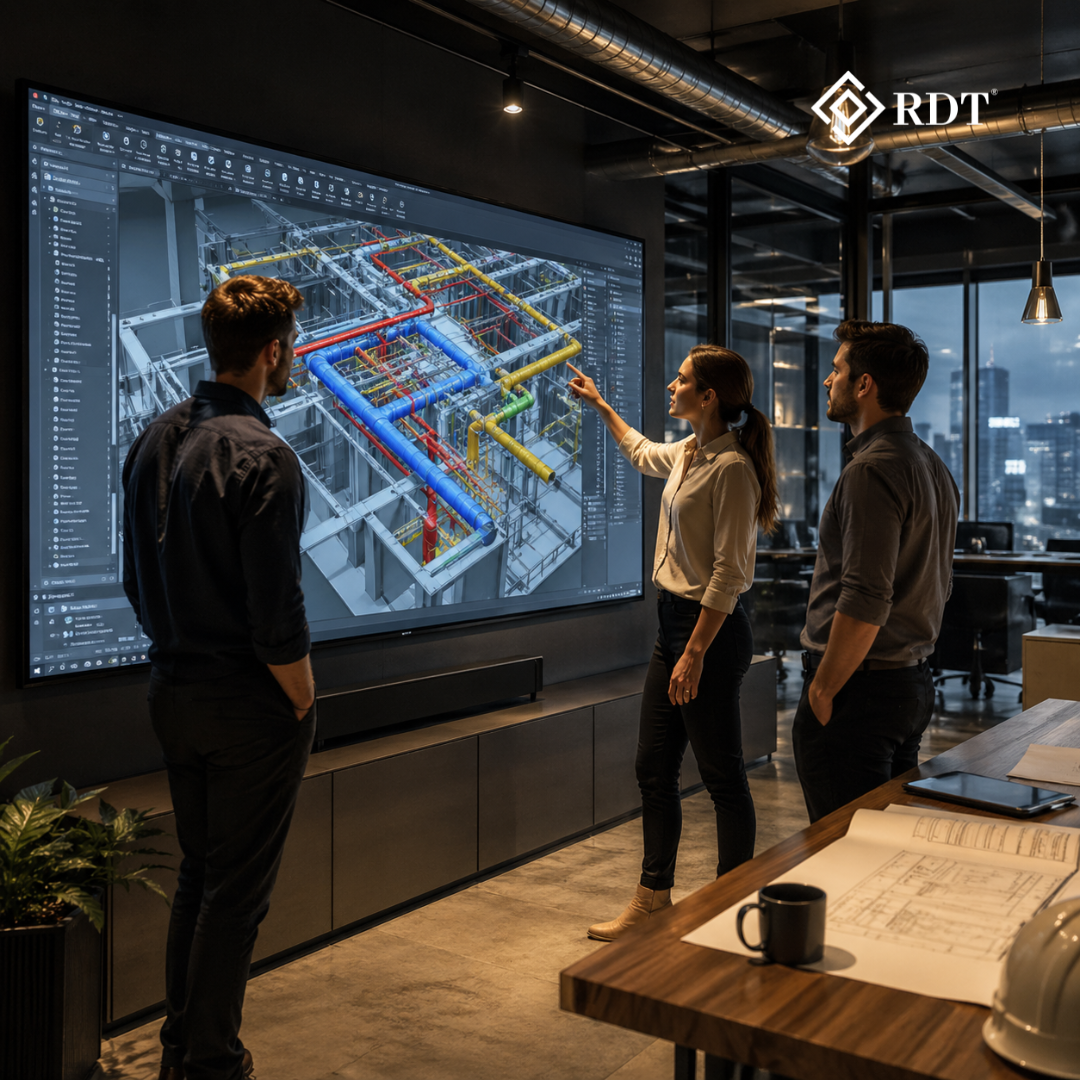
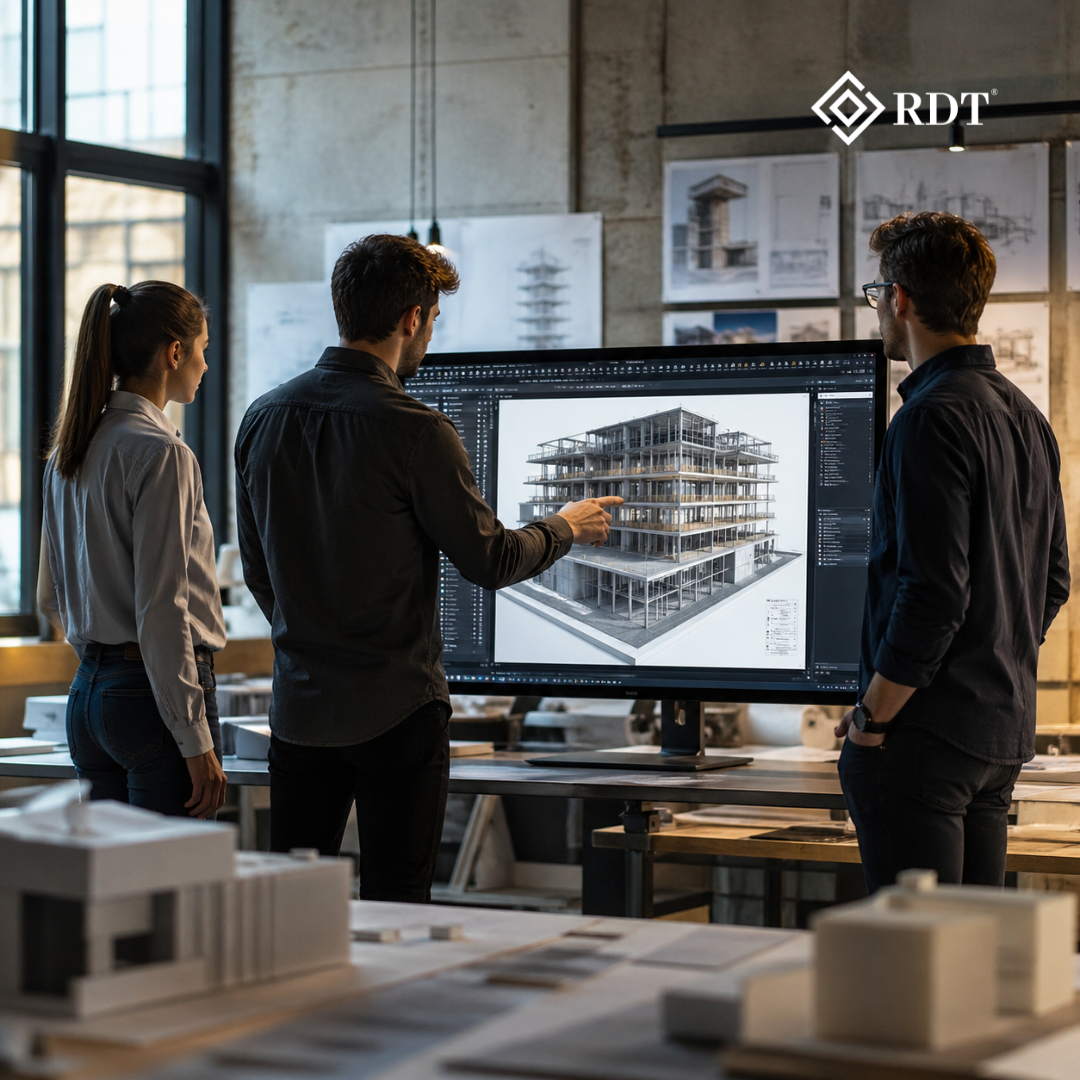
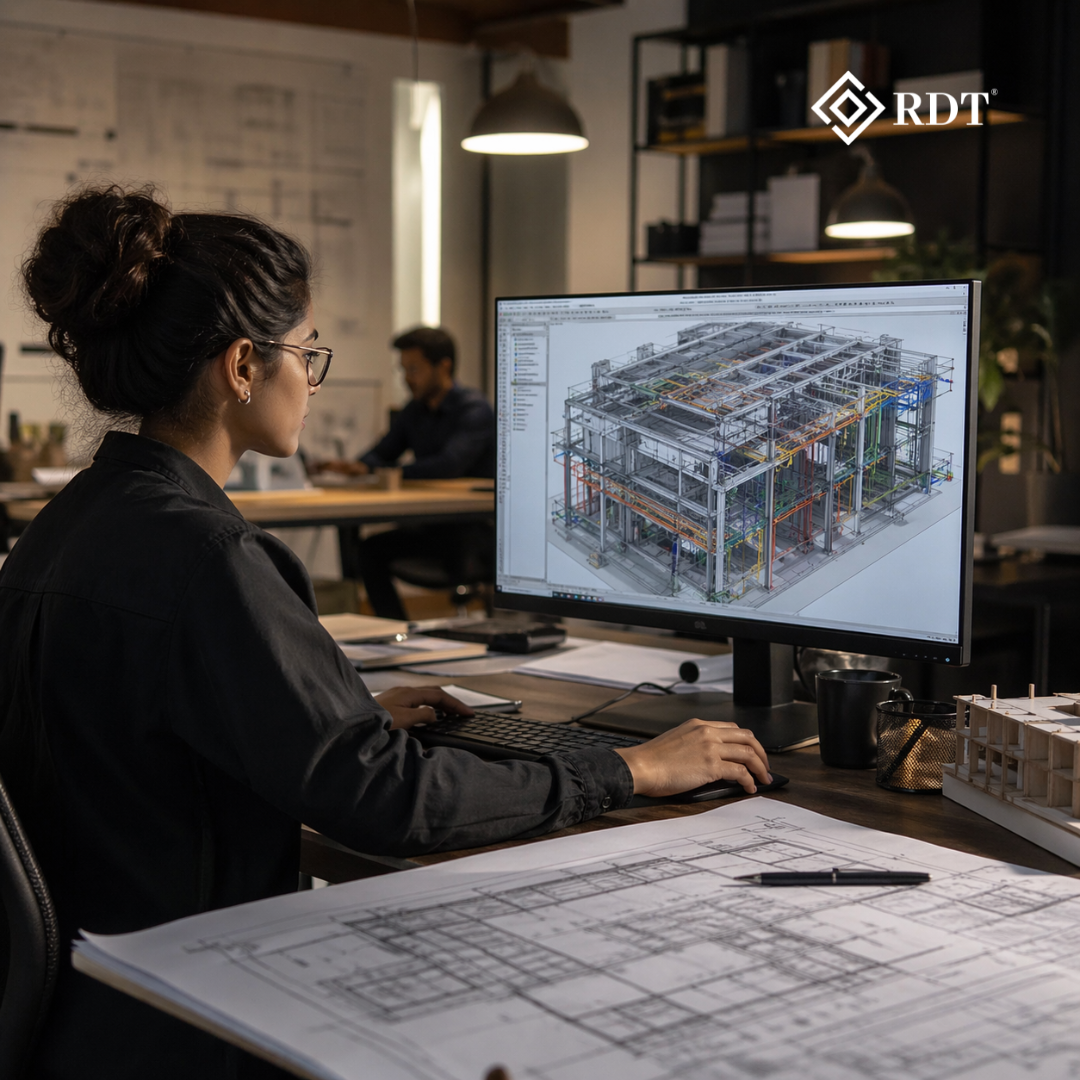
Building Information Modeling has become a game changer. It allows professionals to create intelligent 3D models that integrate all aspects of a building. These models generate detailed documentation automatically, reducing manual errors.
Cloud based platforms enable real time collaboration among teams. Architects, engineers, and contractors can access updated documents instantly, ensuring that everyone is working with the latest information. This level of coordination significantly enhances project efficiency.
Common Challenges in Construction Documentation
Despite its importance, construction documentation often faces several challenges. One of the biggest issues is inconsistency between drawings and specifications. Even minor discrepancies can lead to major problems on site.
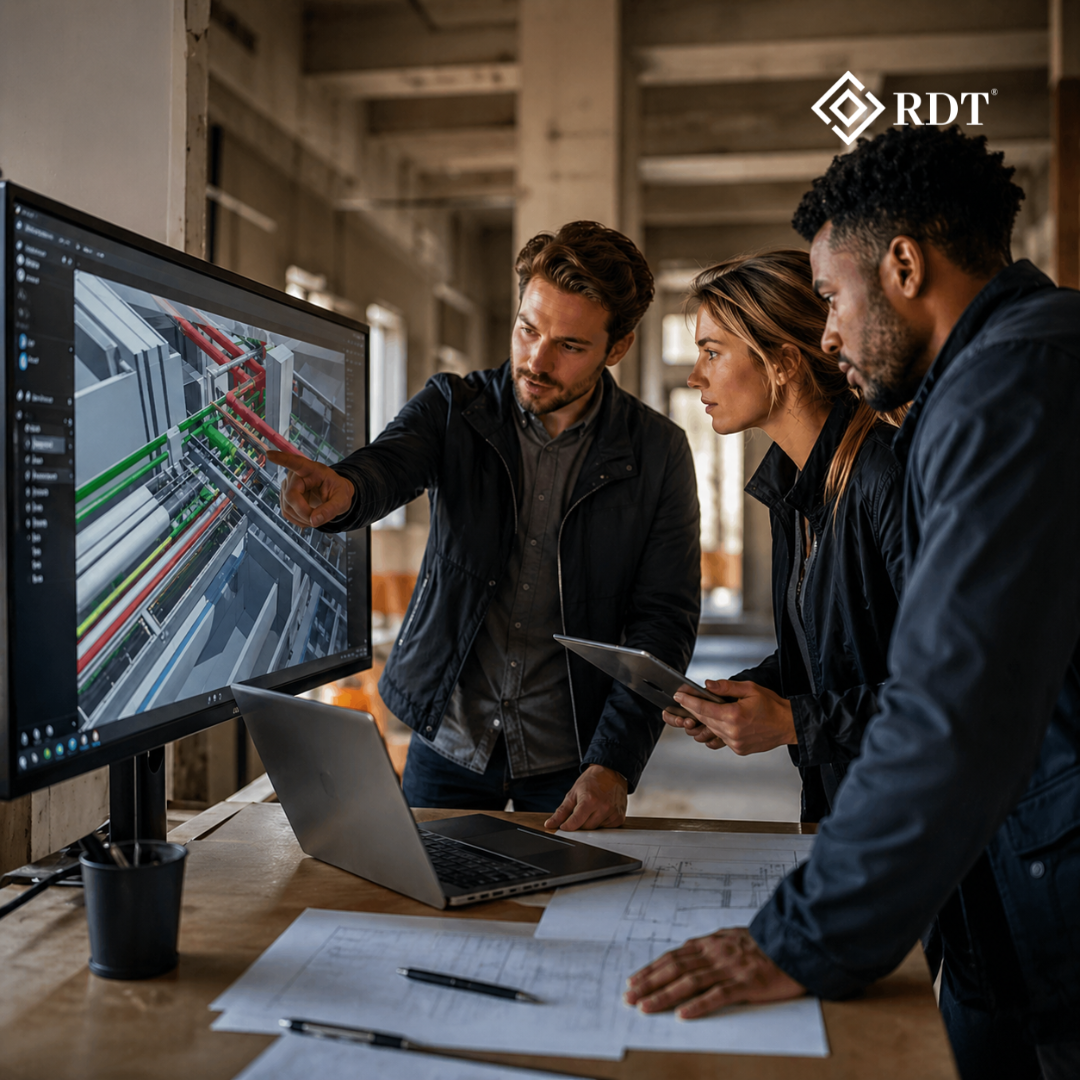
Another challenge is poor coordination among different disciplines. When architectural, structural, and MEP teams work in silos, conflicts arise. These clashes can delay construction and increase costs.
Time constraints also affect the quality of documentation. In fast paced projects, teams may rush through the process, leading to incomplete or inaccurate details. This highlights the need for a structured and disciplined approach to documentation.
Best Practices for Effective Construction Documentation
To achieve high quality documentation, AEC professionals must follow proven strategies.
Clarity is key. Every drawing and specification should be easy to understand and free from ambiguity. Standardized symbols and notations should be used consistently across all documents.
Coordination among disciplines is essential. Regular reviews and clash detection processes help identify conflicts early in the design phase. This prevents costly changes during construction.
Attention to detail is equally important. Even small elements such as dimensions, annotations, and material descriptions must be accurate. A thorough quality check process ensures that errors are minimized before documents are issued.
How Construction Documentation Impacts Cost and Timeline
Construction documentation plays a direct role in controlling project costs and timelines. Clear and detailed documents reduce the likelihood of errors, which means fewer delays and less rework.
Accurate quantity takeoffs and material specifications help in better cost estimation. This allows project owners to plan budgets effectively and avoid unexpected expenses.
Timely updates to documentation ensure that changes are communicated efficiently. This keeps the project moving forward without unnecessary interruptions.
The Future of Construction Documentation in AEC
The future of construction documentation is driven by innovation and digital transformation. Automation is becoming a key trend, with software tools generating detailed drawings and schedules with minimal manual input.
Integration with technologies such as artificial intelligence and data analytics is further enhancing accuracy and efficiency. These advancements enable predictive analysis, helping teams identify potential issues before they occur.
Sustainability is also influencing documentation practices. Detailed records of materials and energy performance are becoming essential for environmentally responsible construction.
As the AEC industry continues to evolve, construction documentation will remain a critical factor in delivering successful projects.
Conclusion
Construction documentation is more than just paperwork. It is the foundation that supports every phase of a project, from design to execution. In the AEC industry, where precision and coordination are vital, high quality documentation can make the difference between success and failure.
By adopting modern tools, following best practices, and maintaining a strong focus on accuracy, professionals can create documentation that drives efficiency and excellence. As projects become more complex, the importance of clear and detailed documentation will only continue to grow.
Take your projects to the next level with precise and reliable construction documentation solutions from RDT Technology. Empower your team with clarity, reduce costly errors, and deliver projects with confidence.