Introduction
Architectural BIM Services have rapidly transformed how projects are designed, coordinated, and delivered across the AEC industry. What once relied on fragmented drawings and manual coordination has evolved into an intelligent, data driven process that connects every stakeholder from concept to completion. Today, firms that embrace BIM are not just improving efficiency, they are reshaping project outcomes, reducing risks, and unlocking new levels of precision. As competition intensifies and projects grow more complex, the role of BIM in architecture is no longer optional, it is essential.
The Evolution of Architectural Design in AEC
The AEC industry has experienced a significant shift over the past decade. Traditional design workflows often created silos between architects, engineers, and contractors. These silos led to inconsistencies, delays, and costly revisions during construction.
Architectural BIM Services introduced a unified approach where all project data exists within a single intelligent model. This model is not just a visual representation but a comprehensive database that contains geometry, specifications, materials, and performance data. As a result, teams can collaborate more effectively and make informed decisions at every stage of the project lifecycle.
Why BIM Is a Game Changer for Architects
Architects are no longer limited to static drawings. BIM empowers them to design with foresight and clarity. Every element in a BIM model carries information that can be analyzed and adjusted in real time.
This capability allows architects to visualize spatial relationships, detect potential conflicts, and refine designs before construction begins. It also enhances creativity, as designers can experiment with complex geometries and innovative concepts while maintaining accuracy and feasibility.
Another major advantage is improved communication. Clients can better understand design intent through detailed 3D visualizations, which reduces misunderstandings and speeds up approvals.
Enhanced Collaboration Across Disciplines
One of the most powerful aspects of Architectural BIM Services is the ability to bring all disciplines together. Structural engineers, MEP consultants, and contractors can work on a shared model, ensuring that every component fits seamlessly within the overall design.
This collaborative environment minimizes clashes and coordination issues. Instead of discovering conflicts on site, teams can identify and resolve them during the design phase. This not only saves time but also significantly reduces costs associated with rework.
Moreover, real time updates ensure that everyone is working with the latest information, eliminating confusion and improving overall project efficiency.
Clash Detection and Risk Reduction
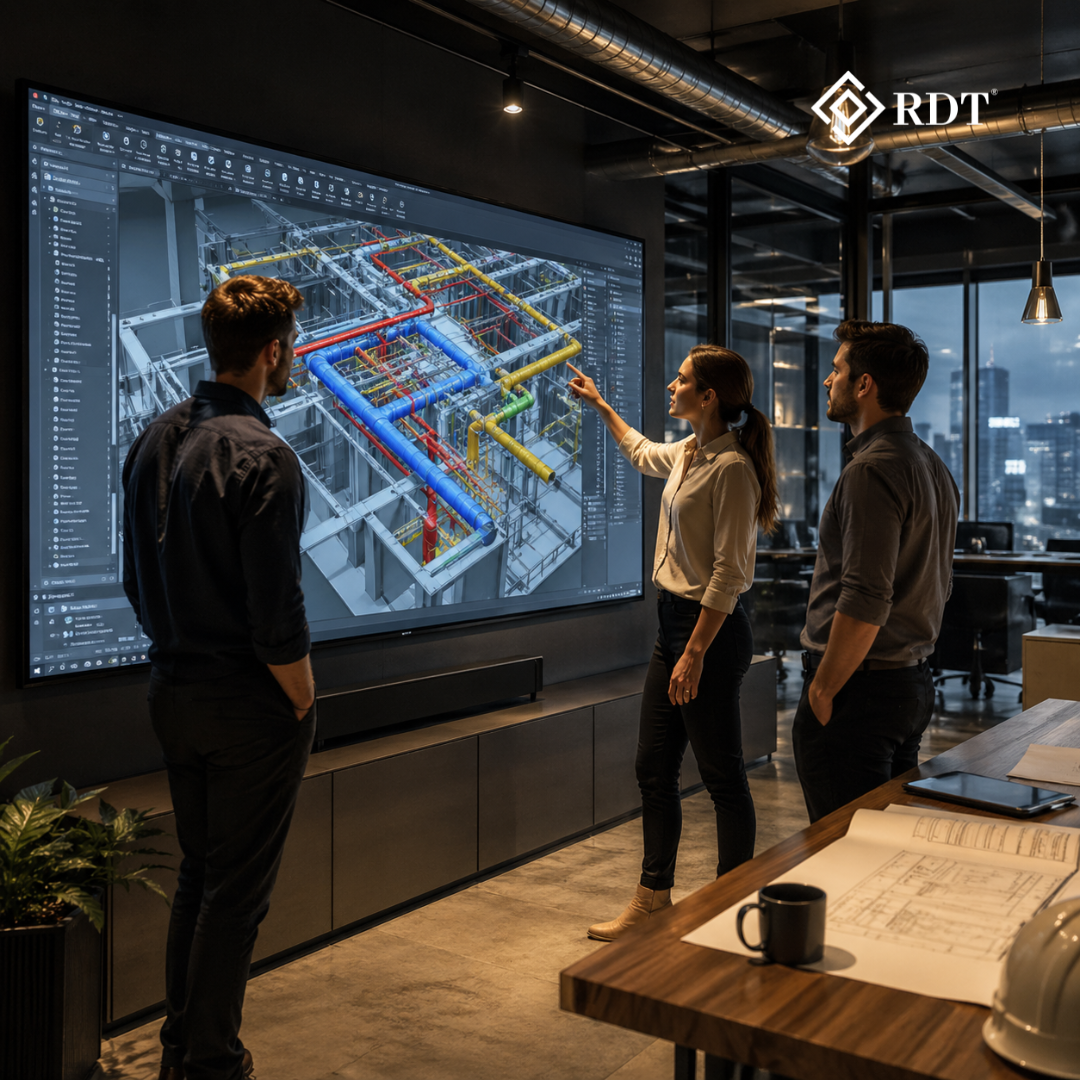
Clash detection is a critical component of BIM workflows. It involves identifying conflicts between different building systems such as structural elements and mechanical installations.
Architectural BIM Services enable early detection of these issues, allowing teams to resolve them before construction begins. This proactive approach reduces the risk of delays and budget overruns.
In complex projects, even minor clashes can lead to significant disruptions. By addressing these challenges early, BIM ensures smoother execution and better project outcomes.
Improved Project Visualization and Client Engagement
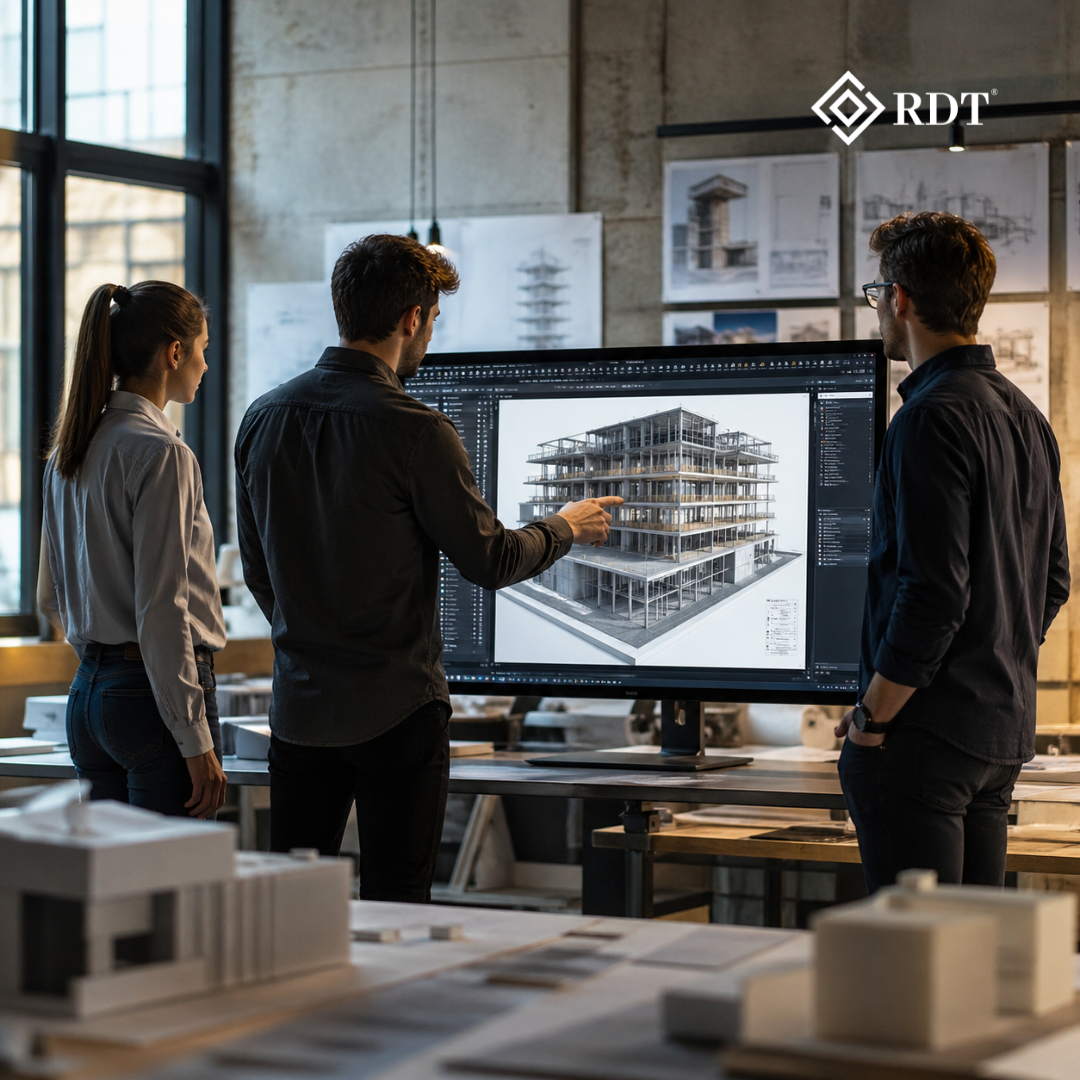
Clients often struggle to interpret traditional drawings. BIM bridges this gap by providing immersive 3D models that clearly communicate design intent.
Architectural BIM Services allow stakeholders to explore the project in detail, understand spatial layouts, and visualize the final outcome before construction starts. This level of transparency builds trust and confidence among clients.
It also enables faster decision making. When clients can see exactly what they are getting, approvals become quicker, and changes can be implemented more efficiently.
Cost Efficiency and Time Savings
Time and cost are two of the most critical factors in any AEC project. BIM plays a crucial role in optimizing both.
By improving coordination and reducing errors, Architectural BIM Services help minimize rework and material wastage. Accurate quantity takeoffs and cost estimations ensure better budget control.
Additionally, streamlined workflows and improved communication lead to faster project delivery. Teams can work more efficiently, reducing delays and ensuring that deadlines are met.
Data Driven Decision Making
BIM is not just about design, it is about data. Every element within a BIM model contains valuable information that can be used for analysis and decision making.
Architectural BIM Services provide insights into building performance, energy efficiency, and sustainability. This enables architects and engineers to make informed choices that enhance the overall quality of the project.
Data driven decision making also improves long term asset management. Building owners can use BIM data for maintenance, renovations, and future expansions.
Supporting Sustainable Design Practices
Sustainability has become a key focus in the AEC industry. BIM supports this goal by enabling better analysis and optimization of building performance.
Architectural BIM Services allow teams to evaluate factors such as energy consumption, daylighting, and material usage. This helps in designing buildings that are not only efficient but also environmentally responsible.
By integrating sustainability into the design process, BIM contributes to the creation of smarter and greener buildings.
Future Trends in Architectural BIM Services
The future of BIM in architecture looks promising. As technology continues to evolve, BIM is becoming more advanced and accessible.
Integration with emerging technologies such as artificial intelligence and digital twins is expanding the capabilities of BIM. These advancements are enabling predictive analysis, real time monitoring, and enhanced project management.
Architectural BIM Services will continue to play a vital role in shaping the future of the AEC industry. Firms that adopt these innovations will gain a competitive edge and deliver superior results.
Conclusion
Architectural BIM Services have redefined the way projects are designed and executed in the AEC industry. From improved collaboration and clash detection to enhanced visualization and cost efficiency, BIM offers a comprehensive solution to modern construction challenges.
As projects become more complex and client expectations continue to rise, the importance of BIM will only grow. It is no longer just a tool for design, it is a strategic asset that drives success across the entire project lifecycle.
Take advantage of our world class BIM Modeling services engineered for seamless delivery of large, complex developments. Partner with RDT Technology to transform your architectural vision into reality with precision, efficiency, and unmatched expertise.