
Introduction
In today’s fast moving construction landscape, MEP Coordination has become the backbone of successful project delivery in the AEC industry. The phrase MEP Coordination Secrets is gaining attention because it reflects the hidden strategies that separate high performing projects from those that struggle with delays and cost overruns. Mechanical, Electrical, and Plumbing systems are no longer treated as isolated components. They are deeply interconnected layers that define how a building performs, operates, and sustains itself over time. When these systems are not aligned, even the most visually impressive structure can fail in functionality, efficiency, and cost control. This is why MEP Coordination is not just a technical process but a strategic necessity that drives project success from design to execution.
Understanding the Role of MEP Coordination in AEC
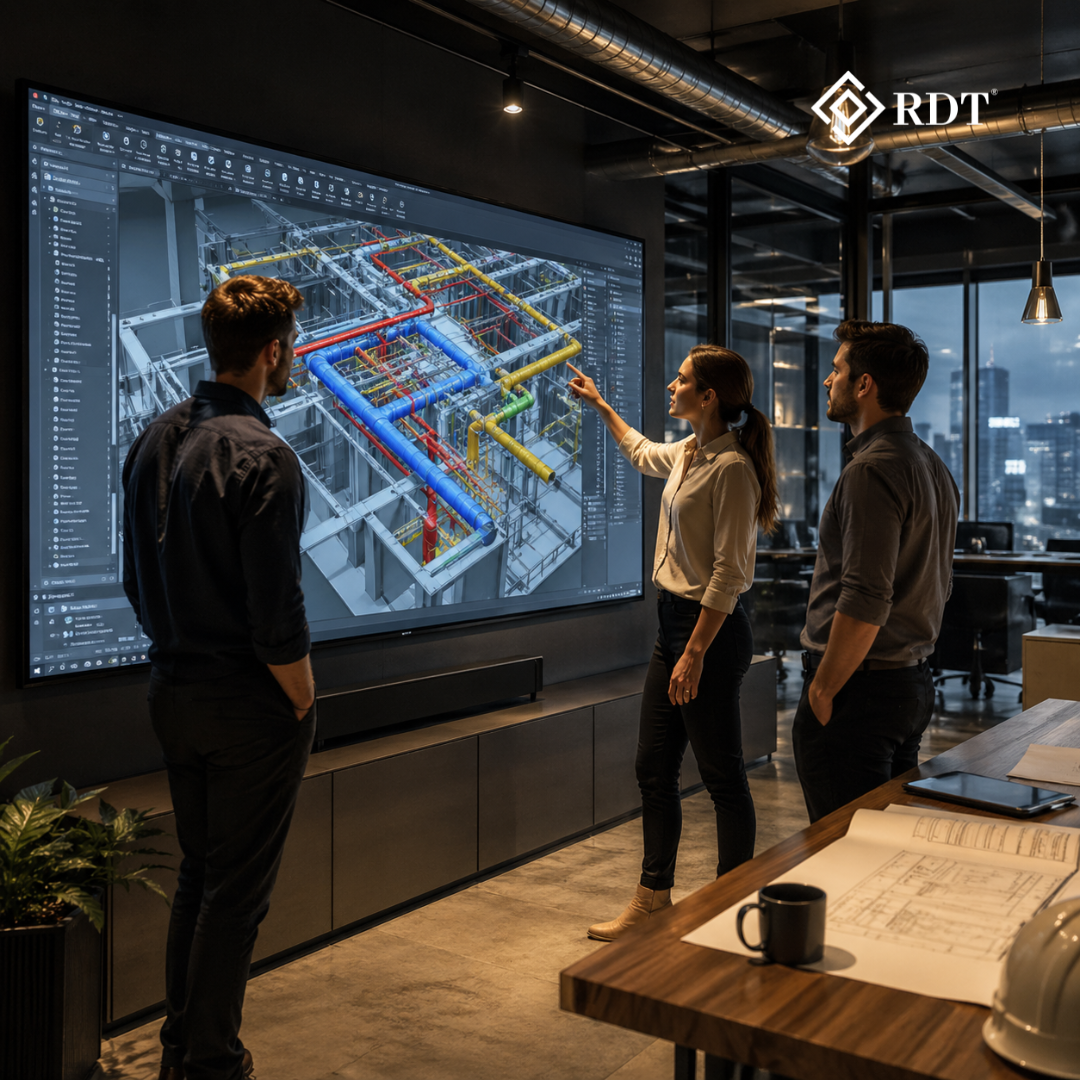
MEP Coordination is the process of integrating mechanical, electrical, and plumbing systems within a building design to ensure they work seamlessly without clashes or conflicts. In the AEC industry, where multiple disciplines collaborate on complex structures, coordination acts as the foundation that keeps every element aligned.
Architects focus on spatial planning and design intent, structural engineers ensure the strength and safety of the building, and MEP engineers bring operational functionality into the space. Without proper coordination, these disciplines often overlap in ways that create costly conflicts during construction.
A well coordinated MEP system ensures that ducts do not interfere with beams, pipes do not clash with electrical conduits, and access for maintenance remains practical. This alignment significantly reduces errors and ensures smooth execution on site.
Why Poor Coordination Leads to Major Project Failures
One of the most common reasons for delays and budget overruns in construction projects is poor MEP Coordination. When systems are designed in isolation, conflicts only become visible during construction. At that stage, resolving issues requires rework, redesign, and sometimes removal of completed work.
These disruptions increase labor costs, waste materials, and extend timelines. More importantly, they create friction among stakeholders and reduce overall project efficiency.
Poor coordination also affects building performance. Improper alignment of systems can lead to inefficient energy usage, maintenance difficulties, and reduced equipment lifespan. In large projects, even a minor oversight can escalate into major operational challenges.
The Impact of MEP Coordination on Project Efficiency
Effective MEP Coordination directly improves project efficiency by eliminating uncertainties before construction begins. When all systems are aligned during the design phase, the execution process becomes more predictable and controlled.
Contractors can perform their tasks with clarity because the design has already addressed spatial and functional constraints. This reduces on site decision making and minimizes unexpected delays.
Coordination also strengthens communication across teams. When everyone works with coordinated drawings and shared information, misunderstandings are minimized and collaboration improves.
In addition, proper coordination supports accurate quantity estimation and resource planning, which helps maintain better control over project costs and timelines.
Clash Detection and Resolution in MEP Coordination
A key element behind successful projects lies in the practical application of MEP Coordination Secrets, especially when it comes to identifying and resolving clashes. Clashes occur when different systems occupy the same space or interfere with each other’s functionality.
There are hard clashes where components physically intersect and soft clashes where clearance or accessibility is compromised. Both can cause serious complications if not addressed early.
Resolving these issues during the design stage allows teams to avoid costly rework and ensures that all systems are properly accommodated within the building structure. This proactive approach enhances overall construction quality.
Enhancing Building Performance Through Coordination
MEP systems are critical to building performance, influencing comfort, efficiency, and long term sustainability. Proper coordination ensures that these systems operate at their full potential.
Well designed HVAC systems improve air distribution and thermal comfort. Efficient electrical layouts ensure reliable power flow. Coordinated plumbing systems maintain consistent water supply and drainage.
When these elements are aligned, the building performs better, consumes less energy, and requires less maintenance over time. This makes coordination a key factor in achieving both operational efficiency and sustainability goals.
Challenges in MEP Coordination
Despite its importance, MEP Coordination comes with several challenges. One of the primary challenges is managing the complexity of modern building systems. As projects grow in scale, the number of components and their interactions increase significantly.
Another challenge is maintaining consistent communication among teams. Any gap in communication can lead to design conflicts and execution errors.
Time pressure is also a common issue. Tight deadlines can limit the time available for thorough coordination, increasing the risk of oversight.
Design changes during the project lifecycle further complicate coordination efforts. Adapting to these changes while maintaining system alignment requires careful planning and strong collaboration.
Best Practices for Effective MEP Coordination
Successful coordination relies on a structured and disciplined approach. Early involvement of all stakeholders is essential to ensure that every system is considered from the beginning.
Clear documentation plays a crucial role in maintaining alignment. Detailed and coordinated drawings help teams understand design intent and reduce ambiguity.
Regular coordination discussions enable teams to identify issues early and resolve them efficiently. These interactions foster collaboration and keep the project on track.
Flexibility is equally important. Projects evolve, and teams must be prepared to adjust plans while maintaining coordination integrity.
The Future of MEP Coordination in the AEC Industry
The importance of MEP Coordination will continue to grow as the AEC industry evolves. Increasing project complexity and higher performance expectations demand more precise integration of building systems.
The growing focus on sustainability and energy efficiency also highlights the need for well coordinated MEP systems. Buildings must perform efficiently while meeting environmental standards, making coordination more critical than ever.
Organizations that understand and apply MEP Coordination Secrets will be better positioned to deliver projects that meet modern demands and exceed client expectations.
Conclusion
MEP Coordination is the force that brings structure, systems, and functionality together into a cohesive whole. It ensures that every component works in harmony, reducing risks and improving outcomes.
Projects that lack coordination often face delays, increased costs, and performance issues. In contrast, well coordinated projects achieve smoother execution, better efficiency, and long term value.
In the AEC industry, where precision is everything, coordination is not optional. It is essential for success.
If you want to unlock the true potential of your projects, it is time to apply proven MEP Coordination strategies. RDT Technology delivers expert driven coordination solutions that eliminate conflicts, improve efficiency, and ensure seamless project execution. Partner with RDT Technology and take your AEC projects to the next level with confidence and clarity.