Introduction
Clash Detection has become one of the most critical processes in the modern AEC industry, and many professionals now recognize it as The Hidden Profit Killer in AEC Projects when ignored or poorly executed. In a landscape where precision defines profitability, even a minor coordination error between systems can trigger delays, budget overruns, and strained stakeholder relationships. Today, projects are growing more complex, timelines are shrinking, and expectations are higher than ever. This makes Clash Detection not just a technical step but a strategic necessity for project success.
Understanding Clash Detection in AEC
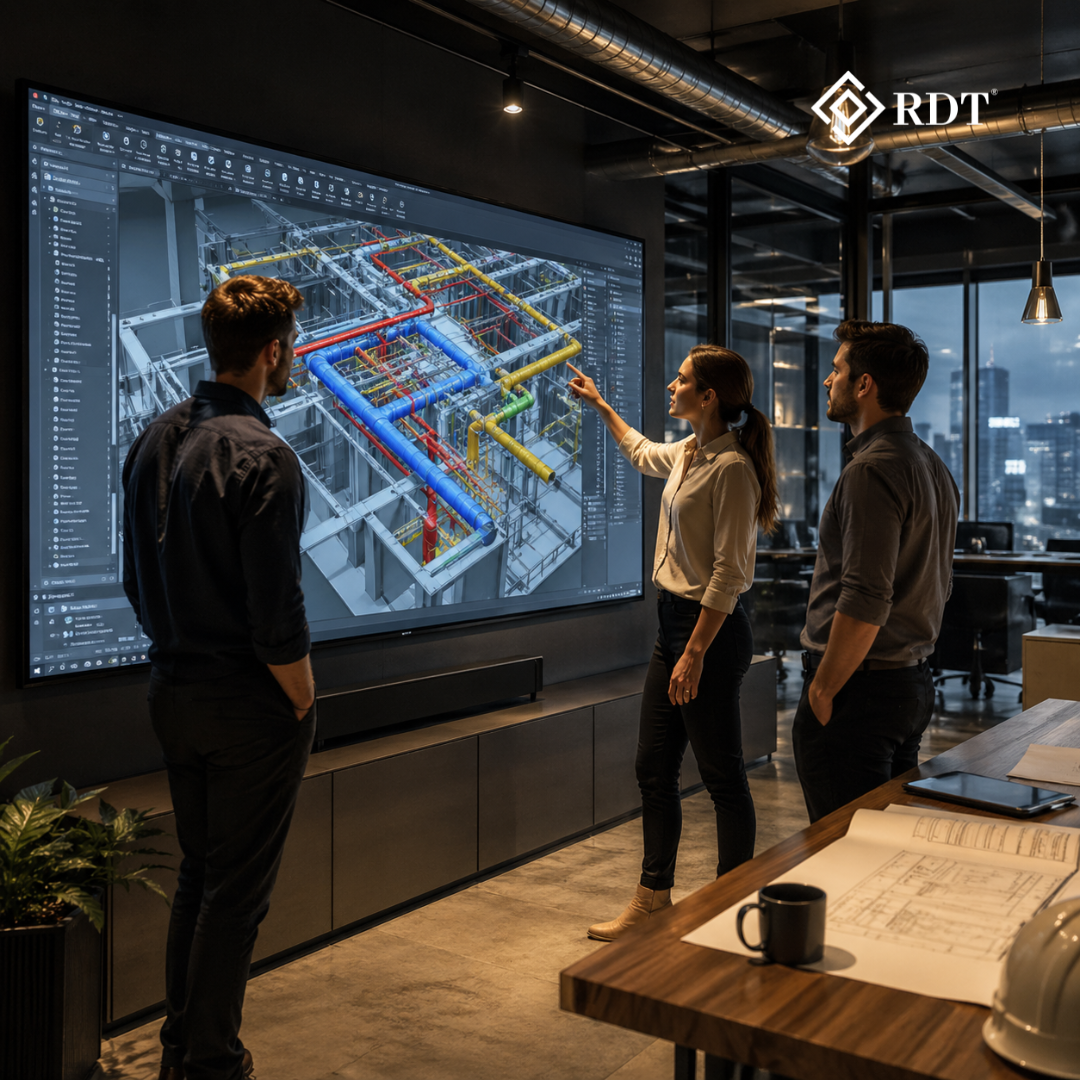
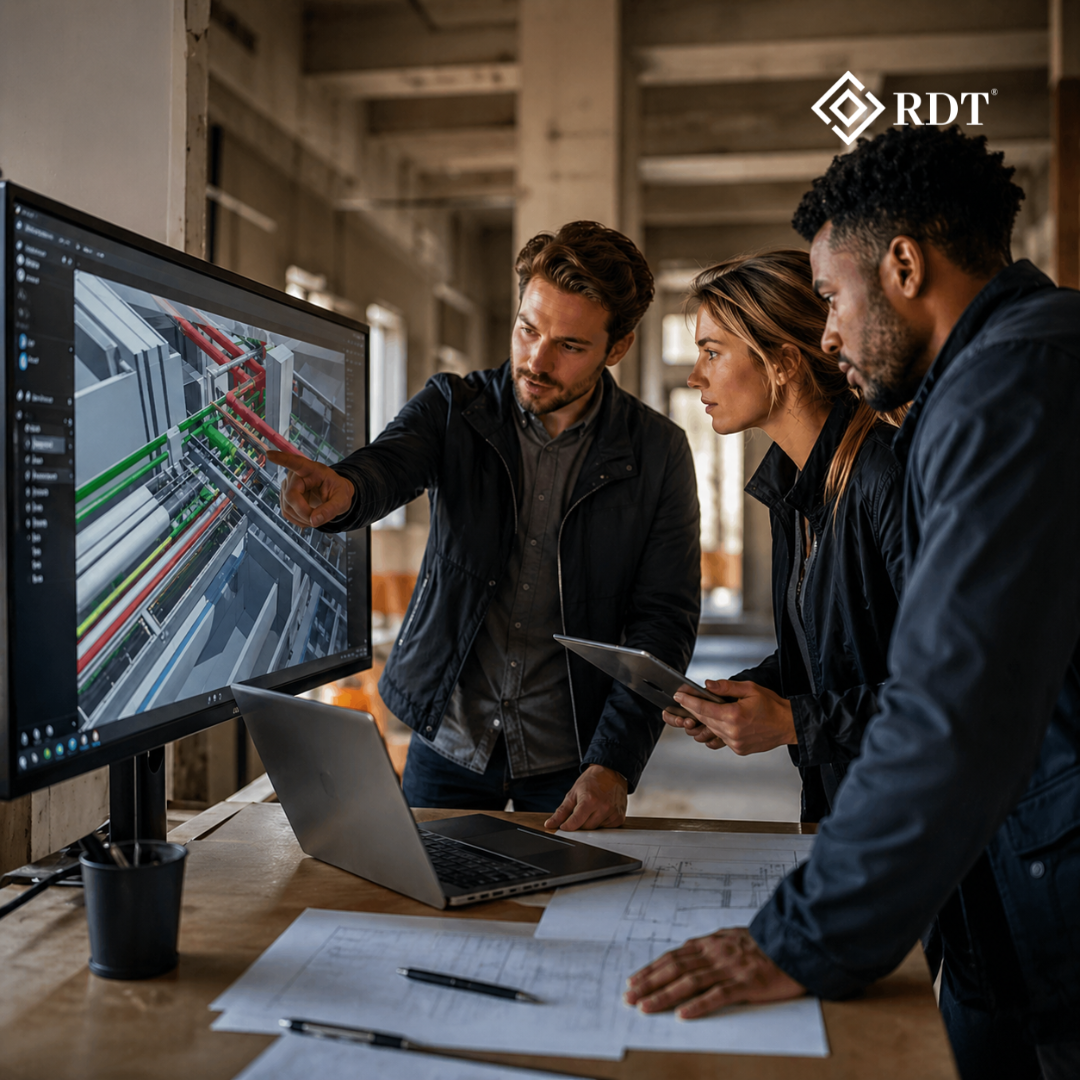
Clash Detection refers to the process of identifying conflicts between different building systems before construction begins. These conflicts typically occur when architectural, structural, and MEP components occupy the same physical space or interfere with each other’s functionality.
For example, a duct passing through a beam or a pipe colliding with electrical conduits may seem like small issues digitally, but in reality, they can halt entire construction activities. Detecting such issues early ensures that corrections are made in the planning stage rather than during execution, where the cost and impact are significantly higher.
Why Clash Detection Is No Longer Optional
The AEC industry has evolved from traditional 2D drawings to highly coordinated digital workflows. However, the risks associated with poor coordination still remain. Without effective Clash Detection, teams often rely on assumptions, which leads to errors that only become visible on site.
Construction delays are one of the biggest consequences. When clashes are discovered during installation, work must stop until a resolution is found. This not only wastes time but also disrupts project sequencing. Additionally, rework becomes inevitable, leading to material wastage and increased labor costs.
Another critical impact is on project credibility. Clients expect seamless delivery, and frequent on site issues can damage trust. Clash Detection helps maintain professionalism by ensuring that the design is well coordinated before execution begins.
Types of Clashes That Impact Projects
Understanding the types of clashes is essential to grasp the importance of this process.
Hard clashes occur when two elements physically intersect. These are the most obvious and easiest to identify, such as a beam cutting through a pipeline.
Soft clashes involve clearance issues. Even if two elements do not touch, insufficient space for maintenance or installation can create operational challenges.
Workflow clashes are related to sequencing conflicts. These occur when different teams are scheduled to work in the same space at the same time, causing logistical inefficiencies.
Each type of clash has the potential to disrupt the project if not addressed early. A comprehensive Clash Detection approach ensures that all these conflicts are resolved before they become real world problems.
The Cost of Ignoring Clash Detection
Many projects still underestimate the value of Clash Detection, often considering it an additional step rather than a necessity. This mindset can lead to severe financial consequences.
Rework is one of the biggest cost drivers in construction. When clashes are identified on site, materials must be removed and replaced, which doubles the expense. Labor costs also increase as teams spend additional time fixing avoidable issues.
Delays further amplify the problem. Missed deadlines can result in penalties, loss of reputation, and even legal complications. In competitive markets, such setbacks can impact future opportunities.
Safety risks also rise when clashes are not resolved. Improvised solutions on site can compromise structural integrity and create hazardous working conditions.
Clash Detection as a Strategic Advantage
Forward thinking AEC firms are no longer treating Clash Detection as a routine check. Instead, they are using it as a strategic tool to gain a competitive edge.
By integrating Clash Detection early in the design phase, teams can optimize layouts and improve overall efficiency. This proactive approach reduces uncertainties and allows for better decision making.
It also enhances collaboration. When all stakeholders work with a coordinated model, communication becomes clearer and more effective. This leads to smoother project execution and fewer misunderstandings.
Clients also benefit from this approach. A well coordinated design ensures that the final outcome aligns with their expectations, both in terms of functionality and quality.
Best Practices for Effective Clash Detection
To maximize the benefits of Clash Detection, it is essential to follow a structured approach.
Early integration is key. Clash Detection should begin during the design stage rather than being postponed until later phases. This allows for timely corrections without impacting the schedule.
Regular coordination meetings help keep all teams aligned. Discussing identified clashes and resolving them collaboratively ensures that everyone is on the same page.
Clear documentation is equally important. Maintaining records of identified clashes and their resolutions provides transparency and accountability.
Another crucial aspect is prioritization. Not all clashes have the same level of impact. Focusing on critical conflicts first ensures that major risks are addressed without delay.
The Role of Skilled Professionals
While technology plays a role in identifying clashes, the expertise of professionals is what truly drives effective resolution. Experienced teams understand the complexities of different systems and can propose practical solutions that align with project requirements.
Their ability to interpret data and make informed decisions ensures that Clash Detection goes beyond identification and becomes a problem solving process. This human insight is what transforms a coordinated model into a constructible reality.
Future of Clash Detection in AEC
As the AEC industry continues to evolve, Clash Detection is expected to become even more advanced and integrated. With increasing project complexity, the demand for precise coordination will only grow.
The focus will shift towards predictive coordination, where potential clashes are anticipated even before they occur. This will further enhance efficiency and reduce risks.
Sustainability will also play a role. Optimized designs with fewer conflicts contribute to reduced material waste and more efficient construction processes, aligning with global environmental goals.
Conclusion
Clash Detection is not just a technical requirement but a critical factor that determines the success or failure of a project. In an industry where margins are tight and expectations are high, ignoring this process is no longer an option.
From reducing costs and delays to improving collaboration and quality, the benefits of Clash Detection are undeniable. It empowers teams to move from reactive problem solving to proactive planning, ensuring that projects are delivered with precision and confidence.
Take advantage of expert driven Clash Detection services with RDT Technology and ensure your projects are delivered with unmatched accuracy, efficiency, and zero costly surprises.