In the Architecture Engineering and Construction industry, design is no longer limited to drawings and technical documentation. Today, design is a strategic process that influences business decisions, project feasibility, marketing outcomes and stakeholder confidence. One of the most transformative tools in this evolution is architectural rendering. What was once considered a presentation add on has become a core component of modern design strategy.
Rendering is not just about producing beautiful images. It is about communicating ideas clearly, validating design intent, reducing uncertainty and aligning teams before construction begins. As projects become more complex and stakeholders more diverse, the ability to visualize outcomes has shifted from a luxury to a necessity.
This article explores why rendering has become an essential pillar of modern design strategy and how firms are using it to improve decision making, reduce risks and win more projects.
The Shift From Technical Drawings to Visual Communication
Traditional design workflows relied heavily on technical drawings such as plans, sections and elevations. While these documents remain essential, they require technical knowledge to interpret. Clients, investors and non technical stakeholders often struggle to visualize the final outcome based on drawings alone.
Rendering bridges this gap. It translates complex technical data into realistic visuals that anyone can understand. This makes rendering a powerful communication tool that aligns designers, engineers, clients and decision makers on a shared vision.
In modern design strategy, communication is as important as technical accuracy. Rendering ensures that everyone sees the same design intent, reducing misunderstandings and costly revisions later in the project.
Rendering as a Decision Making Tool
Modern projects involve multiple design options, material choices and layout alternatives. Each decision impacts cost, performance and user experience. Rendering allows teams to compare design scenarios visually before committing to a final direction.
For example, developers can evaluate different facade materials, lighting conditions, interior finishes and landscaping concepts through realistic renderings. This helps stakeholders make informed decisions based on visual impact rather than assumptions.
In many cases, rendering accelerates approvals because clients feel confident about what they are investing in. Confidence leads to faster decisions, and faster decisions reduce project delays.
Enhancing Client Confidence and Trust
Clients invest significant capital into construction projects, often without seeing the final product until completion. This uncertainty can create hesitation and risk aversion.
High quality renderings provide a realistic preview of the finished building. They allow clients to experience spaces, understand proportions and visualize how the project will function in real life. This builds trust between design teams and clients.
When clients see accurate visuals that match the delivered project, credibility increases. Rendering becomes a trust building asset that strengthens long term relationships and repeat business.
Rendering as a Strategic Marketing Asset
In competitive markets, firms must differentiate their proposals and marketing materials. Renderings are powerful marketing assets that showcase design capabilities and project vision.
Developers use renderings to attract investors, buyers and tenants. Architects use them in portfolios and competitions. Real estate firms use them in pre-sales campaigns. Visualization has become a critical tool for selling projects before they are built.
Modern design strategy includes marketing considerations from the early stages. Renderings help position projects as premium, innovative and well planned, giving firms a competitive edge.
Reducing Design Risks Before Construction
Design errors and misinterpretations can lead to costly changes during construction. Rendering helps identify potential issues early in the design phase.
By visualizing spaces in detail, teams can detect layout problems, circulation challenges, lighting issues and aesthetic conflicts. This early detection reduces rework and change orders later.
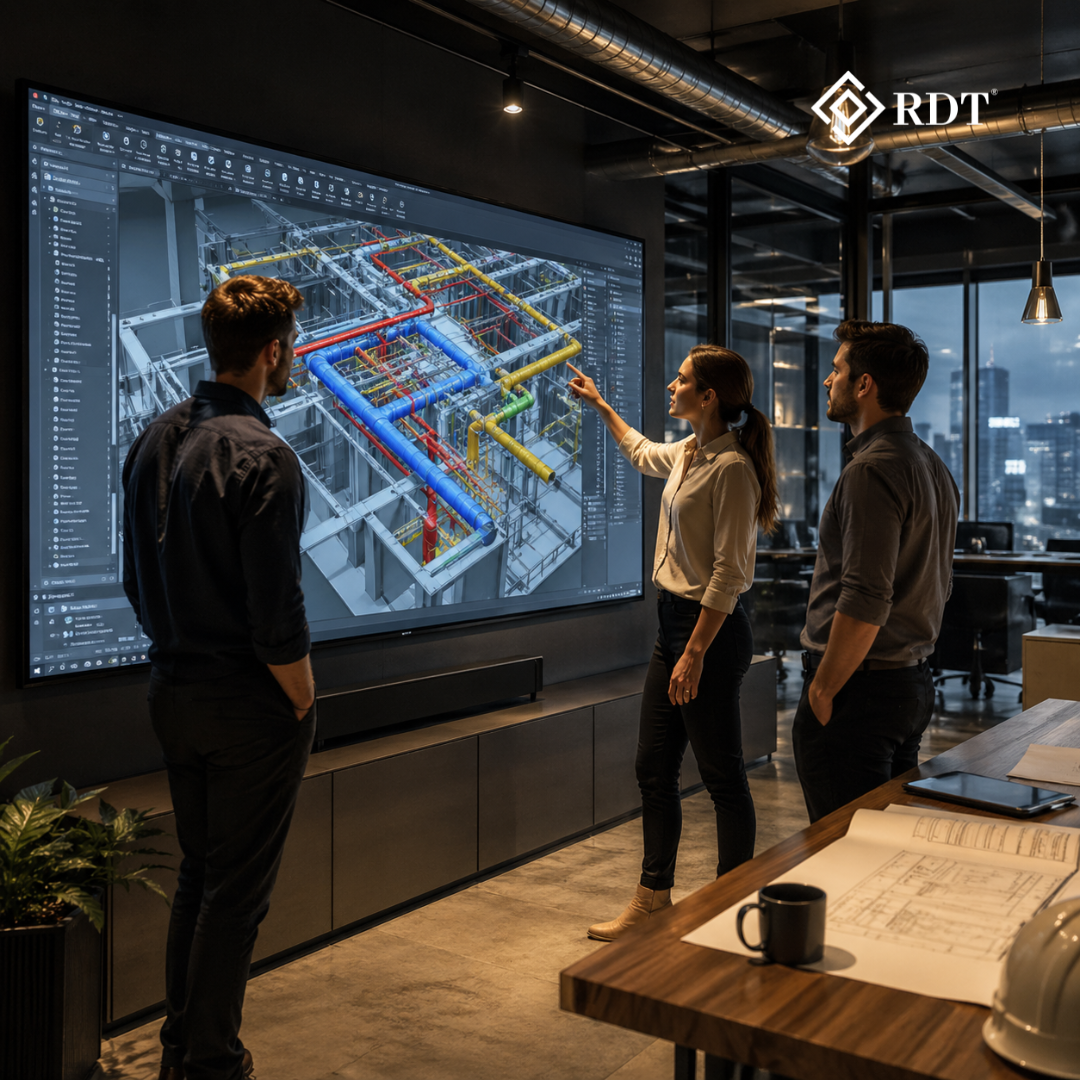
Rendering works best when integrated with BIM models, allowing accurate visualization based on real data. This combination transforms visualization into a risk mitigation tool rather than just a presentation element.
Supporting Stakeholder Engagement
Large projects involve multiple stakeholders including authorities, community members, investors and internal teams. Each stakeholder has different expectations and concerns.
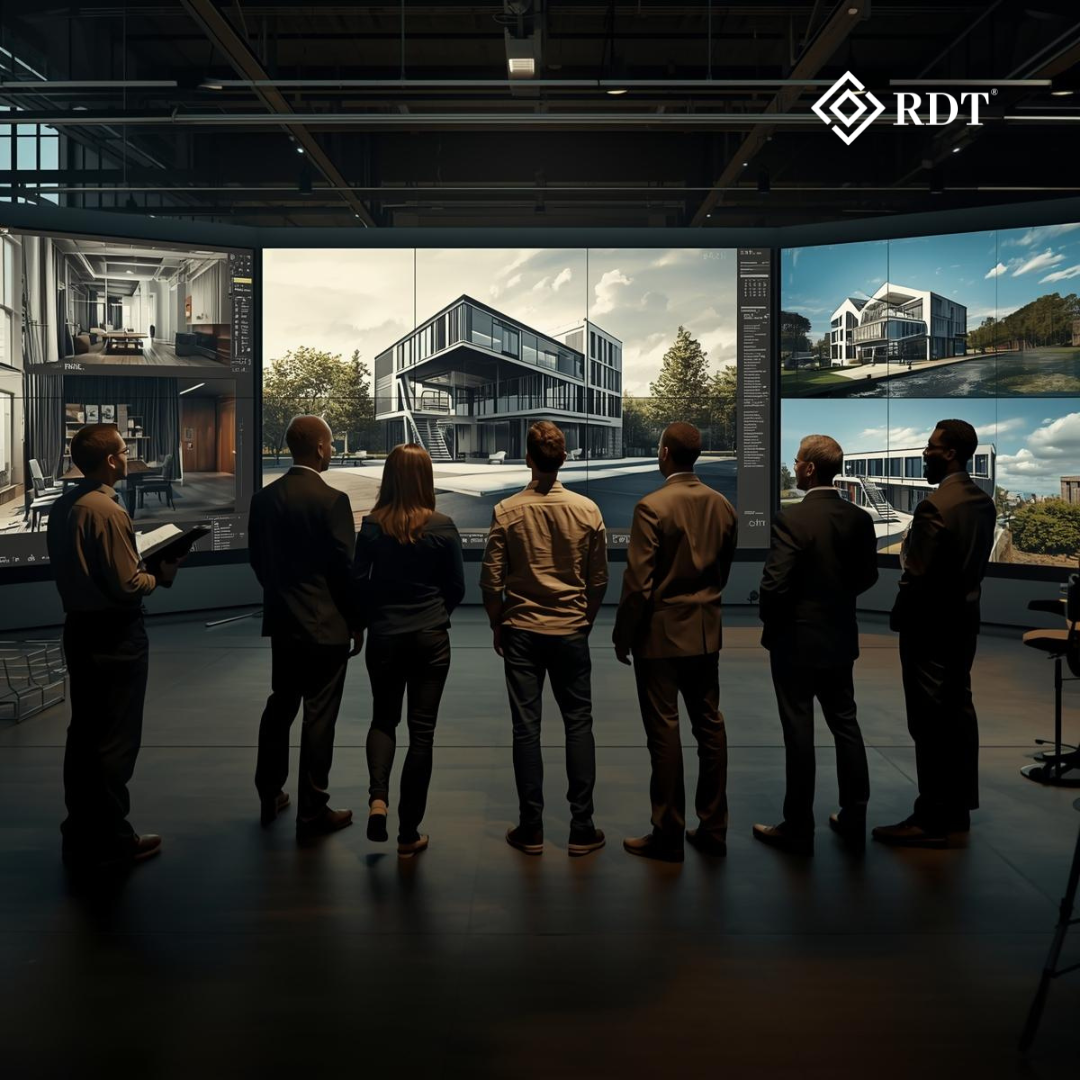
Renderings help engage these stakeholders by presenting the project in an accessible format. Public consultations often use renderings to explain urban developments. Regulatory approvals benefit from clear visual documentation. Internal teams align faster when everyone sees the same visuals.
Modern design strategy recognizes stakeholder engagement as a critical success factor, and rendering plays a central role in this process.
Rendering in Early Concept Development
Rendering is no longer limited to final presentations. Many firms use visualization during concept design to explore ideas quickly.
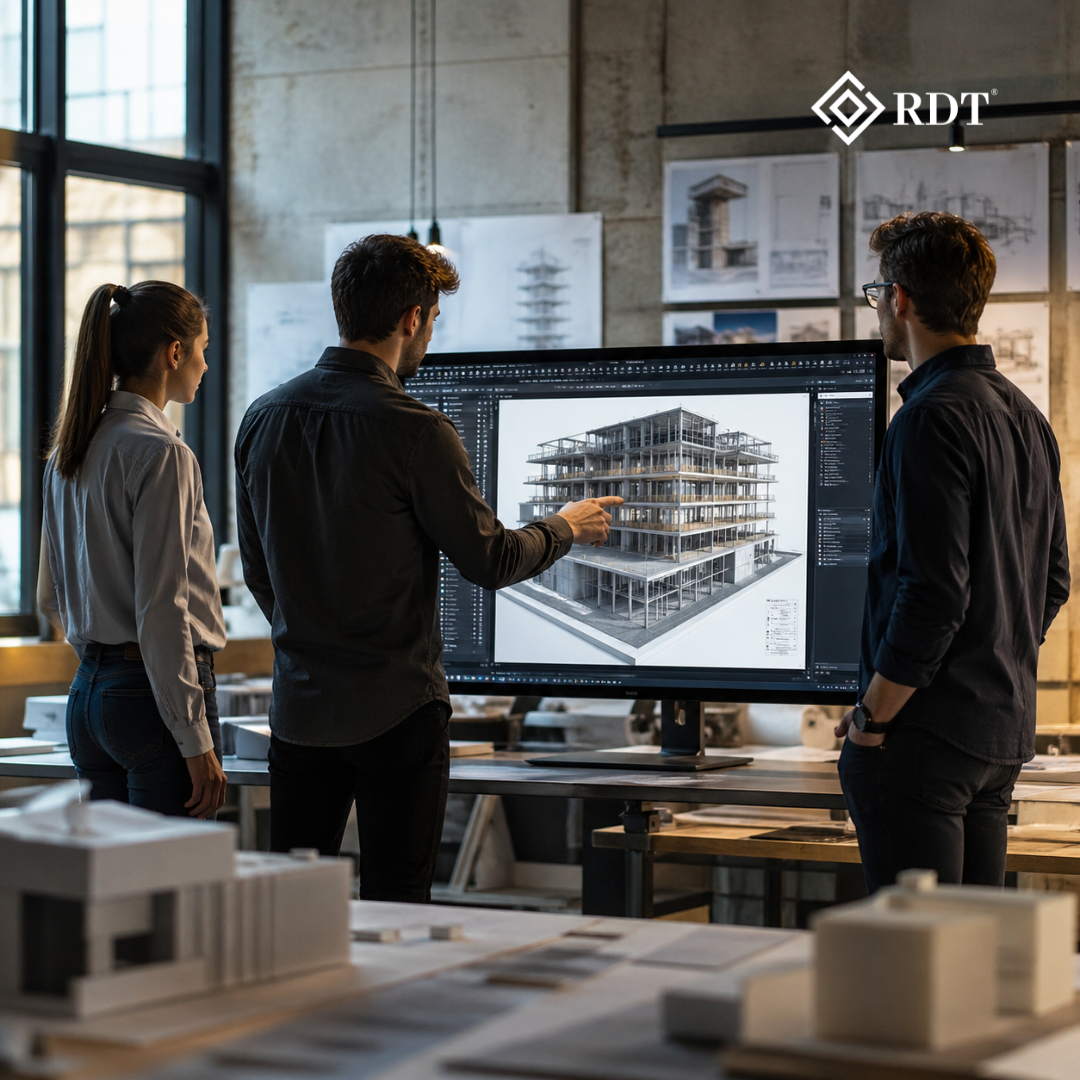
Concept renderings help designers test forms, massing and spatial relationships. They encourage creative thinking while maintaining a realistic perspective. This approach improves design quality and reduces the gap between concept and execution.
By incorporating rendering early, design teams can iterate faster and refine ideas before investing in detailed documentation.
Integration With BIM and Digital Workflows
Rendering has evolved alongside Building Information Modeling and digital design tools. Modern workflows integrate BIM models with rendering engines to produce accurate and data driven visuals.
This integration ensures consistency between drawings, models and visuals. Changes in the BIM model can be reflected in renderings, maintaining alignment throughout the project lifecycle.
In modern design strategy, rendering is part of a connected digital ecosystem that includes BIM, simulation, documentation and collaboration platforms.
Influence on Project Budget and Value Engineering
Visualizing design alternatives helps teams evaluate cost versus value. Renderings can illustrate how different materials or design features impact aesthetics and perceived quality.
This visual context supports value engineering decisions. Stakeholders can see which elements deliver the highest impact and where cost savings can be achieved without compromising design intent.
Rendering therefore contributes to financial strategy by supporting smarter budget allocation.
Improving User Experience and Spatial Understanding
Buildings are designed for people, and user experience is a key design objective. Renderings allow designers to evaluate how users will experience spaces.
Interior renderings show lighting, textures, furniture layout and spatial flow. Exterior renderings show urban context, landscaping and human scale. These visuals help designers assess comfort, functionality and emotional impact.
Modern design strategy prioritizes user centric design, and rendering is essential for understanding how spaces will feel before they exist.
Accelerating Approvals and Permits
Regulatory authorities often require visual documentation for approvals. Renderings help demonstrate compliance with zoning, urban design guidelines and environmental impact requirements.
Clear visuals reduce ambiguity and speed up the approval process. This can significantly shorten project timelines and reduce holding costs for developers.
In a strategic context, rendering becomes a tool for navigating regulatory processes efficiently.
Supporting Remote Collaboration
Global projects involve distributed teams and clients in different locations. Renderings facilitate remote communication by providing a shared visual reference.
Teams can review designs, provide feedback and make decisions without physical meetings. This capability has become increasingly important in modern digital workflows.
Rendering supports collaborative design strategy by enabling effective communication across geographical boundaries.
Influence on Branding and Identity
For developers and architects, visual identity is a strategic asset. Renderings help define the aesthetic language of a project and align it with brand values.
Consistent visualization style across projects strengthens brand recognition. High quality renderings position firms as premium and professional.
Modern design strategy includes brand positioning, and rendering plays a significant role in shaping how projects and firms are perceived.
Driving Innovation in Design
Rendering tools allow designers to experiment with innovative forms, materials and lighting scenarios. Visualizing futuristic concepts helps push design boundaries while evaluating feasibility.
This experimentation supports innovation without the cost of physical prototypes. Rendering enables design exploration at scale, which is essential for staying competitive in evolving markets.
Impact on Sales and Pre Leasing
In real estate development, renderings are used for pre-sales and pre-leasing. Buyers and tenants can see the finished property before construction, accelerating sales cycles.
This early revenue generation is a strategic advantage for developers. Renderings directly impact financial performance by enabling projects to secure commitments before completion.
Training and Internal Knowledge Sharing
Renderings are also used internally for training and knowledge sharing. Teams can understand design standards, best practices and project intent through visual documentation.
This improves onboarding, reduces errors and ensures consistency across teams. Rendering supports organizational strategy by improving knowledge transfer.
Future of Rendering in Design Strategy
As technology advances, rendering is evolving into immersive experiences such as virtual reality, augmented reality and real time visualization. These tools will further integrate visualization into design strategy.
Real time rendering allows stakeholders to explore spaces interactively. Virtual walkthroughs will become standard in design reviews. Data driven visualization will connect performance metrics with visuals.
Rendering will continue to expand beyond static images into interactive decision making platforms.
Conclusion
Rendering has transformed from a presentation tool into a strategic pillar of modern design. It influences decisions, reduces risks, accelerates approvals, enhances marketing and improves collaboration. It aligns stakeholders, supports innovation and drives financial performance.
In a world where projects are complex, timelines are tight and expectations are high, visualization is no longer optional. It is a core component of design strategy that shapes how projects are conceived, communicated and delivered.
Firms that integrate rendering into their strategic workflows gain a significant competitive advantage. They make better decisions, build stronger relationships and deliver higher quality projects.
Call to Action
If you want to integrate high quality rendering into your design strategy and transform how your projects are visualized and delivered, partner with RDT Technology. Our visualization experts deliver realistic renderings that support smarter decisions, stronger presentations and faster approvals. Contact RDT Technology today to experience how strategic rendering can elevate your design process and project outcomes.