
Introduction
In the construction industry, the gap between design intent and site execution has long been a persistent challenge. Architects and engineers create detailed drawings, specifications, and models to express how a building should look and perform. However, once the project reaches the construction site, that vision can be misunderstood, altered, or compromised due to miscommunication, incomplete information, or practical constraints. This disconnect often leads to delays, cost overruns, rework, and disputes among stakeholders.
Building Information Modeling, commonly known as BIM, has emerged as a transformative solution to bridge this gap. BIM is not just a three dimensional model but a comprehensive digital representation of a project that integrates geometry, data, and processes. It connects designers, contractors, and owners on a single platform, ensuring that what is designed is accurately built on site. Understanding why BIM acts as the missing link between design intent and site execution requires exploring how it changes workflows, communication, coordination, and decision making across the project lifecycle.
Understanding Design Intent and Site Execution
Design intent refers to the original vision and technical requirements defined by architects and engineers. It includes spatial layouts, material selections, performance criteria, structural systems, and aesthetic goals. Design intent is typically communicated through drawings, specifications, and written documents.
Site execution is the process of translating these documents into physical construction. Contractors, subcontractors, and site teams rely on drawings and specifications to guide their work. However, traditional two dimensional documentation can be open to interpretation. Differences in understanding, missing details, and unforeseen site conditions often result in deviations from the original design intent.
The challenge is not that professionals lack expertise but that the tools and processes used to convey information are often fragmented. BIM addresses this fragmentation by creating a shared digital environment where design intent is embedded directly into the model and accessible to all stakeholders.
What Is BIM and How It Works
BIM is a digital process that creates and manages information about a built asset throughout its lifecycle. It combines three dimensional geometry with data about materials, systems, costs, schedules, and performance. Unlike traditional drawings, BIM models are intelligent objects that contain attributes and relationships.
For example, a wall in a BIM model is not just a line or shape. It includes information about material layers, fire rating, acoustic performance, cost, and construction method. When changes are made, the model updates automatically across all views and documentation, ensuring consistency.
BIM also supports collaboration by allowing multiple disciplines to work on a shared model. Architects, structural engineers, MEP engineers, and contractors can integrate their models into a coordinated environment, reducing conflicts and misunderstandings.
Improving Communication Across Stakeholders
One of the main reasons BIM is the missing link between design and execution is its ability to improve communication. Traditional projects rely heavily on drawings, emails, and meetings to convey information. These methods can lead to misunderstandings, especially when complex systems are involved.
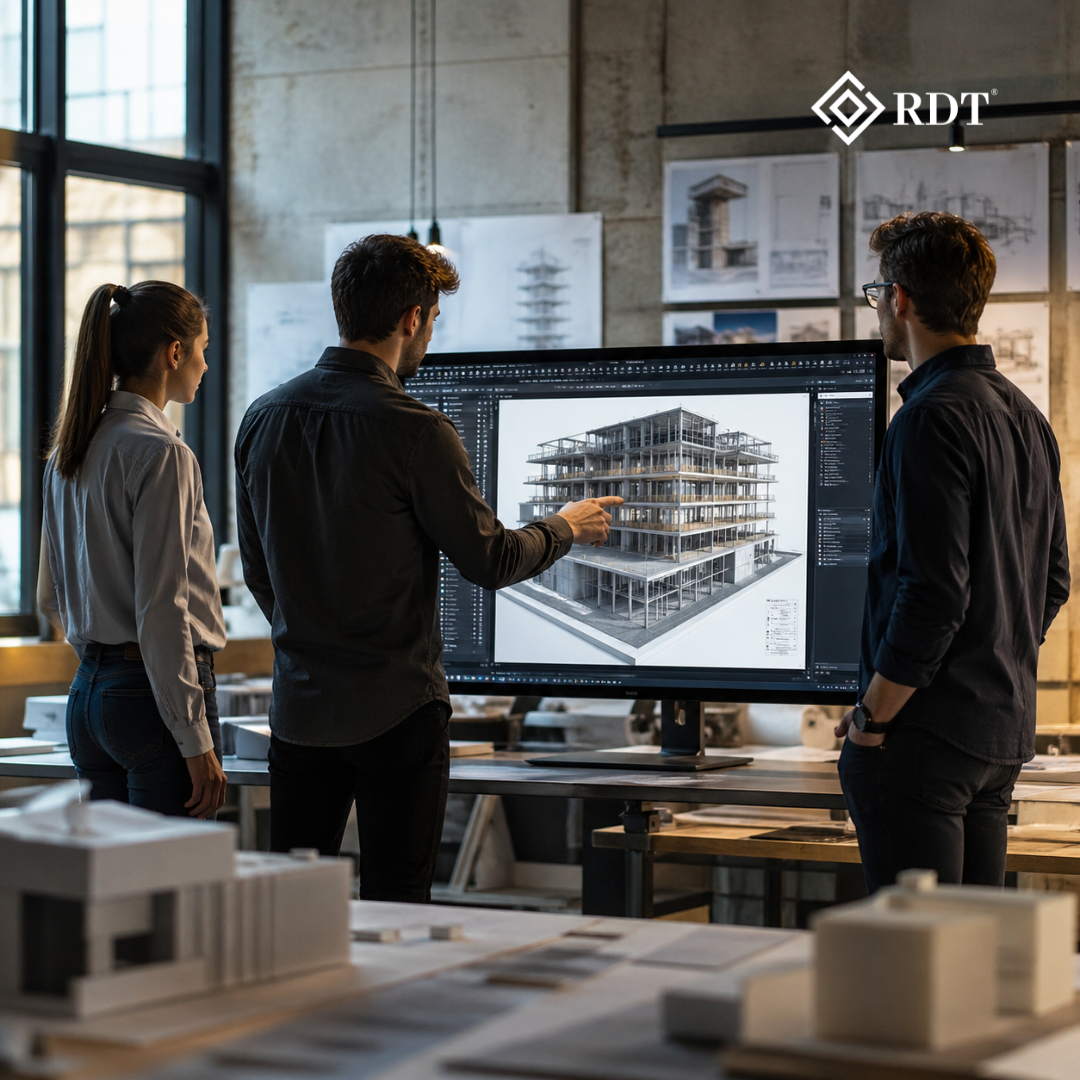
With BIM, stakeholders can visualize the project in three dimensions, making it easier to understand design intent. Contractors can see how systems interact, where elements are located, and how components fit together. Owners and clients can also better understand the project, which helps in making informed decisions early.
Clear visualization reduces ambiguity and aligns everyone with the original design goals. When site teams understand the design intent clearly, they are more likely to execute it accurately.
Clash Detection and Coordination
Design intent often involves complex interactions between architectural, structural, and MEP systems. In traditional workflows, clashes between systems are discovered during construction, leading to costly rework and delays.
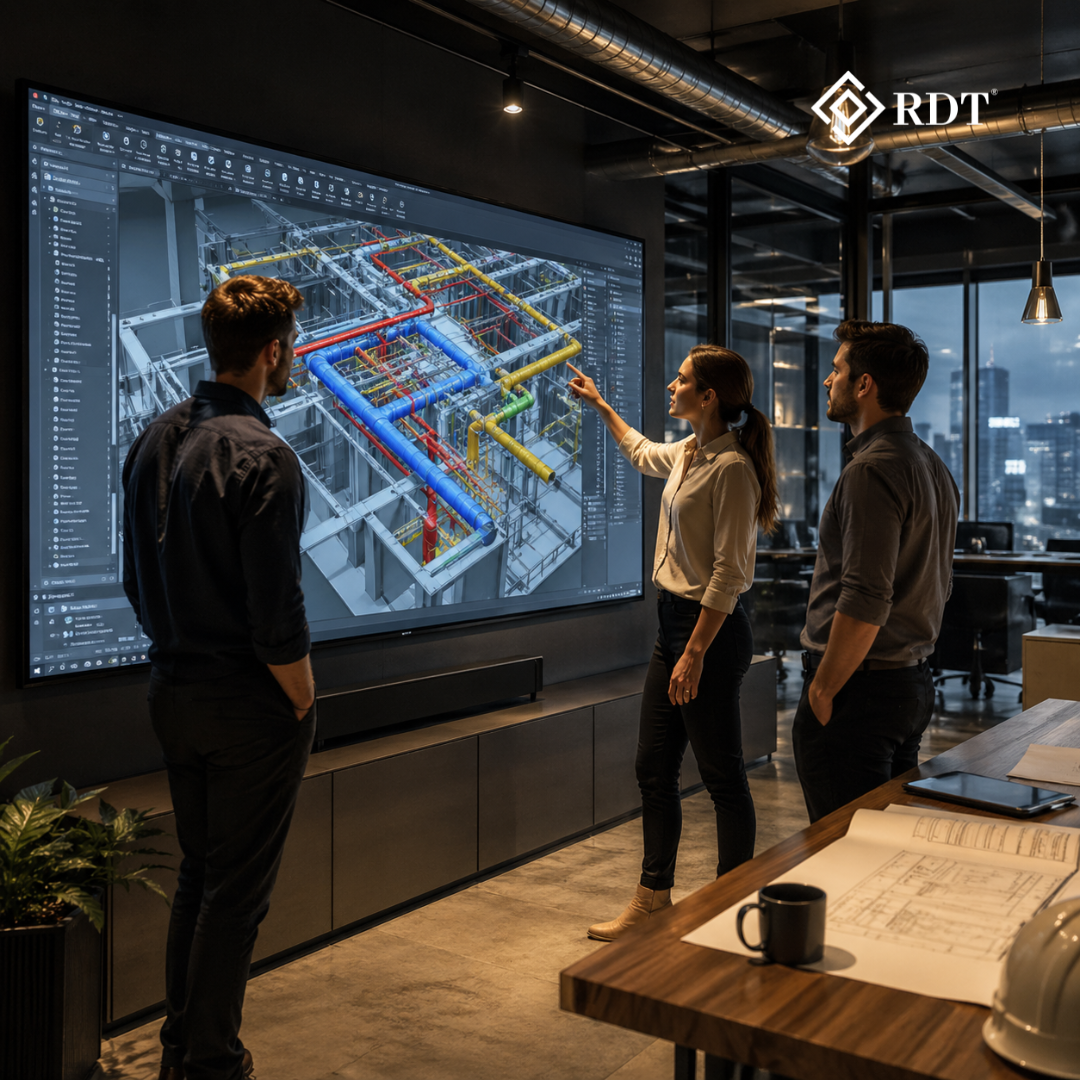
BIM enables clash detection during the design phase. By integrating models from different disciplines, potential conflicts can be identified and resolved before construction begins. For example, a duct passing through a beam can be detected in the model and corrected early.
This proactive coordination ensures that the design intent is constructible and that site execution follows a coordinated plan. It reduces surprises on site and supports smoother construction workflows.
Enhancing Constructability and Planning
BIM supports constructability analysis by allowing contractors to simulate construction sequences and methods. Four dimensional BIM integrates time data with the model, enabling teams to visualize how the project will be built over time.
This capability helps in planning site logistics, sequencing trades, and optimizing workflows. Contractors can identify potential issues such as access constraints, safety risks, and scheduling conflicts before they occur on site.
By aligning design intent with practical construction considerations, BIM ensures that the design is not only aesthetically and technically sound but also feasible to build efficiently.
Accurate Quantity Takeoffs and Cost Management
Cost overruns are often linked to discrepancies between design documents and actual construction. Traditional quantity takeoffs are time consuming and prone to errors, especially when designs change frequently.
BIM models contain accurate quantities and material data that can be extracted automatically. This supports reliable cost estimates and budget control. Five dimensional BIM integrates cost data with the model, allowing teams to analyze the financial impact of design decisions.
When cost implications are visible early, designers and owners can make informed choices that align with budget constraints without compromising design intent. Contractors can also plan procurement and resource allocation more effectively.
Reducing Rework and Errors on Site
Rework is one of the most expensive and disruptive issues in construction. It often occurs when site teams encounter unclear or conflicting information. BIM reduces rework by providing a single source of truth for project information.
Because the model is coordinated and updated in real time, site teams can access the latest information. Changes are tracked and communicated through the model, reducing the risk of building based on outdated drawings.
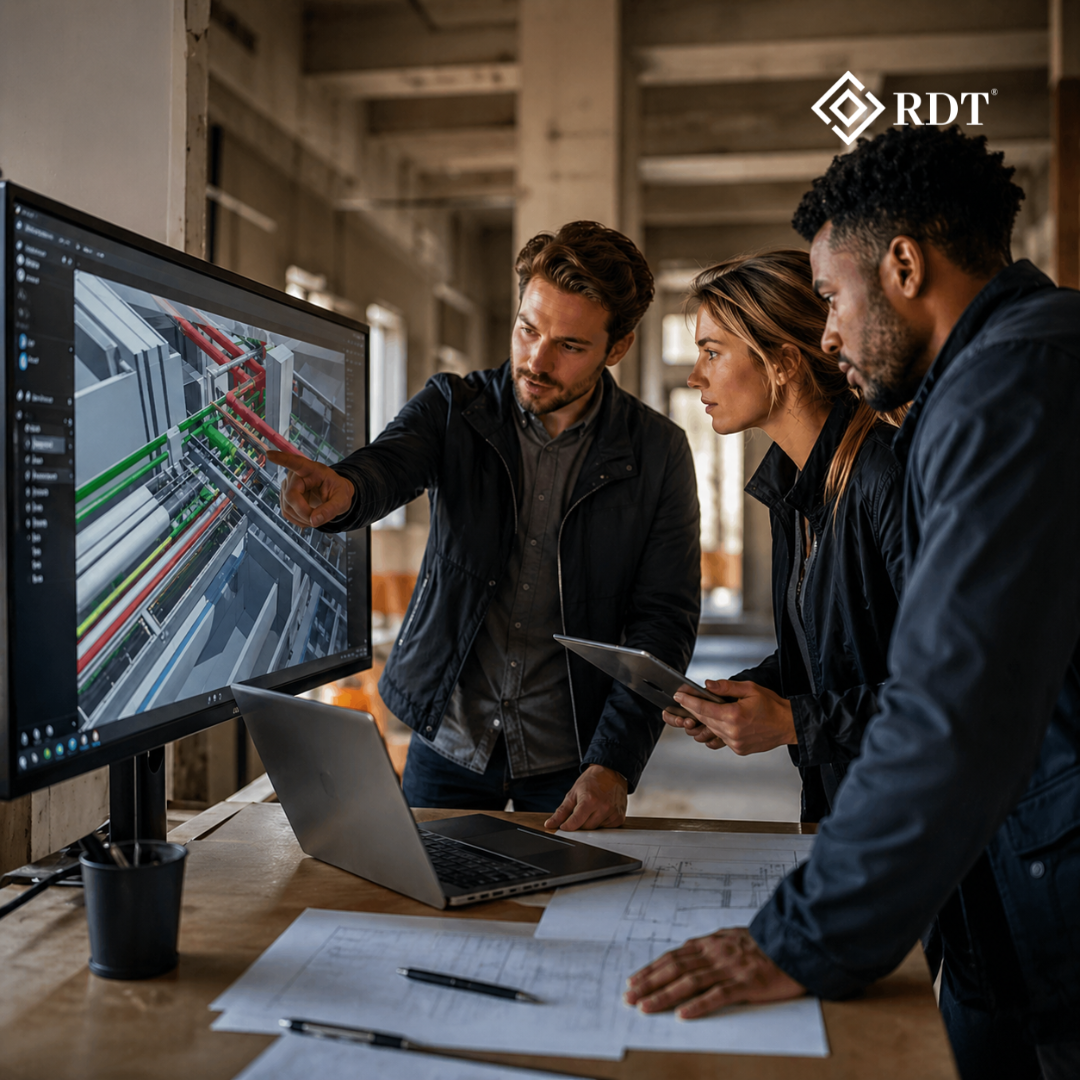
Field teams can also use BIM on tablets and mobile devices to view models and drawings directly on site. This improves accuracy and reduces reliance on printed documents that may not reflect recent updates.
Supporting Prefabrication and Modular Construction
Modern construction increasingly relies on prefabrication and modular methods to improve quality and productivity. BIM plays a critical role in enabling these approaches by providing precise digital models for fabrication.
Fabricators can use BIM data to create shop drawings and drive CNC machines for manufacturing components. This ensures that prefabricated elements match the design intent exactly and fit correctly on site.
By integrating design and fabrication, BIM reduces tolerances, improves quality, and accelerates construction timelines.
Facilitating Collaboration and Integrated Project Delivery
BIM supports collaborative workflows and integrated project delivery models. Instead of working in silos, stakeholders can share information and coordinate decisions within a common digital environment.
Common Data Environments allow teams to manage documents, models, and communications in a structured way. This transparency fosters trust and accountability among participants.
When designers, contractors, and owners collaborate using BIM, design intent is preserved and enhanced through continuous feedback. Issues are addressed early, and decisions are documented clearly, leading to better outcomes.
Enhancing Quality Control and Compliance
Quality control is essential to ensure that the constructed asset meets design and regulatory requirements. BIM models can incorporate codes, standards, and performance criteria, enabling automated checks.
For example, models can be used to verify clearances, accessibility requirements, and safety standards. Site teams can reference the model to ensure that construction aligns with specifications.
BIM also supports digital inspections and as built documentation, creating a reliable record of what was constructed. This is valuable for handover, operation, and maintenance.
Supporting Facility Management and Lifecycle Performance
Design intent extends beyond construction to the operational performance of the building. BIM models can be enriched with asset data, maintenance schedules, and performance information.
Owners and facility managers can use BIM for asset management, space planning, and energy analysis. This ensures that the building performs as intended throughout its lifecycle.
By connecting design, construction, and operation, BIM creates a continuous information flow that preserves design intent long after project completion.
Overcoming Traditional Barriers in Construction
Traditional construction workflows are fragmented, with separate teams working on isolated documents. This fragmentation leads to information loss, misinterpretation, and inefficiency.
BIM addresses these barriers by centralizing information and enabling digital collaboration. It replaces disconnected documents with a coordinated model that evolves throughout the project.
While implementing BIM requires investment in technology, training, and process change, the benefits far outweigh the challenges. Organizations that adopt BIM effectively gain a competitive advantage in quality, productivity, and client satisfaction.
Real World Impact of BIM on Project Delivery
Numerous projects worldwide have demonstrated the impact of BIM on bridging design and execution. Complex infrastructure, high rise buildings, and healthcare facilities have benefited from improved coordination, reduced rework, and better stakeholder engagement.
For example, large scale projects have used BIM to coordinate thousands of components, simulate construction sequences, and manage costs. These capabilities have led to faster delivery, fewer disputes, and higher quality outcomes.
BIM is not limited to large projects. Small and medium sized projects can also benefit from improved visualization, coordination, and documentation.
The Role of BIM in Digital Transformation
The construction industry is undergoing digital transformation, with technologies such as digital twins, artificial intelligence, and automation gaining traction. BIM is the foundation of this transformation.
Digital twins build on BIM models to provide real time data and performance insights. Automation and robotics rely on accurate digital models for fabrication and assembly. Data analytics uses BIM information to optimize design and operations.
By adopting BIM, organizations position themselves for future innovations and smarter project delivery.
Challenges and Best Practices for BIM Implementation
While BIM offers significant benefits, successful implementation requires careful planning. Common challenges include resistance to change, lack of expertise, and interoperability issues.
Best practices include defining clear BIM standards, investing in training, establishing collaborative workflows, and using open data formats. Leadership support and continuous improvement are also essential.
Organizations should start with pilot projects, develop internal capabilities, and gradually scale BIM adoption across their portfolio.
Conclusion
BIM is more than a technology. It is a process and a mindset that connects design intent with site execution through shared information, collaboration, and digital intelligence. By improving communication, coordination, planning, and quality control, BIM ensures that what is envisioned by designers is realized on site with accuracy and efficiency.
In an industry where margins are tight and expectations are high, BIM provides the missing link that aligns vision with reality. As digital transformation accelerates, BIM will continue to play a central role in delivering projects that meet design intent, satisfy stakeholders, and perform effectively throughout their lifecycle.
Adopting BIM is not just an option for modern construction organizations. It is a strategic necessity to bridge the gap between design and execution and to build with confidence in a digital era.
Partner with RDT Technology to drive seamless collaboration through BIM and turn design intent into precise site execution with confidence.