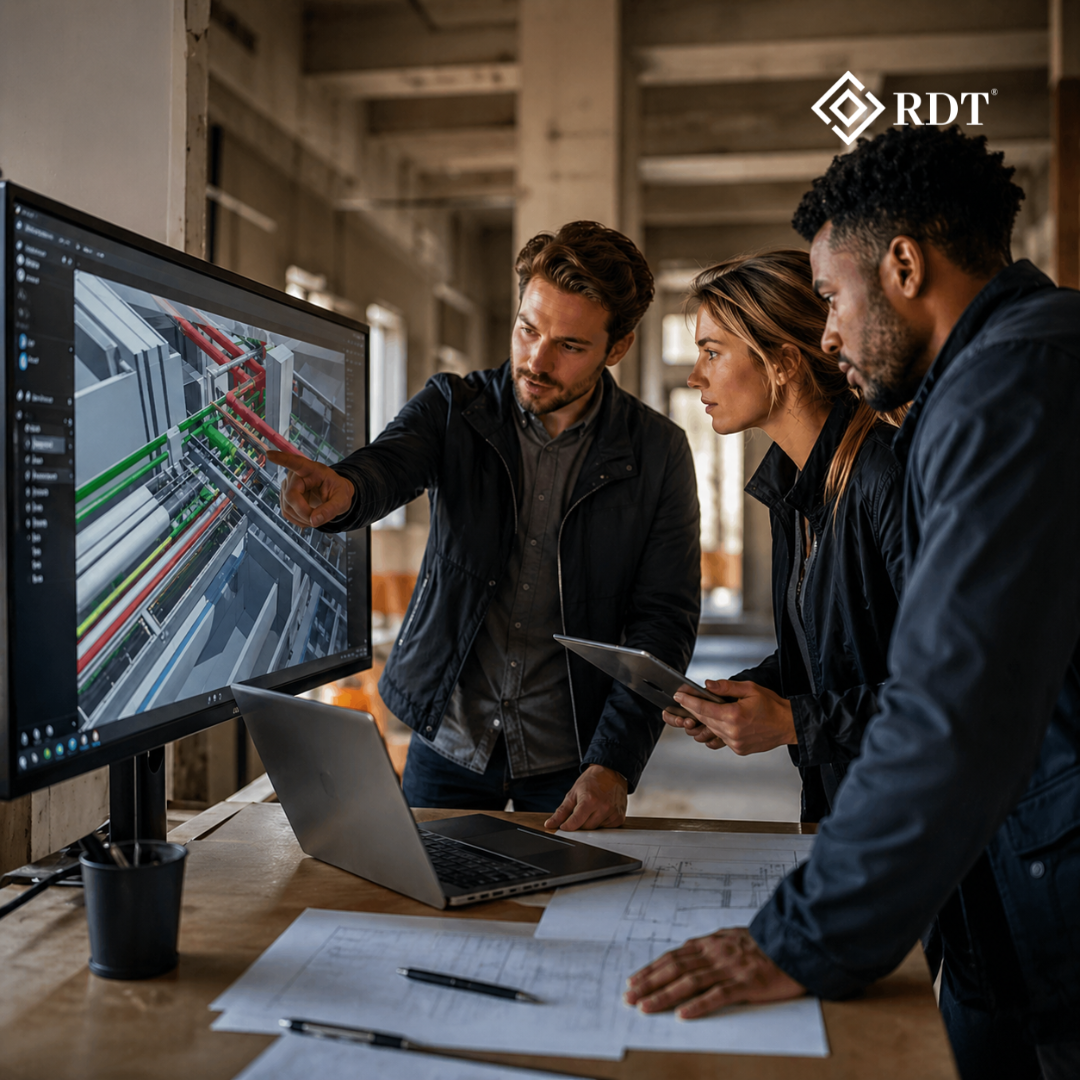

Step onto a construction site and the first thing you notice is the motion. People move, machines hum, and the project feels alive. But collaboration? That is not as obvious. You notice it in small ways: when an electrician calls the engineer to clarify conduit placement before a wall is closed. When a designer spots a detail early because the contractor raised a potential clash. When a foreman calmly points out a site concern without defensiveness. These are the moments that show real collaboration in action.
Most projects claim to collaborate, but the reality is different. Files are shared, models are uploaded, comments are logged. Activity happens, but that is not the same as alignment. I have seen weeks pass where teams worked diligently in their own silos, only to realize that what they thought was completely conflicted with another discipline’s work. Busy does not mean coordinated.
The word collaboration has been overused to the point that it loses meaning. Attending a meeting or using the same software does not automatically create collaboration. True collaboration is visible in behavior. It shows how people listen, how they respond when things go wrong, and how decisions are made with awareness of downstream effects. Collaboration is treating a project as a shared responsibility, not a set of isolated tasks.
Fragmentation remains common. Architects focus on design intent. Engineers focus on system performance. Contractors focus on sequencing and cost. Each group does their part well, yet when their efforts do not converge early, small misalignments turn into costly problems. A drawing may answer one question but raise three more. A model may resolve an issue but highlight another. Implicit assumptions go unchallenged until the site forces them into visibility.
Many construction challenges feel familiar because they are. Teams know these issues are avoidable. And yet, they persist—not due to lack of skill, but because collaboration was never embedded into how work progressed. Real collaboration begins earlier than most expect—before decisions are finalized, before positions harden. It involves inviting perspectives that may complicate the picture but ultimately improve the solution.
This does not mean everyone is involved in everything. That would be impractical. Collaboration is about timing and relevance. Engineers understand spatial priorities. Designers respect construction logic. Contractors and coordinators influence solutions before they are finalized in plans. The “when” matters more than the “who” or the “how many.”
Pressure is a subtle enemy. Deadlines loom, and teams retreat into their scopes. “I’ll do my part, someone else handles the rest” feels efficient. But this short-term efficiency usually leads to long-term cost. Misalignment creates rework, and rework consumes far more time than conversations skipped at the start.
Discomfort is part of collaboration. People must speak before they are fully certain, share half-formed ideas, and admit constraints. In hierarchical or punitive environments, people stay silent. By the time certainty arrives, options may no longer exist. Trust changes this dynamic. It allows teams to speak up, question assumptions, and challenge ideas safely. Accountability remains, but it becomes focused on solving problems rather than deflecting blame.
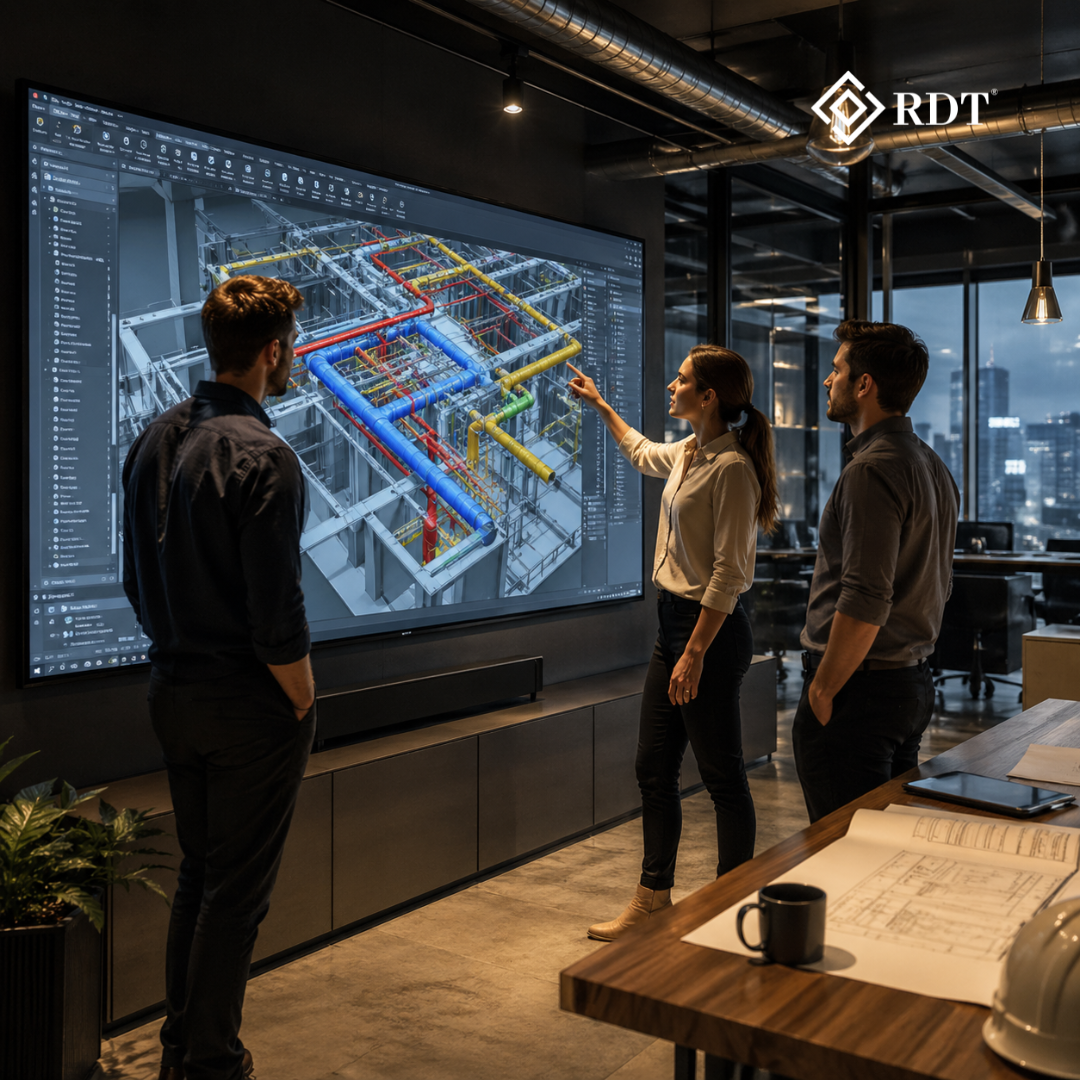
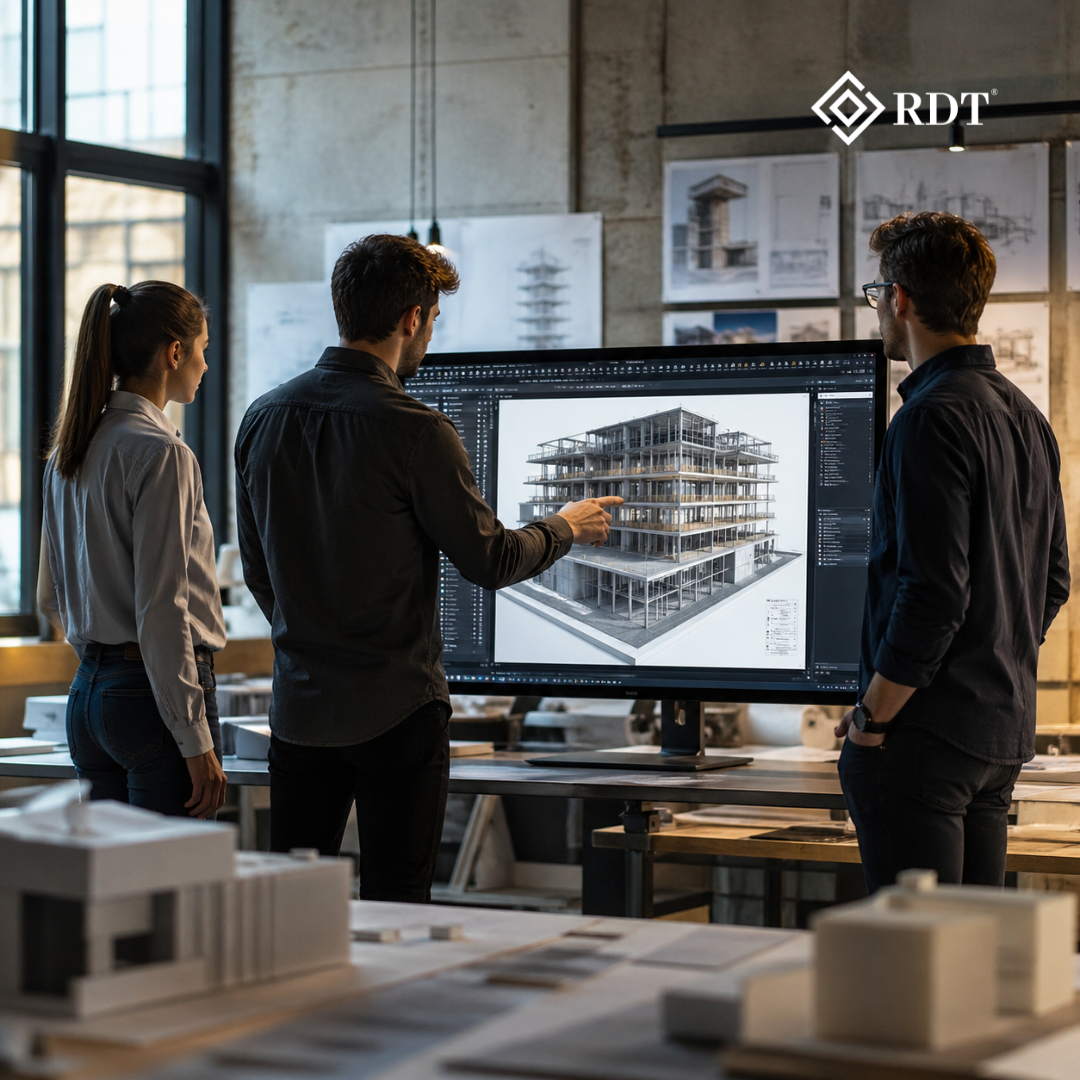
Technology makes sharing easier but does not create collaboration by itself. A model can be perfect, a file uploaded, yet if implications are not discussed, the tools are just artifacts. BIM demonstrates this clearly. I have seen teams produce highly detailed models while struggling to coordinate. Clashes are detected but unresolved. Meetings focus on lists rather than discussion. When BIM supports collaboration, the model becomes a shared workspace. Teams explore options, test sequences, and weigh consequences. The difference is immediate.
Leadership sets the tone more than any tool or process. Teams notice what is rewarded. Leaders who prioritize alignment, ask questions, and listen create an environment where collaboration thrives. Leaders who focus only on deliverables create pressure and disconnection. Strong leaders treat coordination as work, not overhead. They make room for discussion even under tight schedules.
Contracts and delivery frameworks matter but do not determine collaboration. Teams in rigid structures can work together effectively if trust and culture are strong. Teams in flexible models can fail if communication is weak. Culture consistently outweighs structure. Clear roles, defined responsibilities, and documented decisions provide stability. Without clarity, collaboration becomes chaotic. With clarity, it becomes confident.
Communication quality matters more than frequency. Endless meetings do not guarantee alignment. Clear conversations do. Collaborative teams focus on intent, context, and next steps. They ensure understanding, not just receipt of information.
As projects stretch across geographies, collaboration requires extra effort. Informal hallway conversations disappear. Time zones limit overlap. Written communication increases. Successful teams compensate by strengthening relationships, standardizing processes, and establishing routines that bridge distance.
Training is often overlooked. Many professionals are technically capable but have never been taught to collaborate across disciplines. Listening, facilitation, and negotiation skills develop slowly with experience. Firms that support these skills see consistent improvements across projects.
Collaboration is not easy. It exposes difference, demands compromise and requires patience when deadlines tempt shortcuts. Avoiding it carries a visible cost: rework, disputes, claims, and burnout.
When collaboration works, projects feel different. Problems surface earlier. Decisions feel grounded. Teams trust information. Construction flows more smoothly. Clients feel informed instead of anxious. People experience connection, not isolation. Success becomes shared.
At its core, collaboration in AEC is about recognizing interdependence. No discipline works alone. No drawing tells the full story. No model captures every reality. Better outcomes emerge when teams accept complexity and work together to manage it.
Collaboration does not happen because software enables it or because a process mandates it. It happens because teams choose transparency over protection and alignment over isolation.
In complex projects, collaboration is not optional. It is the condition that allows everything else to function. True collaboration is not added to the process—it is the process.
Build projects where collaboration is not an afterthought but the foundation—partner with RDT Technology to align people, processes, and BIM workflows for smarter, conflict-free project delivery.