
Understanding BIM in Everyday Language
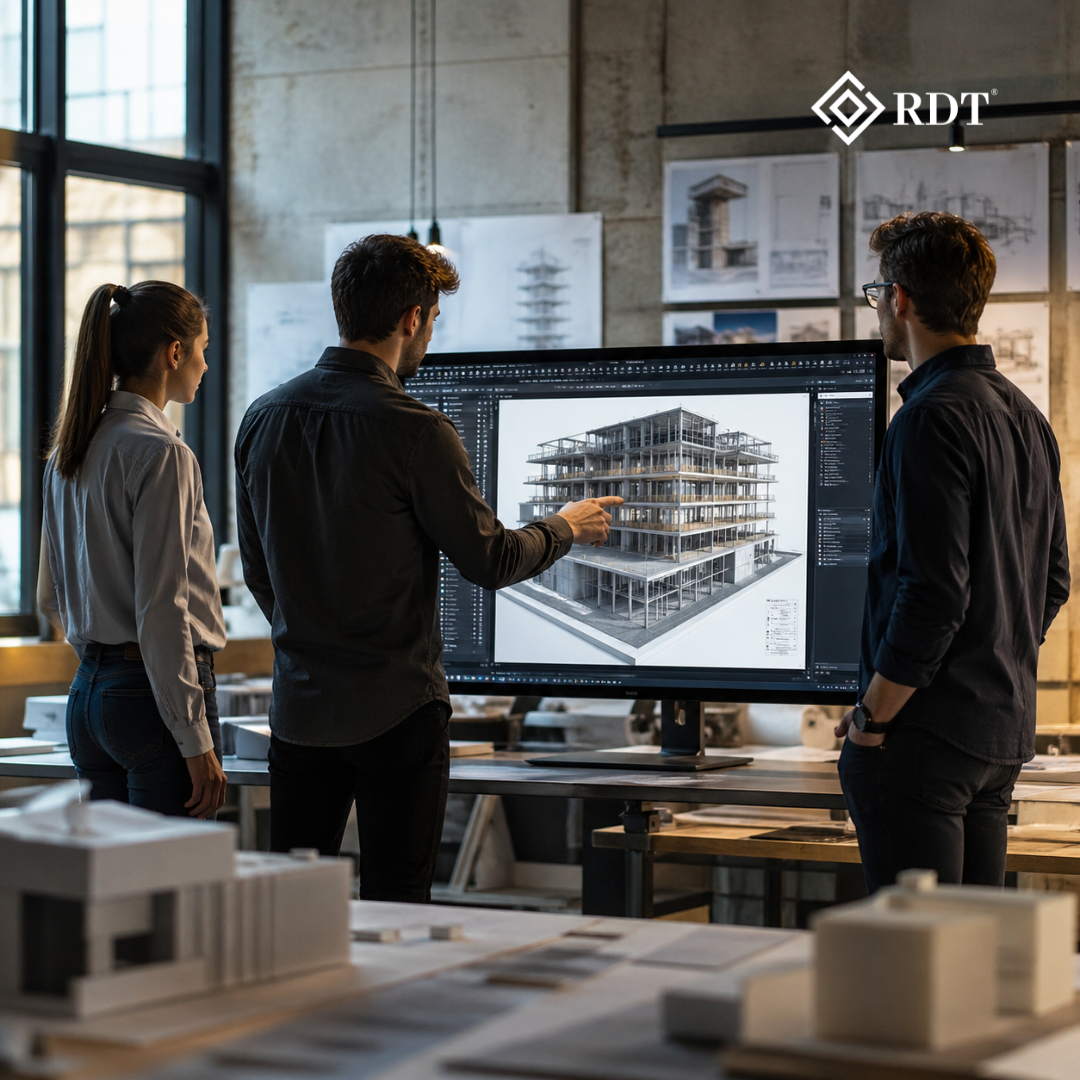
BIM, or building information modeling, is mistaken as merely an extra piece of software used by engineers & architects. But its actual significance is far more profound and extensive. Creating a digital twin of the actual structure that incorporates both design and useful information is the main objective of BIM, which goes beyond simply producing drawings or 3D pictures of a building. Consider BIM as a fully functional GPS system, although a typical blueprint is a flat paper map. Whereas a GPS provides real-time instructions, traffic updates, and even alternative route suggestions, a paper map merely displays roads. Similar to this, BIM integrates data, analysis, and graphics into a single intelligent model, doing far more than just displaying lines and sketches.
This model is a living, breathing edition of the project. It contains information like the substances being utilized, how plumbing & electrical systems are organized, how much sunlight will enter the rooms, and even how much energy the building will consume once it is in use. In easy language, Building Information Modeling is both a design tool as well as a decision-making tool. With it, project investors—either architects, contractors, or building managers—can view the building in advance and detect problems before they become expensive problems. For people beyond the construction field, imagine arranging a wedding or a big event. If you only note down the tasks on paper, you may forget details and face last-minute tension. But if you use an event supervision app that traces the guest list, catering, music, & budget in one place, everything runs more effortlessly. BIM does exactly that for buildings. Its primary goal is to make clever planning, minimize risk, and guarantee projects are accomplished effectively from starting to finish.
How Building Information Modeling (BIM) Enhances Collaboration Across Teams
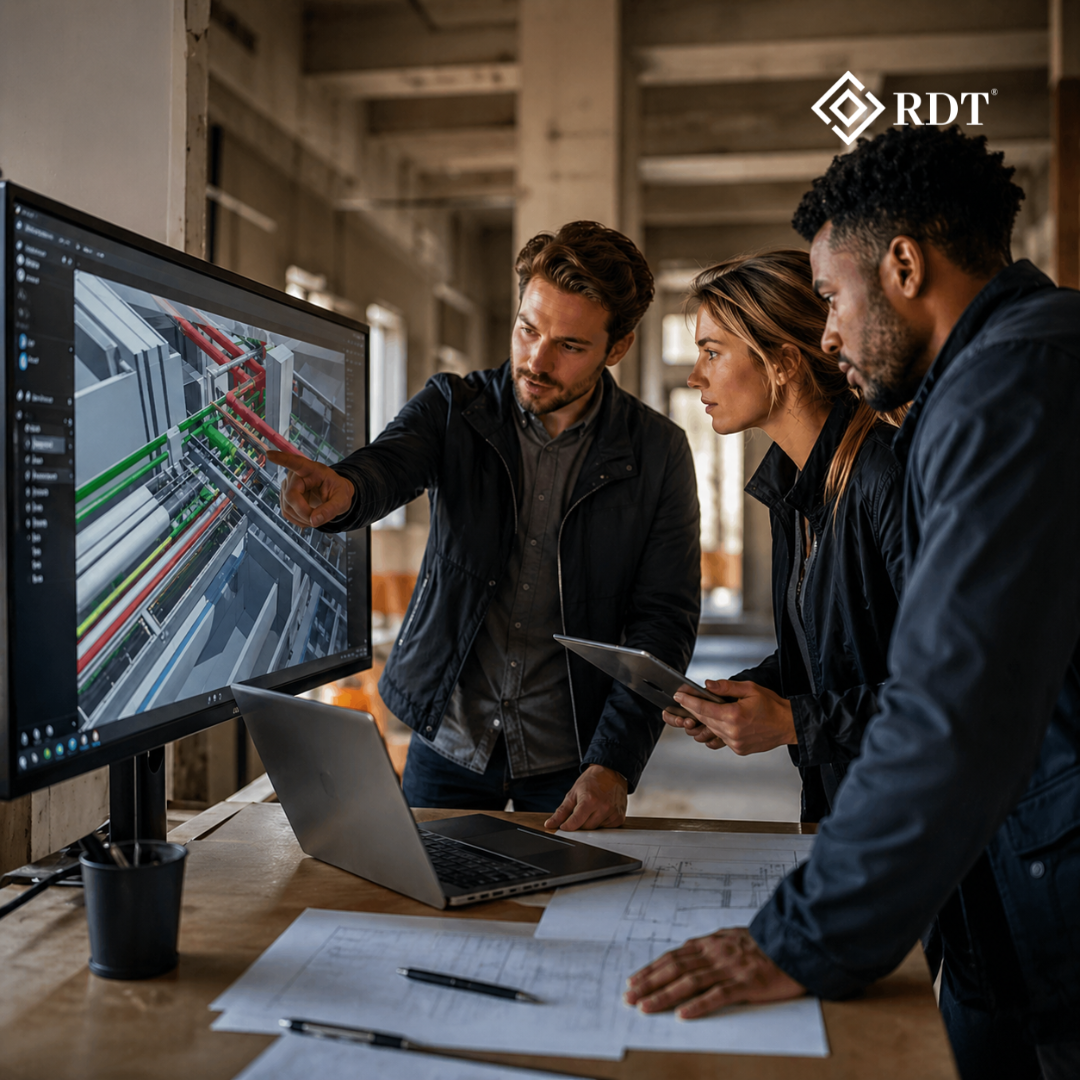
One of the main objectives of Building Information Modeling (BIM) is to bring together various people functioning on a project and assist them to collaborate better. Construction projects usually include architects, engineers, contractors, & clients. In traditional approaches, they each worked individually, which triggered confusion, postpones, & mistakes. BIM settles this trouble by making everyone work on the similar model. Here are some of the crucial ways BIM enhances teamwork:
- Single Source of Truth: Rather than using separate drawings, everybody works on one joint model.
- Immediate Updates: When an architect makes modifications, engineers & contractors see them instantly.
- Clash identification: The system highlights conflicts, like a pipe functioning through a beam, before construction.
- Quicker Permissions: Clients can look at realistic 3D models and validate decisions more rapidly.
- Remote Association: Cloud-based Building Information Modeling tools permit universal teams to work simultaneously smoothly.
- Transparency: Every investor can access authentic & present project details.
- Diminished Revision: Since mistakes are spotted in the initial stage, there is less requirement to redo work.
- Robust Trust: Collaboration builds trust between associates and with the client.
- Clear Responsibility: Assignments & roles are allotted within the model for responsibility.
- Version Control: Everybody knows which edition is the most advanced.
- Client Understanding: Even ordinary clients can visualize the results in 3D.
- Knowledge Sharing: Squads can add notes and share mastery directly in the model.
- Growth Tracking: Building Information modeling can be upgraded with real construction progress for precise monitoring.
- Lawful Clarity: The model offers a record of total design decisions.
In easy language, Building Information modeling (BIM) collaboration works like editing a shared Google document. Everybody can see the modifications immediately, no one works on old-fashioned editions, and the concluding outcome is precise & effective. That is why collaboration is one of BIM’s best powers.

Minimizing Mistakes & Saving Costs
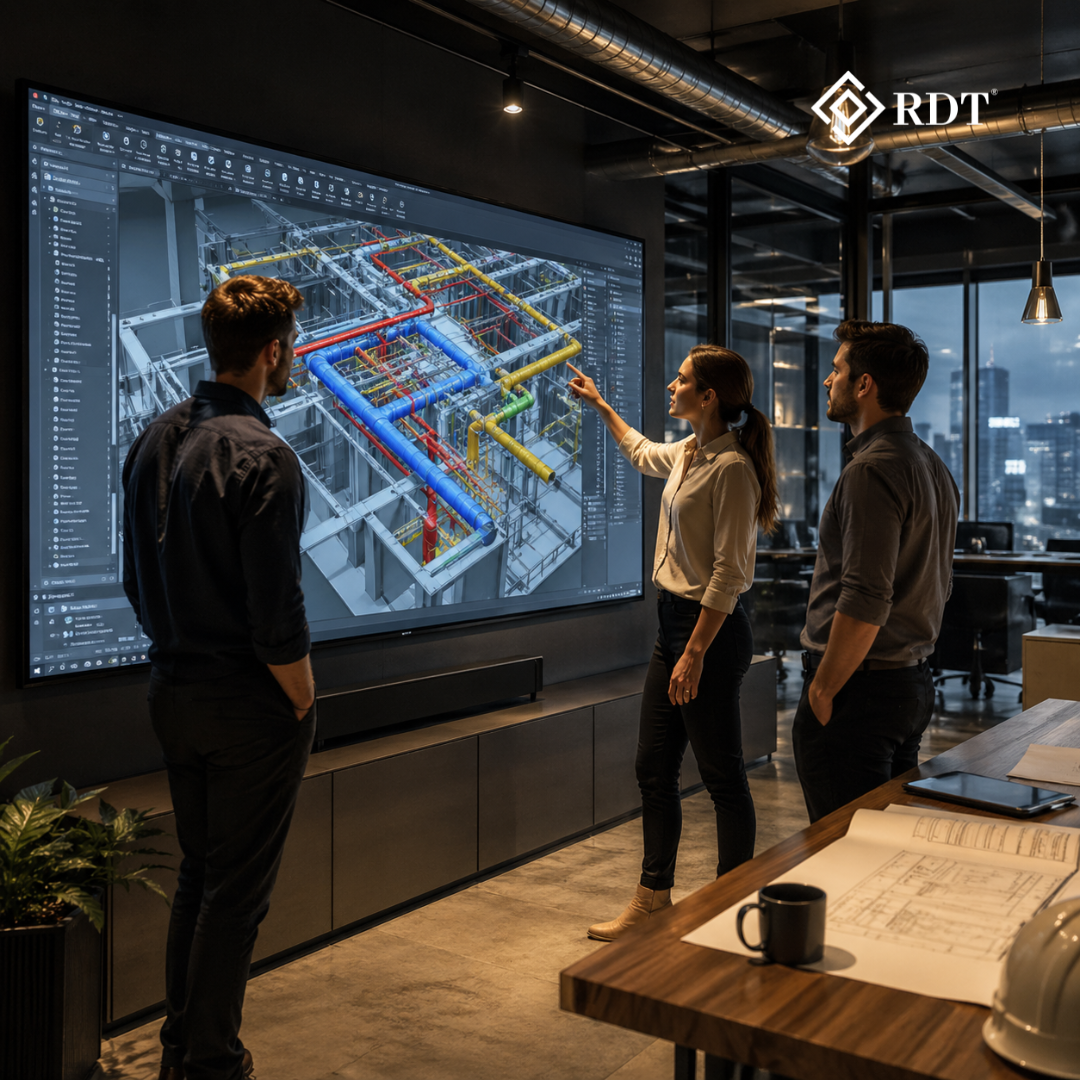
Construction projects are recognized for being costly, and one of the biggest problems is preventing errors that put fire in money & time. A small mistake in a drawing, like a misplaced column or faulty window size, may sound small, but repairing it in the course of construction can cost a huge amount of money and cause postponements. Building Information Modeling (BIM) addresses this issue by permitting teams to check and review a building digitally before construction starts. This means clashes, like a plumbing system crossing a ventilation duct, are detected in the model and rectified virtually—long before anyone begins physical work on-site.
One of BIM’s most mighty characteristics is conflict identification, where the software automatically points out clashes among various building systems. For example, if an electrical cable is covered with a water pipe, BIM underlines it immediately. Repairing that in the model costs nothing compared to redoing physical work. Another essential benefit is cost assessment. Since BIM includes accurate information on materials, labor, & timelines, it can generate authentic project budgets. This prohibits disagreeable financial surprises and makes preparation more trustworthy. BIM also saves time by enhancing effectiveness. When issues are solved virtually, work on-site goes effortlessly without postpones.
For those unknown with construction, think of Building Information Modeling (BIM) like following a tried-and-tested recipe during cooking. If you estimate the ingredients, you may end up purchasing excessive flour or forgetting the eggs, wasting money & time. But if you follow a thorough recipe, you use the appropriate amount of everything, prevent mistakes, & conclude quicker. BIM is that recipe for construction—it guarantees authenticity, prevents waste, & delivers expected outcome. This diminishes combined costs, enhances quality, and keeps both builders & clients happy.
Improving Building Performance & Sustainability
The primary objective of Building Information Modeling (BIM) expands beyond merely construction—it also guarantees buildings perform effectively & sustainably over their whole life. In today’s world, where energy savings and ecological design are crucial, BIM offers tools to simulate & refine performance. Here are the crucial advantages:
- Energy Examination: Forecast how much electricity the building will swallow.
- Daylight Studies: Displays how sunlight joins rooms in various seasons.
- HVAC Enhancement: Checks heating, cooling, & ventilation systems for effectiveness.
- Carbon Footprint Reduction: Assists design buildings with reduced discharges.
- Water Effectiveness: Schedules plumbing systems to diminish wastage.
- Material Choice: Monitors ecological & recyclable building substances.
- Lifecycle Details: Stores in-depth data regarding all systems for long-term upkeep.
- Operational costs: Evaluates costs over the building’s lifespan, not merely construction expenses.
- Green Certifications: Assists projects accomplish ratings such as LEED or BREEAM.
- Maintenance Planning: Signals facility owners when tools need servicing.
- Flexibility Planning: Designs buildings to resist excessive weather or natural disasters.
- Retrofit Assistance: Streamlines elevates ancient construction by offering authentic virtual information.
- Occupant Comfort: Checks acoustics, lighting, & temperature for superior living atmospheres.
- Smart Combination: Supports IoT sensors for real-time building performance tracking.
- Waste Reduction: Prohibits surplus substance utilization in the course of construction.
- Renewable Energy Planning: Estimates solar panels & other green technologies.
- Community Effect: Models shading, traffic, & ecological impacts on nearby regions.
To make it easier, Building Information Modeling (BIM) acts like a “medical record” for a building. Similar to how doctors track a patient’s history to offer the appropriate treatment, Building Information Modeling keeps a record of how the building was planned, what substances were utilized, and how its systems should be sustained. This guarantees long-term effectiveness & sustainability.

Shaping the Future of Construction with RDT Technology
The primary goal of Building Information Modeling (BIM) is not simply to enhance today’s construction projects but also to modify the future of the whole industry. Traditionally, construction depended strongly on paper drawings & manual procedures, which were prone to mistakes. Today, BIM offers an intelligent, virtual, & datacentric method that enhances preparation, implementation, & building administration. What makes BIM even more strong is how it links with advanced technologies. Drones can scan sites and feed real-world situations into the BIM model. Digital reality permits clients to “run through” the building before it is made. AI can examine details to recommend cost-cutting solutions or forecast risks. These advancements are modifying construction into a more advanced and effective field.
Governments all over the world now need Building Information Modeling (BIM) for huge public projects because it guarantees responsibility, quality, & sustainability. For private clients, BIM raises confidence by diminishing confusion and providing clear visualizations. Even small & medium-sized firms benefit from BIM because it assists them compete on a bigger scale with world-class accuracy. Just as smartphones modified communication forever, BIM is modifying construction which makes it smarter, greener, & more future-ready.
At RDT Technology (www.rdttech.co), we differentiate in assisting companies, architects, & builders unleash the full power of BIM. From making thorough models to running clash identification, cost assessment, & sustainability simulations, our mastery guarantees smoother, quicker, and more cost-efficient projects. Whether you are planning a residential project, a business complex, or a huge infrastructure development, RDT Technology offers the direction and tools to deliver success. Our mission is to wipe out mistakes, minimize waste, and assist clients build sustainable structures that last for generations. If you want your following project to be smarter, secure, and evolutionary, partner with RDT Technology today and experience how Building Information Modeling (BIM) can change the way you build.