Introduction
In today’s fast evolving building landscape, VDC and BIM Coordination in modern construction have become critical for delivering projects with precision and efficiency. Construction is no longer just about materials and manpower. It is about intelligent planning, seamless collaboration, and eliminating risks before they reach the site. As projects become more complex, traditional workflows struggle to keep pace. This is where the combined power of Virtual Design and Construction and Building Information Modeling steps in to redefine execution.
VDC connects people, processes, and technology into a unified system, while BIM provides a data rich 3D model that serves as the single source of truth. Together, they create a proactive approach that identifies issues early, aligns teams, and ensures smoother project delivery.
What Makes VDC and BIM Coordination So Effective
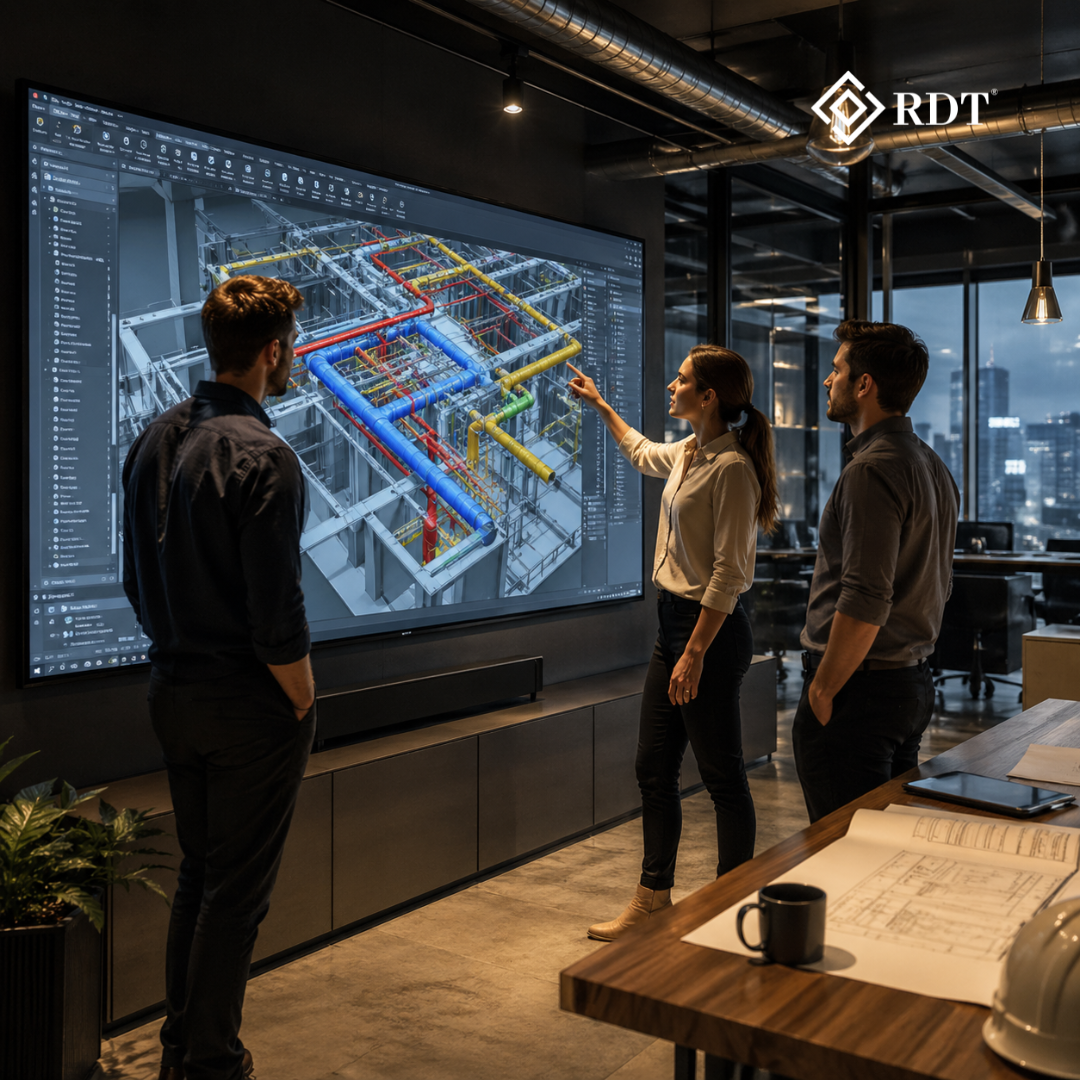
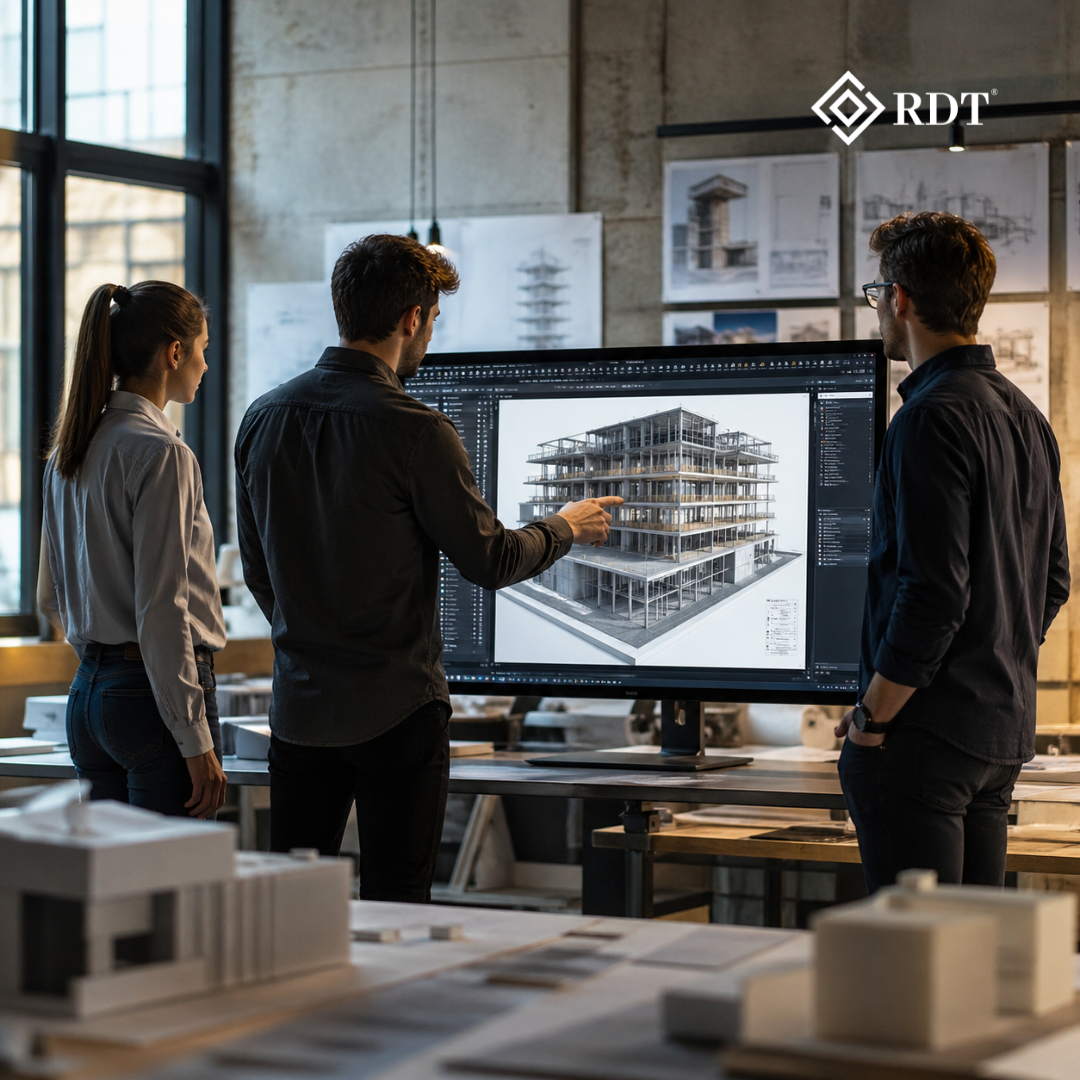
The real strength of VDC and BIM coordination lies in integration. Instead of separate teams working in isolation, all disciplines come together within a shared digital model. Architects, engineers, and contractors collaborate in a coordinated environment where every element is visible and interconnected.
This level of integration removes ambiguity and replaces it with clarity. Decisions are based on accurate data rather than assumptions, leading to better outcomes and fewer surprises during construction.
The Core Issue: Clashes That Disrupt Projects
Clashes are one of the most common and costly problems in construction. Mechanical systems overlapping structural elements. Electrical conduits interfering with plumbing layouts. These conflicts often go unnoticed in traditional 2D drawings.
On site, however, these issues create serious disruptions. Work gets delayed, teams are forced into rework, and project costs begin to rise. What appears as a minor design oversight quickly turns into a major execution challenge.
How VDC and BIM Coordination Eliminate Clashes
With VDC and BIM coordination, clashes are addressed before construction even begins. All building systems are integrated into a single model, allowing teams to identify conflicts in a virtual environment.
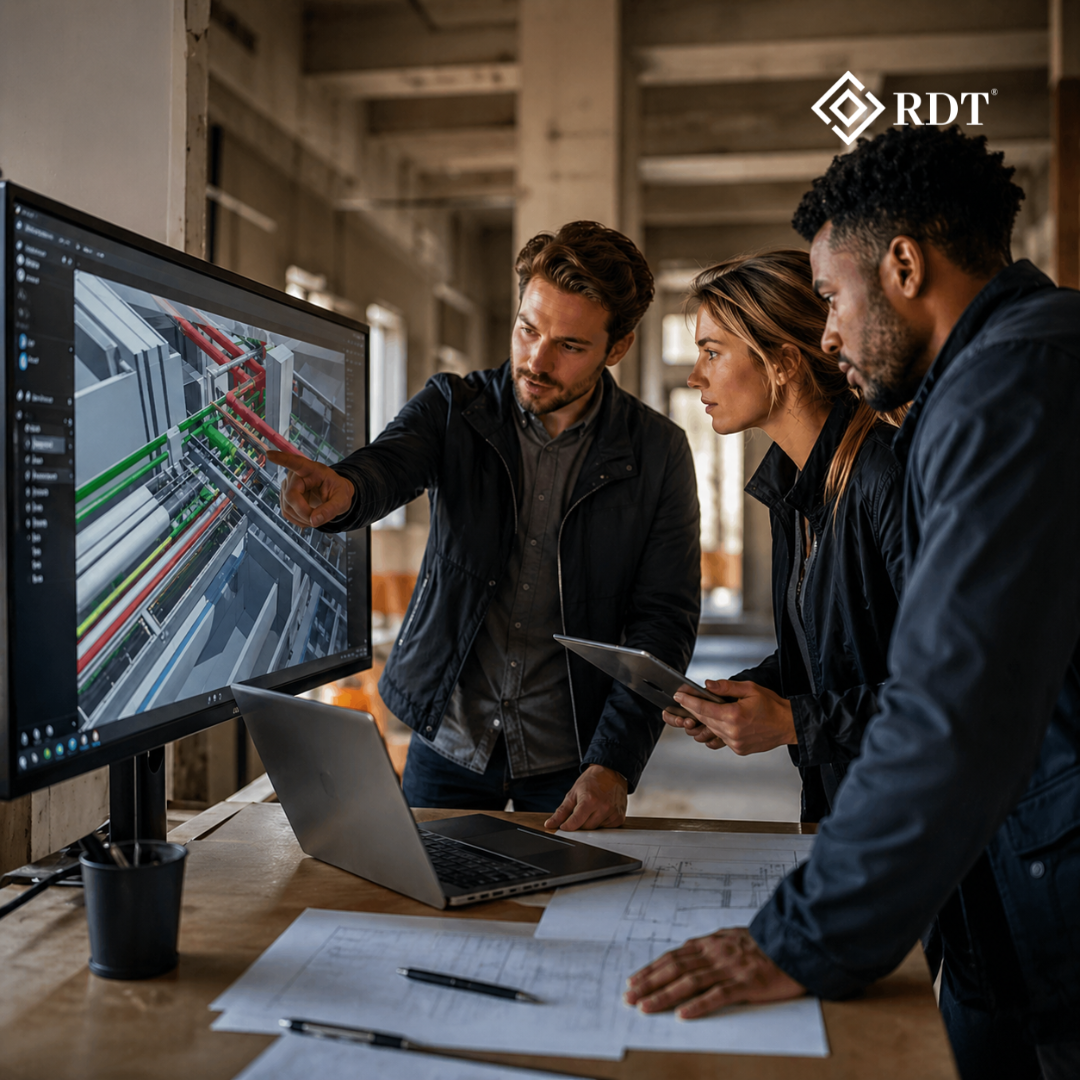
Clash detection processes highlight overlaps and inconsistencies between disciplines. Teams can then resolve these issues through coordinated discussions and model updates. By the time construction starts, most conflicts have already been eliminated.
This approach not only saves time but also ensures smoother execution on site.
Seamless Collaboration Across Teams
Construction projects involve multiple stakeholders working at the same time. Without proper coordination, miscommunication and outdated information can easily lead to confusion.
VDC platforms provide a centralized environment where all teams can access updated models and data in real time. This ensures that everyone is aligned and working towards the same objectives.
Improved collaboration leads to faster decision making and fewer misunderstandings, which ultimately enhances project efficiency.
Smarter Planning and Decision Making
With accurate digital models, teams can evaluate design options and construction strategies before implementation. This allows for better planning and more informed decision making.
Potential risks can be identified early, and alternative solutions can be tested without affecting the actual project. This proactive approach reduces uncertainty and increases confidence across all stages of construction.
Better Time Management
Project delays often occur due to unforeseen issues and poor coordination. VDC and BIM coordination bring structure and predictability to construction planning.
By simulating construction sequences, teams can identify potential bottlenecks and plan workflows more effectively. This results in improved scheduling and timely project completion.
Stronger Cost Control
Unplanned rework is one of the biggest contributors to budget overruns. When clashes are detected late, fixing them becomes expensive and time consuming.
By resolving conflicts in the design phase, VDC and BIM coordination significantly reduce the need for rework. Accurate quantity estimation and better planning also contribute to maintaining financial control.
Improved Quality and Precision
Coordinated models ensure that every component is placed accurately and aligned with the overall design. This reduces errors during installation and improves the quality of construction.
Projects executed with proper coordination are more consistent and meet client expectations more effectively.
Enhanced Safety on Site
Unresolved clashes and last minute changes can create unsafe working conditions. Workers are often forced to adapt quickly, increasing the risk of accidents.
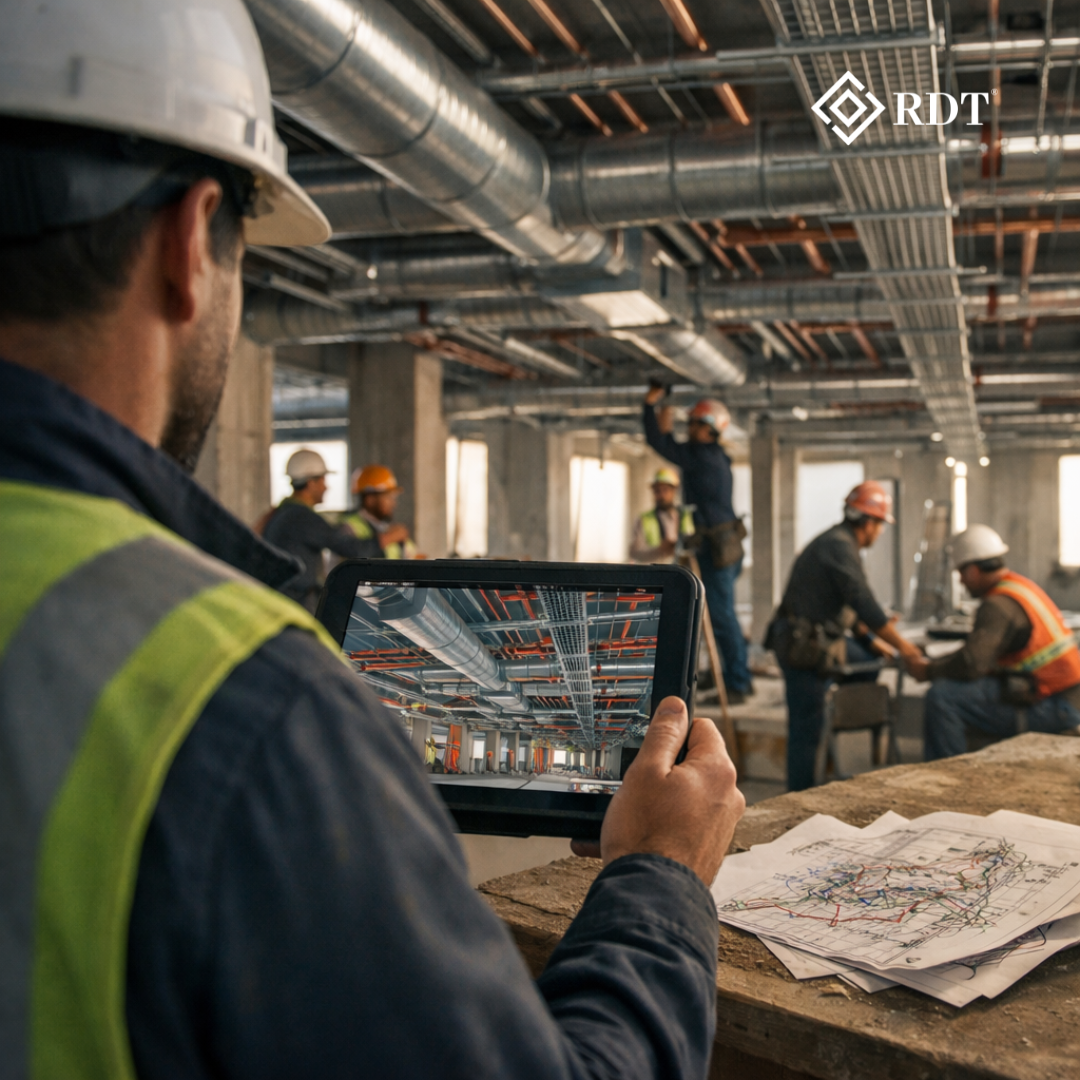
With VDC and BIM coordination, most uncertainties are resolved in advance. Clear planning and organized execution contribute to a safer work environment.
Scalability for Large and Complex Projects
Modern construction projects are becoming larger and more complex. Managing them with traditional methods is no longer efficient.
VDC and BIM coordination offer a scalable solution that can handle complex data, multiple disciplines, and large teams. This makes them essential for infrastructure projects and high rise developments.
Why the Industry Is Shifting Towards This Approach
The demand for faster, more efficient, and high quality construction is driving the adoption of VDC and BIM coordination. Clients expect transparency, accuracy, and timely delivery.
Companies that embrace this approach gain a competitive advantage by delivering better results with fewer errors. Those who rely on outdated methods risk falling behind in an increasingly competitive market.
Long Term Value Beyond Construction
The benefits of BIM extend beyond project completion. The data within the model can be used for facility management, maintenance, and future upgrades.
This adds long term value for building owners and ensures better lifecycle performance.
The Importance of the Right Execution Partner
While the technology is powerful, successful implementation requires expertise and consistency. Managing coordinated models, detecting clashes, and maintaining data accuracy demand a skilled approach.
Having a reliable backend support team ensures that coordination is handled efficiently, allowing core teams to focus on execution and strategy.
Conclusion
VDC and BIM coordination are transforming the construction industry by bringing clarity, efficiency, and control to complex projects. They eliminate clashes, improve collaboration, and enable smarter decision making.
In a landscape where precision is critical, this approach stands as the ultimate solution for modern construction challenges.
If you are ready to eliminate clashes, streamline coordination, and deliver projects with confidence, it is time to strengthen your execution strategy. Partner with RDT Technology for dependable VDC and BIM coordination support that keeps your projects on track, within budget, and built with precision.