Introduction
In today’s fast paced construction environment, VDC and BIM Coordination have become essential for delivering successful projects on time and within budget. The Architecture, Engineering, and Construction industry is under constant pressure to reduce errors, improve collaboration, and streamline workflows. Traditional construction methods often lead to costly clashes, design conflicts, and project delays. This is where VDC and BIM Coordination step in as game changing solutions.
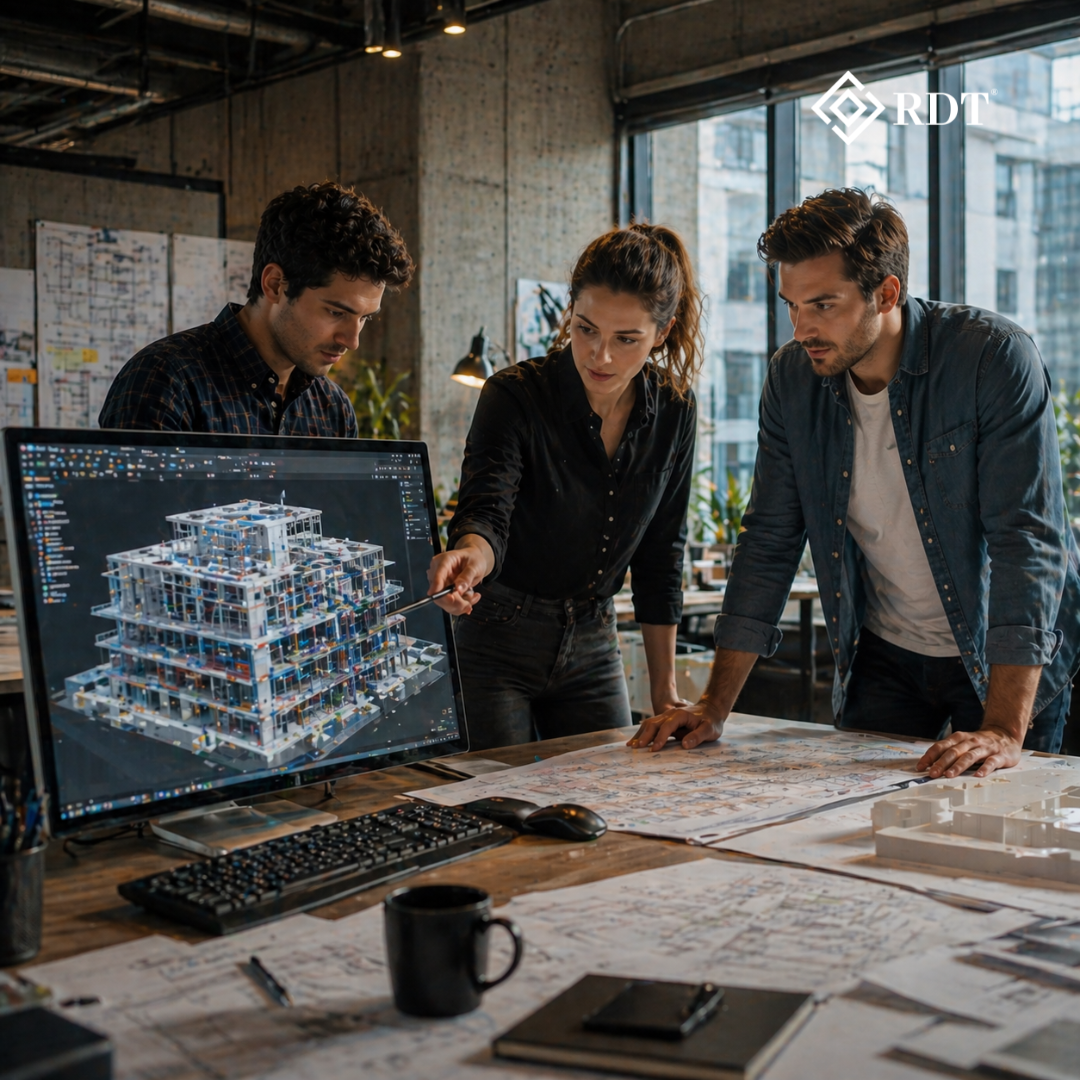
Virtual Design and Construction, commonly known as VDC, combined with Building Information Modeling coordination, creates a seamless digital workflow that helps stakeholders visualize, plan, and execute projects with precision. From design development to construction execution, these technologies ensure better communication and smarter decision making. As projects grow larger and more complex, firms that adopt these strategies gain a strong competitive advantage.
What Is VDC in Construction?
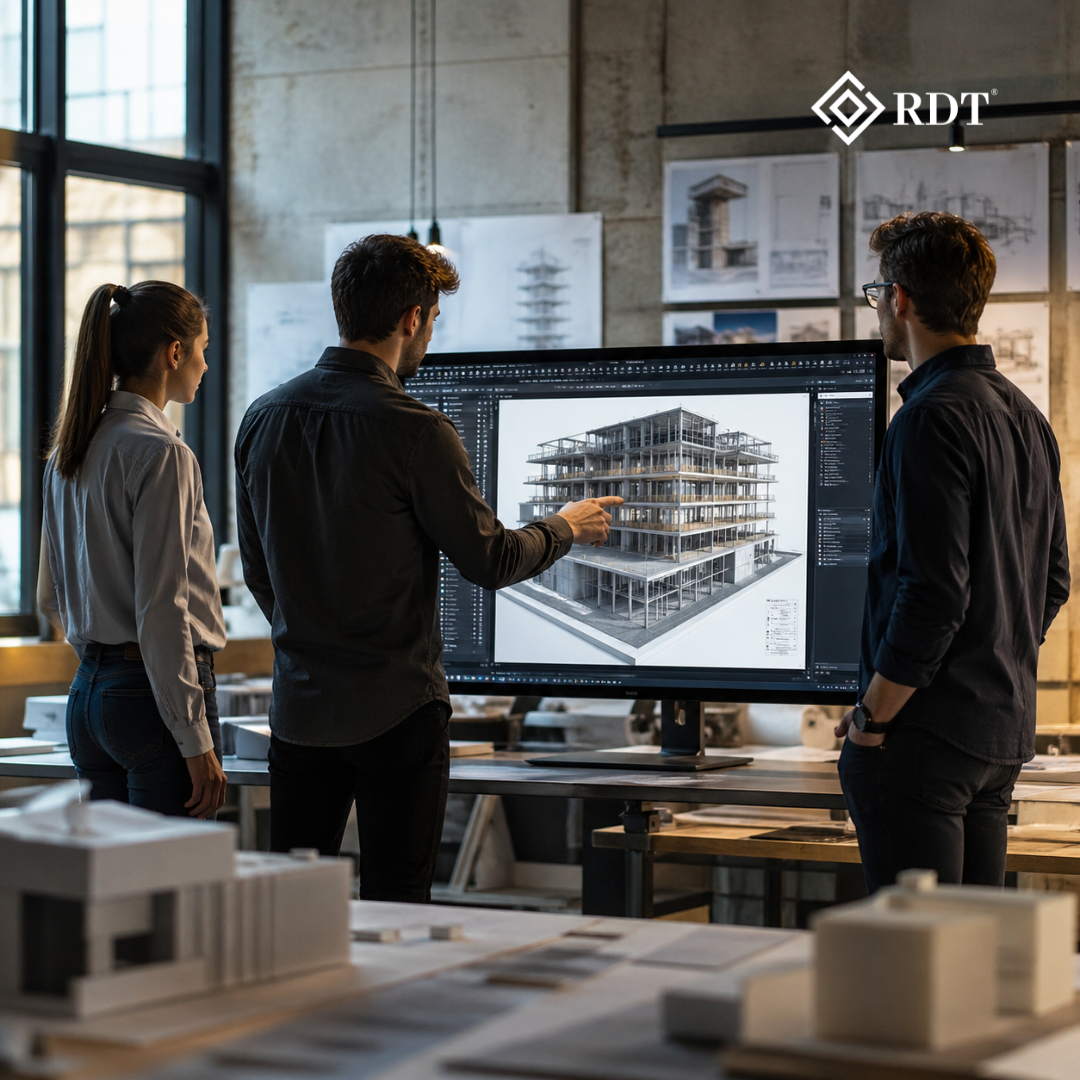
Virtual Design and Construction is a process that uses digital models and project data to simulate every phase of a construction project before physical work begins. It allows architects, engineers, contractors, and project managers to collaborate in a virtual environment and identify potential risks early.
VDC is more than just 3D modeling. It includes project scheduling, cost estimation, clash detection, logistics planning, and performance analysis. By creating a digital representation of the project, teams can improve decision making and minimize uncertainties.
In the AEC industry, VDC helps bridge the gap between design intent and construction reality. It ensures that every element of the project is aligned before resources are committed on site.
Understanding BIM Coordination
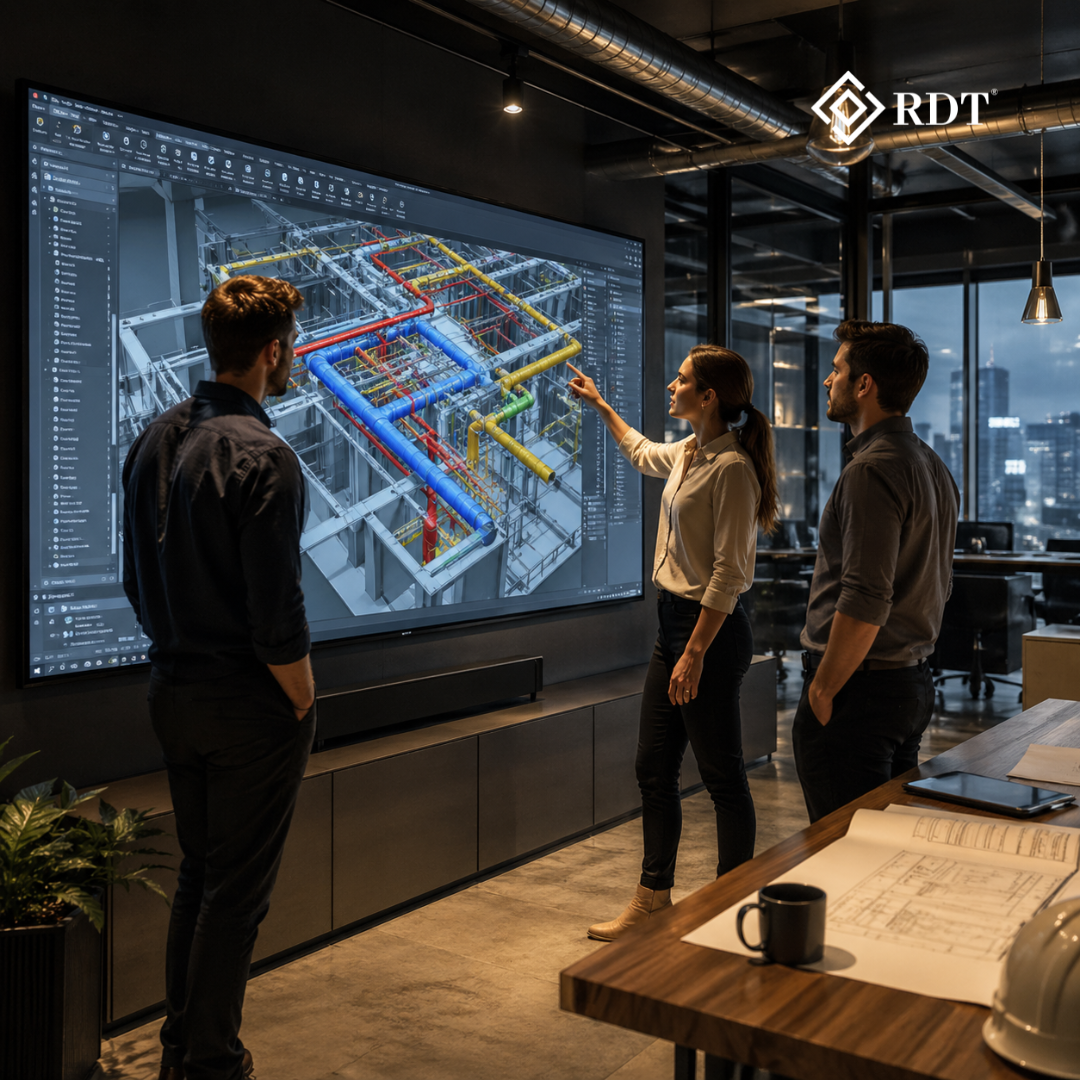
BIM Coordination is the process of integrating multiple discipline specific models into one coordinated model. These disciplines may include architecture, structural engineering, mechanical systems, electrical systems, plumbing, and fire protection.
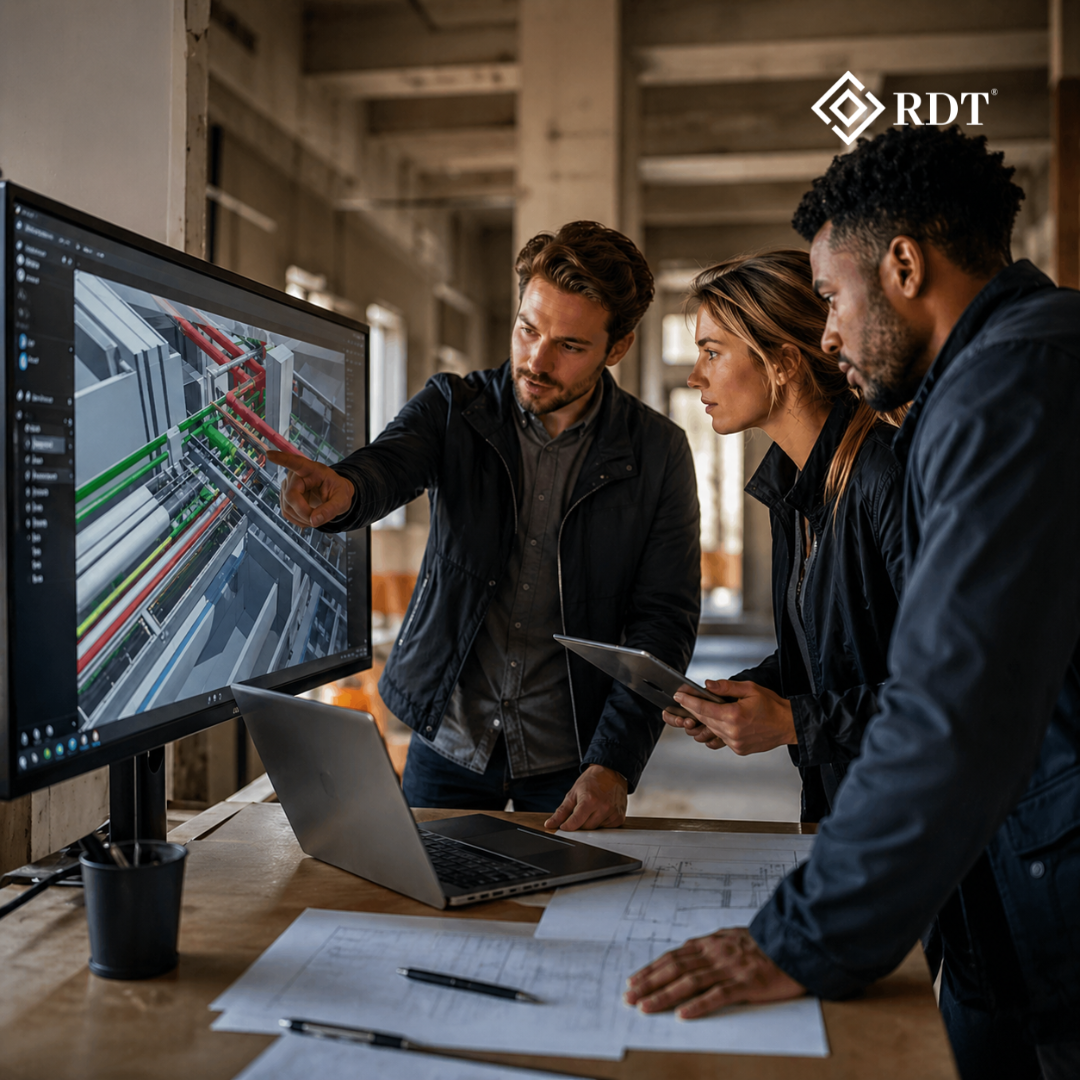
The goal of BIM Coordination is to identify clashes and inconsistencies before construction begins. For example, it can reveal if an HVAC duct conflicts with a structural beam or if plumbing lines intersect with electrical systems.
By resolving these issues in the design stage, teams can avoid expensive rework, delays, and disputes during construction. BIM Coordination improves project accuracy and ensures smooth installation on site.
How VDC and BIM Coordination Work Together
While BIM Coordination focuses on model integration and clash detection, VDC expands the process by incorporating planning, scheduling, and operational analysis. Together, they create a comprehensive project delivery system.
For example, a coordinated BIM model can be used in VDC workflows for 4D scheduling simulations. This helps teams visualize construction sequences and identify timeline conflicts. Similarly, 5D cost integration can provide real time budget analysis based on project changes.
The combination of VDC and BIM Coordination improves project transparency and creates a data driven environment where informed decisions can be made quickly.
Key Benefits of VDC and BIM Coordination
Reduced Construction Errors
One of the biggest advantages of VDC and BIM Coordination is the ability to detect clashes before construction starts. This reduces errors and prevents costly rework.
Improved Collaboration
All project stakeholders work within a shared digital environment. This improves communication and ensures everyone has access to the latest project information.
Faster Project Delivery
With better planning and clash free designs, construction teams can work more efficiently and meet deadlines with fewer disruptions.
Enhanced Cost Control
Accurate quantity takeoffs and real time cost analysis help project managers control budgets and avoid unexpected expenses.
Better Risk Management
Potential risks can be identified and addressed early through simulations and scenario analysis.
Higher Quality Outcomes
Coordinated models and streamlined workflows result in better construction quality and improved client satisfaction.
Applications of VDC and BIM Coordination in the AEC Industry
VDC and BIM Coordination are widely used across various sectors of the AEC industry.
In commercial construction, these processes help manage complex systems in office buildings, malls, and hotels.
In healthcare projects, BIM Coordination ensures proper placement of medical equipment, HVAC systems, and critical utilities.
In industrial facilities, VDC improves construction sequencing and operational planning.
In infrastructure projects such as bridges, tunnels, and airports, these technologies improve coordination among multiple teams and stakeholders.
No matter the project type, digital coordination improves efficiency and reduces project risks.
Challenges in Implementing VDC and BIM Coordination
Despite the benefits, implementing VDC and BIM Coordination can come with challenges.
Some firms struggle with resistance to change and lack of technical expertise. Training teams and adapting workflows require time and investment.
Data management can also become complex when handling large models and multiple stakeholders.
However, with the right implementation strategy and experienced professionals, these challenges can be overcome effectively.
The Future of VDC and BIM Coordination
The future of construction is becoming increasingly digital. Emerging technologies like artificial intelligence, digital twins, and cloud based collaboration are making VDC and BIM Coordination even more powerful.
Digital twins allow real time monitoring of building performance after construction. Cloud platforms enable remote collaboration and instant access to project data.
As the AEC industry continues to evolve, firms that embrace digital construction technologies will stay ahead of the competition.
Conclusion
VDC and BIM Coordination are transforming the AEC industry by improving collaboration, reducing errors, and increasing project efficiency. These technologies are no longer optional for firms handling complex construction projects. They have become critical tools for achieving precision and delivering successful outcomes.
As construction projects become more demanding, adopting VDC and BIM Coordination ensures smoother workflows, better cost management, and higher quality results. Businesses that invest in these advanced processes today are preparing for a smarter and more efficient future.
Looking to streamline your construction projects with advanced VDC and BIM Coordination solutions? RDT Technology delivers expert BIM and VDC services designed to improve collaboration, reduce risks, and ensure project success. Book a meeting with RDT Technology today and take your AEC projects to the next level.