
Introduction: Building Bright, Not Blasting Loud
As Diwali lights up roads and houses throughout the country, there’s a distinct energy in the air — celebration, thrill, and renewal. But when the skies blow up with fireworks, construction sites usually face a very distinct type of blast — the expensive, confused, and avoidable ones that arise from miscommunication, design conflicts, and material waste.
This Diwali, let’s make a change. Rather than illuminating the sky with pollution, let’s light up the construction industry with environmentally friendly Building Information Modeling (BIM) practices — approaches that hinder project “blasts” long before they happen.
Just as we have begun embracing ecological diyas and smokeless celebrations, the AEC (Architecture, Engineering, and Construction) sector can also embrace eco-friendly inventions. And that innovation is BIM — the digital basis for smarter, cleaner, and safer construction.
From Fireworks to Frameworks: An Eco-friendly Shift
Every year, Diwali reminds us of fresh beginnings — an opportunity to clear out the old and embrace growth. The construction industry, too, stands at a turning point. Conventional workflows, paper-based designs, and fragmented teams usually lead to unexpected “explosions” — expensive reworks, wasted materials, and security risks on-site.
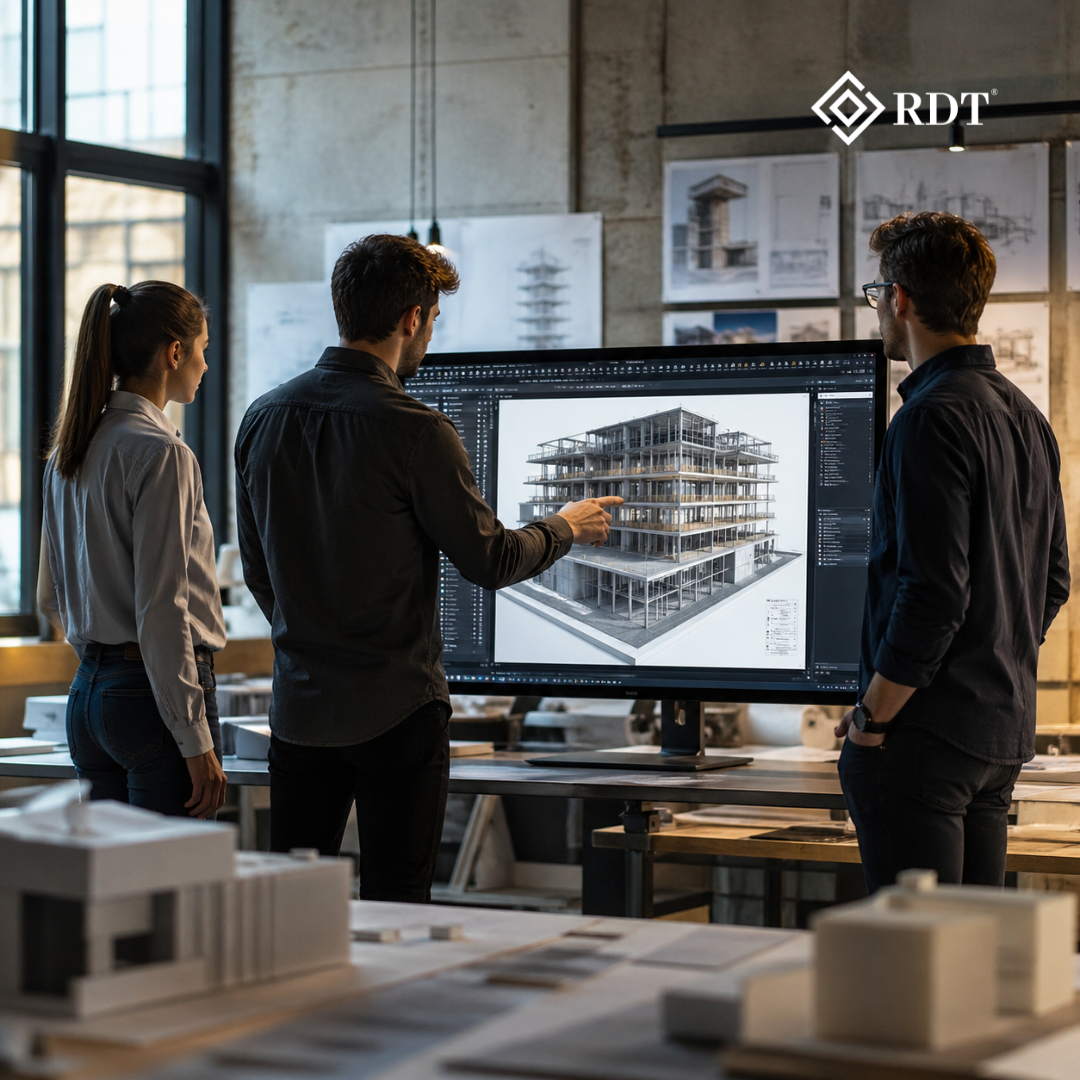
In contrast, BIM (Building Information Modeling) represents an environmental revolution. It’s not merely a 3D model; it’s a datacentric approach to designing, coordinating, and constructing buildings with accuracy and sustainability.
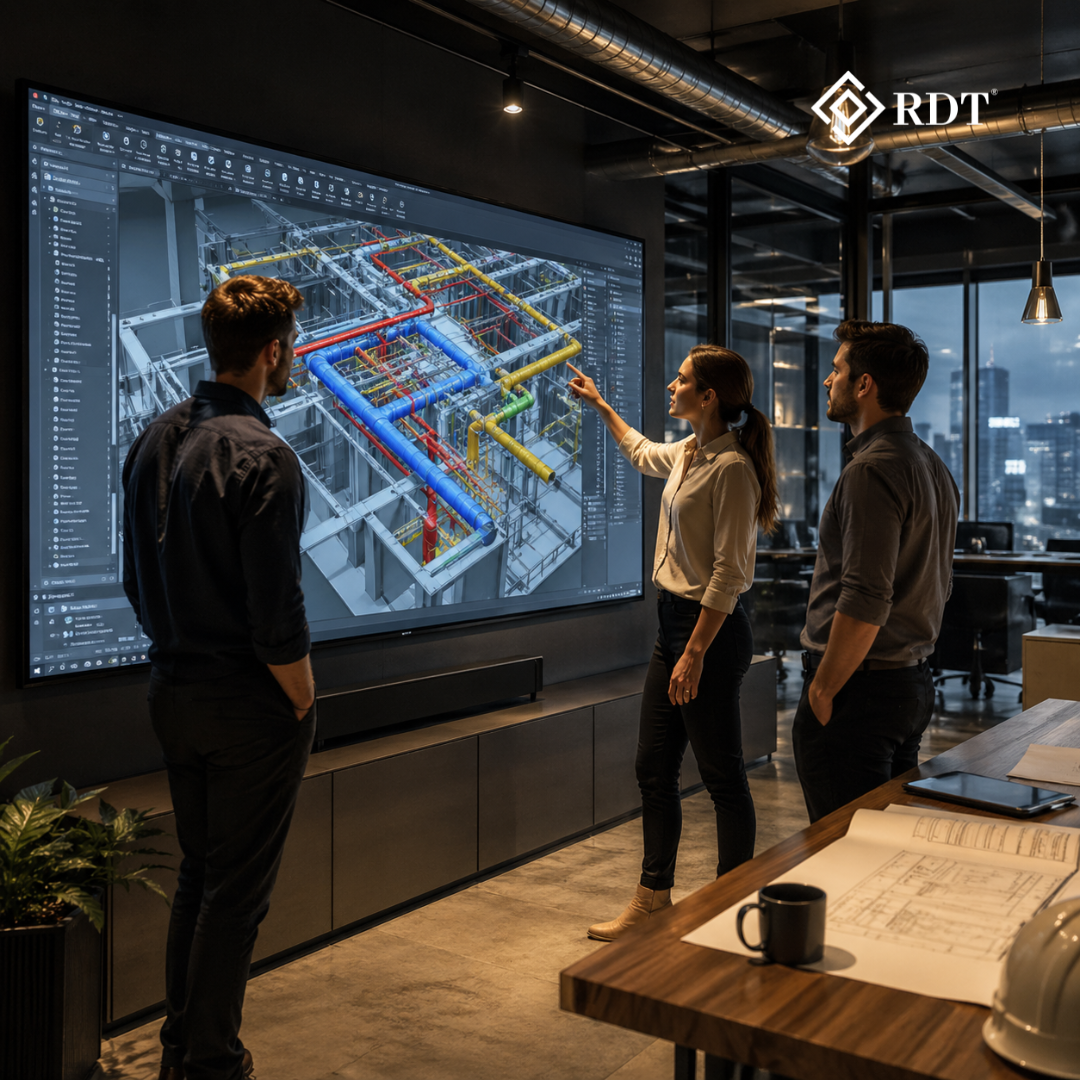
Think of BIM as your digital Diwali lamp — once you light it up, it shows each corner of your project certainly. No invisible conflicts, no last-minute changes, no extravagant mistakes.
By adopting environmentally friendly BIM workflows, project units can create buildings that are effective, ecologically conscious, and coordinated with universal sustainability objectives. This is not just about green buildings — it’s about green thinking.
The Construction Blasts We Need to Avoid
Before diving in depth, let’s detect the “bombs” that usually blow up on construction sites:
- Design Clashes: When architecture, structural, & MEP (Mechanical, Electrical, and Plumbing) components don’t coordinate, expensive reworks erupt.
- Substantial Waste: Lack of coordination results in over-ordering or under-utilizing materials, hurting both budgets as well as the planet.
- Time Postpones: Fumbled schedules and communication spaces ignite a chain reaction of missed deadlines.
- Security Risks: Imprecise site preparation can create on-site accidents — the most destructive “blast” of all.
Each of these blasts is avoidable. And the solution lies in BIM — a wiser, cleaner, and more synced approach to construction.
Environment-friendly BIM: The Green Light for Construction
Just as ecological Diwali concentrates on less smoke and more shimmer, environment-friendly BIM guarantees fewer conflicts, less waste, and more unity in the construction procedure.
Here’s how this digital approach acts as an eco-warrior for the built atmosphere:
1. Minimizing Waste Before It Happens
Conventional construction usually follows a “build first, fix later” mindset. BIM flips that method.
With thorough digital simulations, teams can imagine the whole project before a single brick is placed. Each pipe, beam, & wall can be planned accurately — preventing overuse of materials, decreasing off-cuts, and excluding guesswork.
This outcomes in projects that are both cost-effective as well as ecologically sustainable. In a nutshell, BIM substitutes dust with data.
2. Improving Energy Effectiveness
An environment-friendly building doesn’t only save electricity — it begins saving energy right from the design stage.
With BIM, teams can examine solar route, ventilation and insulation — maximizing energy performance before construction starts.
This active method means buildings ingest reduced energy and make smaller carbon footprints, imitating the energy of Diwali — bright but responsible.
3. Maximizing Resources and Time
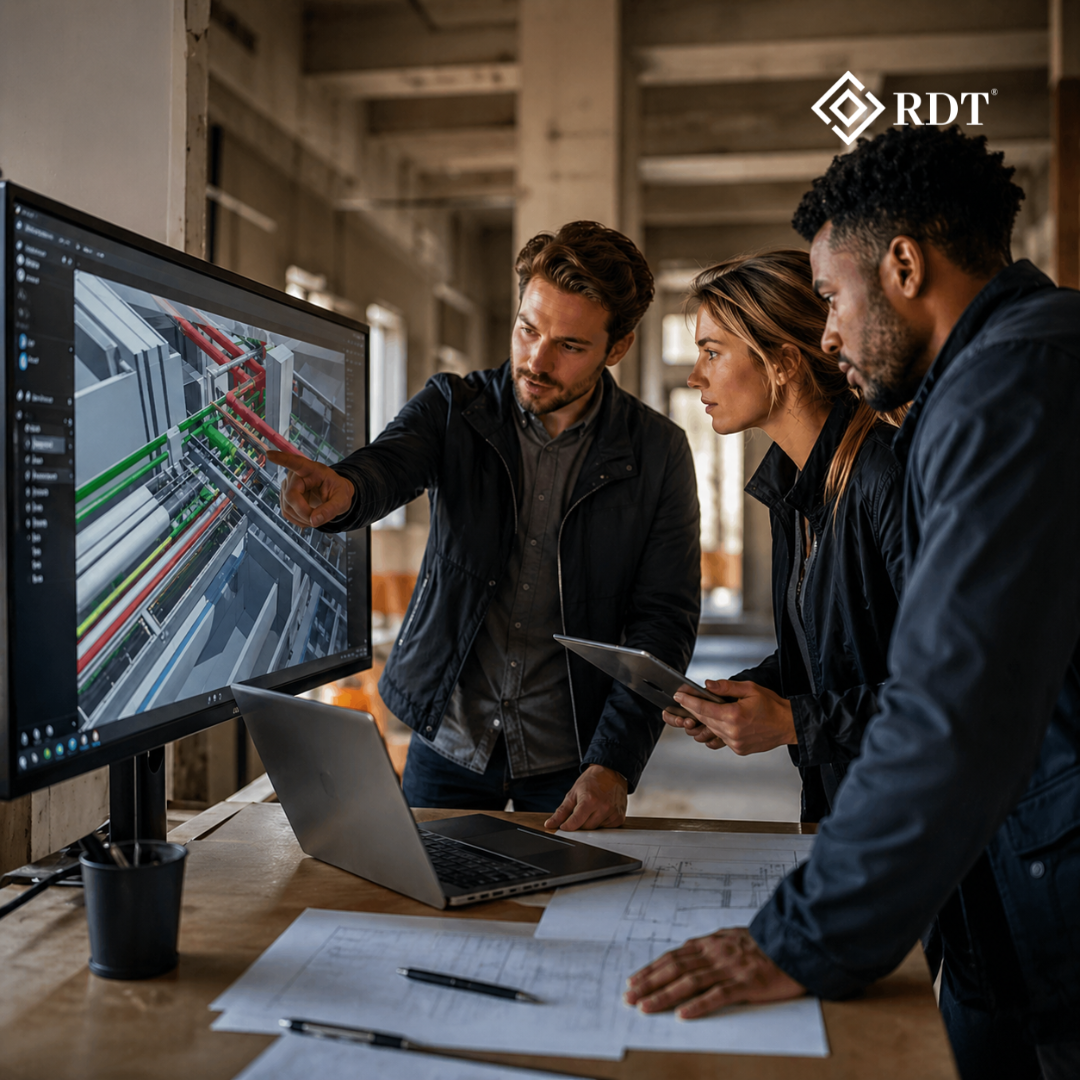
When several teams join forces on an individual, joint digital model, chaos evaporates.
BIM every stakeholder — architects, engineers, & contractors — to work in sync, using real-time data. This diminishes postpones, decreases site visits, and cuts fuel intake linked to transportation and machinery.
Ecological BIM is not just about eco-friendly buildings — it’s about sustainable procedures that respect time, energy, and the environment.
4. Guaranteeing Safer Construction Sites
A construction site should never resemble a firecracker zone. BIM assists make safer spaces by detecting risks throughout the planning phase.
It allows project owners to simulate construction sequences, assess dangers, and establish security protocols before breaking ground.
By forecasting possible conflicts and dangers virtually, teams can guarantee lesser physical “explosions” in real life — protecting workers, equipment, & communities.
The Ecological Ripple Impact of BIM
When BIM is utilized responsibly, its effect goes far out of the boundaries of an individual project. It helps sustainability at scale.
- Less Waste = Fewer Junkyards: Maximized substantial use prevents nonessential dumping.
- Precise Planning = Lower Carbon Discharges: Lesser reworks and decreased machinery use mean less fuel burned.
- Lifecycle Administration = Longer-Lasting Buildings: BIM assists in maintaining structures effectively during their life, diminishing repair-related waste.
Like lighting a diya that passes its shine to others, each environment-friendly BIM project contributes to a brighter, cleaner construction environment.
Digital Diwali: From Sparks to Clever Construction
This festive season, let’s visualize a diverse type of Diwali for the AEC industry:
- No smoky skies, only transparent 3D imaginations.
- No noisy explosions of chaos, only synced workflows.
- No leftover garbage, only datacentric accuracy.
That’s the Digital Diwali powered by environment-friendly BIM — a festival where technology contacts responsibility.
When you substitute firecrackers with prediction, each project becomes a celebration of sustainability and wise decision-making.
And much like Diwali’s message of triumph of light over darkness, BIM represents the success of transparency over confusion, collaboration over clash, and innovation over inertia.
The Environment-friendly BIM Mindset
Implementing environment-friendly BIM is not about buying costly tools or flashy technology. It’s about accepting the positive mindset:
- Think Digitally, Build Responsibly: Each eco-friendly project begins with a precise digital plan.
- Collaborate Early, Block Late Blasts: Teamwork at the design phase blocks site-level clashes later.
- Design for Durability: BIM assists plan for a building’s full lifespan — not merely its construction stage.
- Measure Effect, Not Only Growth: Each decision should balance effectiveness with ecological liability.
When this mentality becomes part of everyday construction culture, environment-friendly BIM changes from a digital choice to an ethical obligation.
Breaking Myths About Environment-friendly BIM
Some still think BIM is too complicated, too expensive, or too futuristic. But the truth is, it’s realistic, expandable, and approachable.
Here are some myths worth breaking this Diwali:
- Myth 1: BIM is just for huge projects.
Reality: BIM scales smoothly for small, medium, and huge projects alike — wherever precision and collaboration are required. - Myth 2: BIM is all regarding 3D modeling.
Reality: BIM goes beyond visuals. It combines scheduling, cost, sustainability, and facility administration details. - Myth 3: BIM is only a design tool.
Reality: It’s a full procedure of collaboration that proceeds across the project lifespan — from notion to maintenance. - Myth 4: Environment-friendly BIM raises project expenses.
Reality: It hinders rework, substantial waste, and postpones — saving money in the long term.
Just as an environmentally-friendly Diwali is not about spending more, but spending sensibly, BIM is about building modishly, not costly.
How Environmentally friendly BIM Forms the Future of Construction
The future of construction is not just digital — it’s eco-friendly.
As rules tighten and ecological awareness rises, environment-friendly BIM will be the basis for each responsible project.
Its effect will touch each phase:
- Design: With energy evaluation, daylight research, and substantial maximization.
- Construction: With conflict-free planning and waste diminution.
- Operations: With foretelling maintenance and effective resource administration.
In essence, BIM permits structures to be long lived, waste less, and perform better — creating an environment where growth doesn’t come at the planet’s expense.
A Brighter Tomorrow with RDT Technology
At RDT Technology, we think each project deserves to spark — not with firecrackers, but with prevision.
Our mission is to enable the construction industry to build accountably, collaborate effectively, and innovate ecologically.
We are not only talking about technology — we are talking about change.
By promoting environmental BIM adoption, RDT Technology assists teams in wiping out the “explosions” of inadequacy, miscommunication, and ecological overlook.
Because when design, details, and discipline coordinate, the outcome is not just a building — it’s a lighthouse of eco-friendly growth.
So, this Diwali, let’s silence the confusion and magnify the clarity. Let’s switch the bombs for balance, the noise for understanding, and the pollution for accuracy.
Conclusion: Celebrate Diwali with Data, Not Damage
Each spark you light this Diwali should draw your attention to what construction can be — dazzling, clean, and secure.
The real celebration is not in the blasts of the sky but in the inventions on the ground.
With environment-friendly BIM, each project can consider the energy of Diwali — illuminating growth while respecting the planet.
No wasted energy, no lost details, no loud errors — just alignment between design and sustainability.
As we enter into a new season of light, let’s pledge to build wiser, not louder. Let’s make your projects bright without smoke.
RDT Technology is here to assist you in building a brighter, greener tomorrow.