In construction, losses rarely arrive with a warning. They do not announce themselves in bold numbers on the first day of a project. Instead, they creep in quietly through small inefficiencies, unnoticed errors, miscommunication, and repeated work. This is what many industry professionals now recognize as the Silent Revenue Killer in Construction. It operates behind the scenes, slowly draining profits without drawing attention until the damage is already done. Over time, these small issues accumulate into a significant loss of revenue, productivity, and reputation.
Many construction firms struggle to identify the exact source of their declining margins. They blame rising material costs, labor shortages, or market competition. While those factors do play a role, they are not the true silent killer. The real problem lies deeper within project workflows, hidden in fragmented processes and outdated coordination methods.
This silent revenue killer is the lack of integrated project intelligence. And today, Building Information Modeling is rapidly eliminating it.
The Hidden Cost of Traditional Construction Processes
Traditional construction workflows rely heavily on 2D drawings, disconnected teams, and manual coordination. Each stakeholder works in isolation, interpreting plans independently. Architects, engineers, contractors, and subcontractors often operate with different versions of the same information.
This creates gaps. And those gaps cost money.
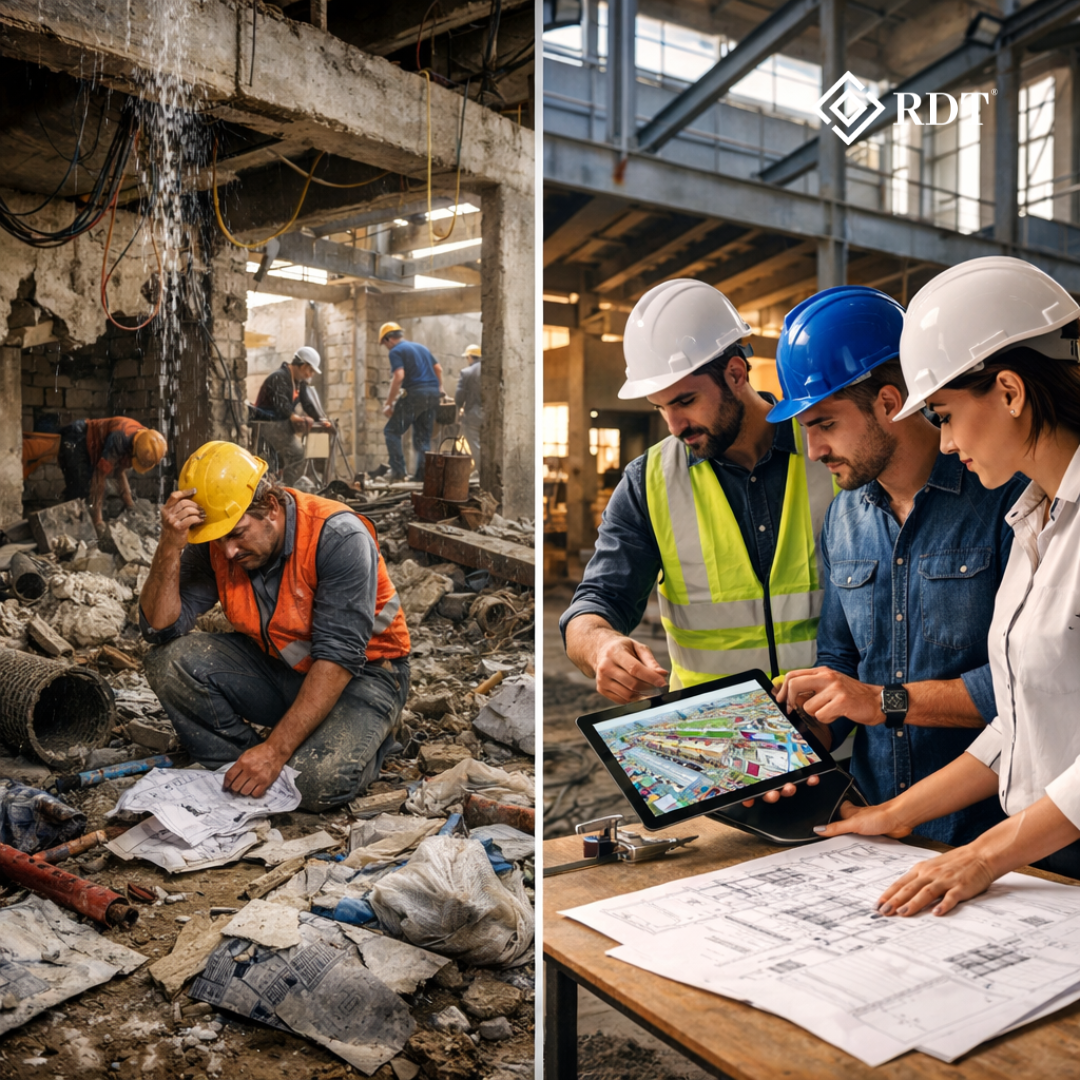
Errors in interpretation lead to clashes during construction. Design inconsistencies go unnoticed until execution begins. Teams spend valuable time resolving issues on site instead of preventing them beforehand. Every correction requires additional labor, materials, and time.
Rework becomes routine rather than exceptional.
According to industry observations, a significant percentage of construction costs is tied to rework alone. These are not planned expenses. They are avoidable losses. Yet they continue to occur because the system allows them to.
The result is a slow but steady erosion of profit margins.
Miscommunication: The Core of Revenue Loss
At the heart of most construction problems lies miscommunication. When information is passed through emails, static drawings, and verbal instructions, clarity is often compromised.
A simple misunderstanding in dimensions can lead to incorrect installations. A missed update in design can result in incompatible systems. A delayed approval can stall an entire workflow.
Each miscommunication triggers a chain reaction.
Delays lead to extended timelines. Extended timelines increase labor costs. Increased costs reduce profitability. And reduced profitability affects future growth.
This cycle repeats across projects, becoming normalized within organizations.
But it should not be.
The Illusion of Control
Many firms believe they have control over their projects because they follow established processes. They have checklists, approval systems, and experienced teams. On the surface, everything appears organized.
However, control without visibility is an illusion.
When project data is scattered across multiple platforms and formats, decision makers lack real time insight. They react to problems instead of anticipating them. By the time an issue is discovered, the cost of fixing it has already increased.
This reactive approach is where revenue quietly disappears.
Enter BIM: A Shift from Reactive to Proactive
Building Information Modeling changes the way construction projects are planned, executed, and managed. It replaces fragmented workflows with a centralized digital environment where all project data is integrated and accessible.
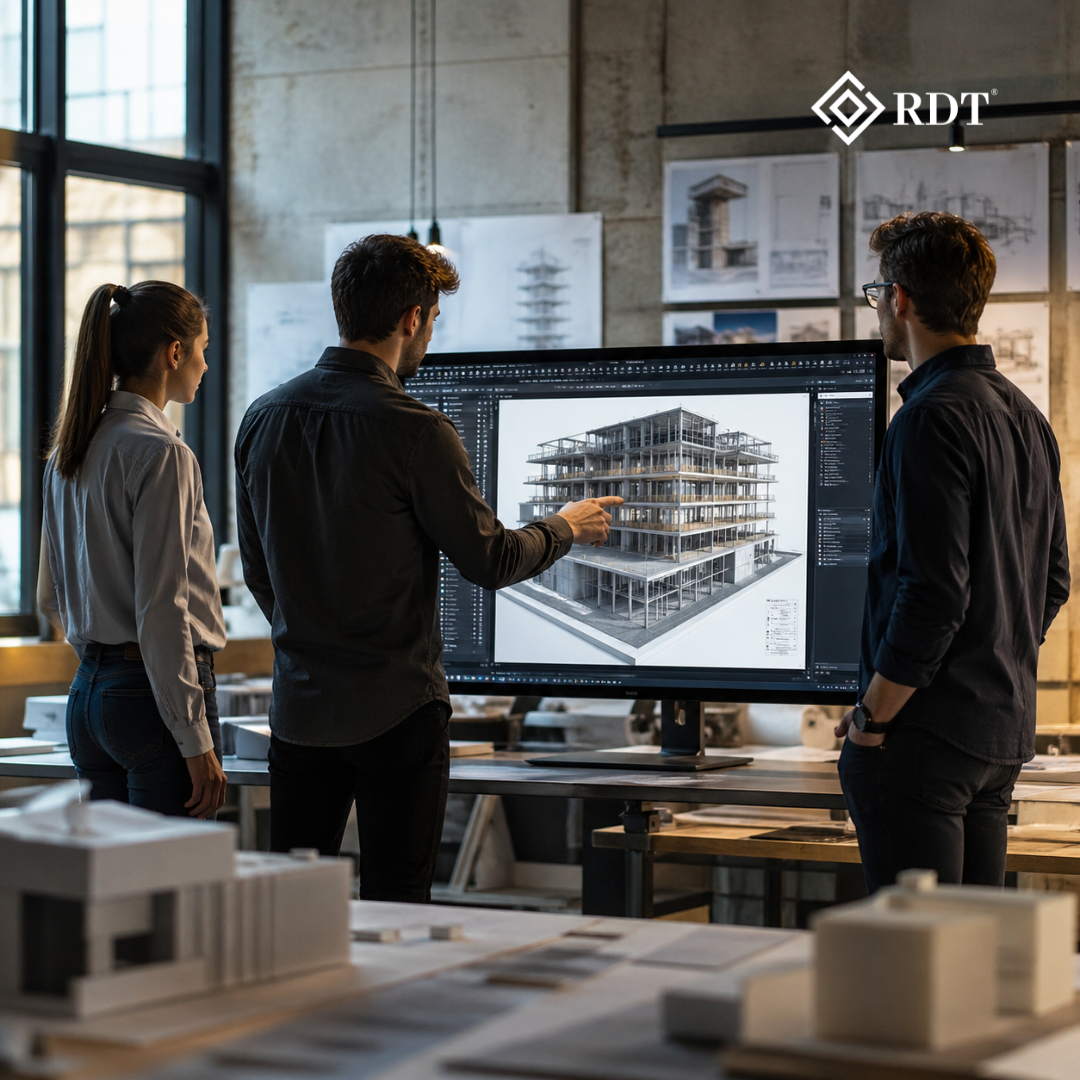
Instead of working with isolated drawings, teams collaborate on a unified model that represents every aspect of the project. Architecture, structure, and services are coordinated within a single intelligent system.
This shift transforms the entire construction process.
Problems are identified before they reach the site. Conflicts between systems are resolved during the design phase. Changes are updated in real time and visible to all stakeholders.
The result is clarity, consistency, and control.
Clash Detection: Eliminating Costly Surprises
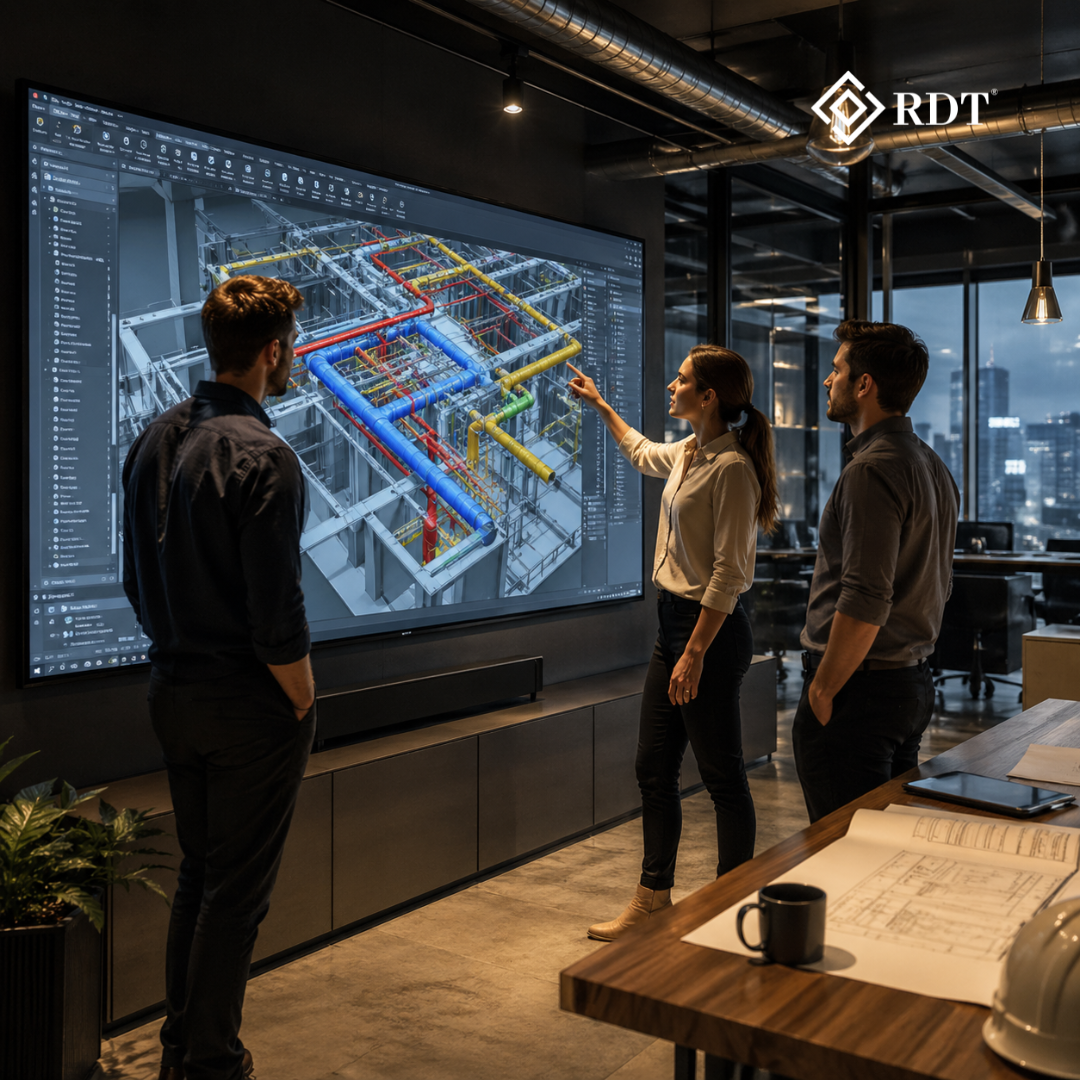
One of the most powerful capabilities of BIM is clash detection. It identifies conflicts between different building systems before construction begins.
For example, a duct passing through a beam or a pipe interfering with electrical conduits can be detected instantly within the model. These issues, if left unresolved, would cause delays and rework on site.
By resolving them in the virtual environment, companies save time, labor, and materials.
More importantly, they protect their profit margins.
Accurate Quantification and Cost Control
Another major source of revenue loss is inaccurate estimation. Traditional methods often rely on manual quantity takeoffs, which are prone to errors.
BIM automates this process.
Quantities are directly extracted from the model, ensuring accuracy and consistency. Any design change automatically updates the quantities, allowing teams to maintain control over budgets.
This level of precision reduces the risk of cost overruns and improves financial planning.
It also enables better decision making. Companies can evaluate different design options based on cost implications before committing to execution.
Improved Collaboration Across Teams
Construction projects involve multiple stakeholders, each with their own responsibilities and perspectives. Without proper coordination, their efforts can become misaligned.
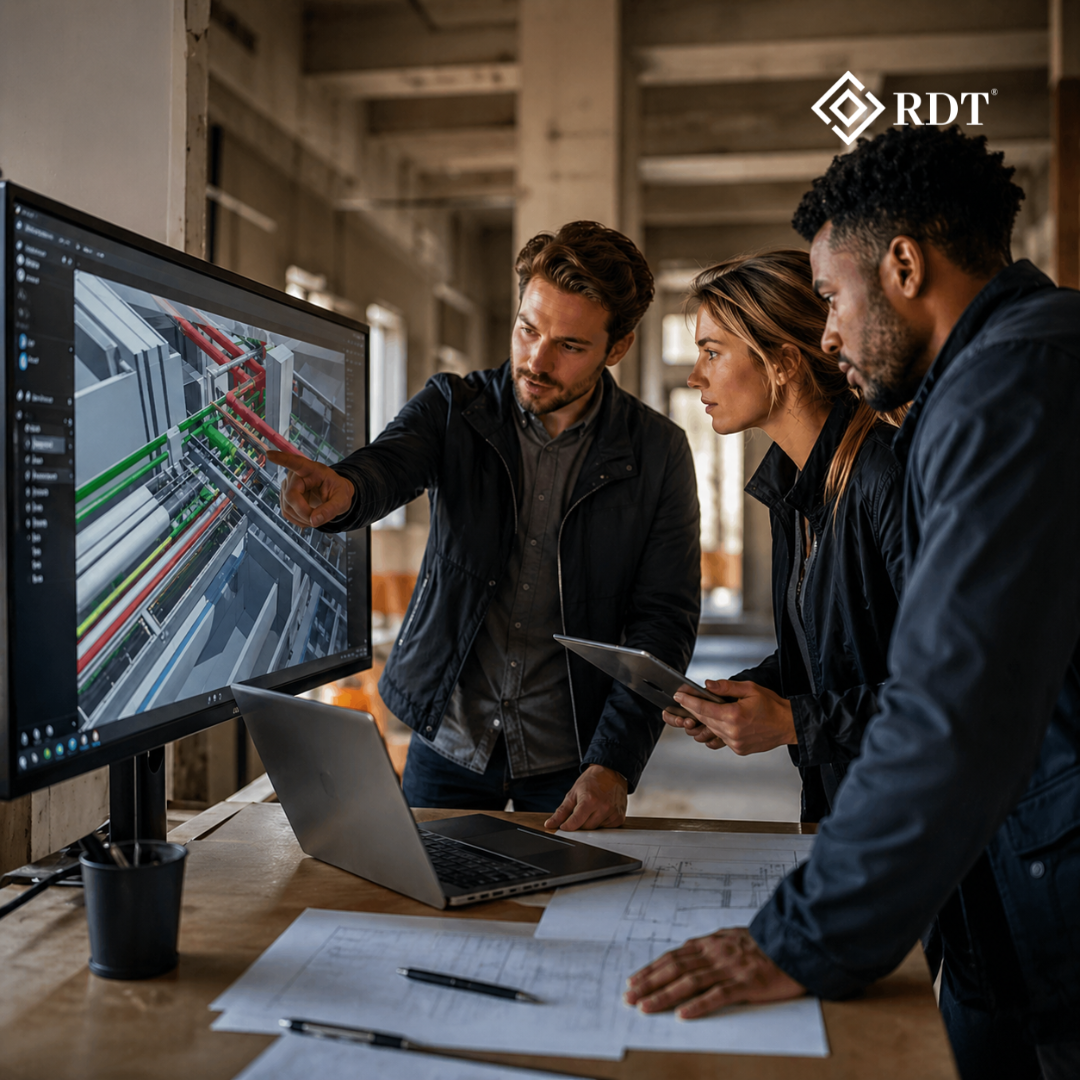
BIM creates a collaborative environment where everyone works with the same information.
Architects, engineers, contractors, and clients can access the model and understand the project in a clear and visual way. This reduces ambiguity and ensures that everyone is on the same page.
Communication becomes more efficient. Decisions are made faster. And the likelihood of errors decreases significantly.
Time Savings That Translate to Profit
Time is one of the most valuable resources in construction. Delays not only increase costs but also affect client satisfaction and future opportunities.
BIM accelerates project timelines by streamlining workflows and reducing the need for rework.
With better planning and coordination, construction activities can be scheduled more effectively. Potential bottlenecks are identified early, allowing teams to take preventive action.
Faster project completion means quicker revenue realization.
And in a competitive market, that advantage is critical.
Enhancing Client Confidence
Clients today expect more transparency and reliability from construction firms. They want to see progress, understand costs, and trust that their project is in capable hands.
BIM provides that assurance.
Through detailed models and visualizations, clients can see exactly what is being built. They can review designs, suggest changes, and make informed decisions.
This level of engagement builds trust.
And trust leads to repeat business, referrals, and long term growth.
The Competitive Edge
The construction industry is evolving rapidly. Companies that continue to rely on outdated methods are finding it increasingly difficult to compete.
BIM is no longer a luxury. It is becoming a necessity.
Firms that adopt BIM gain a significant competitive advantage. They deliver projects more efficiently, reduce costs, and maintain higher quality standards.
They also position themselves as forward thinking and reliable partners.
On the other hand, companies that resist this shift risk falling behind.
Breaking the Cycle of Revenue Loss
The silent revenue killer in construction is not a single issue. It is a combination of inefficiencies that go unnoticed until they impact the bottom line.
BIM addresses these inefficiencies at their core.
It replaces guesswork with data. It transforms communication into collaboration. It shifts the focus from problem solving to problem prevention.
By doing so, it stops revenue loss before it begins.
Real Impact, Not Just Theory
The benefits of BIM are not theoretical. They are being realized by companies around the world.
Projects are being completed faster. Costs are being controlled more effectively. Errors are being reduced significantly.
These improvements are not incremental. They are transformational.
And they are redefining what success looks like in construction.
The Future Is Already Here
The adoption of BIM is accelerating across the industry. Governments, developers, and contractors are recognizing its value and making it a standard requirement.
This is not a trend that will fade.
It is the future of construction.
Companies that embrace BIM today are not just solving current challenges. They are preparing for a more competitive and demanding market.
They are building a foundation for sustainable growth.
Final Thoughts
Revenue loss in construction does not always come from major setbacks. More often, it is the result of small inefficiencies that accumulate over time.
These inefficiencies thrive in environments where information is fragmented, communication is unclear, and processes are reactive.
BIM changes that environment.
It brings clarity, coordination, and control to every stage of a project. It eliminates the hidden factors that drain resources and erode profits.
In doing so, it transforms construction from a reactive industry into a proactive one.
The silent revenue killer does not stand a chance.
Ready to Eliminate Revenue Loss from Your Projects?
If you are serious about improving efficiency, reducing costs, and gaining a competitive edge, it is time to make the shift.
RDT Technology delivers advanced BIM solutions designed to eliminate inefficiencies, enhance collaboration, and maximize your project profitability.
Take advantage of our world class BIM Modeling services engineered for seamless delivery of large, complex developments.
Connect with RDT Technology today and start building smarter, faster, and more profitably.