Introduction
The Architecture Engineering and Construction industry has always relied on visualization to communicate ideas, reduce errors, and guide execution. From hand drawn sketches to advanced three dimensional renderings, visualization has continuously evolved to meet the growing complexity of modern projects. Yet, despite these advancements, most visual outputs today still serve a passive role. They show what is designed, but they do not actively participate in decision making.
A new shift is emerging. Visualization is no longer just about seeing a building. It is about understanding it, predicting its behavior, and guiding actions in real time. This is where smart visualization in AEC begins to redefine how projects are designed, coordinated, and executed.
From Static Models to Intelligent Visualization
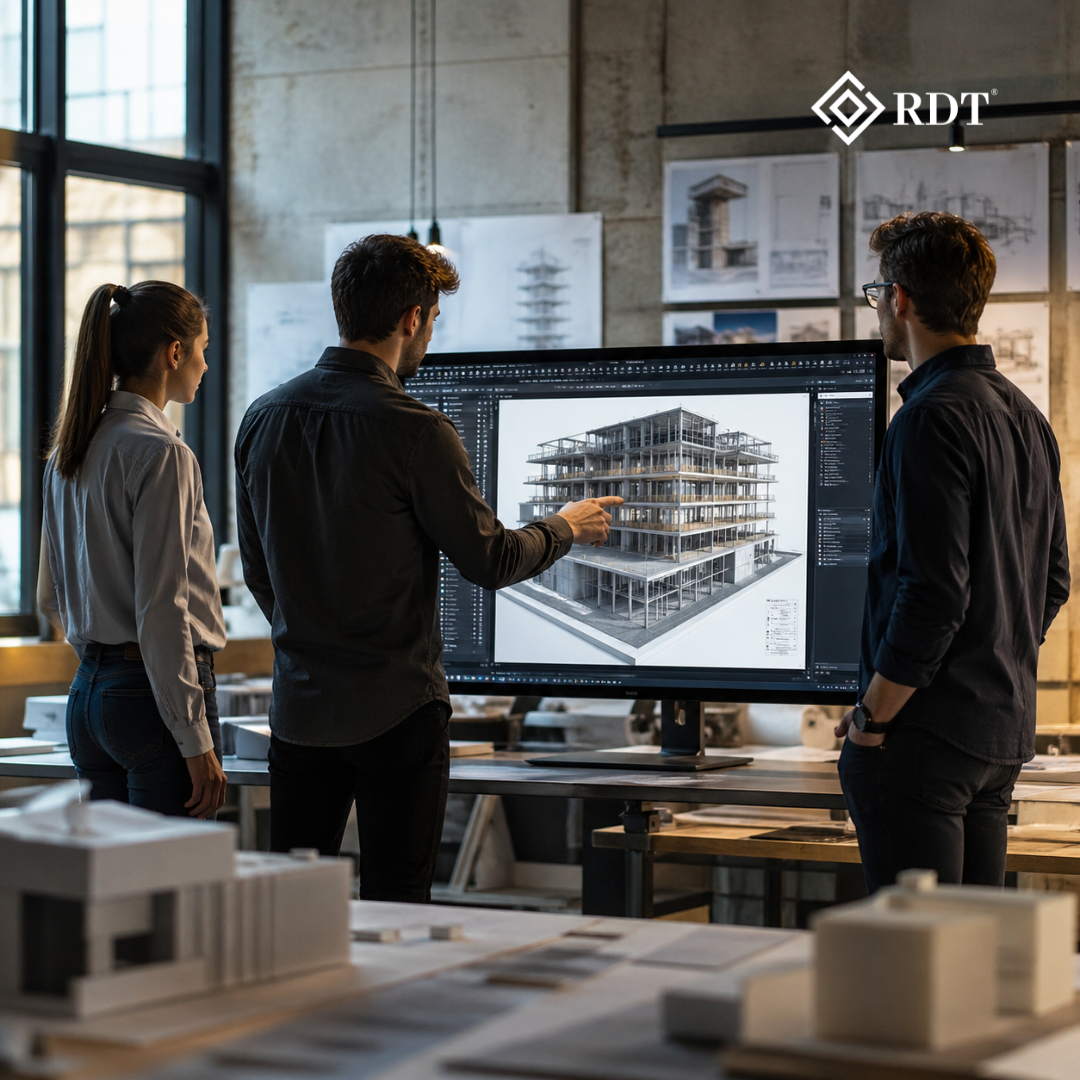
At the center of this transformation lies Building Information Modeling. BIM has already proven its value by integrating data, geometry, and collaboration into a unified environment. However, the next step goes beyond coordination and clash detection. BIM models are evolving into dynamic systems that can interpret data, anticipate outcomes, and visually communicate insights as projects progress.
Smart visualization introduces a layer of intelligence into BIM environments. Instead of static views, project teams interact with responsive visual systems that highlight risks, suggest improvements, and adapt to changing site conditions. This shift transforms visualization from a presentation tool into a decision support system.
Real Time Feedback That Drives Faster Decisions
One of the most impactful aspects of smart visualization is real time feedback. Traditional workflows often involve delays between design updates and site execution. Teams create drawings, share them, review them, and then implement changes. This process leaves room for miscommunication and costly errors.
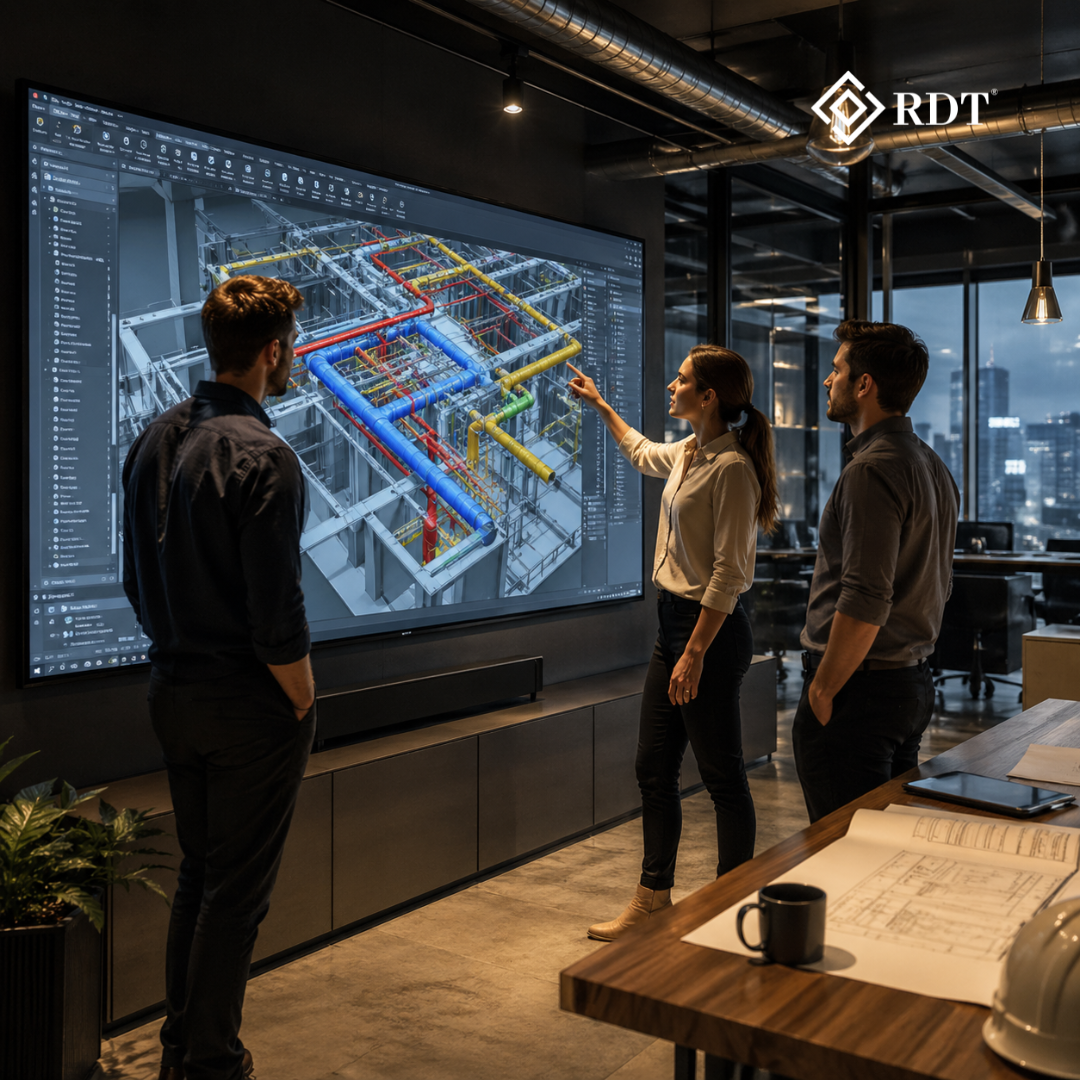
With smart visualization, changes in the model instantly reflect across all visual outputs. More importantly, the system can flag potential issues the moment they arise. For example, when mechanical systems are routed through a congested ceiling space, the model can instantly highlight conflicts, suggest alternative paths, and show the impact of each option in real time. This immediate feedback enables faster and more informed decision making.
Predictive Visualization for Proactive Project Management
Construction projects are influenced by variables such as material availability, labor productivity, weather conditions, and sequencing constraints. Smart BIM models can analyze these factors and visually simulate possible outcomes. Instead of reacting to problems, project teams can anticipate them.
Project managers can view construction sequence simulations that highlight potential delays based on current progress and resource allocation. Areas at risk are visually marked, allowing teams to adjust schedules or redistribute resources before issues escalate. This proactive approach reduces uncertainty and improves overall project efficiency.
Enhancing Collaboration Across Stakeholders
One of the biggest challenges in AEC is bridging the gap between technical teams and non technical stakeholders. Complex drawings and models are often difficult for clients or decision makers to interpret.
Smart visualization simplifies this communication. By incorporating intuitive visual cues, real time updates, and scenario based simulations, project information becomes more accessible and actionable. Clients can explore design options and immediately understand their impact. Contractors can visualize installation sequences with clarity. Engineers can assess system performance without relying only on numerical data.
This shared understanding fosters better collaboration and reduces the risk of misaligned expectations.
Connecting the Model with the Construction Site
Modern construction sites generate vast amounts of data through sensors, drones, and reporting tools. When this data feeds directly into BIM environments, the model becomes a living representation of the project.
Progress updates can be visualized in real time, showing which areas are complete, in progress, or delayed. Safety risks can be highlighted based on site conditions. Equipment performance and material usage can be tracked visually. This continuous connection between the digital model and the physical site enables more accurate and timely decisions.
Visual Guidance for On Site Execution
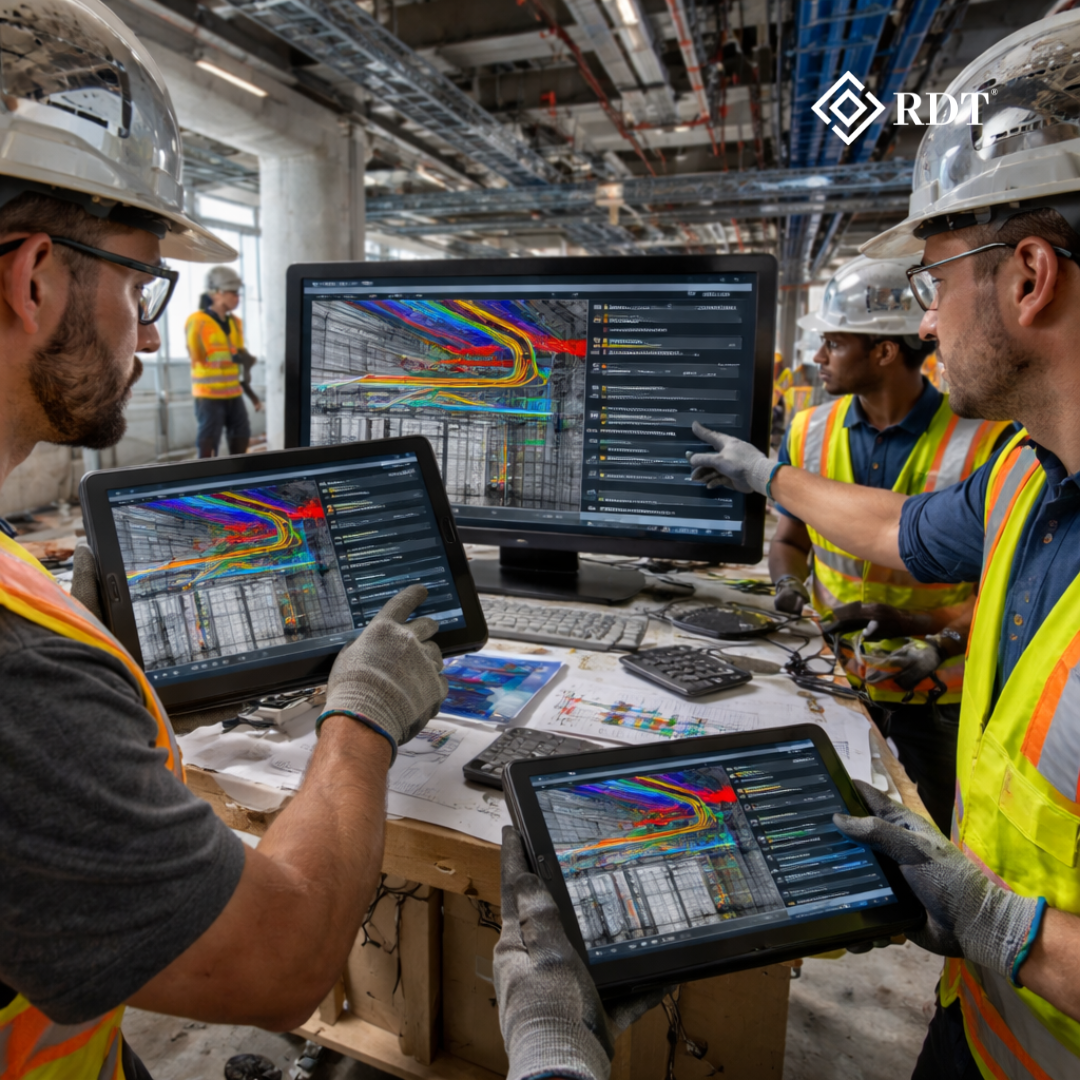
Smart visualization is not limited to design and planning. It also plays a critical role during construction. Instead of relying solely on drawings or written instructions, site teams can use model based visual guidance to understand exactly what needs to be built.
Installation teams can visualize the placement of pipes, ducts, and structural components within the built environment. If deviations occur, the system can flag them instantly and provide corrective insights. This improves accuracy, reduces rework, and ensures that construction aligns with design intent.
Cost Transparency Through Visual Data
Budget management is a constant challenge in construction projects. Smart visualization links cost data directly with BIM models, allowing teams to understand the financial impact of decisions in real time.
When design changes are introduced, their cost implications can be visualized immediately. If delays occur, associated costs can be tracked and analyzed visually. This level of transparency helps stakeholders make informed decisions that balance cost, quality, and timelines.
Driving Sustainability with Smart Insights
Sustainability is becoming a key priority in the AEC industry. Smart visualization supports this by enabling simulation of energy performance, material usage, and environmental impact.
Design teams can visualize how different materials or systems affect energy efficiency. Construction teams can identify opportunities to reduce waste and optimize resource usage. These insights not only support environmental goals but also enhance the long term value of the project.
Challenges and the Path Forward
While the benefits of smart visualization are significant, adoption requires a shift in mindset and workflows. Organizations must move beyond treating BIM as a static deliverable and embrace it as a dynamic decision making platform.
Data quality is essential. Accurate and structured data ensures reliable insights. Interoperability between different tools and systems is also critical for seamless collaboration. In addition, teams need proper training to understand how to use these tools effectively and act on the insights they provide.
By addressing these challenges, organizations can unlock the full potential of smart visualization.
The Future of Visualization in AEC
The future of AEC lies in intelligent, connected, and responsive systems. BIM models will continue to evolve, becoming more capable of learning from past projects and improving future outcomes. Visualization will extend beyond screens, integrating with on site tools and immersive environments to create a seamless flow of information.
In this evolving landscape, visualization will no longer be just about representation. It will become a core driver of decision making, efficiency, and innovation.
Conclusion
Smart visualization represents a major shift in how the AEC industry approaches design and construction. By enabling BIM models to think, predict, and guide decisions, it transforms visualization into a powerful tool for project success. It empowers teams to move from reactive problem solving to proactive planning, ensuring better outcomes at every stage.
If you are ready to transform your projects with intelligent visualization and advanced BIM solutions, RDT Technology is your trusted partner. Our expertise helps you achieve clarity, precision, and smarter decision making across every phase of your project lifecycle. Connect with RDT Technology today and take the next step toward smarter, more efficient project delivery.