
Introduction: The Future Is Designed, Not Predicted
The future does not just happen — it’s designed. Each structure, system, and space we form today determines the way we will live and work tomorrow. In a period of quick technological development and universal change, design thinking is no longer about meeting present requirements; it’s about anticipating future needs. This is where Future-Proof Design takes core phase — the ideology of designing flexible, robust, and smart solutions that develop with time.
At RDT Technology, we trust in modifying ideas into smart results. With innovative approaches like Building Information Modeling (BIM), associations can design not only for the current but for decades ahead — forming a constructed environment that is bright, more sustainable, and flawlessly future-ready.
This blog explores the art and science behind Designing for Tomorrow, Today — and how you can form your future by implementing progressive design principles.
Understanding the Idea of Future-Proof Design
Future-Proof Design is not a buzzword — it’s a mentality. It’s about making designs that withstand the test of time, adapt to changing requirements, and stay relevant amid developing technologies and market requirements.
In practical terms, future-proofing refers to planning for elasticity. It’s about questioning:
- How will this design execute in 10 years?
- Can it adapt to the latest technologies or rules?
- Will it accommodate user behavior changes or ecological problems?
The early analysis of these questions during the design phase will reduce the possibility of obsolescence, reduce maintenance costs, and ensure long-term value.
BIM’s impact on future designs
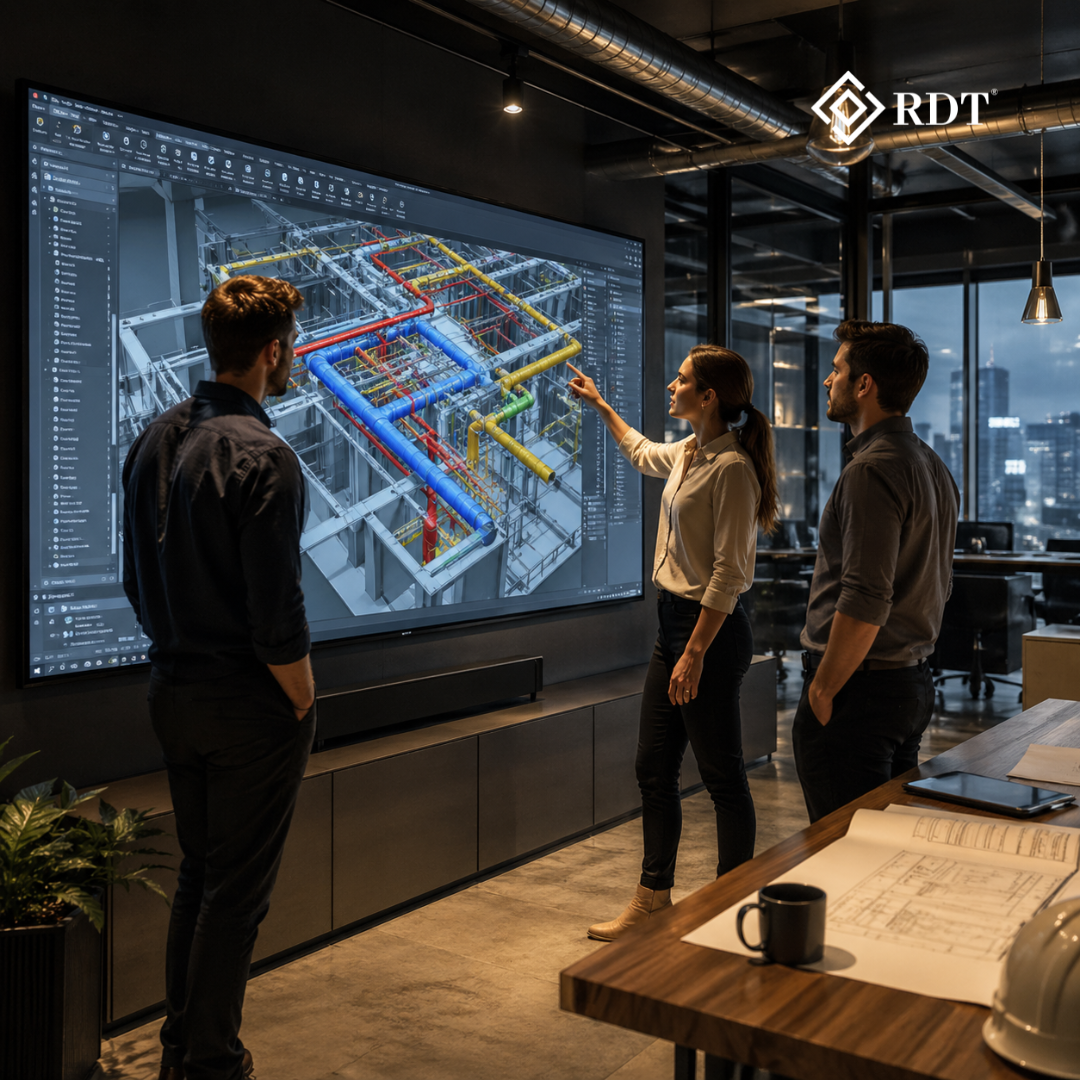
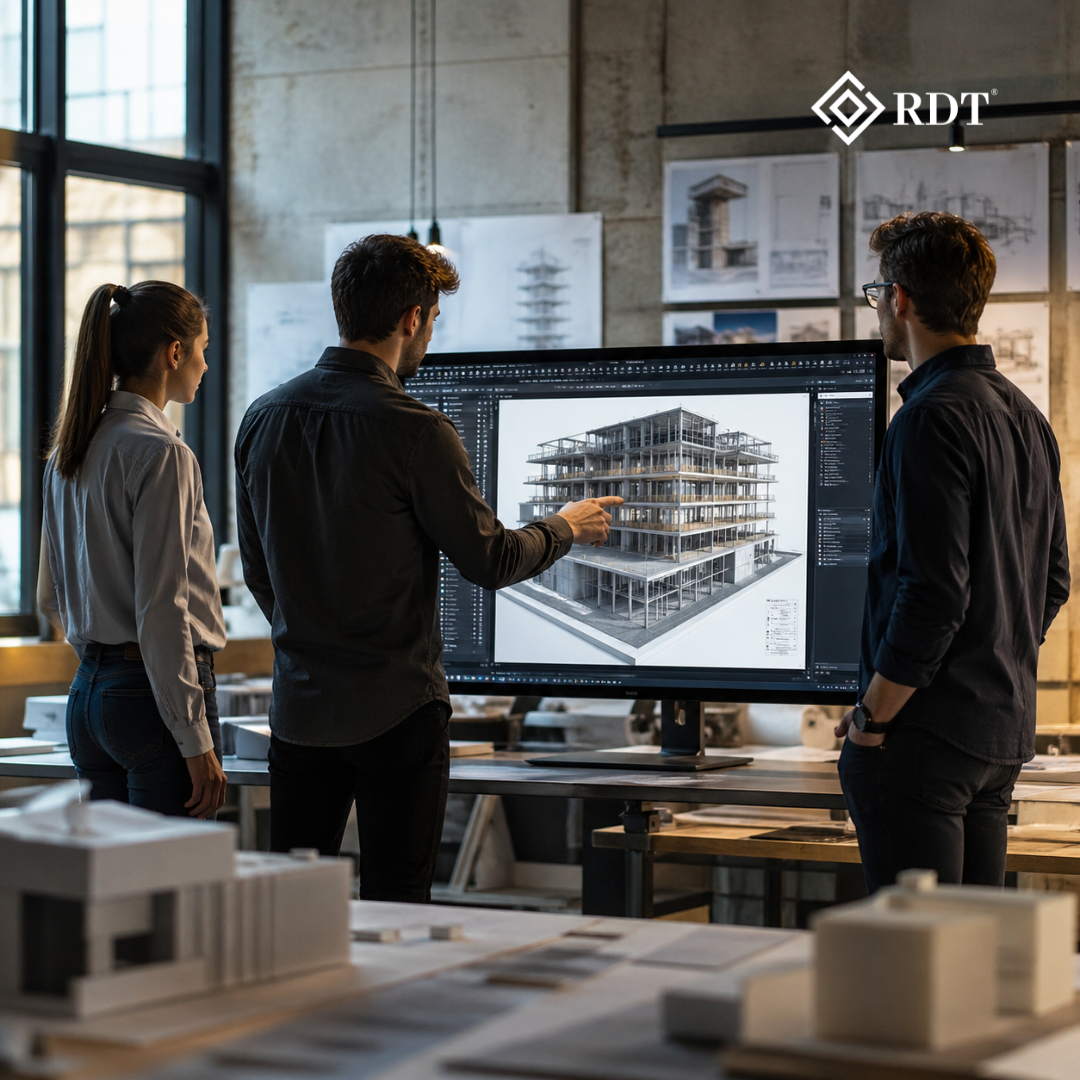
Building Information Modeling (BIM) has reimagined what it means to design wisely. BIM modifies traditional design into a datacentric, cooperative procedure that links the gap between idea and construction.
With BIM, design teams can simulate execution, examine dangers, and visualize results before a single brick is laid. It offers a digital base where each component of a project — from geometry to substantial details — is interrelated and approachable in real time.
When designing for the future, BIM guarantees that:
- Designs can accommodate the latest principles without complete overhauls.
- Datacentric foresights guide intelligent decision-making.
- Association among teams decreases mistakes, time, and cost.
By combining BIM, designers shift from responsive problem-solving to active innovation, making projects that remain appropriate and effective in the long run.
Why Future-Proofing Your Design Matters
In today’s vigorous environment, what’s appropriate today might be old-fashioned tomorrow. Here’s why future-proofing is not optional — it’s crucial:
- Versatility to Change
The velocity of invention needs resilience. Designs must be smoothly expandable and adjustable as latest technologies or requirements emerge. - Sustainability and Effectiveness
Future-proofing adjusts with sustainability objectives. Designs that last longer demand lesser resources to elevate or reconstruct, reducing ecological effect. - Expenditure Savings
A design constructed with foresight diminishes revision and maintenance expenses. Rather than fixing issues later, you design solutions upfront. - Regulatory Compliance and Flexibility
As universal standards develop, future-proof designs are prepared to fulfil modern compliance needs without major restructuring. - Improved Lifecycle Performance
By combining BIM details, designers can evaluate performance over time, forecasting maintenance requirements and guaranteeing optimal function across a project’s lifespan.
In essence, future-proofing is not only a design option — it’s a business tactic that assures durability, significance, and ROI.
The Heart Principles of Designing for Tomorrow
Designing tomorrow’s world demands beyond creativity — it needs strategic vision. Here are the guiding principles each designer, engineer, and person who makes decisions should adopt:
1. Elasticity Is the Basis
Design should adapt to change — either it’s technological, ecological, or functional. Adaptable systems make accommodation simpler, guaranteeing your work remains worthwhile over time.
2. Datacentric Design Decisions
With BIM, each design option is informed by data — from substantial effectiveness to energy modeling. Data does not substitute creativity; it improves it, guaranteeing innovation is backed by proof.
3. Integration Over Isolation
Future-proof design succeeds on teamwork. When architecture, engineering, and construction squads work in unity, via joint data models, the outcome is a smooth design procedure that decreases mistakes and enhances results.
4. Committed to sustainable values
Tomorrow’s designs must do more with less — lower energy, fewer assets, and slight waste. Sustainable philosophy should guide substantial options, structural layouts, and functional approaches.
5. Constant Progress and Learning
Designing for tomorrow is not a sole undertaking but a developing field. The continual inspection, reaction, and feedback ensure that projects develop on time instead of becoming outdated.
BIM: The Engine Powering Tomorrow’s Design
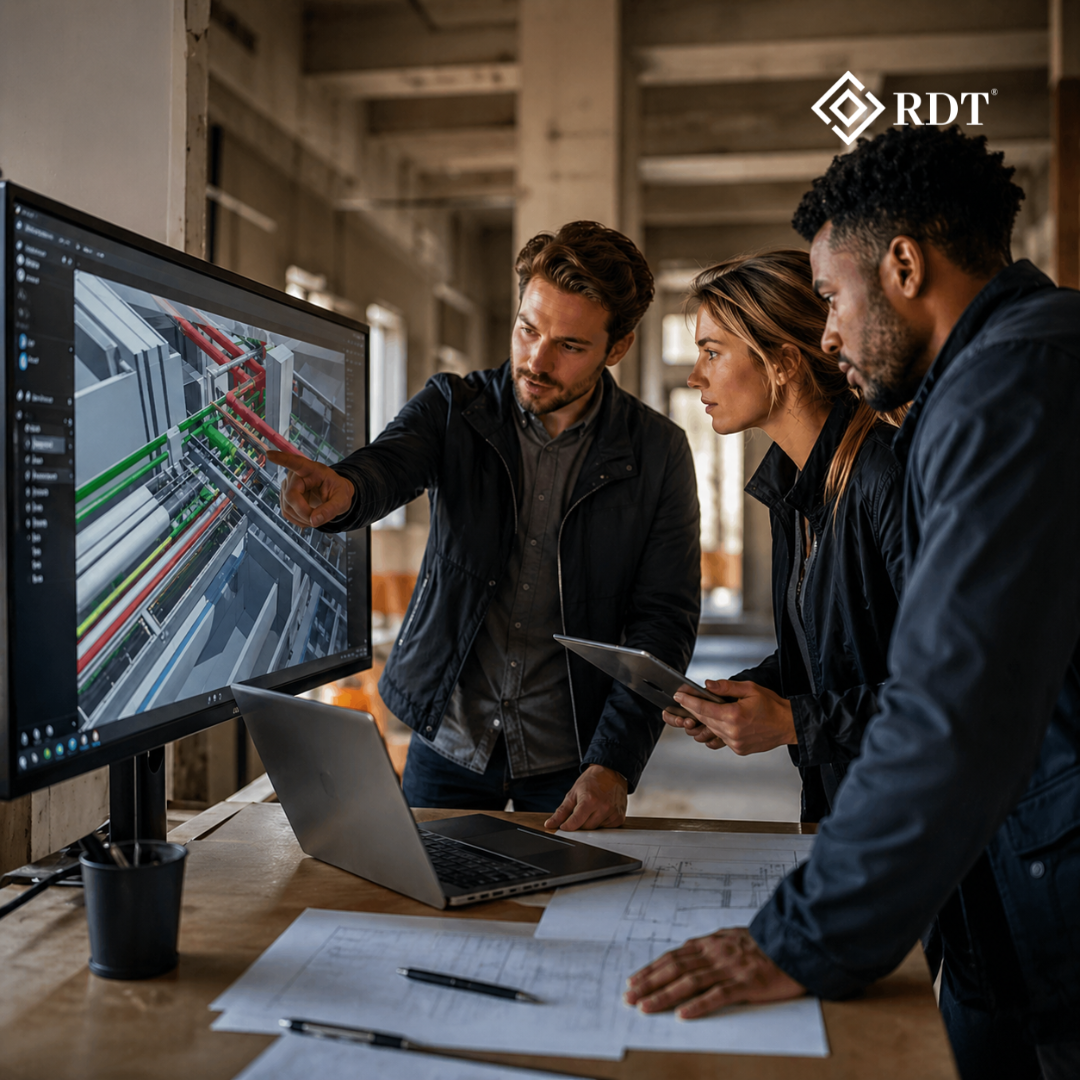
BIM guarantees your designs accommodate future requirements. It acts as the individual source of fact for all investors — architects, engineers, contractors, and facility administrators. This single information space ensures a high level of transparency and coordination throughout the idea to conclusion.
Using BIM, teams are able to envision the full life of a project – the design through to deconstruction. It can help to identify areas of inefficiency, make the most out of the energy used and organize the maintenance plans long before the actual performance.
Key benefits include:
- Foretelling Analysis: Forecast how materials and systems will execute under real circumstances.
- Diminished Rework: Decrease expensive changes with clash identification and simulation.
- Improved Collaboration: Focused data promotes real-time communication and planning.
- Lifecycle Insight: Design decisions are shaped by long-term performance forecasts.
Ultimately, BIM is not only a tool — it’s a design ideology that changes uncertainty into possibility, allowing designers to build wiser, safer, and more eco-friendly futures.
Designing for Tomorrow: A Strategic Viewpoint
Designing for tomorrow needs more than advanced tools — it needs a change in viewpoint. No matter what the size of the project is, it must be regarded as a living system which evolves over time.
Such an approach encourages teams to go beyond aesthetics and focus on goal, performance and sustainability. The structures we plan today must be competent in accommodating technologies that may not even exist yet.
For associations, this means harmonizing design tactics with future trends like automation, modular structure, and digital twin combination — where physical resources are mirrored by smart digital counterparts for constant monitoring and advancement.
By thinking ahead, companies place themselves to lead change rather than responding to it.
Building Flexibility With Brilliant Design
A future-proof design is a flexible design. Flexibility is not about opposing change — it’s about adapting it. With brilliant design practices through BIM, projects can anticipate problems like environmental changes, functional changes, or technological development.
This flexibility permits for:
- Effective scalability when enlarging infrastructure.
- Simple maintenance with foretelling analysis.
- Assets enhancement for long-term performance.
A flexible design stands tough not because it’s rigid but because it’s adaptative — it bends, flexes, and develops to fulfil the requirements of tomorrow’s world.
Advancing Without Sacrifice
The future requires invention in designing, yet invention has never been and must never be brought to bear at the cost of practicability. The procedures that are motivated by BIM allow designers to be innovative without the fear of failure since they can test ideas in virtual reality, analyze their impact and improve the results prior to the implementation.
This procedure guarantees that creativity is balanced with functionality — resulting in consequences that are visionary yet viable. The future will forever be connected with those who innovate without compromise, mixing visualization with intellect.
The Human Component of Future Design
While technology performs an important part, people’s perception is still at the core of each design decision. Future-proofing is not only about software or info — it’s about empathy, knowing how spaces will benefit people generations from now, and designing experiences that develop with human requirements.
At its center, design for tomorrow is around making atmospheres that improve health, boost connection, and promote growth. The most modern design is one that smoothly combines human objective with technological possibility.
Setting the Future Pace: Moving Vision into Action.
Designing for tomorrow is not a distant dream — it’s an obligation. Each decision you make today forms how masses will live, work, and communicate in the future. By adapting future-proof standards, leveraging BIM intellect, and positioning creativity with tactics, you can change vision into permanent effect.
The future is not uncertain — it’s waiting to be designed.
Sum up: Start Designing Tomorrow, Today with RDT Technology
The path to an intelligent, more eco-friendly, and flexible future starts with one outlook — designing today for tomorrow’s world. Future-proof design guarantees your work remains appropriate, effective, and beneficial no matter how the world develops.
At RDT Technology, we assist associations shape confidence in their designs by positioning inventions with accuracy. Our method guarantees that each project stands the test of time — delivering performance, sustainability, and flexibility in one united solution.
The future does not wait — and neither should your designs.
👉 Shape your future with RDT Technology. Your BIM Partner
Design for tomorrow, build today.