Architectural rendering has evolved into a powerful medium for communicating design intent with clarity and precision. From early conceptual presentations to final marketing visuals, rendering allows architects, designers, and clients to experience a space before it is built. Among all the elements that contribute to a compelling rendering, lighting stands out as one of the most critical. It does far more than simply illuminate a scene. Lighting defines mood, enhances materials, creates depth, and ultimately determines how realistic and believable a visualization appears.
Understanding the role of lighting in architectural rendering is essential for anyone aiming to produce visuals that feel authentic and engaging. Without proper lighting, even the most detailed model can appear flat and lifeless. With the right approach, however, lighting can transform a basic rendering into a powerful visual story.
Understanding Lighting in Architectural Rendering
Lighting in architectural rendering refers to the simulation of natural and artificial light sources within a digital environment. It involves controlling how light interacts with surfaces, materials, and space. This includes aspects such as intensity, color, direction, and shadow behavior.
There are two primary types of lighting used in renderings. Natural lighting replicates sunlight and sky illumination. Artificial lighting includes fixtures such as lamps, ceiling lights, and accent lighting. A successful rendering often combines both to achieve a balanced and realistic outcome.
Lighting is not just a technical requirement. It is a design tool. It influences how viewers perceive scale, texture, and spatial relationships. It guides attention and evokes emotion, making it a central element in architectural storytelling.
Creating Realism Through Accurate Light Simulation
One of the main goals of architectural rendering is realism. Lighting plays a fundamental role in achieving this by mimicking how light behaves in the real world. Accurate light simulation ensures that shadows fall naturally, reflections appear correctly, and materials respond authentically to illumination.
For example, sunlight entering through a window creates soft shadows that change depending on the time of day. Replicating this effect in a rendering adds credibility to the scene. Similarly, the subtle variation in brightness across surfaces helps prevent a flat appearance and introduces depth.
Global illumination techniques are often used to simulate how light bounces between surfaces. This creates a more natural look, as light does not simply hit one surface and stop. Instead, it reflects and diffuses, influencing the entire environment.
Enhancing Materials and Textures
Lighting is essential for showcasing materials and textures accurately. Without proper illumination, even high quality textures can appear dull or unrealistic. Light reveals the fine details of surfaces, such as the grain of wood, the roughness of concrete, or the glossiness of polished marble.
Different materials interact with light in unique ways. Reflective surfaces like glass and metal bounce light, creating highlights and reflections. Matte surfaces absorb more light, resulting in softer appearances. Proper lighting setup ensures that these characteristics are clearly visible.
The angle and intensity of light also affect how textures are perceived. Side lighting can emphasize surface details, while direct lighting can highlight overall form. By carefully controlling these factors, designers can bring materials to life in a rendering.
Establishing Mood and Atmosphere
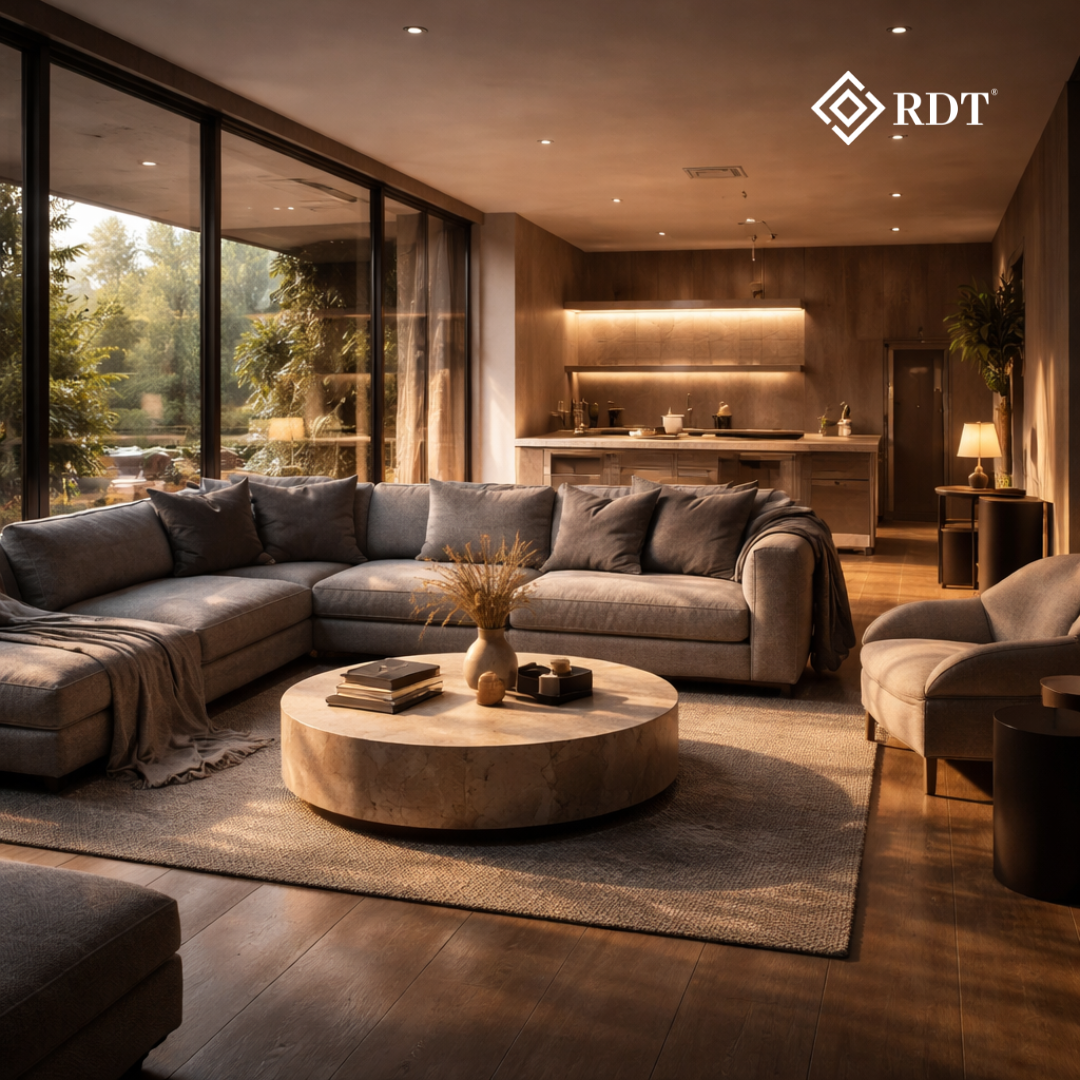
Lighting has a powerful impact on mood and atmosphere. It can transform the same space into completely different experiences. A bright, evenly lit room feels open and welcoming. A dimly lit environment with warm tones creates a sense of intimacy and comfort.
In architectural rendering, mood is often aligned with the purpose of the space. For example, a residential interior may use warm lighting to evoke coziness, while a commercial office may feature cooler lighting to convey professionalism and efficiency.
Time of day also plays a significant role. Morning light brings freshness and clarity. Evening light introduces warmth and softness. Night scenes rely on artificial lighting to create dramatic contrasts and focal points. Choosing the right lighting scenario helps communicate the intended experience of the design.
Guiding Visual Focus
A well lit rendering directs the viewer’s attention to key areas of the design. Lighting can highlight important architectural features, such as a central staircase, a feature wall, or a landscape element. By increasing brightness or contrast in specific areas, designers can create visual hierarchy.
This technique is particularly useful in presentations and marketing materials. It ensures that viewers immediately notice the most important aspects of the project. Without this guidance, the viewer’s eye may wander, reducing the overall impact of the rendering.
Subtle use of shadows and highlights can also help frame the composition. This creates a balanced image that feels intentional and visually appealing.
Creating Depth and Spatial Awareness
Depth is a crucial aspect of realistic visualization. Lighting contributes significantly to the perception of space by creating variations in brightness and shadow. These variations help distinguish between foreground, middle ground, and background elements.
Shadows play a key role in defining form and distance. Soft shadows suggest gentle transitions, while sharp shadows indicate strong, direct light. Ambient lighting fills in darker areas, preventing the scene from appearing too harsh or unrealistic.
Reflections also enhance spatial awareness. Reflective surfaces can show parts of the environment that are not directly visible, adding complexity and realism to the scene.
Supporting Architectural Design Intent
Lighting in rendering should align with the actual design intent of the project. This includes considering how the building will be oriented, where natural light will enter, and how artificial lighting will be integrated.
For example, large windows in a residential design are often intended to maximize natural light. A rendering should reflect this by showing bright, sunlit interiors. Similarly, accent lighting in a retail space should highlight products and create an inviting atmosphere.
By accurately representing these design elements, lighting helps communicate the architect’s vision more effectively. It ensures that clients and stakeholders understand how the space will function in real life.
Improving Client Communication
Architectural renderings are often used to present ideas to clients who may not have a technical background. Lighting enhances clarity and makes the visualization more relatable. A well lit rendering feels closer to a real photograph, making it easier for clients to interpret.
This can lead to better decision making and fewer misunderstandings. Clients can see how spaces will look at different times of the day, how materials will appear under various lighting conditions, and how the overall atmosphere will feel.
In competitive markets, high quality renderings can also make a strong impression. They help build trust and demonstrate professionalism, which can be crucial for winning projects.
Balancing Natural and Artificial Light
Achieving a realistic rendering often involves balancing natural and artificial light sources. Too much reliance on one type can lead to unrealistic results. For example, an interior scene with only artificial lighting may appear overly dramatic, while one with only natural light may lack depth.
A balanced approach ensures that the scene feels natural and functional. During the day, natural light can dominate, with artificial lights adding subtle support. At night, artificial lighting becomes the primary source, with careful placement to maintain realism.
Color temperature is another important factor. Natural daylight tends to be cooler, while artificial lighting can range from warm to neutral. Matching these tones correctly enhances the overall harmony of the scene.
The Technical Side of Lighting
Behind every visually appealing rendering is a strong technical foundation. Lighting requires careful setup and fine tuning within rendering software. This includes adjusting parameters such as intensity, exposure, color balance, and shadow quality.
High dynamic range images are often used to provide realistic environmental lighting. These images capture a wide range of light intensities and help create natural reflections and illumination.
Render engines also offer advanced features such as physically based lighting and real time rendering. These tools allow designers to experiment with different lighting scenarios quickly and efficiently.
Despite the technical complexity, the goal remains the same. The lighting should feel natural and support the overall design without drawing unnecessary attention to itself.
Common Mistakes to Avoid
While lighting can elevate a rendering, it can also detract from it if not handled properly. One common mistake is overexposure, where the scene appears too bright and loses detail. Another is underexposure, which makes the scene too dark and unclear.
Incorrect shadow placement can break realism, as shadows that do not align with light sources appear unnatural. Overuse of artificial lighting can also create a cluttered and unrealistic look.
Consistency is key. All light sources should work together to create a cohesive scene. Random or conflicting lighting setups can confuse the viewer and reduce the effectiveness of the rendering.
The Future of Lighting in Architectural Rendering
As technology continues to advance, lighting in architectural rendering is becoming more sophisticated. Real time rendering tools allow designers to adjust lighting instantly and see the results without long processing times. This enhances creativity and efficiency.
Virtual reality and augmented reality are also influencing how lighting is used. These technologies provide immersive experiences where users can explore spaces with dynamic lighting conditions. This brings a new level of realism and engagement to architectural visualization.
Artificial intelligence is beginning to assist in optimizing lighting setups, suggesting improvements based on scene analysis. While tools are evolving, the importance of understanding lighting fundamentals remains unchanged.
Conclusion
Lighting is the backbone of realistic architectural rendering. It shapes how a space is perceived, enhances materials, defines mood, and guides the viewer’s experience. Without effective lighting, even the most detailed models can fail to communicate their true potential.
By mastering lighting techniques and understanding its impact, designers can create renderings that not only look realistic but also tell a compelling story. Whether it is a residential interior, a commercial space, or an urban development, lighting plays a crucial role in bringing architectural visions to life.
If you are looking to elevate your architectural presentations with high quality, realistic renderings, RDT Technology is here to help. Our team specializes in creating visually compelling renderings that capture every detail with precision and clarity. Partner with RDT Technology to bring your designs to life with lighting that truly makes a difference.