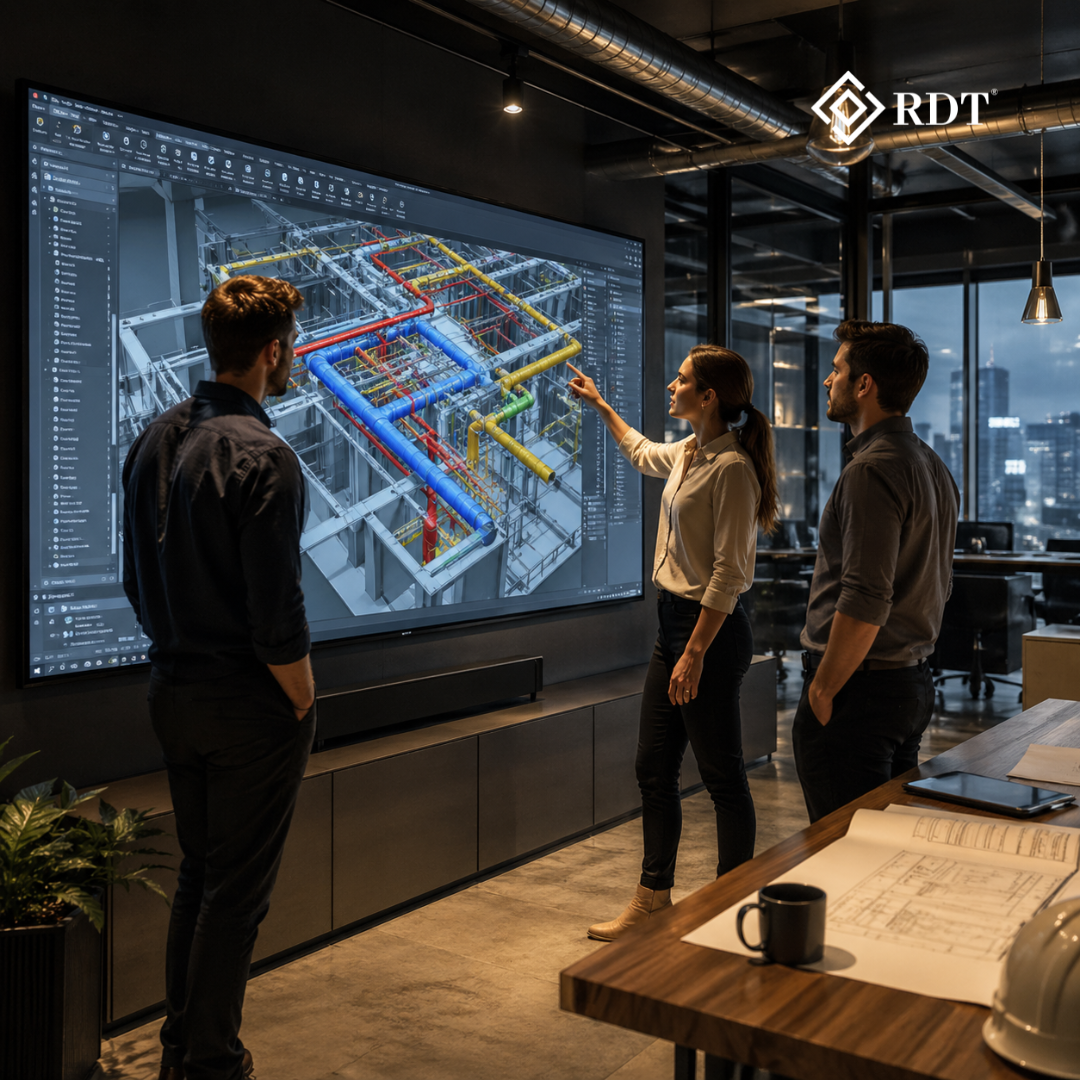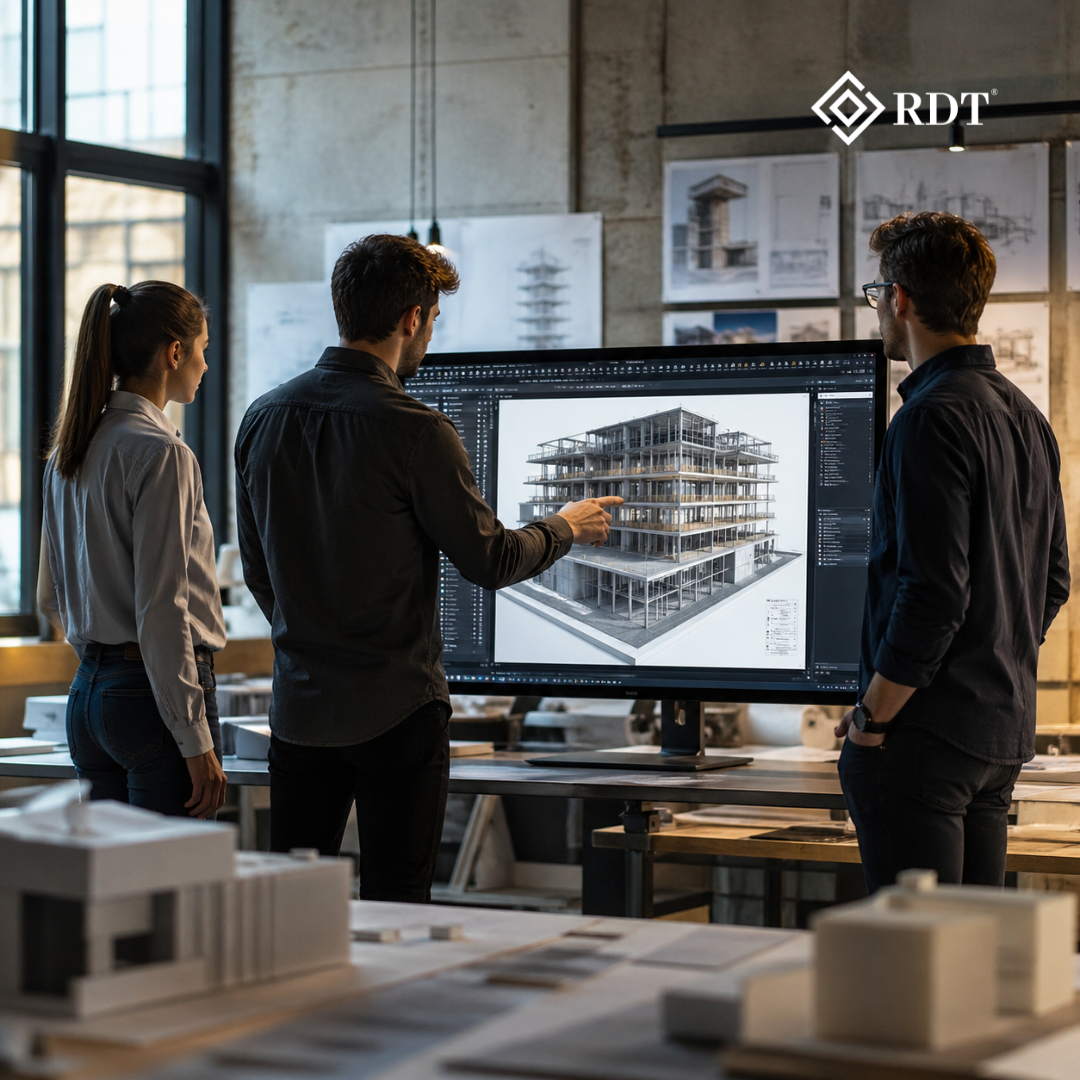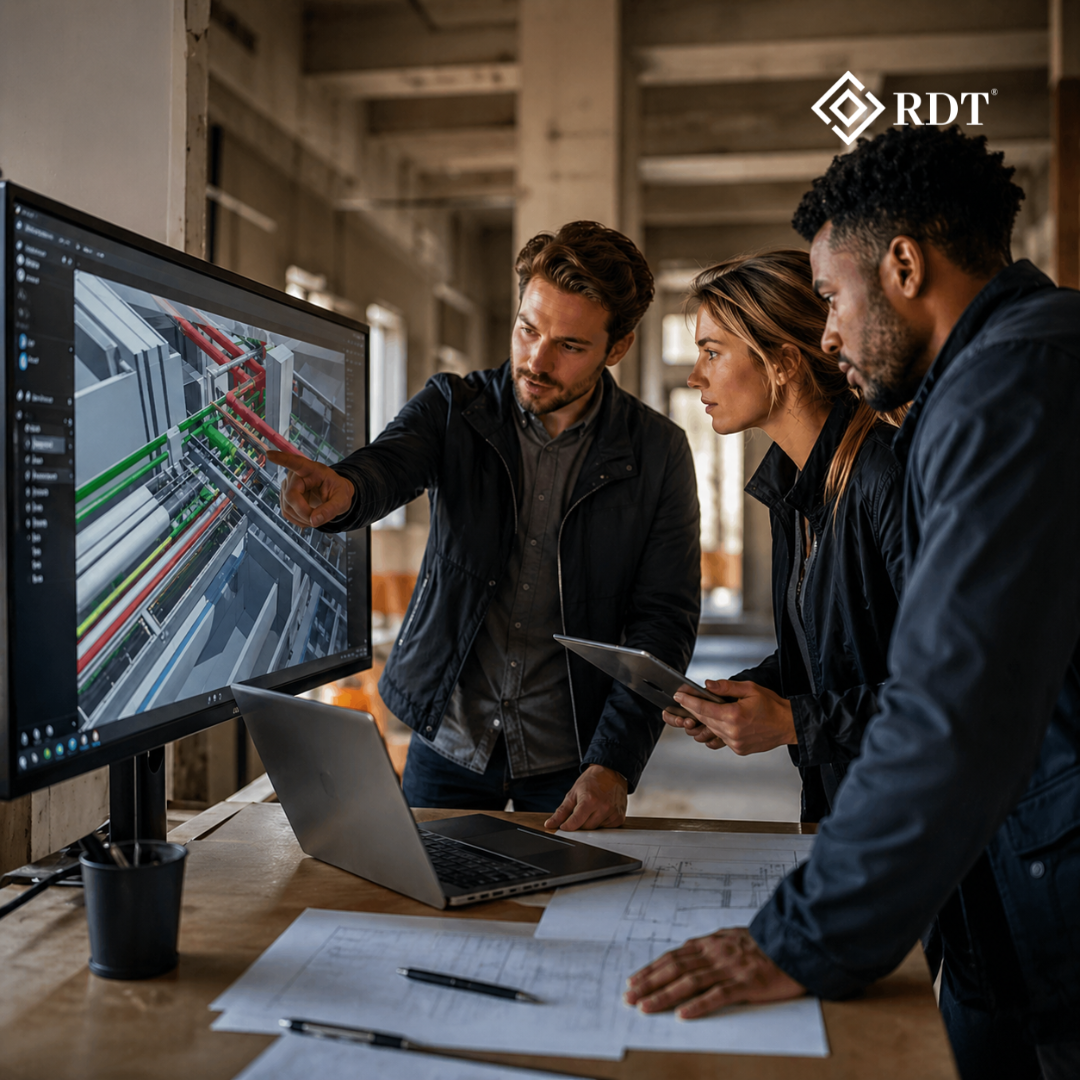
In today’s fast-evolving Architecture, Engineering, and Construction (AEC) industry, accuracy is no longer a luxury—it is a necessity. Projects are becoming larger, timelines are tighter, and stakeholder expectations are higher than ever. Traditional design methods often struggle to keep pace with this complexity, leading to design discrepancies, coordination failures, costly rework, and construction delays. This is where Revit models emerge as a transformative solution. By enabling intelligent Building Information Modeling (BIM), Revit significantly improves design accuracy, enhances multidisciplinary coordination, and builds unmatched confidence across the entire construction lifecycle.
The Shift from Conventional Design to Intelligent Modeling
For decades, the industry relied heavily on 2D drawings and fragmented documentation workflows. While effective in simpler projects, these methods often leave room for interpretation errors, missing information, and clashes between architectural, structural, and MEP systems. Revit changes this paradigm by introducing data-rich 3D models where geometry, specifications, and relationships are embedded into a single digital environment.
Instead of disconnected drawings, Revit provides a centralized model where every element—walls, slabs, ducts, pipes, and fixtures—exists with defined parameters. Any change made in one view is automatically reflected across all drawings, schedules, and sections. This intelligence drastically reduces inconsistencies and improves overall design accuracy.
Enhancing Design Accuracy Through Parametric Modeling
One of Revit’s greatest strengths lies in its parametric modeling capabilities. Elements in Revit are not just lines or shapes; they are smart objects governed by rules and relationships. When a designer modifies a dimension, material, or alignment, the entire model updates instantly. This eliminates the risk of outdated drawings circulating among teams.
Accurate quantities, areas, volumes, and dimensions can be extracted directly from the model, ensuring precise documentation and reliable data for cost estimation. This level of accuracy empowers design teams to make informed decisions early in the project, reducing guesswork and preventing downstream errors that typically surface during construction.
Improving Multidisciplinary Coordination
Modern construction projects require seamless collaboration between architects, structural engineers, MEP consultants, contractors, and owners. Coordination challenges often arise when each discipline works in isolation. Revit addresses this by enabling collaborative modeling within a shared environment.
Using worksharing and linked models, multiple teams can work simultaneously on the same project while maintaining discipline-specific control. Architectural layouts align with structural grids, while MEP systems are designed in harmony with ceilings, beams, and shafts. This integrated workflow ensures that all disciplines are working with the same, up-to-date information.
Clash Detection and Conflict Resolution
One of the most powerful advantages of Revit modeling is its ability to identify and resolve clashes during the design phase rather than on site. Clashes between ducts and beams, pipes and walls, or electrical trays and ceilings are common causes of delays and costly change orders.
By coordinating Revit models and running clash detection workflows, teams can proactively identify conflicts and resolve them digitally. This early detection not only saves time and money but also fosters trust among stakeholders, as potential issues are addressed long before construction begins.
Strengthening Construction Confidence
Construction confidence stems from clarity, predictability, and reliability—and Revit delivers all three. Contractors benefit from construction-ready models that clearly communicate design intent, tolerances, and sequencing. Detailed views, sections, and schedules generated directly from the model reduce ambiguity on site.
With accurate models, contractors can plan logistics, material procurement, and installation strategies more effectively. The result is fewer RFIs, smoother workflows, and greater confidence in meeting project timelines and budgets.
Supporting Better Visualization and Stakeholder Alignment
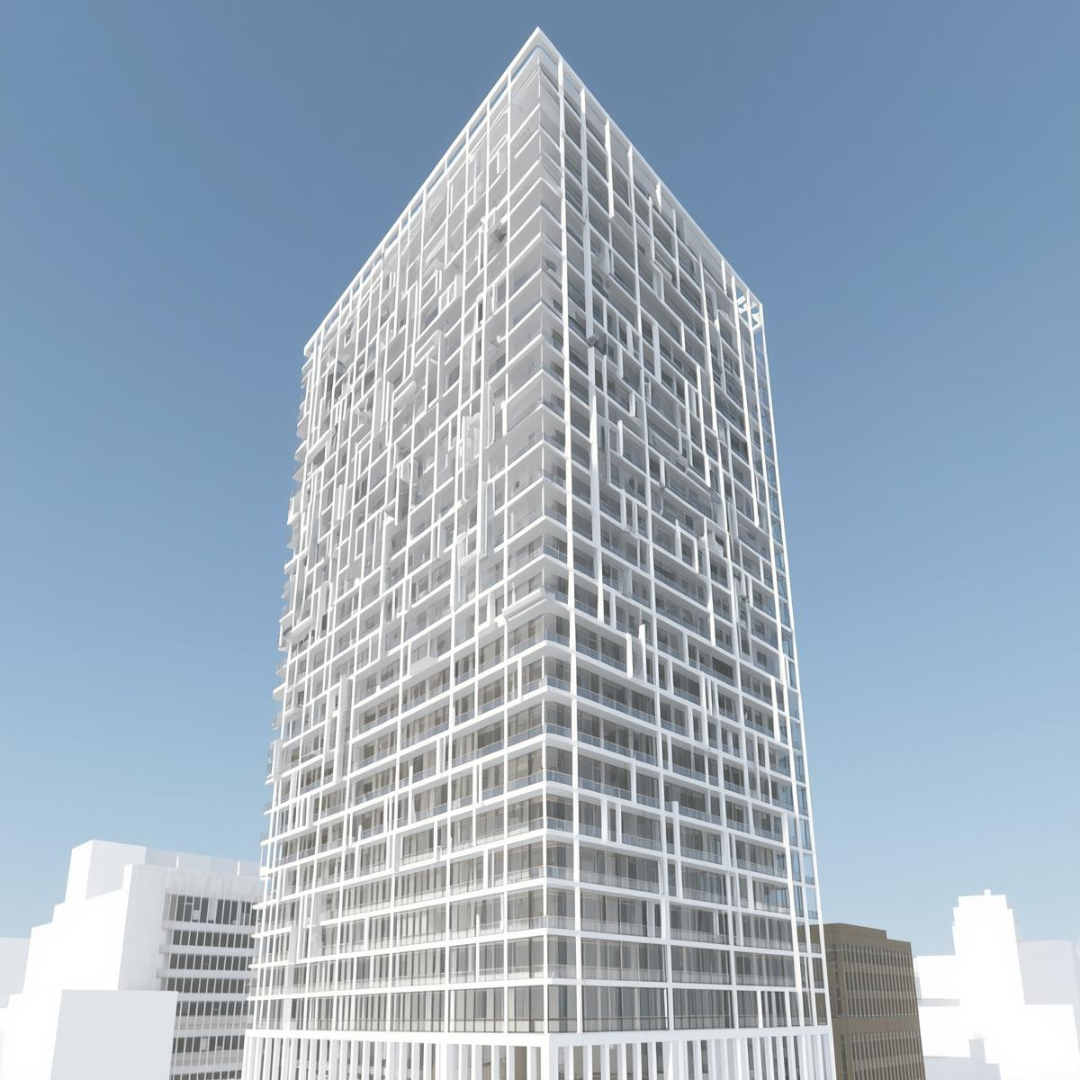
Revit models significantly enhance visualization, helping stakeholders better understand the project before it is built. High-quality 3D views, walkthroughs, and realistic representations allow clients, developers, and non-technical stakeholders to visualize spaces, materials, and spatial relationships clearly.
This improved visualization leads to faster approvals, reduced design revisions, and stronger alignment between the project vision and execution. When stakeholders are confident in what they see, decision-making becomes quicker and more decisive.
Accurate Documentation and Reduced Rework
Documentation errors are among the most common causes of rework in construction projects. Revit minimizes these risks by ensuring that drawings, schedules, and details are all generated from a single source of truth. Since documentation is directly linked to the model, inconsistencies between plans, elevations, and sections are virtually eliminated.
As changes occur, documentation updates automatically, reducing manual drafting efforts and the likelihood of oversight. This consistency leads to fewer on-site corrections, lower material wastage, and improved construction quality.
Enabling Data-Driven Decision Making
Beyond geometry, Revit models store valuable data related to materials, performance, quantities, and specifications. This data-driven approach enables teams to analyze design options, evaluate constructability, and assess project impacts with confidence.
Accurate model data supports cost estimation, value engineering, and sustainability analysis. By leveraging this information early, project teams can optimize designs for performance, efficiency, and long-term value.
Supporting Lifecycle Management and Future Operations
The value of Revit models extends well beyond design and construction. As-built Revit models serve as a powerful resource for facility management and operations. Owners can use these models to access accurate asset information, maintenance schedules, and spatial data throughout the building’s lifecycle.
This continuity of information enhances operational efficiency, reduces maintenance costs, and supports future renovations or expansions. A well-developed Revit model becomes a long-term digital asset rather than just a design deliverable.
Building Trust Across the Project Ecosystem
Accuracy and coordination directly influence trust. When project teams rely on precise Revit models, confidence grows across the ecosystem—from designers and contractors to owners and end users. Clear communication, fewer surprises, and predictable outcomes foster stronger collaboration and long-term partnerships.
Revit helps establish transparency by making information accessible, reliable, and consistent. This transparency reduces disputes, enhances accountability, and ensures that all stakeholders are aligned toward shared project goals.
The Competitive Advantage of Revit-Driven Workflows
In an increasingly competitive AEC landscape, firms that adopt Revit and advanced BIM workflows gain a significant edge. Improved accuracy, enhanced coordination, and construction confidence translate into better project outcomes, stronger reputations, and higher client satisfaction.
Revit is no longer just a design tool—it is a strategic enabler that drives efficiency, reduces risk, and delivers certainty in complex projects. Firms that invest in Revit expertise position themselves as forward-thinking partners capable of handling the demands of modern construction.
Conclusion
Revit models play a critical role in improving design accuracy, coordination, and construction confidence across the entire project lifecycle. By replacing fragmented workflows with intelligent, data-rich models, Revit empowers teams to design with precision, collaborate seamlessly, and build with certainty. From early concept development to construction and facility management, Revit delivers clarity, consistency, and confidence at every stage.
As projects continue to grow in scale and complexity, the importance of accurate, coordinated, and reliable modeling will only increase. Embracing Revit is not just about adopting new software—it is about committing to smarter, more efficient, and more confident ways of building the future.