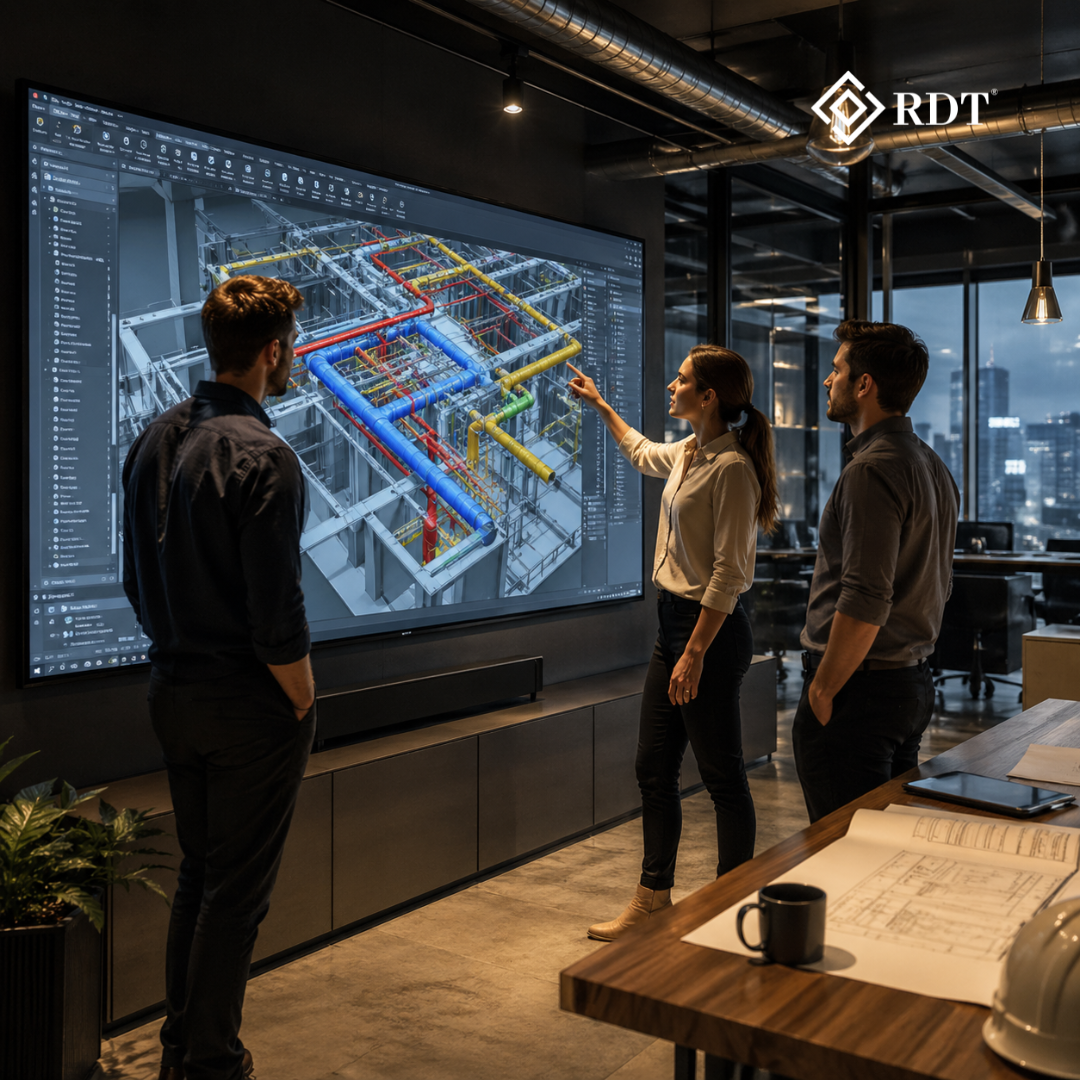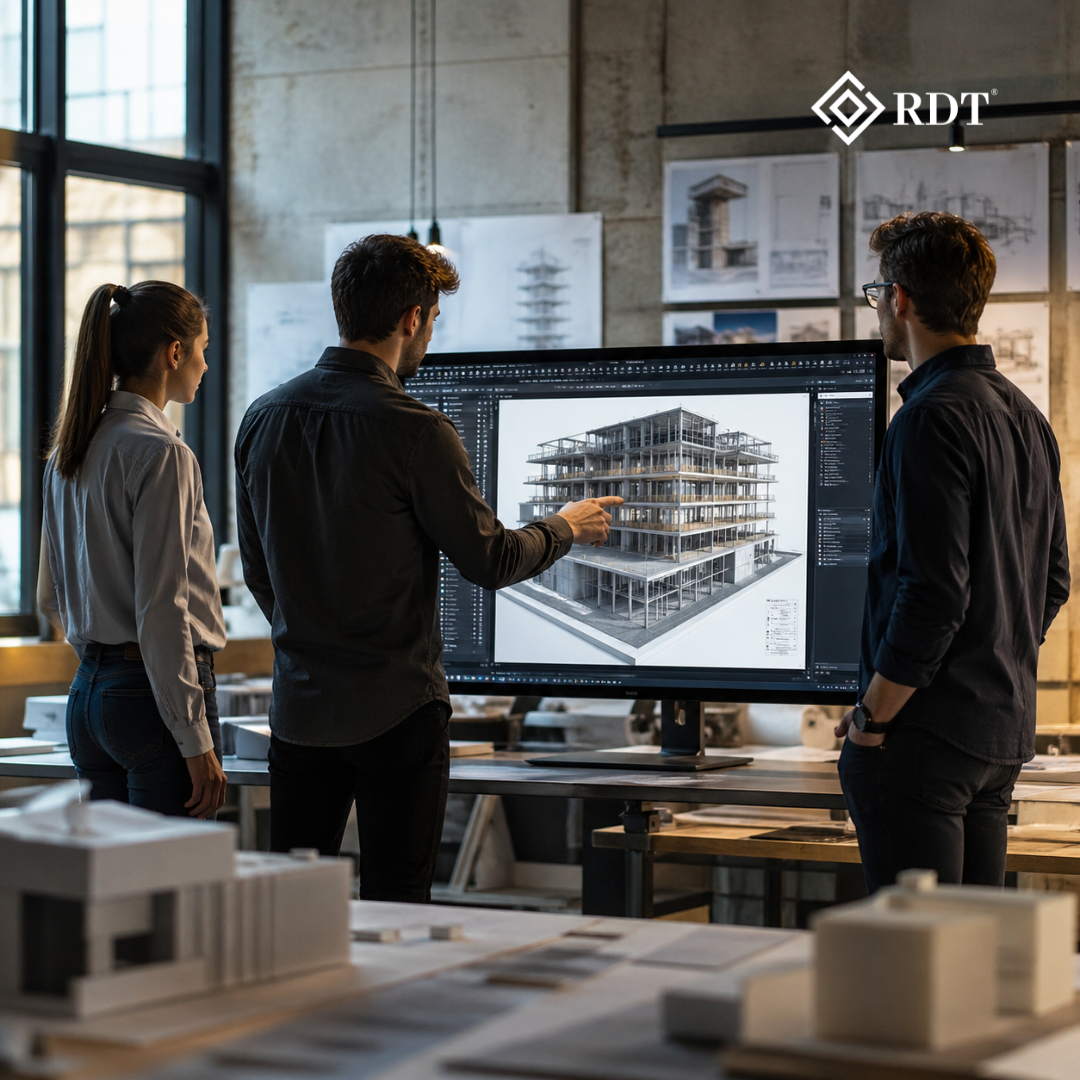

In the Architecture Engineering and Construction industry, first impressions are no longer made during meetings or presentations. They happen much earlier. They happen the moment a client looks at your rendering. In a world where visual communication drives decisions, Rendering Winning Clients has become one of the most decisive factors in whether a project moves forward or quietly disappears. Before you explain your concept, before you defend your design choices, your rendering has already spoken on your behalf. The real question is simple. Is it saying the right things
Rendering is not just about creating a visually appealing image. It is about telling a story, building trust, and creating an emotional connection with the viewer. A strong rendering can make a client feel confident, excited, and ready to invest. A weak one can create doubt, confusion, and hesitation. The difference between winning a project and losing it often comes down to how effectively your visualization communicates value
The Silent Power of First Impressions
Clients are not always technical experts. They may not understand drawings, plans, or complex specifications. What they do understand is what they see. A rendering becomes their window into the future. It shapes their perception of your design, your professionalism, and your capability
When a rendering is clear, realistic, and thoughtfully composed, it signals attention to detail. It tells the client that you have considered every aspect of the project. It reassures them that what you are proposing is not just an idea but a well thought out solution
On the other hand, if the rendering looks rushed, unrealistic, or disconnected from reality, it raises questions. If the visuals lack depth or clarity, clients may assume the same about the design process itself. Even if your technical work is strong, poor rendering can quietly damage your credibility
Why Many Renderings Fail to Win Clients
Despite the importance of visualization, many professionals still treat rendering as an afterthought. This approach leads to common mistakes that push clients away without any direct feedback
One major issue is lack of realism. Overly artificial lighting, incorrect proportions, and unrealistic textures can break the illusion. Clients may not always be able to explain what feels off, but they can sense it. That subtle discomfort can be enough to create hesitation
Another problem is poor storytelling. A rendering should do more than show a building. It should communicate how the space will be used and experienced. Empty environments, lifeless scenes, and generic compositions fail to engage the viewer. They show a structure but not a vision
Clutter is another silent issue. Trying to include too many elements can overwhelm the viewer. Instead of guiding attention, the rendering becomes confusing. Clients should instantly understand the focal point and purpose of the image
Lack of context also plays a significant role. A building placed in isolation without surroundings feels incomplete. Clients want to see how the project fits into its environment, how it interacts with light, and how it relates to real world conditions
The Psychology Behind Client Decisions
Clients rarely make decisions based purely on logic. Emotions play a significant role. A compelling rendering triggers imagination. It allows the client to picture themselves in the space, to feel the atmosphere, and to connect with the design
Warm lighting can create a sense of comfort. Human activity can bring life into the scene. Natural elements can add authenticity and calmness. These subtle details influence how a client perceives the project
When a rendering lacks these emotional cues, it feels flat. It becomes just another image instead of a persuasive tool. The goal is not just to inform but to inspire confidence and excitement
What Winning Renderings Do Differently
Renderings that consistently win clients follow a different approach. They are not created just for presentation. They are crafted with intention
They focus on clarity. Every element in the scene has a purpose. Nothing feels random or unnecessary. The viewer knows exactly where to look and what to understand
They prioritize realism. Materials behave the way they should. Lighting reflects real world conditions. Shadows add depth instead of confusion. This level of accuracy builds trust
They tell a story. Whether it is a residential project or a commercial space, the rendering shows how the space will be used. It brings the design to life in a way that drawings cannot
They create emotional connection. The best renderings make clients feel something. That feeling becomes the foundation of their decision making process
The Business Impact of Better Rendering
Rendering is not just a creative task. It is a business tool. High quality visualization can directly influence project approvals, stakeholder confidence, and overall profitability
When clients clearly understand what they are getting, they are more likely to move forward quickly. This reduces back and forth discussions and speeds up decision making
Better rendering also reduces revisions. When expectations are aligned early, there are fewer surprises later. This saves both time and cost
In competitive scenarios, visualization can become your strongest differentiator. When multiple firms present similar concepts, the one that communicates it better often wins
Common Signs Your Rendering Is Pushing Clients Away
Sometimes the problem is not obvious. You may feel your rendering is good enough, but the results tell a different story
If clients frequently ask for clarifications, it means the visuals are not communicating clearly
If presentations feel flat or unengaging, the rendering may lack emotional appeal
If you often hear comments like something feels off, it is usually a realism issue
If projects take too long to get approved, your visualization may not be building enough confidence
Recognizing these signs is the first step toward improvement
How to Turn Your Rendering Into a Client Winning Tool
Improving rendering is not about adding more effects. It is about making smarter choices
Start with understanding the audience. What does the client care about most. Is it aesthetics, functionality, or experience. Tailor the rendering to highlight those aspects
Focus on composition. Guide the viewer’s eye toward key elements. Avoid unnecessary distractions
Invest in realistic lighting. Light defines mood, depth, and perception. It can make or break the entire image
Add life to the scene. People, movement, and environment elements can transform a static image into a believable experience
Keep refining. Small improvements in texture, shadow, and detailing can significantly elevate the final output
The Future of Rendering in AEC
Rendering is evolving rapidly. It is no longer limited to static images. Real time visualization, immersive walkthroughs, and interactive experiences are becoming more common
Clients expect more than just a picture. They want to explore the design, understand it from different perspectives, and feel confident about their decisions
Firms that adapt to these changes will have a clear advantage. Those who continue to treat rendering as a basic deliverable may struggle to keep up
Conclusion
Your rendering is often your first conversation with a client. It speaks before you do. It influences perception before you explain. It builds trust before you present
The difference between winning and losing a project can come down to how effectively that conversation happens. A strong rendering creates clarity, builds confidence, and inspires action. A weak one creates doubt and hesitation
The choice is not whether to invest in better visualization. The choice is whether you want your rendering to work for you or against you
If your current renderings are not helping you win projects, it is time to rethink your approach. At RDT Technology, we create high impact visualizations that do more than just look good. We help you communicate your vision with clarity, realism, and confidence so you can win clients before the conversation even begins
Take advantage of our world class rendering solutions at RDT Technology and transform the way your projects are presented and perceived