For years, architectural and construction rendering was often viewed as a finishing touch—a visual layer added near the end of design to make a project look attractive for presentations or marketing. It helped stakeholders “see” a building before it was built, but its role was limited to aesthetics and approvals. That perception fundamentally changed in 2025.
In 2025, rendering proved its real power. It didn’t just make projects look good—it helped them move forward. Renderings accelerated approvals, reduced misunderstandings, aligned stakeholders, and bridged the gap between technical intent and human understanding. Planning authorities, investors, clients, and end users relied on high-quality, realistic visuals to make faster, more informed decisions.
As the industry moves into 2026, rendering is stepping into an even more influential role. Approvals are no longer the finish line. Confidence is. In 2026, rendering will not just convince reviewers—it will reassure clients, de-risk decisions, and establish trust long before construction begins.
2025: The Year Rendering Proved Its Strategic Value
The construction and real estate industries faced intense pressure in 2025. Tighter timelines, rising costs, and increased scrutiny from regulators and investors meant that projects could not afford misinterpretation or ambiguity. Traditional drawings and technical documents, while essential, were often insufficient for non-technical stakeholders.
This is where rendering demonstrated its true value.
Faster and Clearer Approvals
In 2025, realistic architectural renderings became a powerful tool for winning approvals. Planning bodies and review committees increasingly preferred visuals that clearly demonstrated scale, massing, materiality, and context. When decision-makers could immediately understand what was being proposed, approvals moved faster.
Renderings eliminated guesswork. Instead of imagining how elevations might translate into reality, reviewers could see it—accurately, clearly, and convincingly.
Reduced Back-and-Forth
High-quality renderings significantly reduced revisions. Clients and authorities were able to provide feedback earlier and more precisely because they understood the design intent from the start. This minimized costly redesigns and approval delays.
Alignment Across Stakeholders
In 2025, projects often involved multiple stakeholders with different levels of technical understanding—developers, consultants, investors, authorities, and end users. Renderings became the common language that aligned everyone, regardless of background.
By the end of 2025, rendering was no longer optional. It was a critical approval enabler.
Beyond Beauty: Rendering as a Decision-Making Tool
One of the biggest shifts in 2025 was the realization that rendering is not just about aesthetics. It is about decision-making.
High-quality renderings helped stakeholders:
- Understand spatial relationships
- Evaluate material choices
- Assess lighting and ambiance
- Visualize scale and proportions
- Anticipate user experience
This allowed decisions to be made with confidence instead of assumptions. Renderings became tools for validation, not decoration.
The Limitation of Approval-Driven Rendering
While 2025 proved rendering’s effectiveness, it also exposed a limitation: approvals alone do not guarantee project success.
Many projects that received approvals still faced:
- Client uncertainty
- Late-stage design changes
- Misaligned expectations
- Concerns over cost, quality, and outcomes
This highlighted an important truth: approval does not equal confidence.
And this is exactly where 2026 changes the role of rendering.
2026: Rendering Evolves from Approval to Assurance
In 2026, rendering will move from being a tool that satisfies external requirements to one that builds internal and long-term confidence.
Confidence answers deeper questions:
- Is this the right design decision?
- Will this space perform as expected?
- Does this investment feel secure?
- Are risks truly understood and addressed?
Rendering in 2026 will help answer these questions visually and convincingly.
Why Confidence Matters More Than Ever
The industry in 2026 will operate in an environment of heightened scrutiny. Clients and investors are more cautious. Budgets are tighter. Expectations are higher. Decisions carry greater consequences.
In this environment:
- Clients want reassurance, not surprises
- Investors want clarity, not ambiguity
- Users want experience, not promises
Rendering becomes a trust-building instrument.
Hyper-Realism: Closing the Gap Between Vision and Reality
One of the most important trends shaping 2026 is the demand for hyper-realistic rendering.
Stylized or overly artistic visuals are losing relevance. Stakeholders want renderings that look as close to reality as possible—accurate lighting, true-to-life materials, realistic environments, and context-sensitive surroundings.
Hyper-realistic renderings:
- Set accurate expectations
- Reduce the risk of disappointment
- Build credibility with clients
- Demonstrate design maturity
When stakeholders see a rendering and feel like they are already standing in the space, confidence naturally follows.
Rendering as a Risk-Reduction Tool
In 2026, rendering will increasingly be used to identify and mitigate risks early.
Design Risk
By visualizing spaces in detail, teams can spot issues related to proportions, circulation, visibility, and usability before construction begins.
Client Risk
Clear visuals reduce the risk of misaligned expectations. When clients know exactly what they are getting, trust strengthens.
Investment Risk
For investors and decision-makers, realistic renderings help validate feasibility and appeal, supporting more confident financial commitments.
Rendering shifts from selling a dream to validating a reality.
Integration with BIM and Documentation
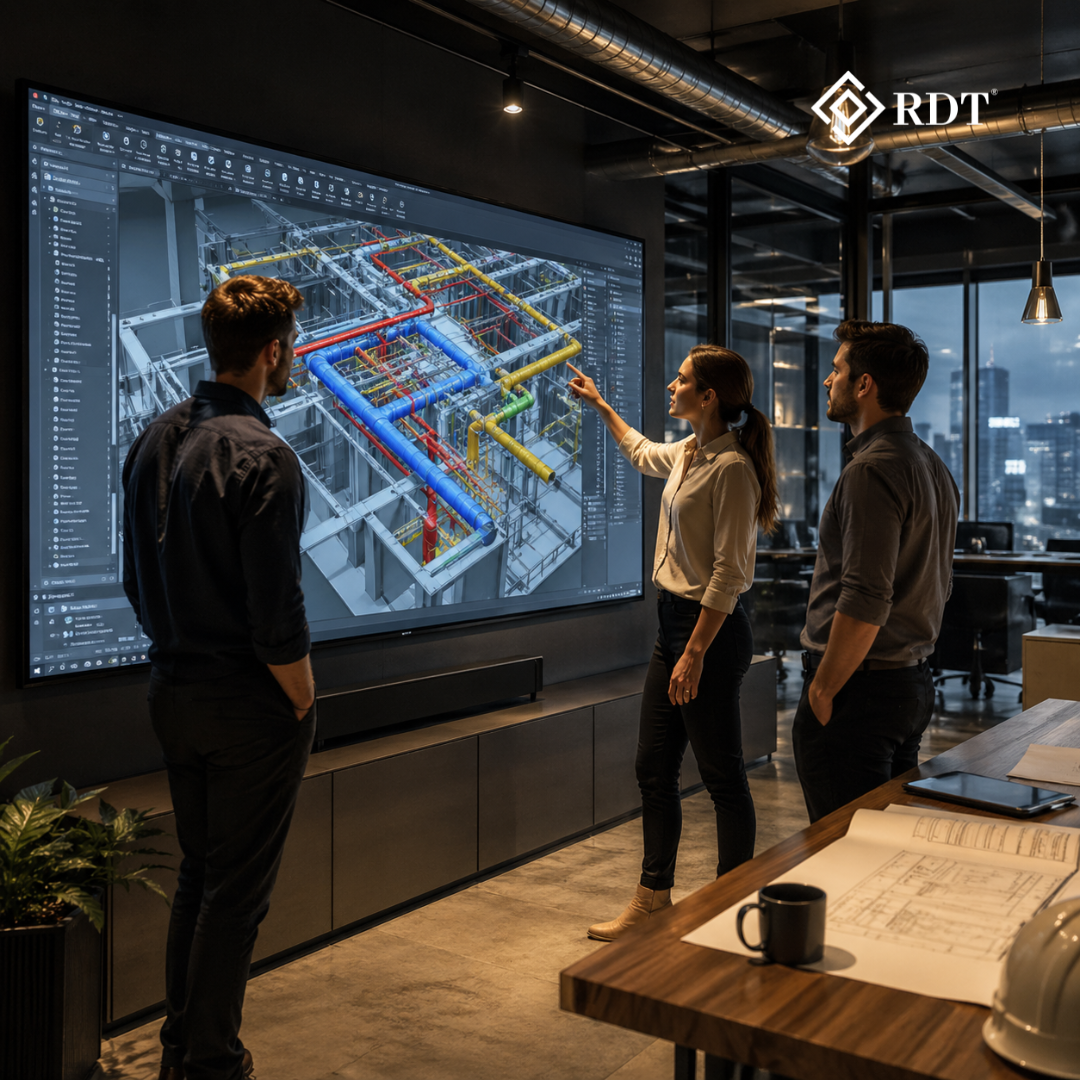
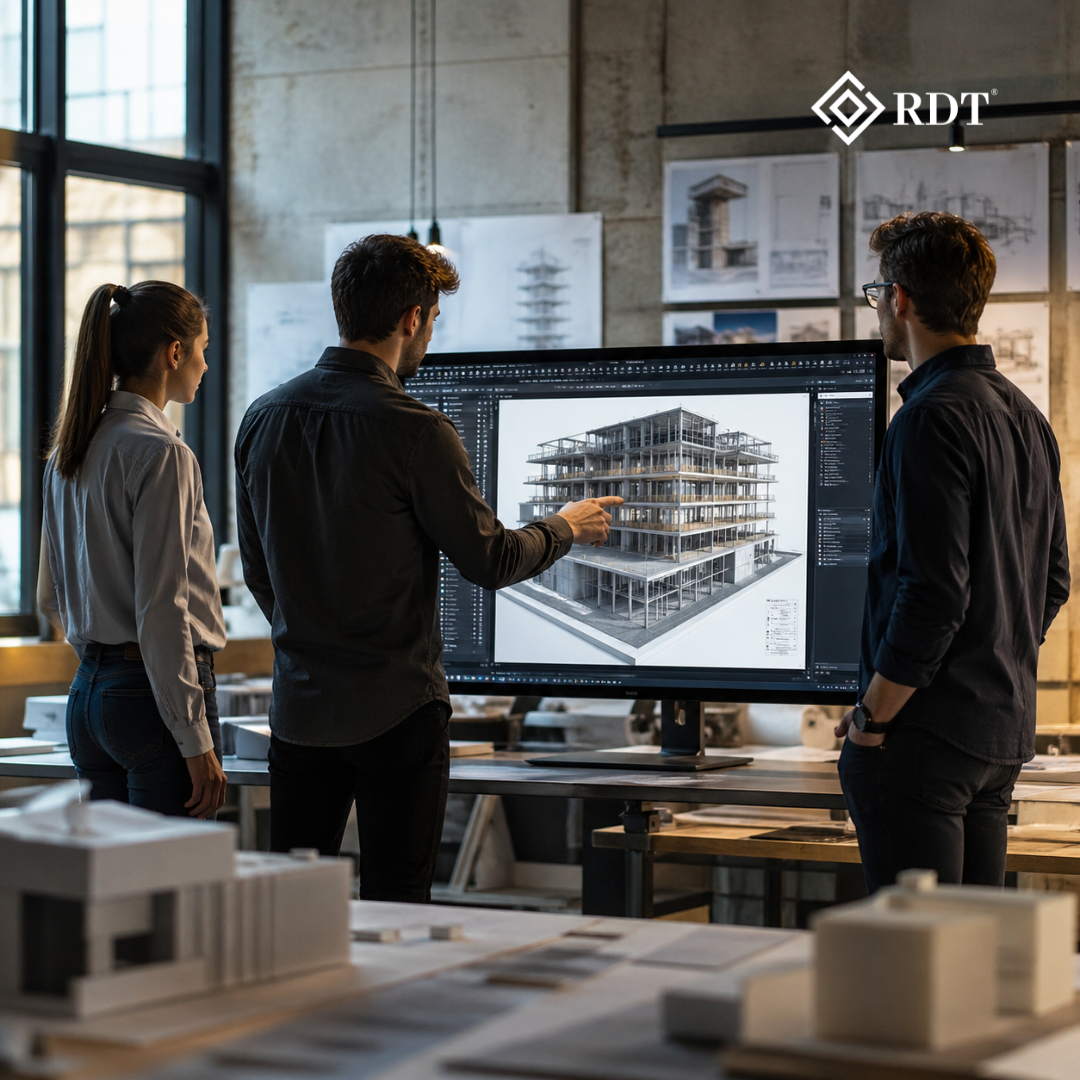
Another major evolution in 2026 will be the deeper integration between rendering, BIM, and documentation.
Renderings will no longer be standalone visuals. Instead, they will be:
- Derived directly from coordinated BIM models
- Aligned with approved documentation
- Consistent across drawings, models, and visuals
This integration ensures accuracy and eliminates discrepancies between what is shown and what is built—further strengthening confidence.
Confidence Through Context and Storytelling
In 2026, rendering will also focus more on context and narrative.
Rather than isolated building images, renderings will show:
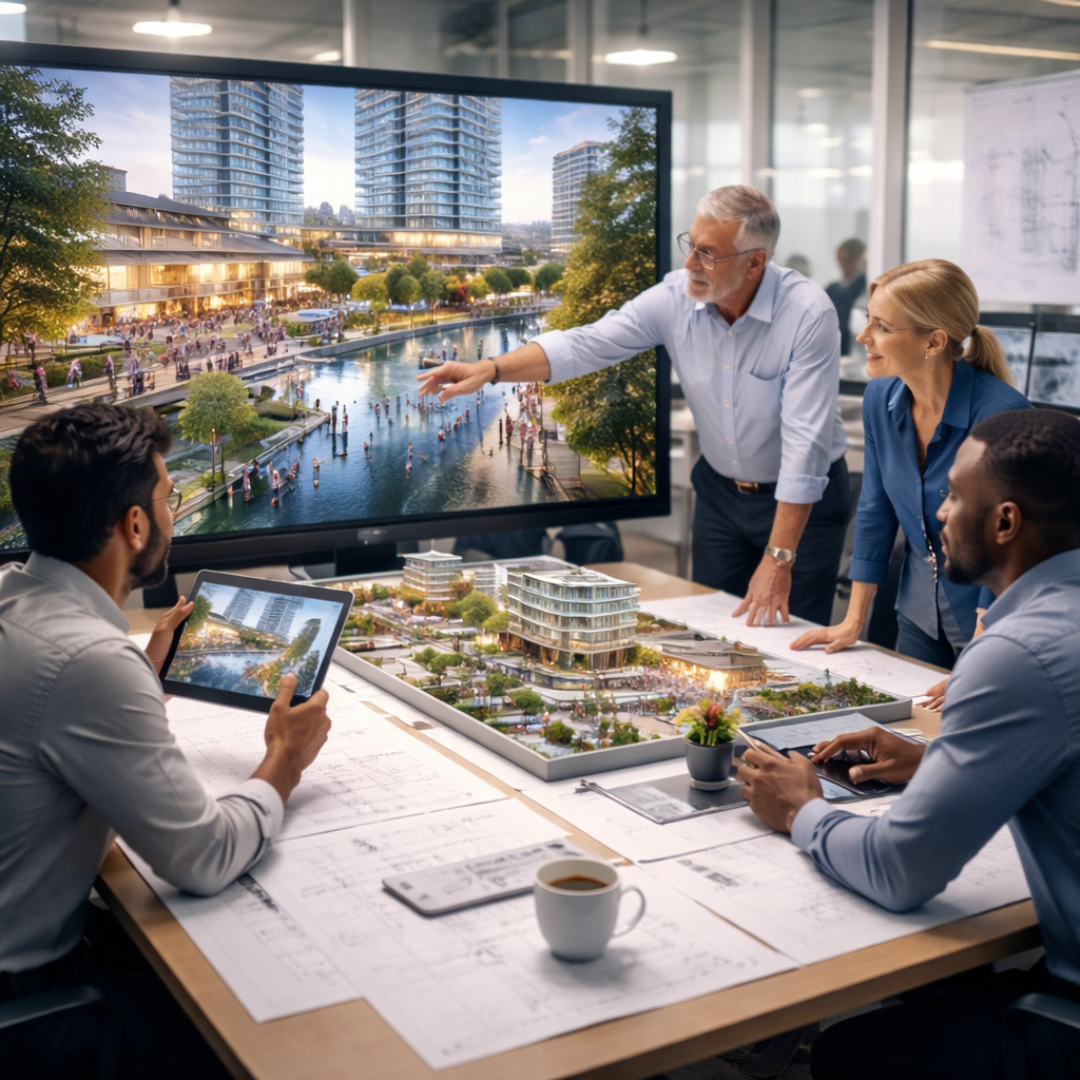
- How a building fits into its surroundings
- How people interact with spaces
- How light, movement, and activity shape experience
This human-centered storytelling helps stakeholders emotionally connect with projects, making confidence intuitive rather than forced.
Rendering for Clients, Not Just Marketing
Another important shift will be the audience for renderings.
In the past, renderings were often created primarily for marketing. In 2026, they will be equally—if not more—important for:
- Client presentations
- Internal decision-making
- Design validation
- Stakeholder workshops
Rendering becomes part of the design and delivery process, not just the sales phase.
The Role of Technology in Confidence-Building
Advancements in rendering technology will further support this evolution:
- Real-time rendering for instant feedback
- VR and immersive walkthroughs
- Lighting and environmental simulations
- Material accuracy and performance visualization
However, technology alone is not enough. Confidence comes from how these tools are applied, interpreted, and aligned with project goals.
Why Not All Renderings Build Confidence
Just as BIM quality varies, so does rendering quality. Poorly executed renderings can actually undermine trust by:
- Misrepresenting scale or materials
- Overpromising visual quality
- Ignoring constructability
- Disconnecting from actual documentation
In 2026, clients will quickly recognize the difference between superficial visuals and professionally crafted, data-aligned renderings.
Rendering Expertise Will Become a Differentiator
As rendering becomes standard, expertise becomes the differentiator.
The firms that stand out will be those that:
- Understand construction realities
- Align renderings with BIM and drawings
- Balance realism with clarity
- Use rendering strategically, not decoratively
Confidence is built when visuals are honest, accurate, and purposeful.
Preparing for 2026: How Firms Must Adapt
To meet rising expectations, organizations should:
- Invest in realistic, data-driven rendering workflows
- Integrate rendering with BIM and documentation
- Focus on accuracy over artistic exaggeration
- Use renderings earlier in the decision-making process
- Partner with experienced visualization teams
The goal is not just to impress—but to reassure.
The Bigger Picture: Rendering as a Trust Engine
In 2025, rendering proved it could move projects forward by securing approvals. In 2026, its role expands further.
Rendering becomes:
- A confidence builder
- A risk mitigator
- A decision-support tool
- A bridge between intent and reality
The projects that succeed will be those where stakeholders feel informed, aligned, and assured—long before construction begins.
Conclusion: From Permission to Belief
2025 won approvals. Renderings helped projects get the green light.
2026 will win confidence. Renderings will help stakeholders believe in decisions, trust outcomes, and commit with clarity.
As expectations rise, the value of realistic, accurate, and integrated rendering will only grow. The future belongs to teams that understand rendering not as an artistic afterthought—but as a strategic force in project delivery.
Build trust, clarity, and confidence through world-class rendering solutions delivered by RDT Technology.