Construction is built on decisions. Every line drawn, every material selected and every sequence planned depends on how well a project is understood before it is built. While budgets, schedules and specifications often receive the most attention, one critical factor is still underestimated across the industry. Visualization. When teams cannot clearly see what they are designing or building, the quality of decisions declines. Poor visualization does not simply cause confusion. It directly leads to mistakes, rework delays and financial loss.
In architecture, engineering and construction visualization is not decoration. It is a decision making tool. The clearer the picture the stronger the decision. When visualization is weak, assumptions take over. And assumptions are one of the most expensive risks in construction.
The gap between drawings and reality
Traditional construction documentation relies heavily on two dimensional drawings. Plans sections and elevations are powerful tools but they demand experience and interpretation. Not everyone on a project reads drawings the same way. Architects may visualize spatial depth from a plan instantly while contractors focus on constructability and sequencing. Clients often struggle the most as they are asked to approve spaces they cannot fully imagine.
This gap between drawing and reality is where problems begin. A plan might show correct dimensions but fail to communicate ceiling height proportions or the relationship between daylight and interior spaces. Elevations may look resolved but do not reveal how materials interact under real lighting conditions. Sections explain structure but rarely communicate human experience.
When visualization is limited to lines on paper each stakeholder fills the gaps differently. Decisions are then made based on incomplete or inaccurate mental images. What looks acceptable on a drawing may feel cramped in reality. What appears simple to build may be complex on site. These disconnects surface late when change is costly.
Early decisions shape the entire project
Most construction outcomes are determined early. Layouts, structural systems, facade strategies and service routes are often finalized before construction begins. If these decisions are made without clear visualization the project carries that risk forward.
Poor visualization at early stages can lead to incorrect space planning. Rooms may meet area requirements but fail functionally. Circulation might technically work but feel inefficient or confusing. Ceiling services may clash because their spatial coordination was never fully visualized.
Once construction starts correcting these issues becomes difficult. Walls are already built, slabs are cast and services installed. Even small changes can trigger a chain reaction affecting cost schedule and quality. All because the original decisions were made without a clear understanding of the final outcome.
Miscommunication between teams
Construction projects involve many disciplines working together. Architecture structure mechanical electrical plumbing interiors and contractors all depend on shared understanding. Visualization is the common language that aligns them.
When visualization is poor each team relies on their own interpretation of drawings. Coordination meetings become reactive rather than proactive. Issues are discovered only when models are overlaid late or when construction has already begun.
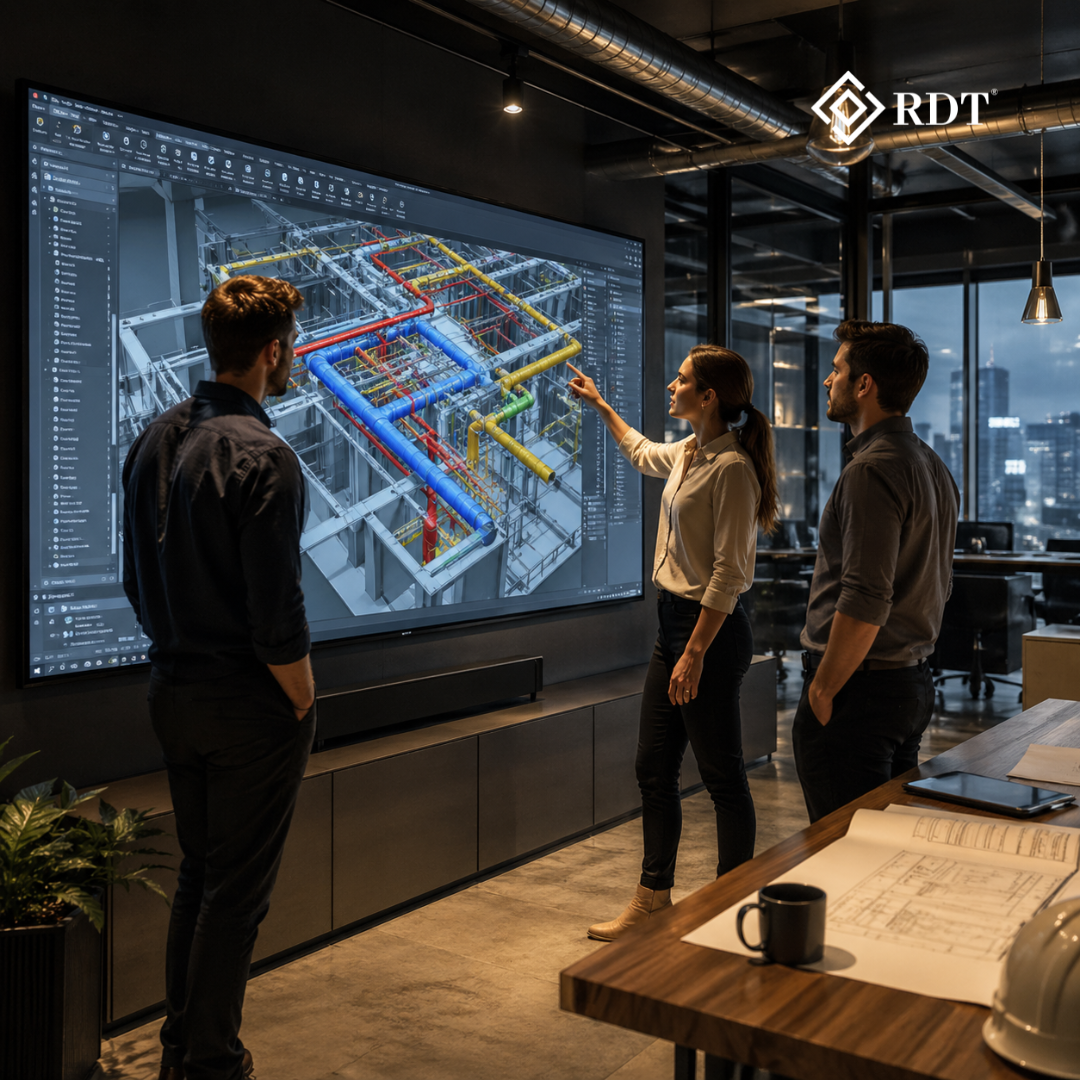
For example a structural beam might technically fit within a section drawing but interfere with lighting design or ceiling heights. Mechanical routes may conflict with architectural features because their spatial impact was never visualized in three dimensions. These conflicts are not design failures alone. They are visualization failures.
Clear visualization allows teams to see problems before they exist physically. Without it coordination depends on imagination rather than evidence.
Client decisions without confidence
Clients are often asked to make critical decisions early. Material selections, layout approvals and budget sign offs all depend on how well they understand the proposal. When visualization is weak clients approve based on trust rather than clarity.
This lack of confidence shows up later. Once construction begins and spaces take shape clients may realize that the outcome does not match their expectations. Requests for changes increase not because the design is wrong but because it was never clearly communicated.
Late stage changes are among the most expensive aspects of construction. They interrupt schedules, strain relationships & exaggerate costs. Numerous of these problems could be bypassed if clients were able to clearly see and experience the design before authorizing it.
Great visualization authorizes clientele to make aware decisions early. Poor visualization pushes decision making into the construction phase where flexibility is limited.
On site decisions under pressure
Construction sites are environments of consistent decision making. Site engineers & supervisors usually need to react rapidly to unexpected circumstances. When visualization is inadequate these decisions are made with insufficient context.
If construction documents do not clearly convey intent site teams may improvise. While experienced professionals do their best improvisation introduces risk. Small deviations can accumulate leading to skewness with the original design intention.
Clear visual references such as coordinated models or realistic views help site teams understand not just what to build but why it is built that way. This context improves judgement when unexpected situations arise. Without it decisions become purely technical rather than holistic.
Impact on safety and quality
Visualization also affects safety and quality. Poorly visualized construction sequences can lead to unsafe site conditions. Temporary works access routes and service installations need to be understood spatially to ensure safe execution.
Quality suffers when details are not clearly visualized. Junctions between materials, facade details and interior finishes require precise understanding. Two dimensional details often fail to communicate how elements come together in real space. This results in inconsistent workmanship and on site adjustments.
When teams can clearly visualize details, quality improves because expectations are clear. There is less room for interpretation and fewer compromises made under pressure.
Technology has raised expectations
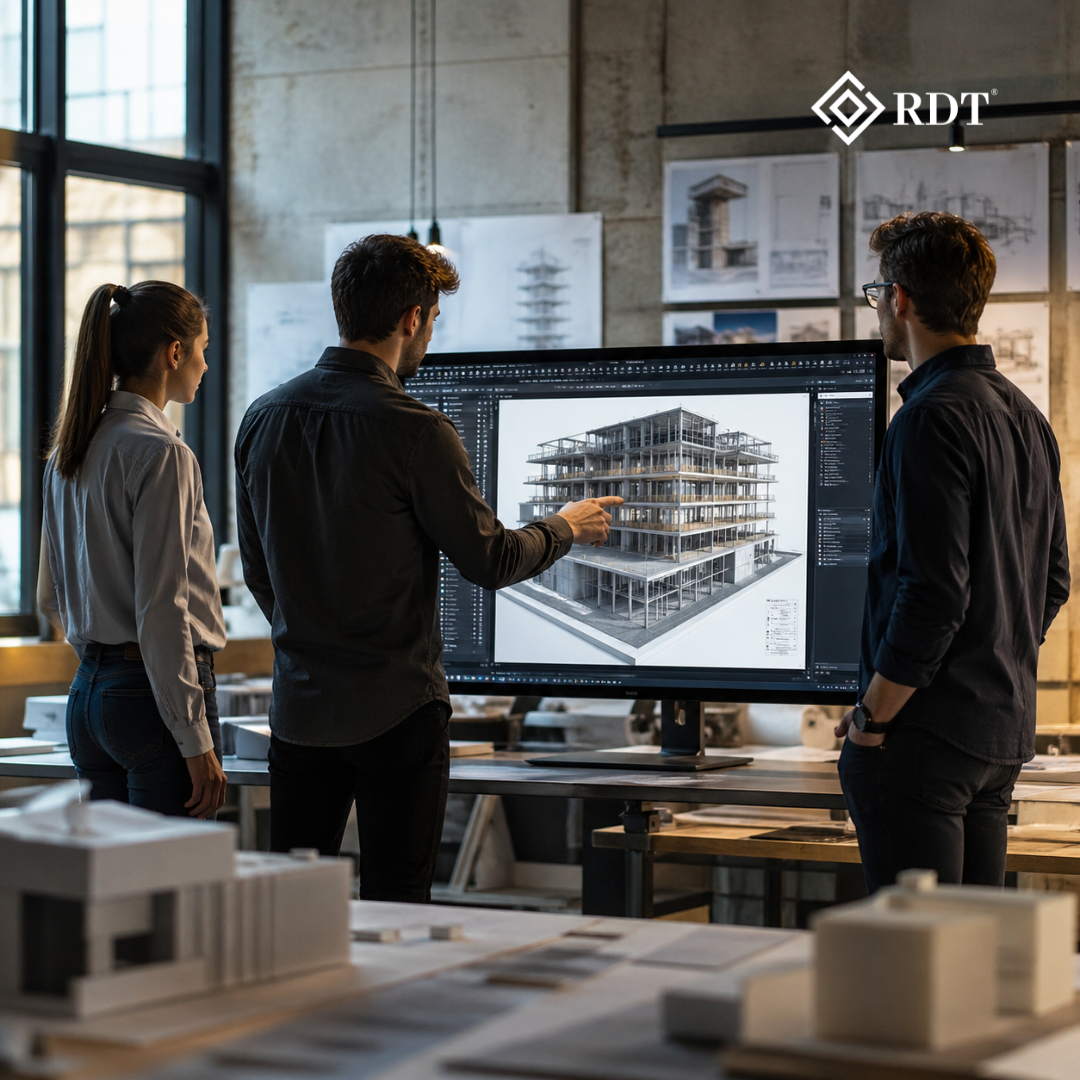
The construction industry has access to powerful visualization tools today. Building information modeling, realistic rendering and virtual walkthroughs allow projects to be seen long before they are built. These tools are no longer optional enhancements. They are becoming essential for risk management.
Despite this many projects still rely heavily on traditional documentation alone. Visualization is treated as a marketing exercise rather than a design and coordination tool. This mindset limits its value.
Visualization should be integrated into decision making not added at the end. When used early it reveals issues that drawings alone cannot. When used collaboratively it aligns teams around a shared understanding.
Cost of poor visualization
The financial impact of poor visualization is significant. Rework delays material wastage and claims often trace back to misinterpretation. While it is difficult to quantify visualization failures directly their consequences are visible on almost every troubled project.
Investing in better visualization upfront often reduces overall project cost. Decisions are made with confidence, changes are minimized and construction flows more smoothly. The return on clarity is high.
A shift in approach
Enhancing visualization is not only about accepting modern tools. It requires a shift in approach. Visualization must be seen as a core part of design development and construction planning.
Design teams should use visualization to test assumptions rather than present finished ideas. Contractors should engage with visual models to plan sequencing and logistics. Clients should be encouraged to explore spaces visually before approving them.
When visualization becomes a shared process rather than a final deliverable decision quality improves across the board.
Conclusion
Poor visualization leads to poor construction decisions because it leaves too much to interpretation. In an industry where margins are tight and complexity is high there is little room for assumptions. Every unclear space, every unresolved detail and every misunderstood drawing increases risk.
Clear visualization replaces guesswork with understanding. It aligns teams, builds client confidence and supports better decisions at every stage. As construction continues to evolve the projects that succeed will be those that see clearly before they build.
Strengthen decision clarity and seamless collaboration across your projects with RDT Technology where visualization turns understanding into confident construction outcomes.