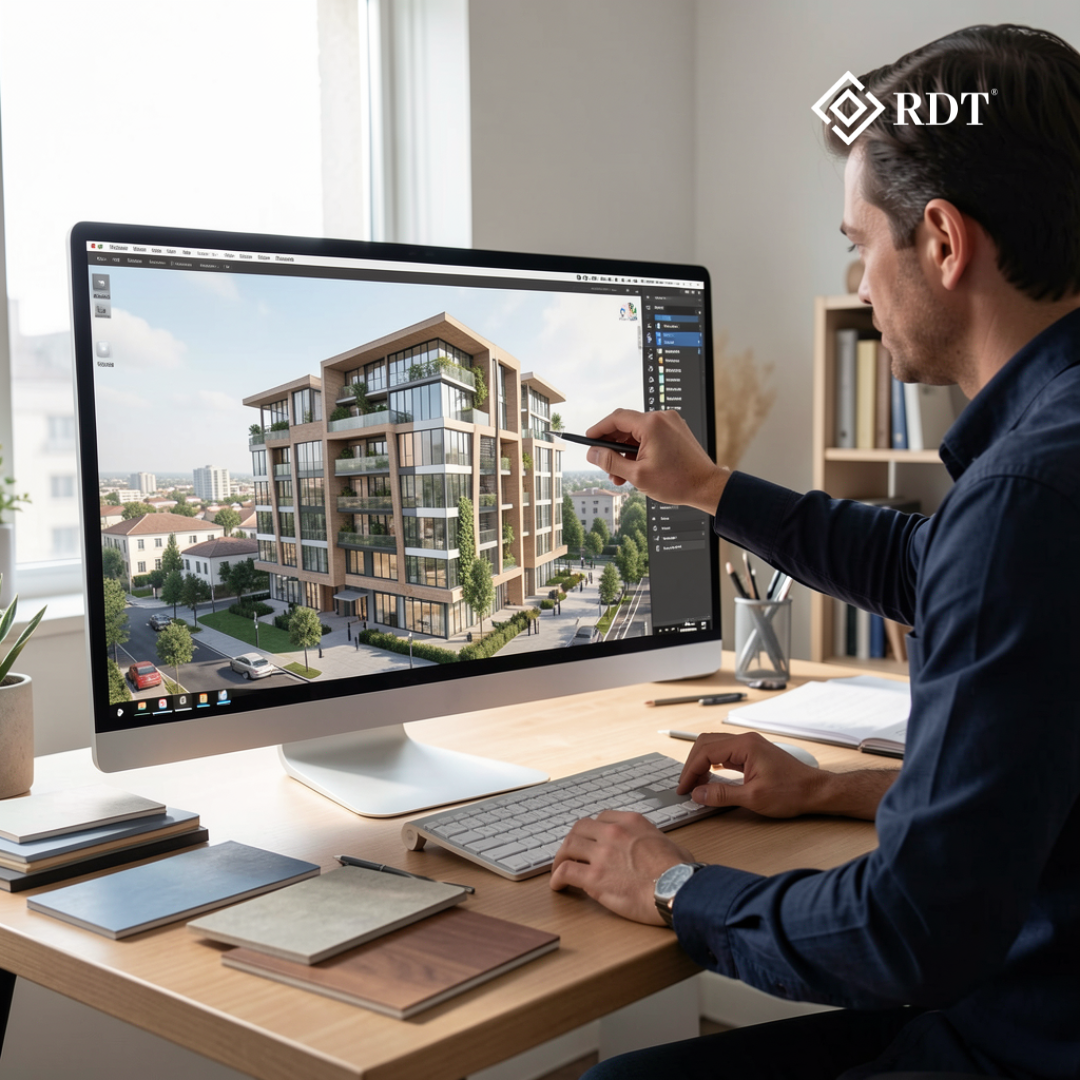
In the modern architecture and construction industry, visual communication has become as important as technical accuracy. Before a building is constructed, stakeholders want to see how the project will look, feel, and function in the real world. This is where photorealistic architectural rendering plays a vital role. It transforms design concepts into highly realistic visuals that help architects, developers, and clients understand the final outcome of a project.
Photorealistic rendering is not simply about creating attractive images. It is about achieving realism through careful attention to detail. Every element within a rendered scene contributes to the overall perception of authenticity. From lighting conditions to textures and environmental context, small details work together to create images that appear almost indistinguishable from real photographs.
When these details are executed correctly, architectural renderings become powerful tools for design communication, marketing, and decision making.
Understanding Photorealistic Architectural Rendering
Photorealistic architectural rendering refers to the process of generating highly realistic images of buildings and spaces using advanced 3D visualization technology. These renderings simulate real world lighting, materials, reflections, and environmental conditions to produce visuals that closely resemble actual photographs.
Architects and visualization professionals use rendering software to convert digital models into compelling images that communicate design intent. These visuals allow viewers to explore spaces that have not yet been built.
Photorealistic renderings are widely used in several areas of the architecture, engineering, and construction industry, including:
- Real estate marketing
- Architectural presentations
- Investor proposals
- Client approvals
- Urban planning projects
While the technology behind rendering software is advanced, achieving convincing realism still depends heavily on how well the details are crafted.
The Role of Detail in Achieving Realism
Human perception is extremely sensitive to visual inconsistencies. When a viewer looks at a rendering, the brain quickly analyzes whether the scene looks natural or artificial. Even small inaccuracies can break the illusion of realism.
Detail acts as the bridge between a simple digital model and a believable visual representation of a building.
A photorealistic rendering includes multiple layers of detail that must work together seamlessly. These include lighting behavior, material accuracy, environmental context, and scale. Each of these components contributes to the authenticity of the final image.
When detail is overlooked, the rendering can appear flat, artificial, or incomplete. However, when the details are carefully refined, the result can look almost identical to a real photograph.
Accurate Lighting Creates Realistic Atmosphere
Lighting is one of the most important elements in photorealistic architectural rendering. It defines mood, depth, and spatial clarity.
In real life, light behaves in complex ways. It reflects, diffuses, and interacts with surfaces in subtle patterns. A high quality rendering replicates this behavior through advanced lighting simulations.
Natural daylight must enter the space in a realistic direction based on the time of day and geographic location. Shadows must fall naturally and soften gradually as they move away from objects.
Interior lighting also plays a major role. Light fixtures should emit illumination that interacts with nearby surfaces such as walls, floors, and furniture. Reflections and indirect lighting help create the subtle glow that viewers expect in real environments.
Without accurate lighting, even the most detailed architectural model can appear unrealistic.
Material and Texture Accuracy
Materials are another essential factor that contributes to photorealism. In reality, surfaces are rarely perfect. They contain subtle imperfections such as grain patterns, reflections, and slight variations in color.
A high quality rendering carefully replicates these properties.
For example, wood surfaces must display natural grain patterns. Concrete walls should have slight texture variations. Glass should reflect surrounding elements realistically while still allowing transparency.
Textures also need to respond to light in the same way they would in real life. Glossy surfaces should reflect highlights, while rough surfaces should diffuse light softly.
When materials are accurately represented, the viewer subconsciously recognizes the realism within the image.
Environmental Context Enhances Believability
A building does not exist in isolation. It interacts with its surrounding environment. Including contextual elements within a rendering helps make the visual feel complete and believable.
Landscape features such as trees, grass, and pathways contribute to the natural setting of a project. Urban elements such as nearby buildings, roads, and street lighting help establish the architectural context.
Weather conditions can also influence realism. Soft sunlight, cloudy skies, or evening lighting can create different moods within the same scene.
Even small additions like parked vehicles, outdoor furniture, or people walking nearby can significantly improve the realism of the rendering.
These contextual details help viewers imagine how the building will function in the real world.
Scale and Proportion Build Trust
One of the key challenges in architectural visualization is accurately representing the scale of a building.
If the proportions within a rendering appear incorrect, viewers may lose confidence in the design. Proper scaling of elements such as doors, windows, furniture, and human figures helps communicate realistic dimensions.
People within the scene provide a visual reference that allows viewers to understand the size of spaces. Trees and landscape elements also help define scale within exterior renderings.
When proportions are accurate, viewers gain a clearer understanding of how the building will feel once constructed.
Micro Details That Elevate Visual Quality
While large design elements form the structure of a rendering, smaller details often determine whether the image feels authentic.
These micro details include subtle reflections on glass, minor surface imperfections, realistic vegetation, and natural movement within the scene.
For instance, curtains may gently fold near windows, while reflections on polished floors might reveal nearby furniture. Outdoor environments may include fallen leaves, slight grass variations, or subtle ground textures.
These details may seem small individually, but together they create visual richness and realism.
Professional visualization artists spend significant time refining these aspects because they dramatically influence the final quality of the rendering.
The Impact of Detail on Client Communication
Architectural projects often involve multiple stakeholders including clients, investors, contractors, and planners. Each of these groups needs to understand the design clearly.
Photorealistic renderings help bridge the gap between technical drawings and visual understanding. Detailed visuals allow clients to explore the building before construction begins.
When a rendering includes realistic materials, lighting, and environmental context, viewers can better imagine how the space will look and feel. This clarity reduces confusion and helps accelerate decision making.
Clients are also more confident when they see a design presented through highly detailed visuals.
Photorealistic Rendering as a Marketing Tool
In real estate and property development, visual appeal plays a critical role in attracting buyers and investors. Photorealistic renderings allow developers to promote projects even before construction begins.
Marketing campaigns often rely on high quality visuals that showcase architectural features, interior spaces, and surrounding landscapes.
Detailed renderings create emotional engagement with potential buyers. When viewers see a realistic representation of a living space, they can imagine themselves within that environment.
This emotional connection is one of the strongest advantages of photorealistic visualization.
Properties that are presented through high quality renderings tend to attract more interest, generate stronger marketing engagement, and secure faster approvals from stakeholders.
Supporting Design Decisions
Architectural rendering is not only used for presentation and marketing. It also supports the design development process.
By visualizing the building in detail, architects can identify potential issues before construction begins. Lighting conditions, material combinations, and spatial relationships can all be evaluated through realistic renderings.
For example, designers may adjust window placements after analyzing daylight behavior within the rendering. Interior material choices may also change when visualized in a realistic setting.
These adjustments help improve the final design while avoiding costly changes during construction.
The Future of Photorealistic Architectural Visualization
Advancements in rendering technology continue to push the boundaries of realism. Modern tools now support real time rendering, artificial intelligence assisted workflows, and immersive experiences such as virtual reality.
Despite these technological improvements, the importance of detail remains unchanged. Software can generate visuals quickly, but true photorealism still depends on the expertise of visualization professionals who carefully refine each element within the scene.
Future rendering solutions will likely provide even greater control over lighting simulations, material behavior, and environmental interactions.
As the demand for high quality architectural visuals grows, the value of detailed rendering will continue to increase across the architecture and construction industry.
Conclusion
Photorealistic architectural rendering has become an essential component of modern design communication. It allows architects, developers, and clients to visualize projects long before construction begins.
However, achieving convincing realism requires more than powerful software. It depends on the careful refinement of countless visual details. Lighting accuracy, material textures, environmental context, and scale all contribute to the authenticity of the final image.
When these details are executed correctly, renderings become powerful storytelling tools that communicate architectural vision with clarity and impact.
Detailed photorealistic visuals not only enhance presentations but also support better design decisions, stronger marketing strategies, and improved client confidence.
If you want to present your architectural projects with stunning realism and precision, expert visualization can make a significant difference. RDT Technology delivers high quality photorealistic architectural rendering services that help architects, developers, and construction professionals showcase their designs with clarity and visual impact.
Contact RDT Technology today to transform your architectural concepts into compelling photorealistic visuals that elevate your project presentations and marketing success.