
In today’s dynamic construction world, creativity is not just an option—it’s a requirement. The Architecture, Engineering, & Construction (AEC) industry has stepped into an era where accuracy, collaboration, and digital intellect define success. And in this digital shift, one truth surpasses more obviously than ever:
“No one cares until you are BIM coordinated, visualized, or modeled.”
It may sound dull, but it’s a phrase that completely captures how value is noticed in the advanced construction atmosphere. Individuals, either clients, contractors, or designers, usually stay unconcerned once they can notice, understand, and believe what you have made—digitally. Once your project is coordinated, visualized, & modeled with Building Information Modeling (BIM), everything transforms. Communication sharpens, belief rises, and your work ultimately gets the attention it deserves.
This blog unwraps what this statement truly means in the context of BIM. We will examine why coordination, visualization, & modeling form the basis of meaningful recognition and effectiveness in construction—and why embracing these aspects is important to stay appropriate in a competitive, datacentric world.
Understanding the Essence of BIM
Before diving in depth, it’s significant to know what BIM truly illustrates. BIM, or Building Information Modeling, is beyond a 3D modeling procedure—it’s a full digital procedure to the design, construction, and administration of buildings. It combines each piece of detail into a sole, intelligent model that enables all investors—architects, engineers, contractors, and owners—to join forces smoothly.
However, despite its extensive acceptance, several projects still battle to gain real recognition or stakeholder assurance until they reach a specific phase of BIM maturity. That phase starts when the project becomes coordinated, visualized, & modeled.
In basic terms, BIM changes your notions into intelligence. But that intelligence only becomes noticeable—and beneficial—once coordination & visualization make it obvious to everyone involved.
The Harsh Reality: Why ‘No One Cares’
In the early design or planning phases, your work may stay abstract to others. Investors might not fully know the technical aspects, the potential clashes, or the total vision. They can not see what you see.
And that’s where the disconnect lies.
Never mind how magnificent your design or purpose may be, without transparency, it’s invisible to others. But once BIM coordination steps into the picture, everything becomes real. Systems line up, conflicts are solved, and an obvious visual image emerges. All of a sudden, what was once intangible becomes comprehensible.
It’s not that people don’t give a damn about your work—it’s that they can not appreciate what they can’t imagine.
And that’s why being BIM coordinated, visualized, and modeled is not only technical superiority—it’s conversational excellence.
BIM Coordination: The Basis of Collaboration
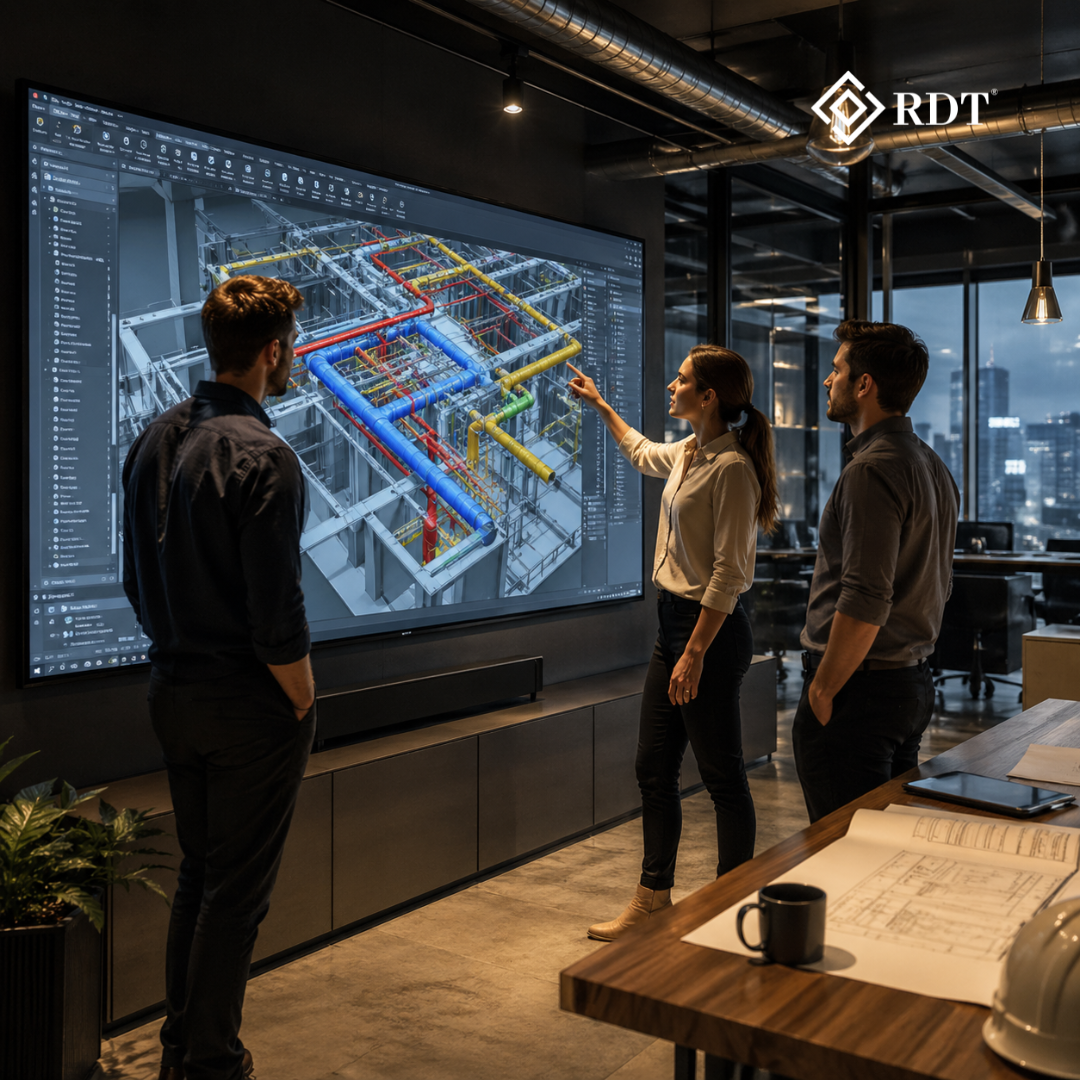
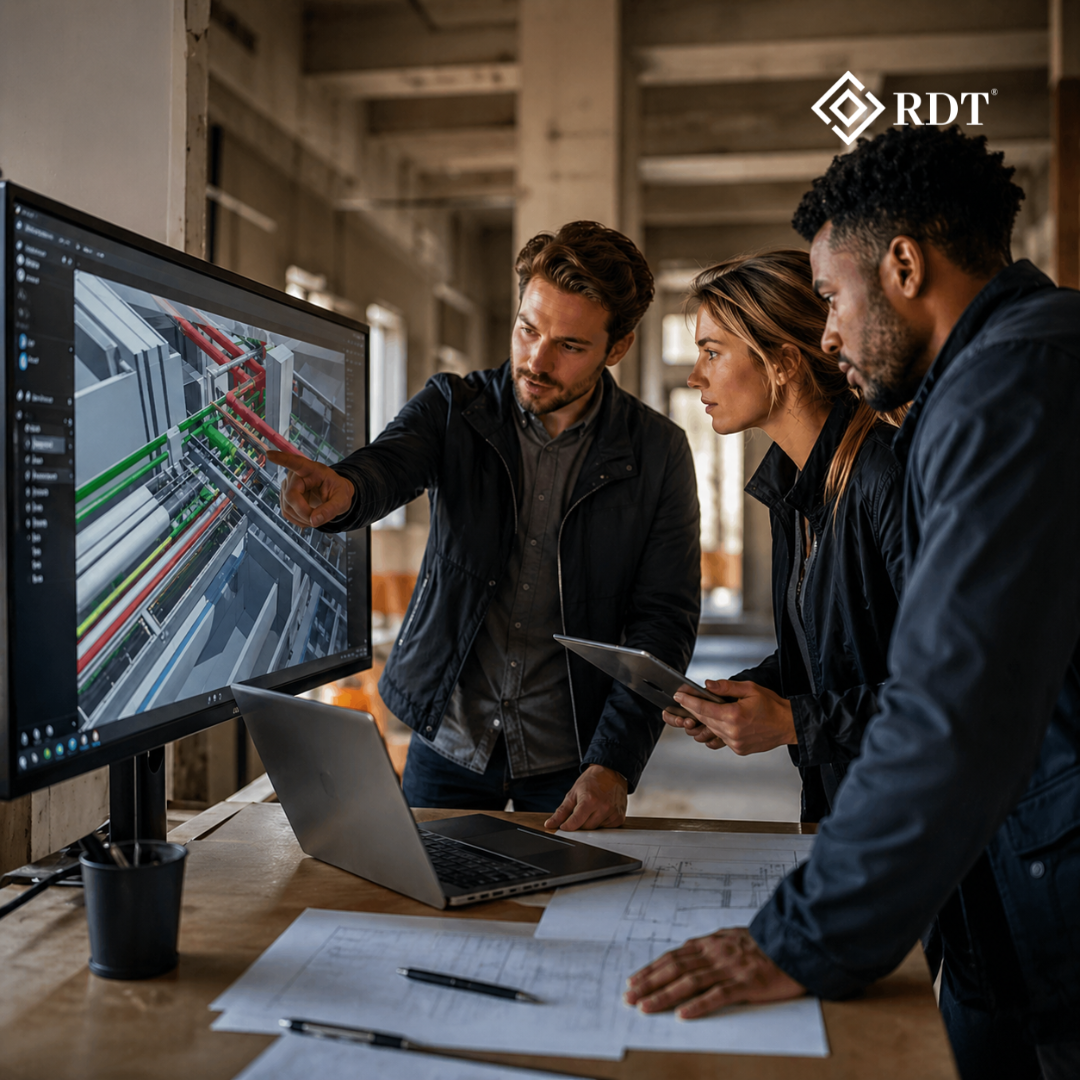
At the core of each successful project lies BIM coordination. Coordination guarantees that architectural, structural, & MEP components collaborate without clash. It’s the procedure of bringing all disciplines onto an individual digital platform where possible challenges are detected and solved long before construction starts.
Without coordination, even the beautifully designed systems can conflict, leading to expensive on-site postpones and misunderstandings.
With coordination, however, the design becomes an integrated discussion—one where each team knows how their contribution influences the comprehensive project.
Why Coordination Changes Everything
BIM coordination changes how people recognize your project. Once the harmonized model is presented:
- Clashes are evidently solved.
- Communication becomes clear.
- Decision-making speeds up.
- Teams begin to believe in the digital procedure.
This is the spot where consideration and concern appear—because coordination offers what each investor values most: transparency.
Visualization: Turning Complication into Understanding
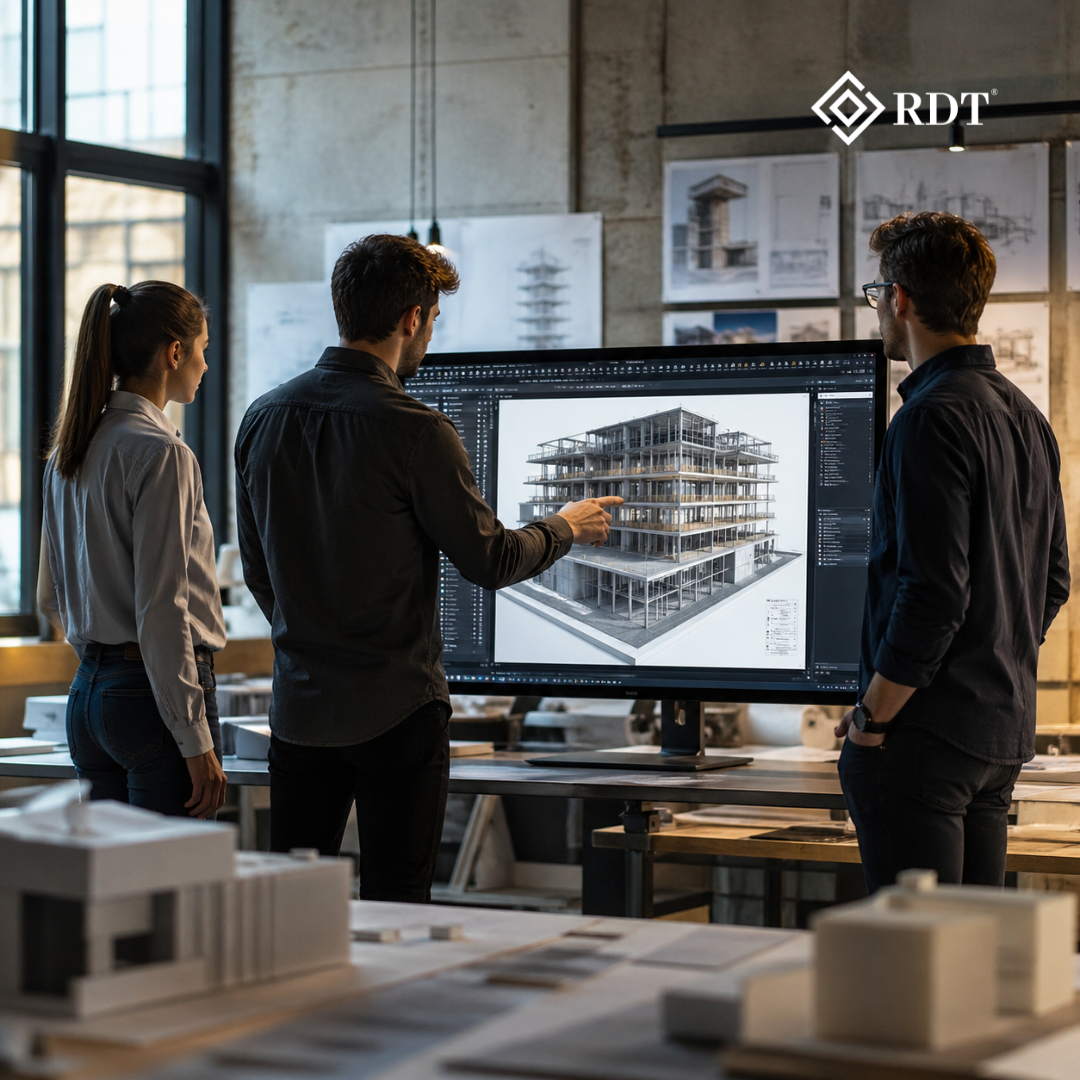
The next phase of change comes with BIM visualization. Coordination guarantees precision, but visualization guarantees knowledge. It takes technical design and shifts it into a comprehensible, visually rich representation that everyone—from clients to construction administrators—can interpret.
Visualization makes the abstract tangible. It assists investors not just see the design but feel its purpose. Colors, spaces, lighting, substances—everything can be imagined to mirror reality. And with that, involvement naturally follows.
Why Visualization Inspires Confidence
Visualization shifts the whole conversation around a project. Rather than debating over technical drawings, teams debate existent spaces and potential. It links the communication gap between technical & non-technical minds.
When investors can imagine an interconnected model:
- They know spatial relationships immediately.
- They feel proprietary of the project.
- They become invested sentimentally & intellectually.
This is when “no one cares” twists into “everyone’s concerned.” Visualization gives life to your coordination efforts and guarantees that your project is understood—not just sanctioned.
Modeling: The Digital DNA of Construction
At the base of both coordination as well as visualization lies BIM modeling—the digital DNA of construction. Modeling is where each beam, wall, duct, & pipe takes shape digitally, every component carrying layers of details related to price, substantial, performance, and lifecycle.
Modeling is not only design—it’s intelligence. It’s where details meet geometry and change into actionable data that supports decision-making throughout each project stage.
Why Modeling Earns Recognition
A BIM model is beyond a visual reference; it’s a data-packed environment that authorizes everyone involved:
- Designers can examine performance & precision.
- Contractors can withdraw quantities & schedules.
- Managers can understand long-term support & operations.
Once a project reaches the modeling phase, it develops from idea to a digital model—something that not just illustrates design purpose but also forecasts results. This is the moment when others start to see the worth in what you have created.
Modeling changes skepticism into assurance and ideas into fact. It’s no wonder people just initiate to care once modeling makes everything noticeable, measurable, and trustworthy.
The Psychology Behind Visibility and Value
Why do people unexpectedly begin to care once BIM coordination, visualization, or modeling comes into the scene? The reply lies in human mentality.
Humans are visual thinkers. We process images & visuals many times quicker than text. When displayed with a complicated design, the majority of people battle to interpret conventional 2D drawings or documents. But once they see a harmonized and visualized BIM model, understanding becomes immediate.
It’s not disinterest—it’s low visibility.
When details are visual, structured, & coordinated, people surely answer with curiosity, involvement, & appreciation.
BIM works because it equalizes with this inborn necessity for transparency before promise. It links the gap between technical depth & perceptual simplicity. And that’s why, in the AEC industry, transparency commands care.
From Isolation to Integration: The BIM Mindset
Common construction workflows usually suffer from silos. Architects, engineers, & contractors function in individual spheres, swapping details with static documents. This disconnected communication results in misunderstanding, inadequacy, and mistakes.
BIM excludes those silos. With coordination, visualization, & modeling, it creates an united environment where everybody works with joint data and shared objectives. This incorporation builds faith—not only in technology, but between people.
When teams notice how their individual work donates to the greater digital model, they work together more efficiently. Rather than competing for space or priority, they harmonize for success.
That’s when care and liability exchange confusion & delay.
The Power of Transparency in a Competitive Industry
In a sector where time, precision, and teamwork define profit, BIM transparency is power. Being harmonized, visualized, and modeled doesn’t only make a project effective—it makes it trustworthy. It positions you as a team that’s ready, accurate, and professional.
Here’s why it matters:
- Coordination blocks errors before construction starts.
- Visualization communicates design intention certainly to all investors.
- Modeling guarantees precision and predictability across the project lifecycle.
Together, these components don’t only enhance workflow—they redefine your project’s fame.
When investors believe what they notice, they believe the team behind it.
The Cost of Remaining Uncoordinated
Projects that skip BIM coordination or visualization usually confront a cascade of problems. Misconceptions rise. Drawings clash. Revisions increase. The outcome? Lost time, inflated expenses, and defective reliability.
On the opposite side, BIM-coordinated & visualized projects experience efficient communication, quicker sanctions, and lesser shocks on site.
In today’s aggressive market, being BIM-ready isn’t only advantageous—it’s vital for survival and success.
The phrase “No one cares until you are BIM coordinated, visualized, or modeled” is not about self-respect; it’s about effect. Until coordination & visualization make the project comprehensible, even the best work risks being neglected.
The Future of AEC Lies in BIM Maturity
The AEC industry is developing quickly in the direction of digital consolidation, sustainability, and datacentric construction. BIM stands at the core of this development.
But reaching full potential demands beyond using BIM—it demands mastering it.
Future-ready firms concentrate not only on making models but on attaining BIM maturity, where coordination, visualization, & modeling flow smoothly throughout each project stage. This maturity results in wiser decisions, lesser risks, and better value delivery.
In this future, attention, regard, and identification will certainly follow those who are fully BIM-coordinated, visualized, & modeled.
Embracing the BIM Vision with RDT Technology
At RDT Technology, we know that the route to genuine project recognition initiates with accuracy, transparency, & collaboration. Our approach rotates around assisting teams embrace intelligent BIM workflows that change design intention into data-rich, coordinated, & visualized results.
We concentrate on making atmospheres where transparency drives care, guaranteeing that your project communicates value from the very first presentation.
By highlighting the power of coordination, visualization, & modeling, we authorize you to work wiser, quicker, and with greater confidence in each detail.
Because in the current AEC landscape, no one cares until you are BIM coordinated, visualized, or modeled—and that’s where RDT Technology guarantees you always excel.