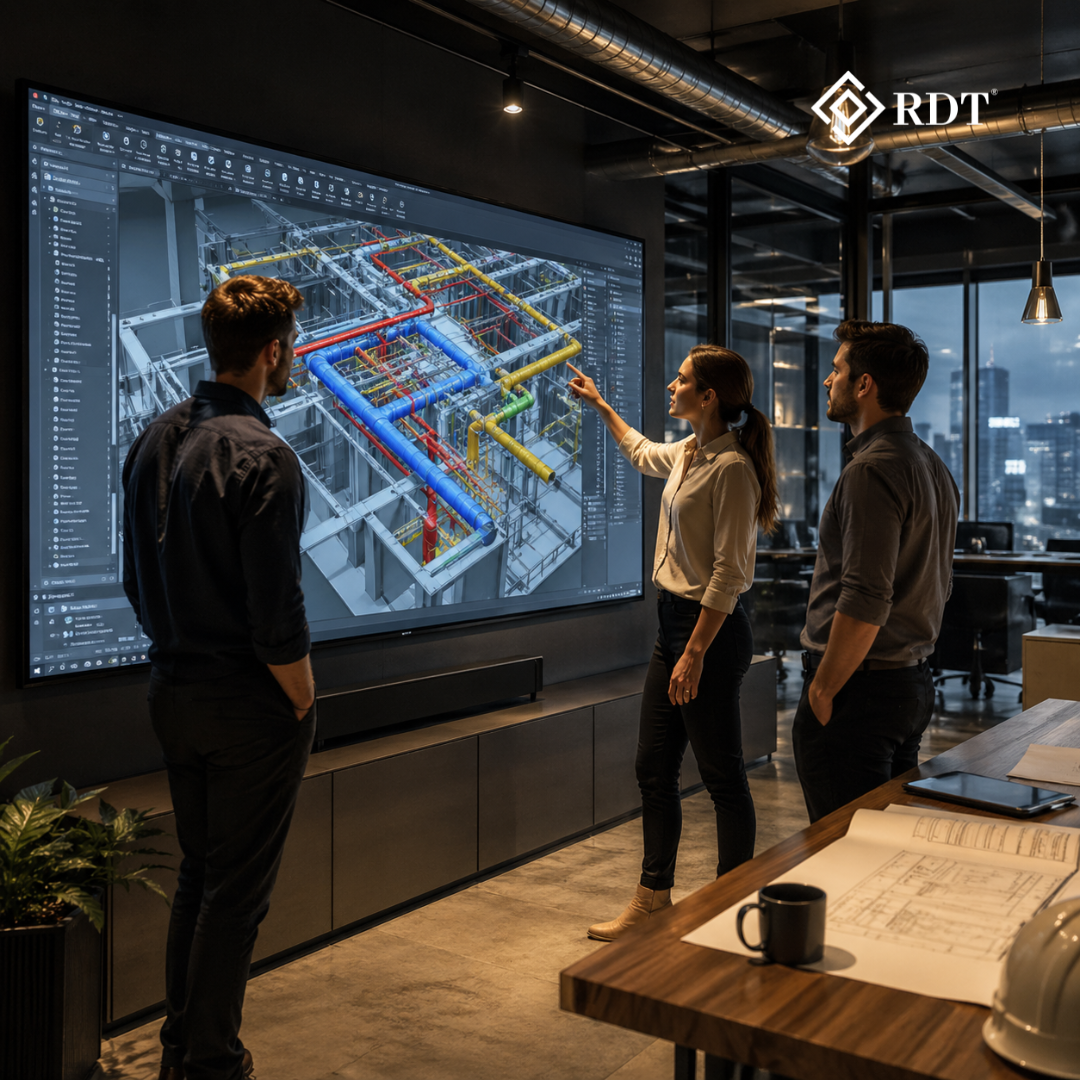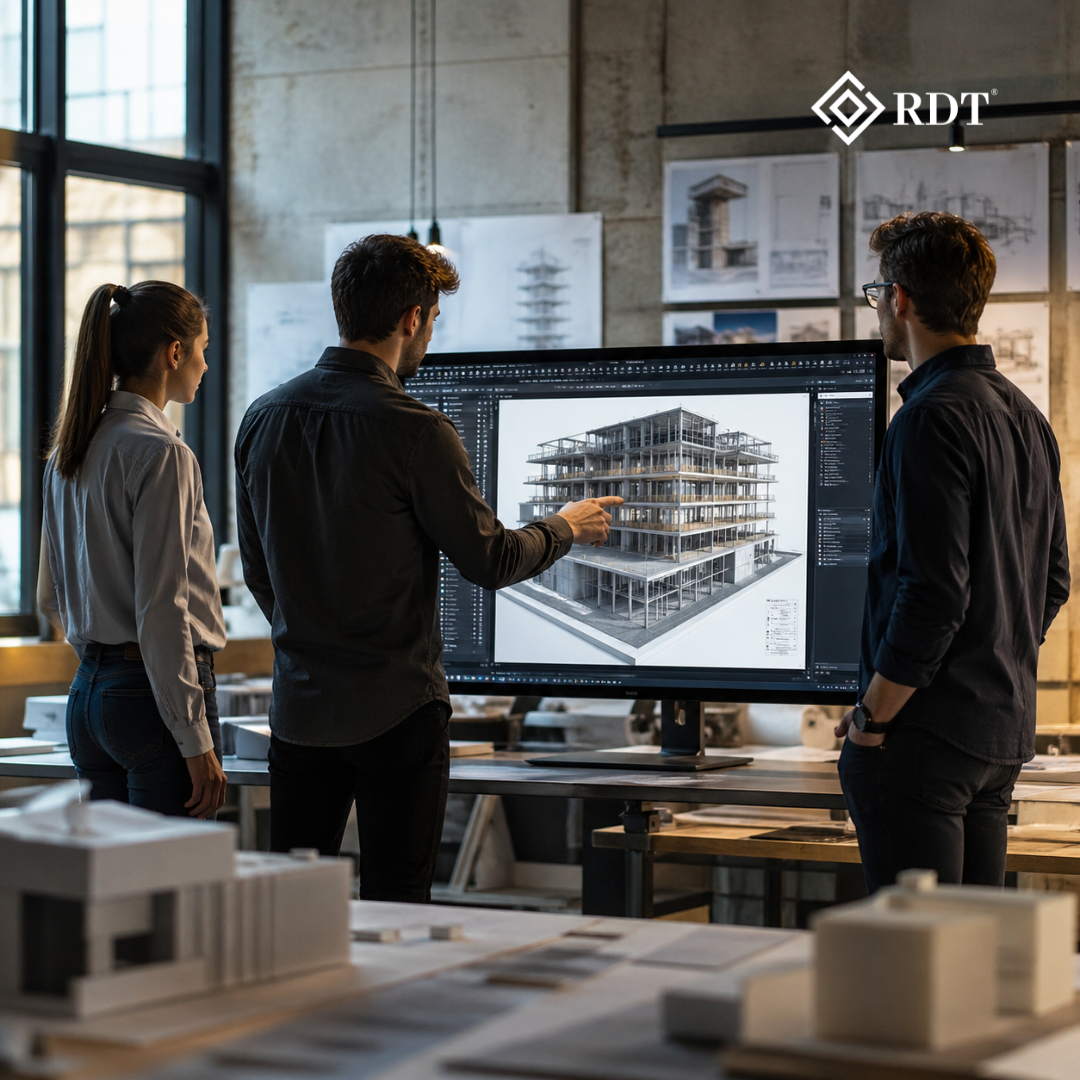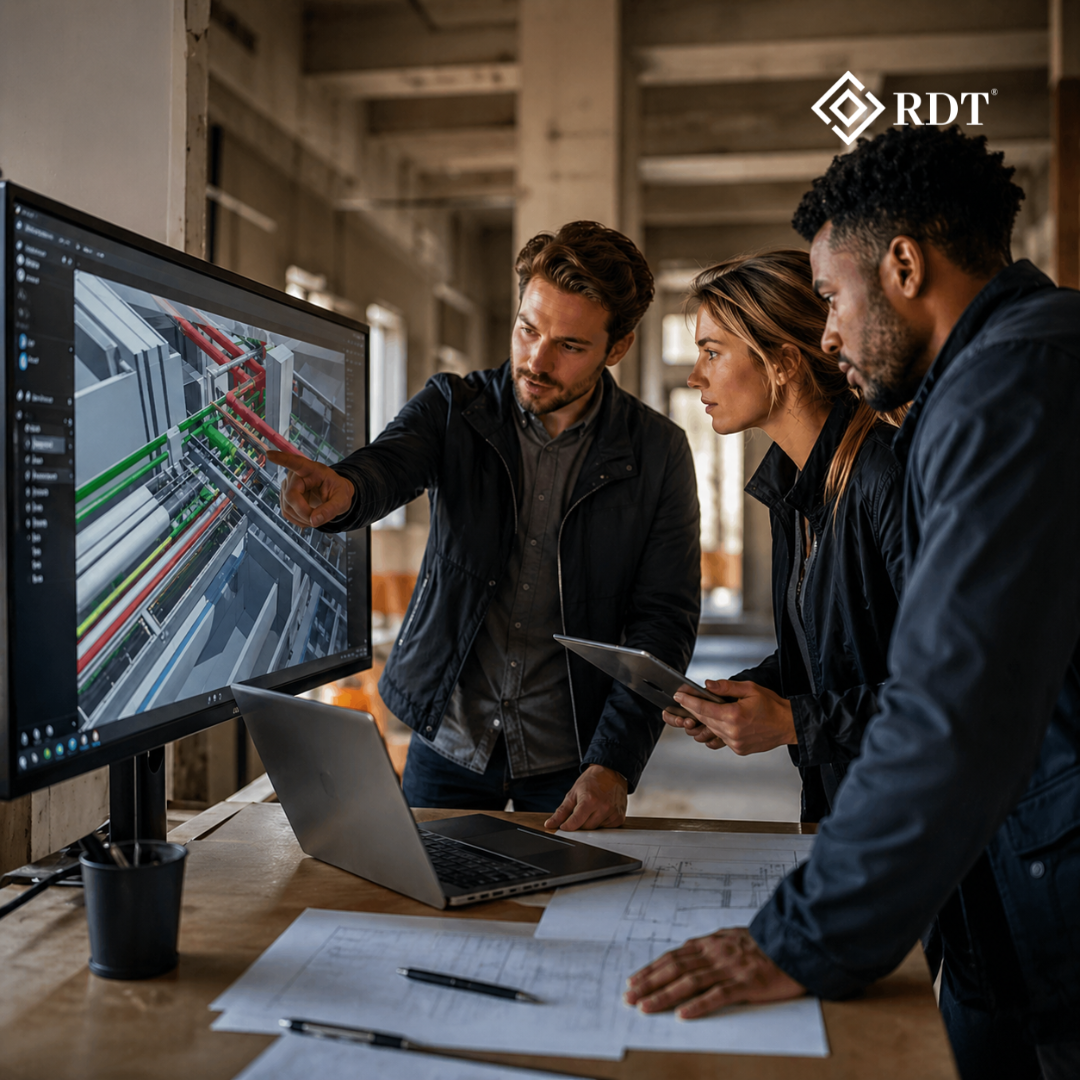
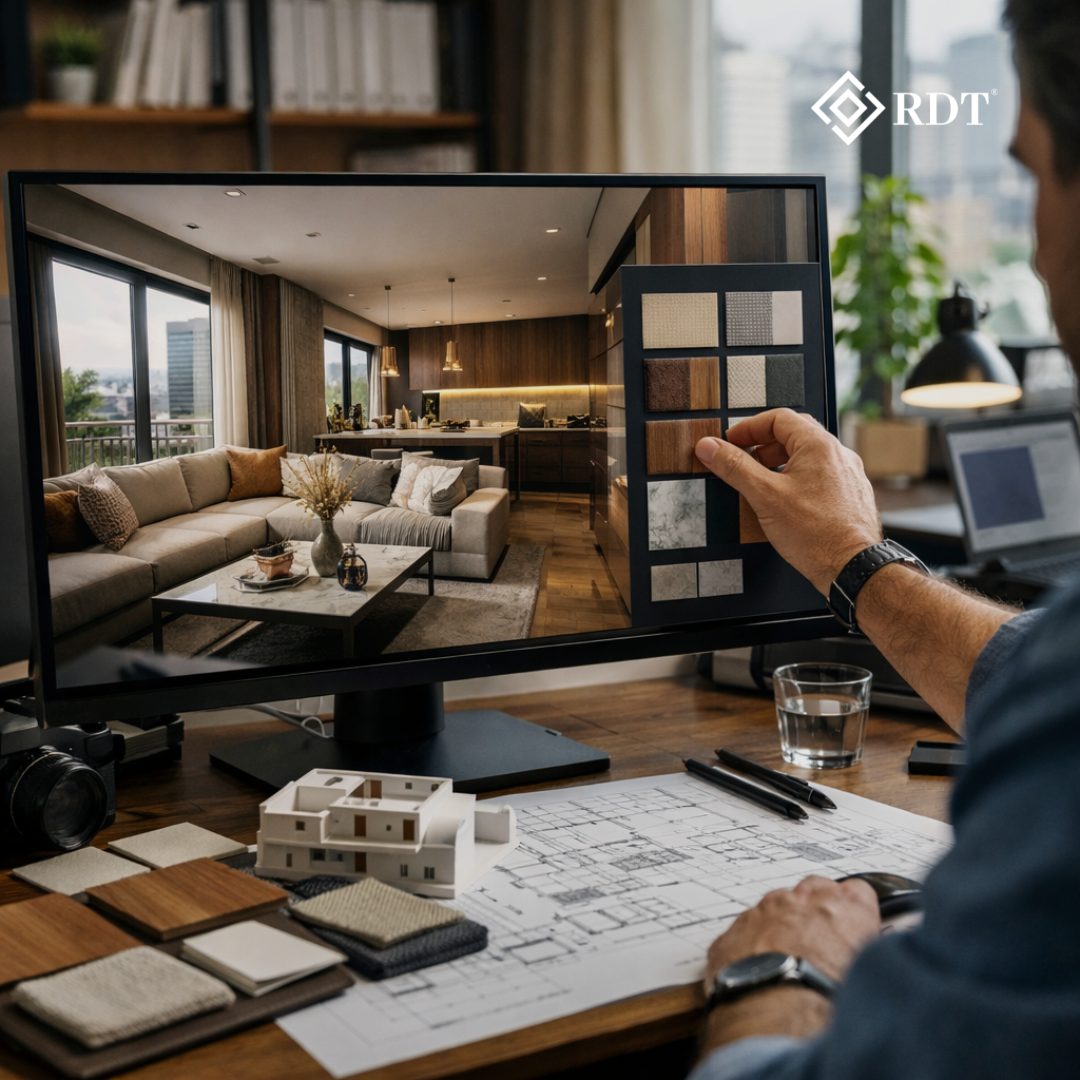
The real estate and architecture industries are becoming increasingly visual driven. Buyers, investors, and developers today expect more than traditional drawings or basic renderings when evaluating a property. They want to experience a space before it is built. This shift has made interior visualization one of the most powerful tools in modern architectural presentation and marketing. The rapid evolution of design software, rendering technology, and immersive tools is transforming the way projects are communicated to clients and stakeholders.
Interior visualization trends in 2026 are shaping how architectural ideas are presented, understood, and sold. High quality interior visualizations are no longer just about creating attractive images. They are about telling a story, communicating lifestyle possibilities, and helping buyers emotionally connect with a space. As competition grows in the real estate market, developers and architects are using advanced visualization techniques to capture attention and inspire confidence in their projects.
In 2026, interior visualization is becoming more realistic, immersive, and experience oriented than ever before. Several trends are redefining how designers present interiors and how buyers interact with architectural concepts. Understanding these trends can help developers, architects, and marketing teams stay ahead in a highly competitive industry.
Ultra Realistic Interior Rendering
One of the most noticeable trends in 2026 is the demand for ultra realistic interior rendering. Modern buyers expect visualizations that look almost identical to real photographs. Advances in rendering engines, lighting simulation, and material mapping have made it possible to produce images with incredible accuracy.
Textures such as wood grains, marble surfaces, fabrics, and metal finishes are now captured in extraordinary detail. Natural lighting conditions are carefully simulated to show how sunlight interacts with interior spaces throughout the day. Shadows, reflections, and subtle lighting variations help create images that feel authentic and believable.
For real estate developers, this level of realism helps buyers visualize the finished property with confidence. Instead of imagining how a space might look, they can see it clearly before construction begins. This reduces uncertainty and often accelerates decision making.
Lifestyle Focused Interior Scenes
Another key trend shaping interior visualization is the shift toward lifestyle focused imagery. Rather than presenting empty rooms, visualizations now portray interiors as living environments filled with character and purpose.
Designers are including carefully selected furniture, decorative elements, artwork, plants, and accessories that reflect modern lifestyles. Scenes often show subtle storytelling elements such as a book on a coffee table, a cup of coffee near a window, or a workspace ready for productivity.
These small details help potential buyers imagine themselves living in the space. A well staged interior visualization communicates not only the design but also the experience of using that environment.
This approach is particularly powerful in residential real estate marketing where emotional connection plays a major role in purchasing decisions.
Immersive 360 Degree Interior Experiences
Interior visualization in 2026 is moving beyond static images. Interactive and immersive experiences are becoming an essential part of architectural presentations.
360 degree interior visualizations allow viewers to explore a space from multiple perspectives. Buyers can rotate the view, examine design elements closely, and understand the layout in a more intuitive way.
These experiences are commonly integrated into websites, digital brochures, and property marketing platforms. Instead of flipping through images, clients can virtually stand inside a room and look around freely.
This level of interaction provides a deeper understanding of spatial relationships and makes it easier for clients to evaluate design choices.
Virtual Reality Based Interior Walkthroughs
Virtual reality technology continues to gain popularity in the architecture and real estate industries. VR based interior walkthroughs allow clients to step directly inside a virtual version of the project.
With the help of VR headsets, users can walk through living rooms, kitchens, bedrooms, and other spaces as if they were physically present. They can examine proportions, understand circulation paths, and experience the scale of a design more accurately.
This technology is especially valuable for large residential developments, luxury apartments, and commercial projects. Developers can showcase properties long before construction begins and provide an engaging presentation experience for investors and buyers.
In many cases VR walkthroughs help clients identify design adjustments early in the process which ultimately improves project outcomes.
Personalized Interior Visualization
Customization is becoming a major expectation among modern buyers. People want homes that reflect their personal style and preferences. As a result interior visualization is evolving to support personalized design options.
Advanced visualization platforms allow clients to explore different design variations such as alternative color schemes, flooring materials, furniture styles, and lighting setups. A buyer might view a living room with a minimalist design and then instantly switch to a more luxurious style.
This interactive customization helps buyers feel involved in the design process and increases satisfaction with the final product. It also allows developers to present multiple design possibilities without building physical mockups.
Personalized visualization is quickly becoming an effective way to enhance client engagement and build stronger relationships with buyers.
Sustainable Design Visualization
Sustainability is now a central focus in architecture and real estate development. Buyers are becoming more aware of environmental impact and energy efficiency. Interior visualization in 2026 is increasingly highlighting sustainable design elements.
Visualizations now emphasize features such as natural daylight, eco friendly materials, indoor greenery, and energy efficient lighting systems. Designers often showcase large windows that maximize natural illumination and reduce energy consumption.
Green walls, indoor plants, and natural textures are also frequently included to communicate a healthy and environmentally conscious lifestyle.
By visually demonstrating sustainable design strategies developers can attract environmentally aware buyers and reinforce their commitment to responsible construction practices.
Cinematic Interior Presentation
Another emerging trend is the cinematic style of interior visualization. Instead of traditional straightforward renderings, designers are experimenting with dramatic lighting, atmospheric effects, and artistic camera angles.
These cinematic images create a powerful visual impact and help projects stand out in marketing campaigns. Carefully composed shots highlight focal points such as luxury furniture pieces, elegant lighting fixtures, or architectural details.
Soft depth of field effects, warm lighting tones, and subtle reflections add a sense of mood and sophistication. The result is an interior visualization that feels more like a scene from a high end lifestyle magazine rather than a typical architectural rendering.
This approach is particularly effective in luxury real estate marketing where visual storytelling is essential for attracting premium buyers.
Integration with Digital Marketing Platforms
Interior visualization is no longer limited to presentations or brochures. In 2026 visual content is designed specifically for digital marketing platforms.
Developers are using high quality interior visualizations across websites, social media campaigns, digital advertisements, and online property listings. These visuals help capture attention quickly and communicate design quality within seconds.
Short animated interior sequences and interactive visuals are also becoming popular in marketing campaigns. These formats encourage engagement and allow potential buyers to explore properties directly from their devices.
As digital marketing continues to dominate real estate promotion, interior visualization plays a crucial role in creating memorable first impressions.
Smart Home Visualization
Modern homes are increasingly equipped with smart technologies that enhance comfort and convenience. Interior visualization is now highlighting these features to demonstrate how technology integrates seamlessly with design.
Scenes often showcase smart lighting systems, automated blinds, intelligent climate control panels, and voice activated devices. Instead of focusing solely on furniture and finishes, visualizations illustrate how technology improves everyday living.
This trend helps buyers understand the practical benefits of smart homes and reinforces the value of modern architectural solutions.
Emotion Driven Design Presentation
One of the most important interior visualization trends in 2026 is the emphasis on emotional engagement. Successful visualizations do more than show a room. They create a feeling.
Warm lighting, inviting furniture arrangements, and thoughtful composition can evoke comfort, elegance, productivity, or relaxation depending on the intended purpose of the space.
Designers carefully consider color palettes, lighting temperatures, and spatial composition to shape the viewer’s emotional response. A cozy living room scene might feature soft evening lighting and comfortable seating while a modern workspace might emphasize brightness and clarity.
When buyers emotionally connect with a visualization they are more likely to develop trust in the project and move forward with purchasing decisions.
The Future of Interior Visualization
Interior visualization will continue evolving as technology advances. Artificial intelligence assisted rendering, real time visualization engines, and immersive digital environments are likely to shape the next generation of architectural presentations.
However the core objective will remain the same. The goal is to communicate design ideas clearly and inspire people to imagine living or working within those spaces.
As real estate markets become more competitive, developers and architects who embrace advanced visualization strategies will have a significant advantage. High quality interior visualizations can transform a concept into a compelling visual story that resonates with buyers and investors alike.
Conclusion
Interior visualization has become an essential component of modern architecture and real estate marketing. From ultra realistic rendering to immersive virtual experiences, the industry is embracing technologies that make design concepts more engaging and understandable.
Interior visualization trends in 2026 highlight the growing importance of realism, interactivity, storytelling, and personalization. These innovations allow developers and architects to present their projects with clarity and impact while helping buyers connect emotionally with future spaces.
As visualization tools continue to evolve, the ability to communicate design ideas visually will become even more valuable. Projects that combine creative storytelling with advanced visualization techniques will stand out in the competitive property market.
If you want to present your architectural and real estate projects with stunning interior visualizations that attract buyers and communicate design with clarity, partner with RDT Technology. Our team specializes in creating high quality architectural visualization solutions that bring your interiors to life and help your projects stand out in today’s competitive market. Let RDT Technology transform your design concepts into compelling visual experiences that inspire confidence and drive real results.