Modern construction has evolved into a highly coordinated, technology driven process where precision and efficiency define success. One of the most critical components in this transformation is the integration of advanced modeling and planning systems. Among them, HVAC BIM Services Essential for Modern Construction have become a cornerstone for delivering projects that are accurate, cost effective, and future ready. As buildings grow more complex and expectations for sustainability rise, the role of HVAC BIM services becomes even more indispensable.
Understanding HVAC BIM Services in Construction
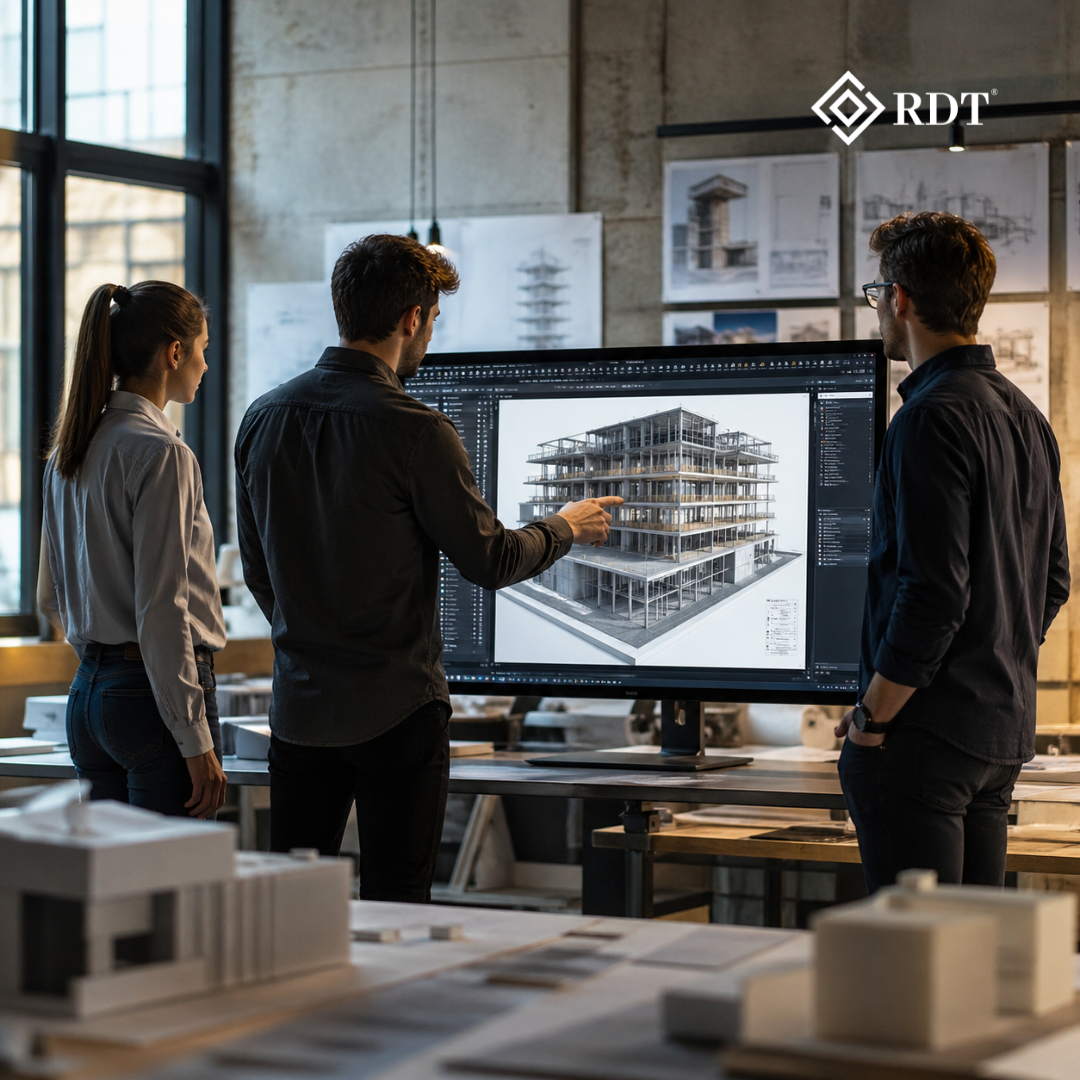
HVAC BIM services refer to the use of Building Information Modeling to design, visualize, and manage heating, ventilation, and air conditioning systems throughout the lifecycle of a project. Instead of relying on traditional drawings or fragmented workflows, BIM enables teams to create intelligent 3D models that contain detailed information about every HVAC component.
These models are not just visual representations. They are data rich systems that help engineers, architects, and contractors collaborate in real time. From duct layouts to equipment placement and airflow analysis, every aspect of HVAC design is planned with accuracy and foresight.
The Growing Complexity of Modern Construction
Construction projects today are no longer simple structures. High rise buildings, hospitals, airports, and commercial complexes demand intricate systems that must function seamlessly together. HVAC systems are at the heart of these structures, ensuring comfort, safety, and operational efficiency.
However, with increasing complexity comes the risk of errors, clashes, and inefficiencies. Traditional design methods often fall short in identifying conflicts between systems before construction begins. This leads to costly rework, delays, and compromised performance.
HVAC BIM services address these challenges by providing a unified platform where all stakeholders can visualize and coordinate systems before they are physically installed.
Clash Detection and Coordination
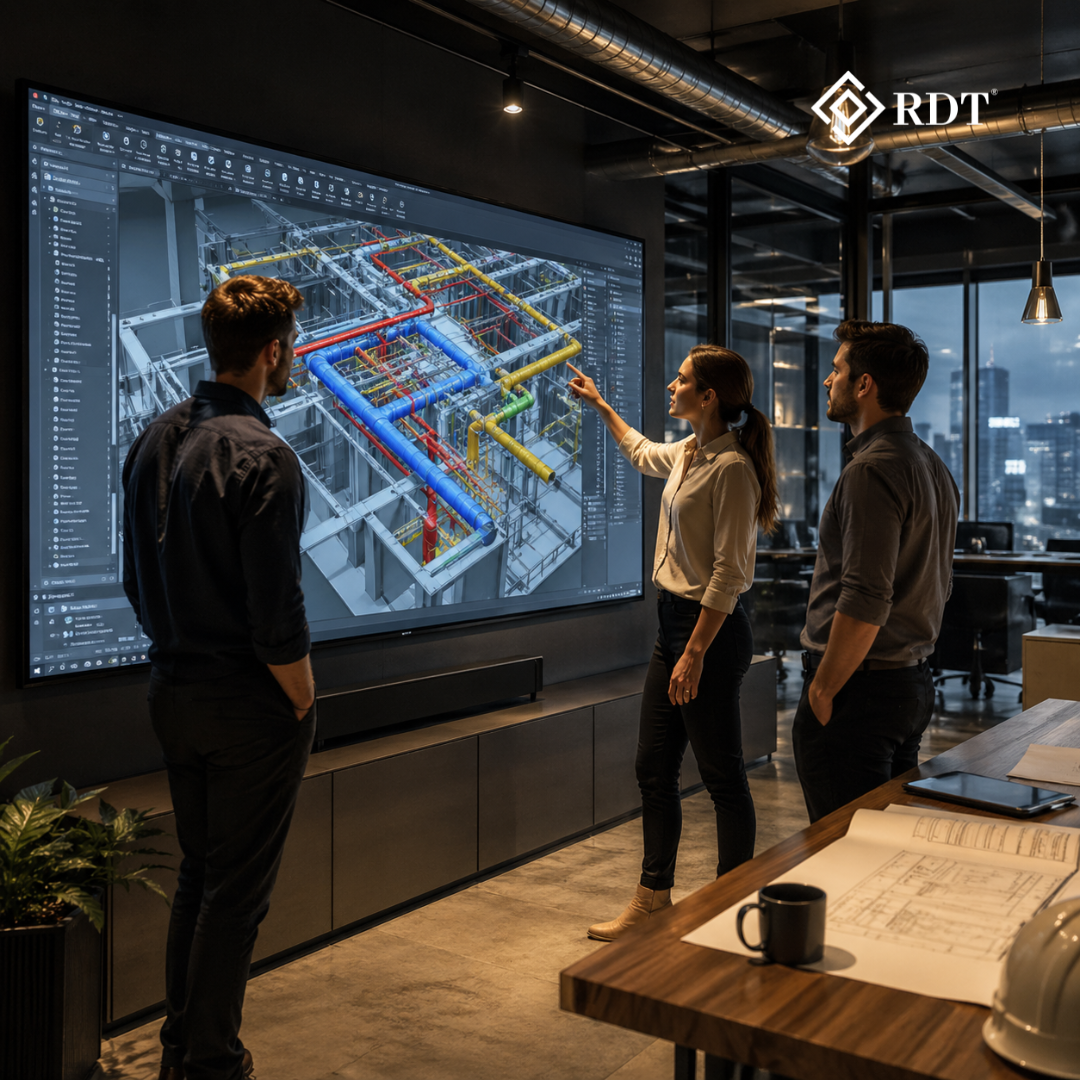
One of the most powerful advantages of HVAC BIM services is clash detection. In a typical construction project, HVAC systems must coexist with structural, electrical, and plumbing elements. Without proper coordination, conflicts between these systems are inevitable.
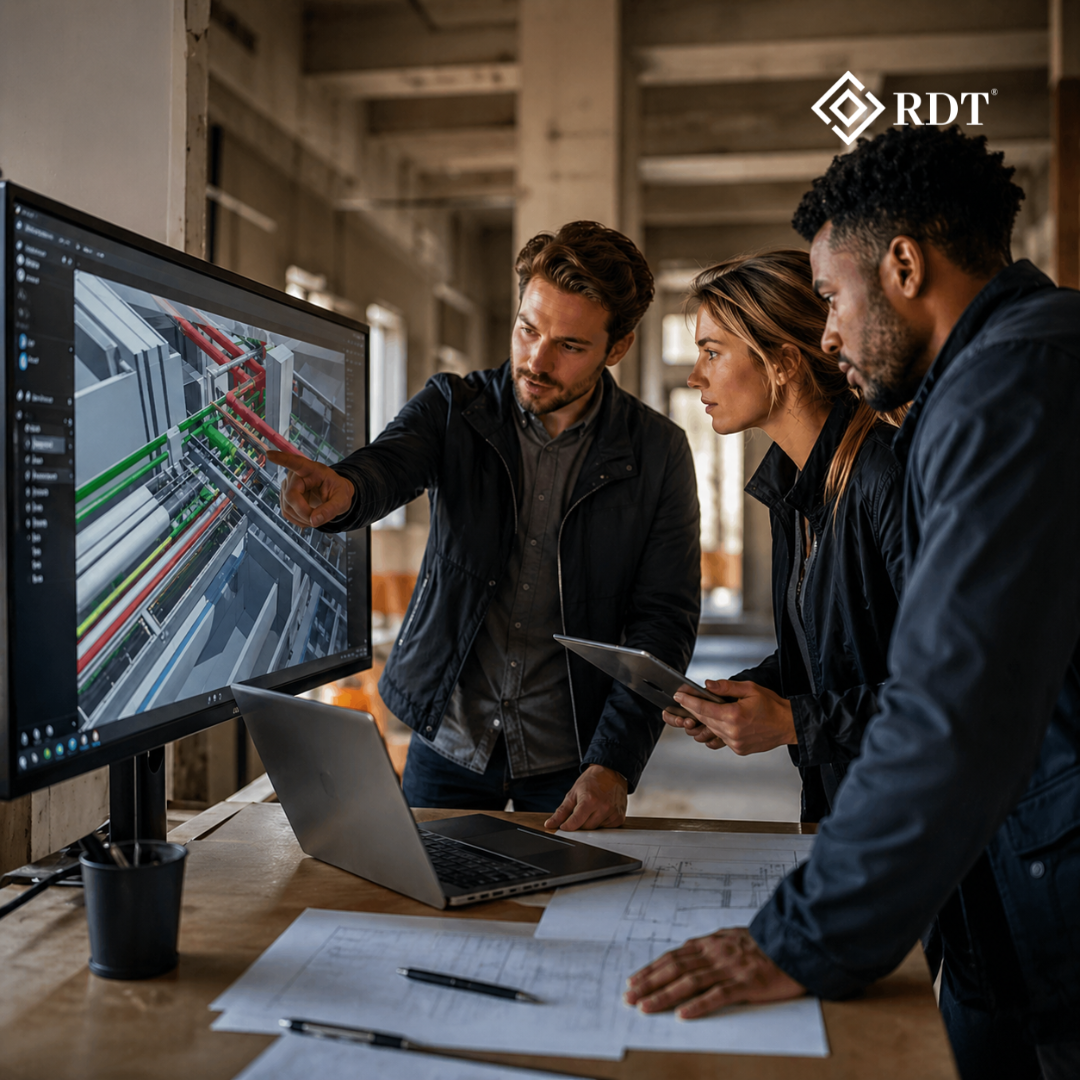
BIM tools allow teams to detect clashes at the design stage. For example, a duct passing through a beam or a pipe interfering with electrical conduits can be identified and resolved digitally. This proactive approach eliminates surprises on site and ensures smooth execution.
Coordination becomes significantly easier as all disciplines work on a shared model. This leads to better communication, fewer misunderstandings, and a more streamlined construction process.
Enhanced Design Accuracy
Accuracy is critical in HVAC design. Even small errors in calculations or layouts can impact system performance and energy efficiency. HVAC BIM services provide precise modeling capabilities that reduce the margin of error.
Engineers can simulate airflow, temperature distribution, and load calculations within the BIM environment. This allows them to optimize designs before implementation. As a result, systems perform exactly as intended, delivering consistent comfort and efficiency.
Accurate designs also mean fewer material wastages. Components are fabricated based on exact specifications, reducing excess inventory and unnecessary costs.
Improved Project Efficiency
Time is one of the most valuable resources in construction. Delays can lead to financial losses and strained client relationships. HVAC BIM services play a crucial role in improving project timelines.
With detailed models and coordinated plans, construction teams can execute tasks more efficiently. Prefabrication becomes possible as components are designed with precision. This reduces on site work and accelerates installation.
Additionally, BIM enables better scheduling and sequencing of activities. Teams can plan workflows in advance, ensuring that every phase of the project progresses smoothly.
Cost Optimization and Budget Control
Cost overruns are a common challenge in construction projects. HVAC systems, being complex and resource intensive, can significantly impact the overall budget.
HVAC BIM services help control costs by providing accurate quantity takeoffs and material estimates. Project managers can analyze costs at every stage and make informed decisions to stay within budget.
By minimizing rework, reducing material waste, and improving efficiency, BIM contributes to substantial cost savings. It also enhances transparency, allowing clients to understand where resources are being allocated.
Sustainability and Energy Efficiency
Sustainability is no longer optional in modern construction. Buildings are expected to meet stringent environmental standards and reduce their carbon footprint. HVAC systems play a major role in achieving these goals.
HVAC BIM services enable engineers to design energy efficient systems by analyzing performance during the design phase. Simulations help identify the most effective strategies for heating, cooling, and ventilation.
Optimized systems consume less energy, reduce operational costs, and contribute to a healthier environment. BIM also supports the integration of renewable energy solutions, further enhancing sustainability.
Better Facility Management
The benefits of HVAC BIM services extend beyond construction. Once a building is completed, the BIM model serves as a valuable resource for facility management.
Maintenance teams can access detailed information about every HVAC component, including specifications, installation dates, and maintenance schedules. This makes it easier to manage systems and address issues promptly.
In case of repairs or upgrades, the BIM model provides accurate insights, reducing downtime and ensuring efficient operations. This long term advantage makes BIM an essential investment for building owners.
Risk Reduction and Quality Assurance
Construction projects involve significant risks, from design errors to safety concerns. HVAC BIM services help mitigate these risks by providing a comprehensive view of the project.
By identifying potential issues early, teams can take corrective actions before they escalate. This reduces the likelihood of costly mistakes and ensures that quality standards are maintained.
BIM also enhances documentation and accountability. Every change is recorded, creating a clear audit trail that improves project transparency and reliability.
Supporting Prefabrication and Modular Construction
Prefabrication is becoming increasingly popular in modern construction due to its efficiency and cost benefits. HVAC BIM services play a key role in enabling this approach.
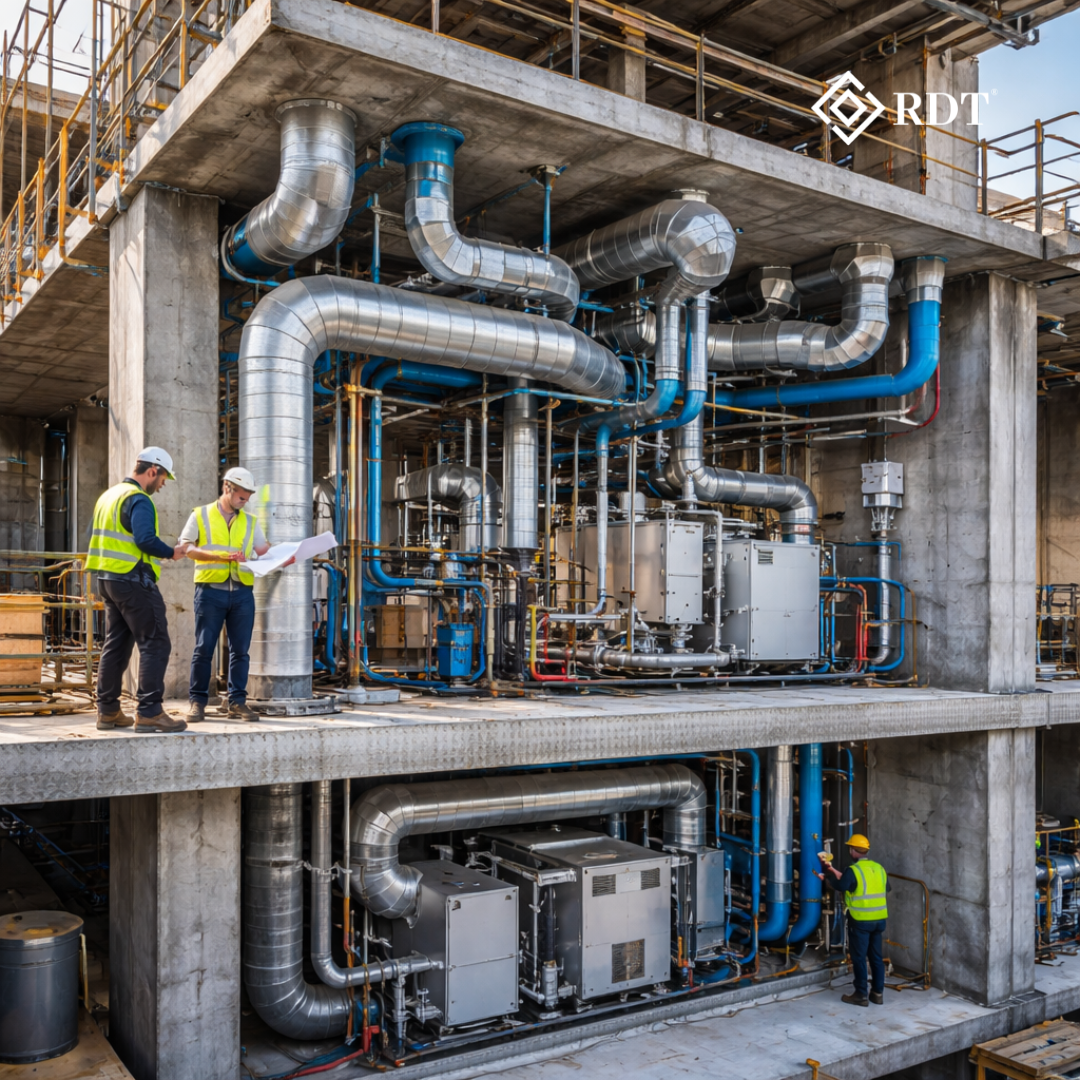
With precise models, components can be manufactured off site and delivered ready for installation. This reduces on site labor, improves safety, and speeds up project completion.
Modular construction, where entire sections of a building are assembled off site, also relies heavily on BIM for accurate planning and coordination. HVAC systems designed through BIM integrate seamlessly into these modules.
Collaboration Across Stakeholders
Construction projects involve multiple stakeholders, including architects, engineers, contractors, and clients. Effective collaboration is essential for success.
HVAC BIM services create a shared platform where all parties can access and contribute to the project model. This fosters better communication and alignment.
Changes can be made in real time, and their impact can be immediately assessed. This collaborative approach reduces conflicts and ensures that everyone is working towards the same goals.
Adapting to Future Technologies
The construction industry is continuously evolving with the introduction of new technologies such as smart building systems and automation. HVAC BIM services provide a foundation for integrating these innovations.
BIM models can incorporate data from sensors and IoT devices, enabling real time monitoring and control of HVAC systems. This leads to smarter buildings that can adapt to changing conditions and optimize performance.
As technology advances, the role of BIM will only grow, making it a critical component of future construction projects.
Conclusion
HVAC systems are vital to the functionality and comfort of modern buildings. As construction projects become more complex and demanding, the need for precise planning and coordination becomes paramount.
HVAC BIM services offer a comprehensive solution that addresses these challenges. From improving design accuracy and reducing costs to enhancing sustainability and enabling better facility management, their impact is far reaching.
By embracing BIM, construction professionals can deliver projects that meet the highest standards of quality, efficiency, and innovation. It is no longer a luxury but a necessity for staying competitive in the modern construction landscape.
If you are looking to elevate your construction projects with precision driven HVAC solutions, it is time to partner with experts who understand the power of BIM. RDT Technology delivers advanced HVAC BIM services that help you reduce risks, optimize costs, and achieve flawless execution. Take advantage of our world class BIM modeling services engineered for seamless delivery of large, complex developments.