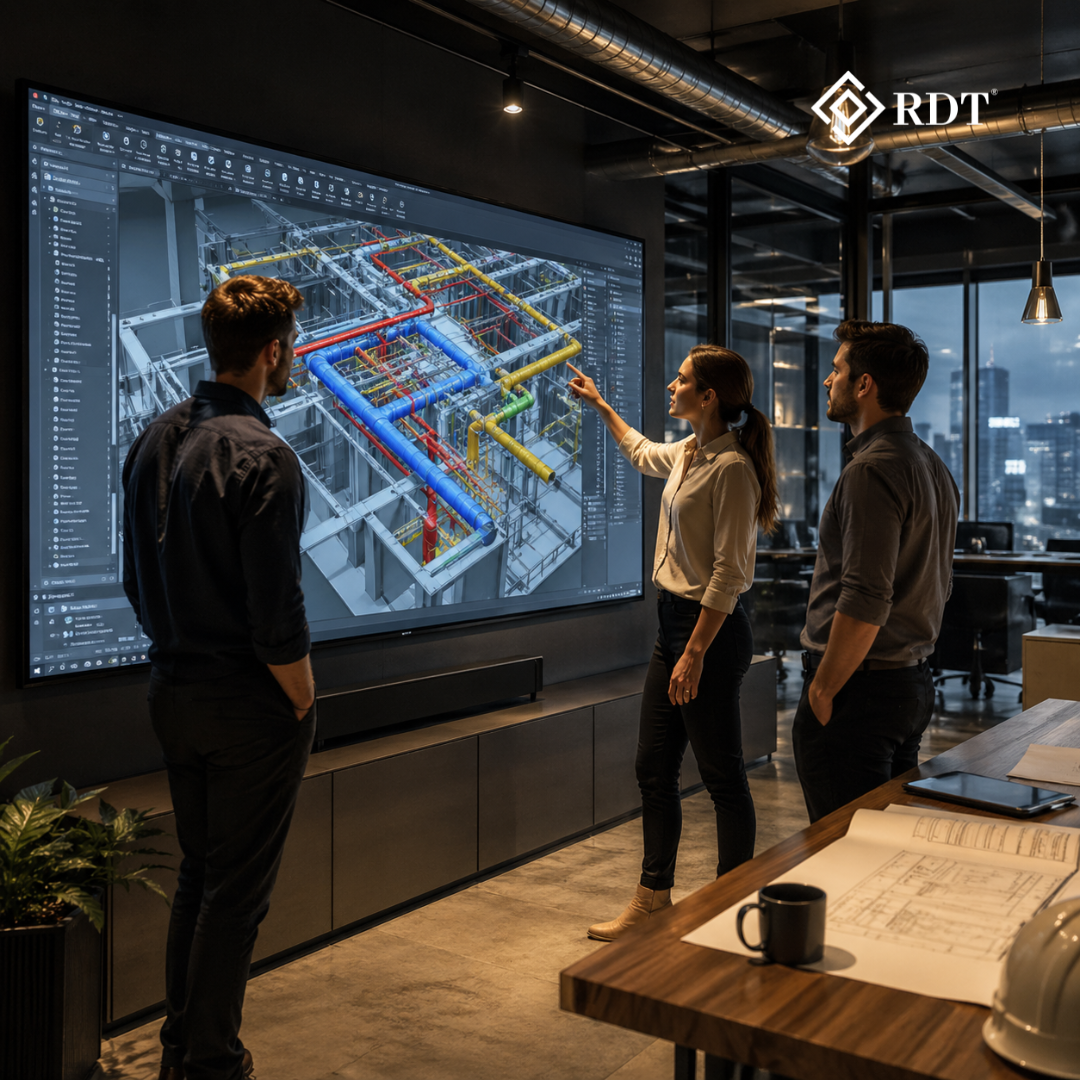

In the Architecture Engineering and Construction industry, decisions are rarely made on technical drawings alone. Clients invest millions into buildings, infrastructure, and spaces that will exist for decades. They want confidence, clarity, and emotional assurance before committing to a project. This is where architectural visualization plays a powerful role. More than a marketing tool, visualization influences how clients perceive a project, how they evaluate risk, and how quickly they make decisions.
Architectural visualization translates complex technical information into visual experiences that clients can understand intuitively. It bridges the gap between imagination and reality. When clients see a project come to life through realistic images and walkthroughs, their perception of value, quality, and feasibility changes dramatically. Understanding how visualization affects client psychology can help AEC firms win projects, reduce misunderstandings, and accelerate approvals.
The Psychological Power of Seeing Before Building
Human brains process visual information faster than text or numbers. When clients see a realistic image of a building, they immediately form an emotional and cognitive connection. This connection creates trust and confidence in the project.
Technical drawings require expertise to interpret. Many clients are not architects or engineers, so plans and sections feel abstract. Visualization converts these abstractions into concrete experiences. When clients can see the finished building, they feel more secure in their investment. This reduces uncertainty and increases willingness to move forward.
Visualization also creates a sense of ownership. When clients visualize their future project, they mentally place themselves in the space. This mental simulation strengthens emotional commitment and makes them more likely to approve designs quickly.
Visualization as a Decision Making Catalyst
In AEC projects, delays often occur due to indecision. Clients hesitate when they cannot fully understand the design. Visualization accelerates decision making by removing ambiguity.
When a client sees multiple design options through renders, they can compare materials, lighting, and layouts instantly. Instead of interpreting lines on a drawing, they evaluate real world outcomes. This speeds up approvals and reduces the back and forth that slows down projects.
Visualization also helps stakeholders align. Developers, consultants, and investors can discuss the same visual reference. This shared understanding reduces conflicts and misinterpretations.
Building Trust Through Realistic Representation
Trust is a key psychological factor in client relationships. Clients want assurance that what they approve will match what gets built. High quality visualization builds this trust by demonstrating attention to detail and technical accuracy.
Realistic textures, lighting, and materials show that the design team understands construction realities. When visualization reflects actual materials and realistic conditions, clients feel that the project is grounded in reality, not just conceptual ideas.
Trust also comes from consistency. When visualization aligns with drawings, specifications, and cost estimates, clients feel that the project is well coordinated. This perception of professionalism strengthens confidence in the AEC firm.
Emotional Engagement and Perceived Value
Visualization influences how clients emotionally perceive a project. Emotion plays a major role in decision making, even in technical industries.
A beautifully rendered image with natural lighting, people, landscaping, and context creates a positive emotional response. Clients associate the project with success, prestige, and comfort. This emotional engagement increases perceived value.
When clients feel emotionally connected, they are more willing to invest in premium materials, design features, and sustainable solutions. Visualization can therefore increase project scope and budget approvals.
Reducing Risk Perception
Construction projects carry financial and operational risks. Clients often worry about design errors, usability issues, and future performance. Visualization reduces perceived risk by showing how the building will function in reality.
Interior renders demonstrate circulation, spatial relationships, and usability. Exterior views show how the building fits into its environment. Walkthroughs simulate user experience. These visuals help clients identify potential issues early and feel reassured that the design has been carefully considered.
By reducing uncertainty, visualization lowers psychological barriers to approval and funding.
Enhancing Communication Across Stakeholders
AEC projects involve multiple stakeholders with different levels of technical knowledge. Visualization serves as a universal language that everyone can understand.
Developers, architects, engineers, contractors, and end users can all refer to the same visual material. This shared reference improves communication and reduces misunderstandings. When everyone sees the same outcome, alignment becomes easier.
Visualization also helps in presentations and meetings. Instead of explaining complex concepts verbally, teams can show them visually. This increases clarity and keeps clients engaged.
Influencing Perception of Quality and Professionalism
The quality of visualization reflects the perceived quality of the design team. High end renders signal professionalism, expertise, and commitment. Clients subconsciously judge a firm based on how polished their visuals are.
A well presented visualization portfolio positions a firm as technologically advanced and detail oriented. This perception influences client psychology and can be the deciding factor in winning bids.
Conversely, low quality visuals can create doubts about competence, even if the technical design is strong. Investing in premium visualization is therefore an investment in brand perception.
Supporting Marketing and Sales Psychology
Visualization is a powerful sales tool. Real estate developers, architects, and contractors use renders to market projects before construction begins. Clients and buyers make decisions based on visuals that represent the future product.
In pre-sales and investor presentations, visualization helps stakeholders imagine the finished development. This triggers emotional excitement and confidence in the project’s potential. As a result, visualization can drive faster sales and attract funding.
For AEC firms, strong visualization differentiates them in competitive markets. It helps communicate value propositions clearly and persuasively.
Driving Design Feedback and Collaboration
Visualization encourages clients to provide meaningful feedback. When clients see realistic images, they can comment on colors, materials, layouts, and lighting. This leads to more productive discussions and better design outcomes.
Psychologically, clients feel empowered when they can see and influence the design. This sense of involvement increases satisfaction and reduces conflicts later in the project lifecycle.
Early feedback also prevents costly changes during construction. Visualization allows design decisions to be finalized with confidence.
Cultural and Contextual Influence on Client Perception
Visualization can reflect cultural preferences, environmental context, and lifestyle aspirations. When renders include local context, people, and environmental conditions, clients feel that the design is tailored to their market.
This contextual realism influences client psychology by making the project feel relevant and achievable. Clients are more likely to trust designs that reflect their region, climate, and user behavior.
For global AEC firms, localization of visualization is essential for effective communication with diverse clients.
Visualization as a Risk Mitigation Tool
Beyond psychological reassurance, visualization helps identify design issues early. Shadow studies, daylight simulations, and material studies highlight potential problems before construction.
When clients see these analyses visually, they understand the design rationale and feel confident in technical decisions. This transparency builds trust and reduces disputes.
Visualization also supports regulatory approvals by demonstrating compliance with planning guidelines and environmental considerations.
The Role of Immersive Experiences
Modern visualization extends beyond static images. Walkthroughs, panoramic views, and interactive experiences allow clients to explore spaces virtually. This immersive approach deepens psychological engagement.
When clients experience a project as if they are inside it, they gain a stronger understanding of scale, proportion, and functionality. This experiential knowledge influences design approvals and investment decisions.
Immersive visualization also creates a memorable impression, strengthening client relationships and brand recall.
Long Term Impact on Client Relationships
Architectural visualization does not just influence a single project. It shapes long term client relationships. Firms that consistently deliver clear, realistic, and engaging visuals are perceived as reliable partners.
Clients who feel understood and confident are more likely to return for future projects. Visualization therefore plays a strategic role in client retention and business growth.
Best Practices for Effective Architectural Visualization
To maximize psychological impact, AEC firms should follow key principles:
Focus on realism and accuracy in materials, lighting, and context.
Align visuals with technical drawings and specifications.
Use storytelling to show how people will use the space.
Provide multiple design options to support decision making.
Maintain consistency in branding and presentation quality.
Update visuals as the design evolves to maintain trust.
By following these practices, visualization becomes a strategic tool rather than a decorative asset.
Conclusion
Architectural visualization shapes how clients think, feel, and decide in AEC projects. It transforms abstract concepts into tangible experiences, builds trust, reduces risk perception, and accelerates decision making. Visualization influences emotions, perceptions of quality, and confidence in the design team. It is a powerful communication medium that aligns stakeholders and strengthens client relationships.
In today’s competitive AEC landscape, visualization is not optional. It is a psychological bridge between design intent and client confidence. Firms that invest in high quality visualization gain a strategic advantage in winning projects, delivering better outcomes, and building long term partnerships.
Call to Action
If you want to influence client decisions, reduce project uncertainties, and present your designs with unmatched clarity, partner with RDT Technology. Our expert team delivers world class architectural visualization, BIM, and documentation services that help AEC firms optimize costs and accelerate project delivery. Contact RDT Technology today and redefine how your projects are perceived and approved.