
In the architecture, engineering and construction industry, design often receives the spotlight. Designers, engineers and architects spend countless hours refining layouts, calculating loads and shaping aesthetics. Yet, when projects fail, run over budget or end up in disputes, the root cause is often not a flawed design concept. It is poor documentation.
Documentation is the language through which design intent becomes reality. It includes drawings, specifications, schedules, contracts, bills of quantities, reports and all supporting records that guide contractors, suppliers and clients. When documentation is incomplete, inconsistent or inaccurate, even the best design can turn into a costly problem. In many cases, documentation errors can cost far more than design errors.
Why Documentation Matters More Than Many Realize
Design is about ideas and solutions. Documentation is about clarity and execution. A design error might affect a particular element, but a documentation error can ripple across the entire project lifecycle. Documentation is referenced by multiple stakeholders including contractors, subcontractors, suppliers, inspectors, regulators and facility managers. If documentation is wrong, everyone downstream acts on incorrect information.
For example, a missing specification for a fire rated door can lead to installation of non compliant doors across an entire building. Correcting that mistake after installation is far more expensive than adjusting a design detail on paper. Similarly, a misaligned dimension or an outdated drawing revision can cause rework across multiple trades.
Types of Documentation Errors That Drive Major Costs
Documentation errors come in many forms, and each can have significant consequences.
Inconsistent Drawings
Different disciplines often produce their own drawings. Architectural, structural, mechanical and electrical drawings must align. If the architectural drawing shows a beam that does not match the structural plan, contractors are left confused. They may build according to the wrong set, leading to clashes, delays and change orders.
Outdated Revisions
Projects evolve constantly. If updated drawings are not distributed properly, teams may build from obsolete documents. This can result in entire sections being constructed incorrectly, requiring demolition and reconstruction.
Ambiguous Specifications
Vague or poorly written specifications can cause contractors to interpret requirements differently. One contractor might choose a cheaper material believing it meets the intent, while the client expects a premium product. The resulting disputes and replacements are costly and time consuming.
Missing Information
Incomplete details, such as missing sections, unclear dimensions or absent schedules, force contractors to make assumptions. Assumptions on site almost always translate into risk, rework and claims.
Contractual Documentation Gaps
Contracts, scopes of work and responsibility matrices are part of project documentation. If roles and deliverables are not clearly defined, disputes arise. Legal costs and delays can exceed the original design budget many times over.
Financial Impact of Documentation Errors
Documentation errors often trigger a chain reaction of costs.
Rework and Demolition
Rework is one of the largest cost drivers in construction. Incorrect documentation can lead to walls, ducts, piping or finishes being installed incorrectly. Removing and reinstalling these elements involves labor, materials, equipment and schedule disruption.
Delays and Time Extensions
When errors are discovered, work often stops until clarification is issued. Delays affect not only the specific trade but the entire project sequence. Extended overheads, penalties and lost revenue quickly add up.
Change Orders and Claims
Poor documentation is a leading cause of change orders. Contractors may claim additional costs for ambiguous or missing information. Clients may dispute these claims, leading to arbitration or litigation.
Regulatory Non Compliance
Incorrect or incomplete documentation submitted for approvals can result in rejections, fines or forced modifications. Compliance failures in fire safety, accessibility or structural integrity carry severe financial and reputational risks.
Operational and Lifecycle Costs
Documentation errors do not end at construction. Facility managers rely on as built drawings, operation manuals and asset data. Incorrect records lead to inefficient maintenance, higher energy costs and premature equipment failures.
Real World Examples of Documentation Driven Losses
Many large projects have suffered massive losses due to documentation issues. In some cases, entire systems were installed based on incorrect drawings, requiring millions in rework. In others, ambiguous contracts led to years of litigation. While design errors are often visible and correctable early, documentation errors often remain hidden until construction or operation, when correction is far more expensive.
Why Documentation Errors Happen
Understanding the root causes helps in preventing them.
Fragmented Workflows
Different teams use different tools and processes. Without a unified data environment, inconsistencies are inevitable.
Manual Processes
Manual drafting, spreadsheet based schedules and email based document distribution increase the risk of human error.
Lack of Standardization
Without standardized templates, naming conventions and quality checks, each team member documents differently, leading to confusion.
Time Pressure
Tight deadlines often push teams to issue documents without thorough review. Speed without accuracy is a costly trade off.
Poor Change Management
When changes are not tracked and communicated effectively, outdated information persists in the field.
How Digital Tools Can Reduce Documentation Risks
Modern digital workflows can dramatically reduce documentation errors.
Building Information Modeling
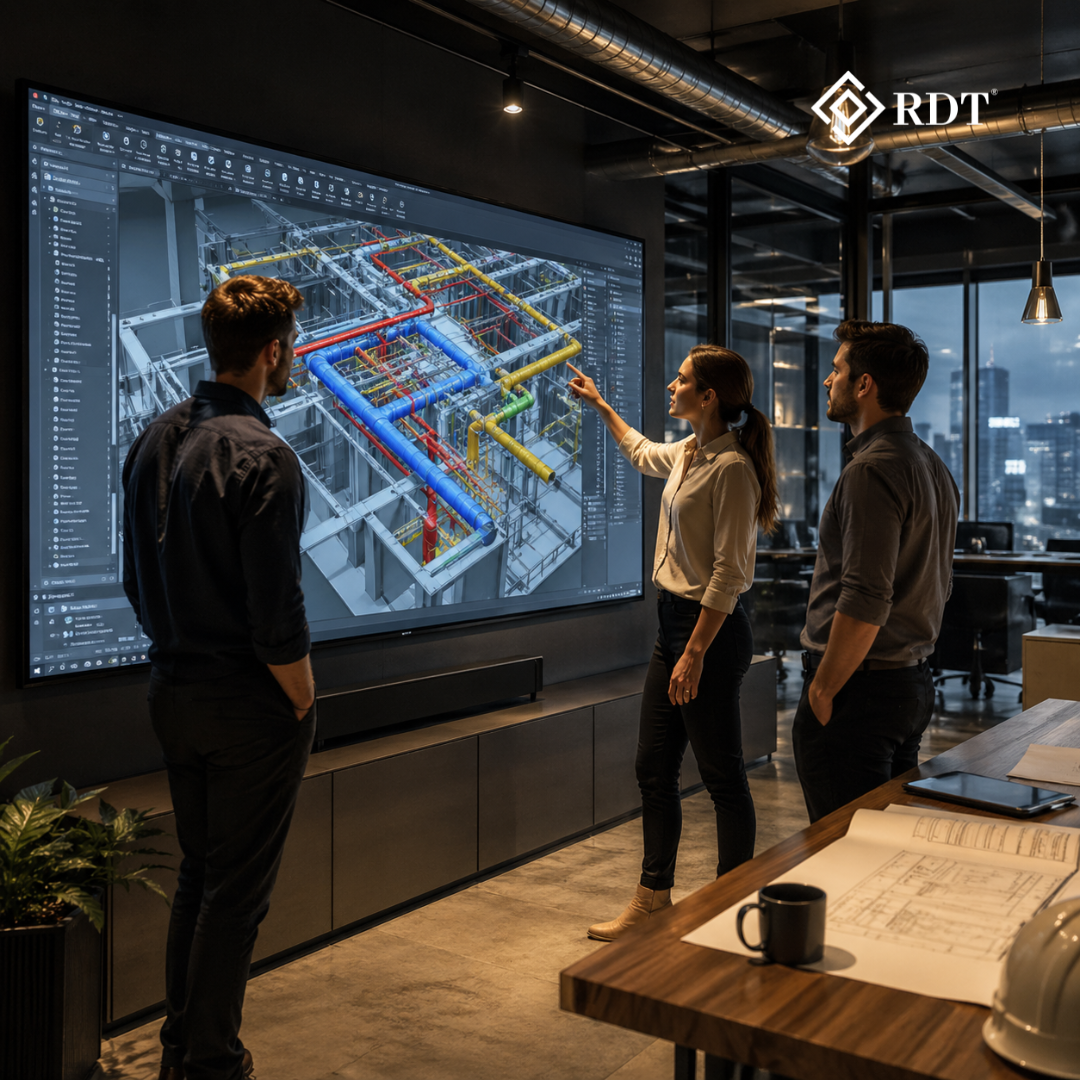
BIM integrates geometry, data and documentation. When models are coordinated, drawings and schedules are generated directly from the model, reducing inconsistencies.
Common Data Environments
Centralized platforms ensure that everyone accesses the latest approved documents. Version control and audit trails prevent outdated information from being used.
Automated Checks and Clash Detection
Digital tools can automatically identify clashes, missing data and inconsistencies before documents are issued.
Standardized Templates and Libraries
Using predefined templates and object libraries ensures consistent documentation across projects and teams.
Digital Handover and Asset Information Models
Structured data delivery at handover improves facility management and reduces lifecycle costs.
Best Practices to Minimize Documentation Errors
Establish Clear Documentation Standards
Define naming conventions, revision protocols, drawing standards and specification templates at the project outset.
Implement Rigorous Review Processes
Peer reviews, interdisciplinary coordination meetings and independent audits catch errors before they reach the site.
Use Integrated Digital Platforms
Adopt tools that link models, drawings, specifications and schedules in a single environment.
Train Teams Regularly
Ensure that designers, engineers and document controllers understand tools, standards and responsibilities.
Maintain a Single Source of Truth
Avoid multiple uncontrolled copies of documents. All stakeholders should rely on a centralized repository.
Shifting the Industry Mindset
The industry often celebrates design innovation but underestimates the value of documentation excellence. However, documentation is not a clerical task. It is a strategic function that directly impacts cost, risk and quality. Investing in documentation processes, tools and talent delivers significant returns.
Organizations that treat documentation as a core competency rather than an afterthought experience fewer disputes, smoother construction phases and better long term asset performance. As projects become more complex and data driven, documentation quality will become even more critical.
Conclusion
Design errors can be corrected on paper. Documentation errors often surface when concrete has been poured and systems have been installed. The cost difference is enormous. By prioritizing documentation accuracy, adopting digital workflows and enforcing standards, project teams can avoid expensive rework, delays and disputes.
In modern AEC projects, documentation is not just a record of design. It is the backbone of execution and operation. Ignoring its importance is a risk no organization can afford.
If you want to reduce documentation errors, streamline project delivery and improve lifecycle outcomes, partner with RDT Technology. Our team specializes in BIM driven documentation, digital workflows and quality control processes tailored for complex projects. Contact RDT Technology today and transform your documentation into a strategic advantage.