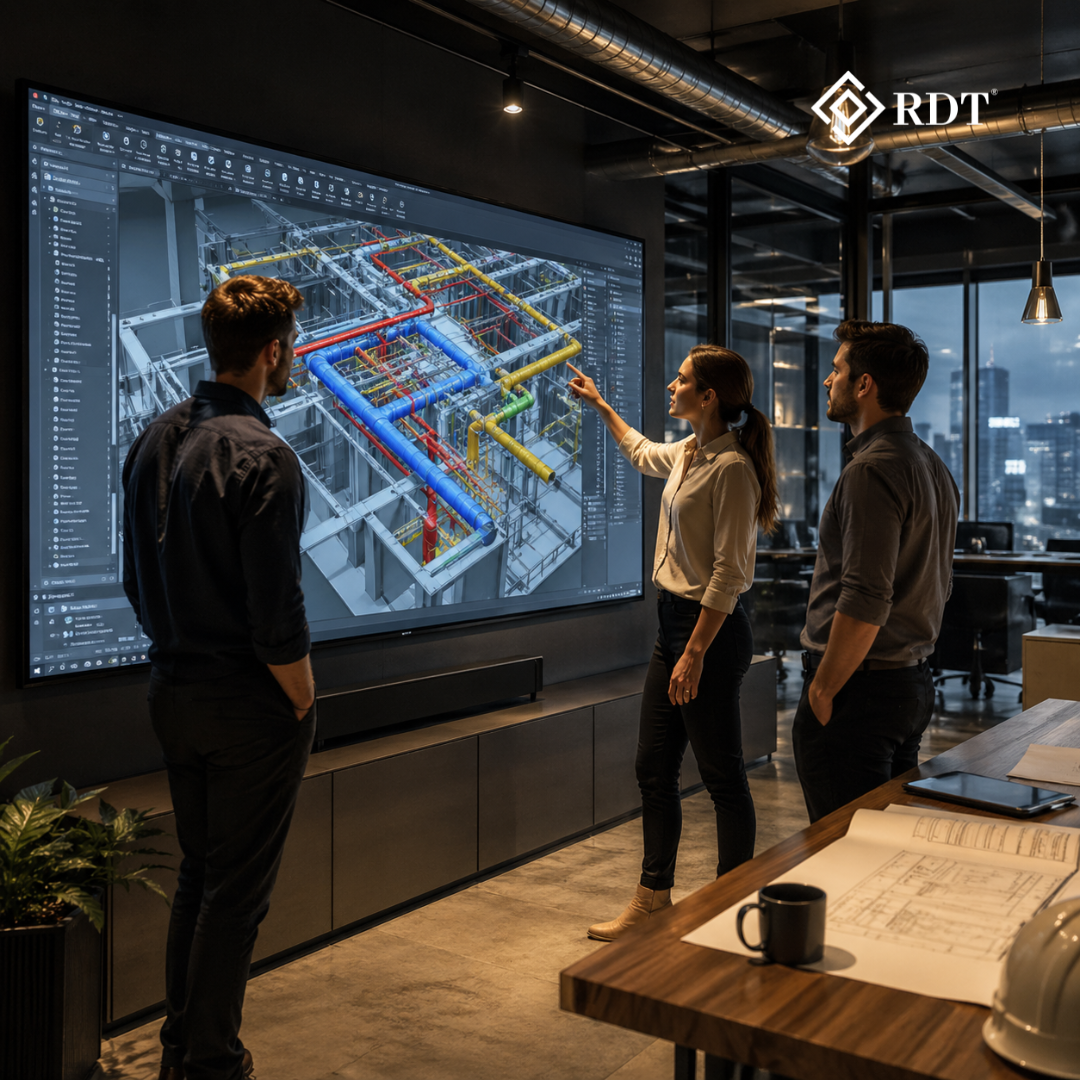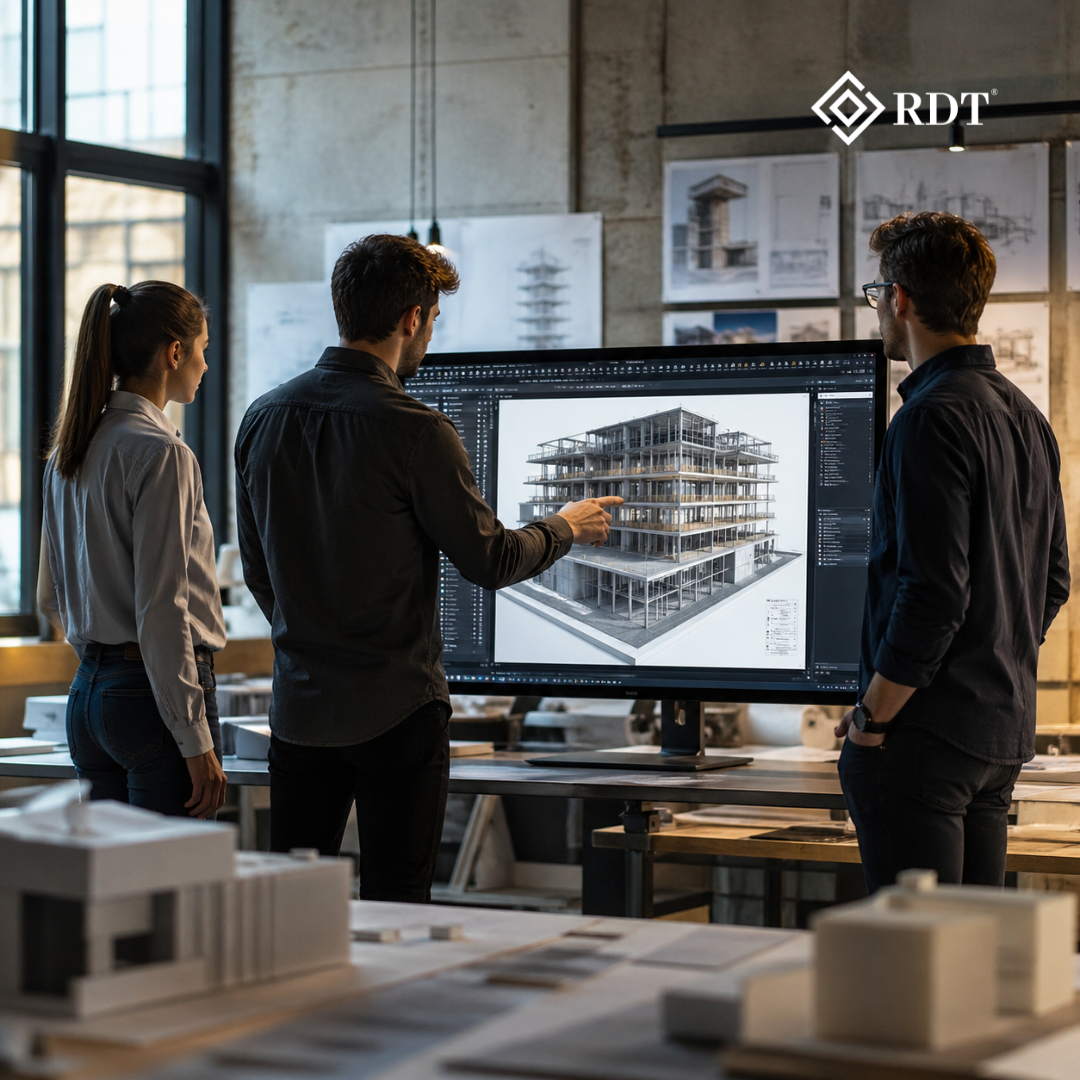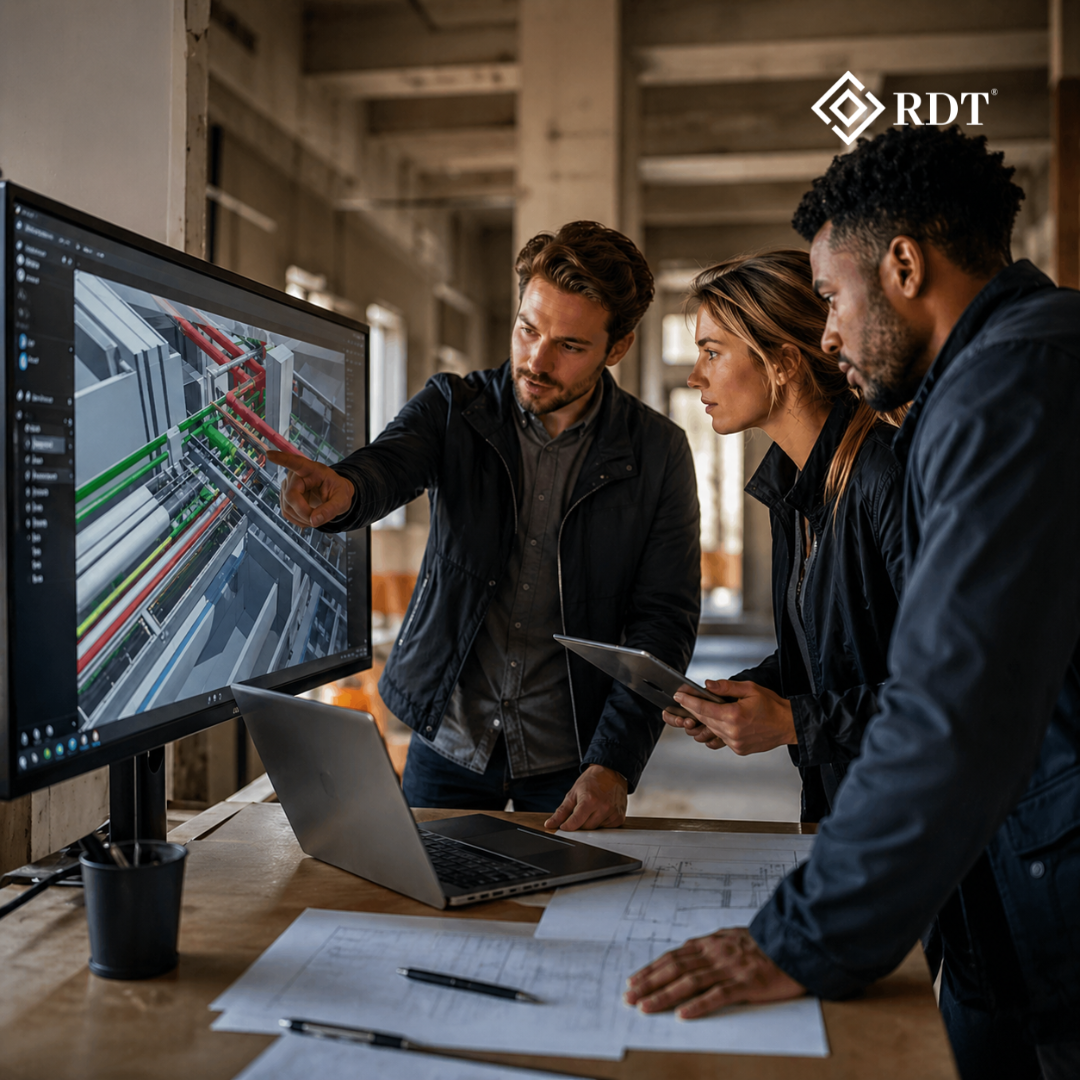
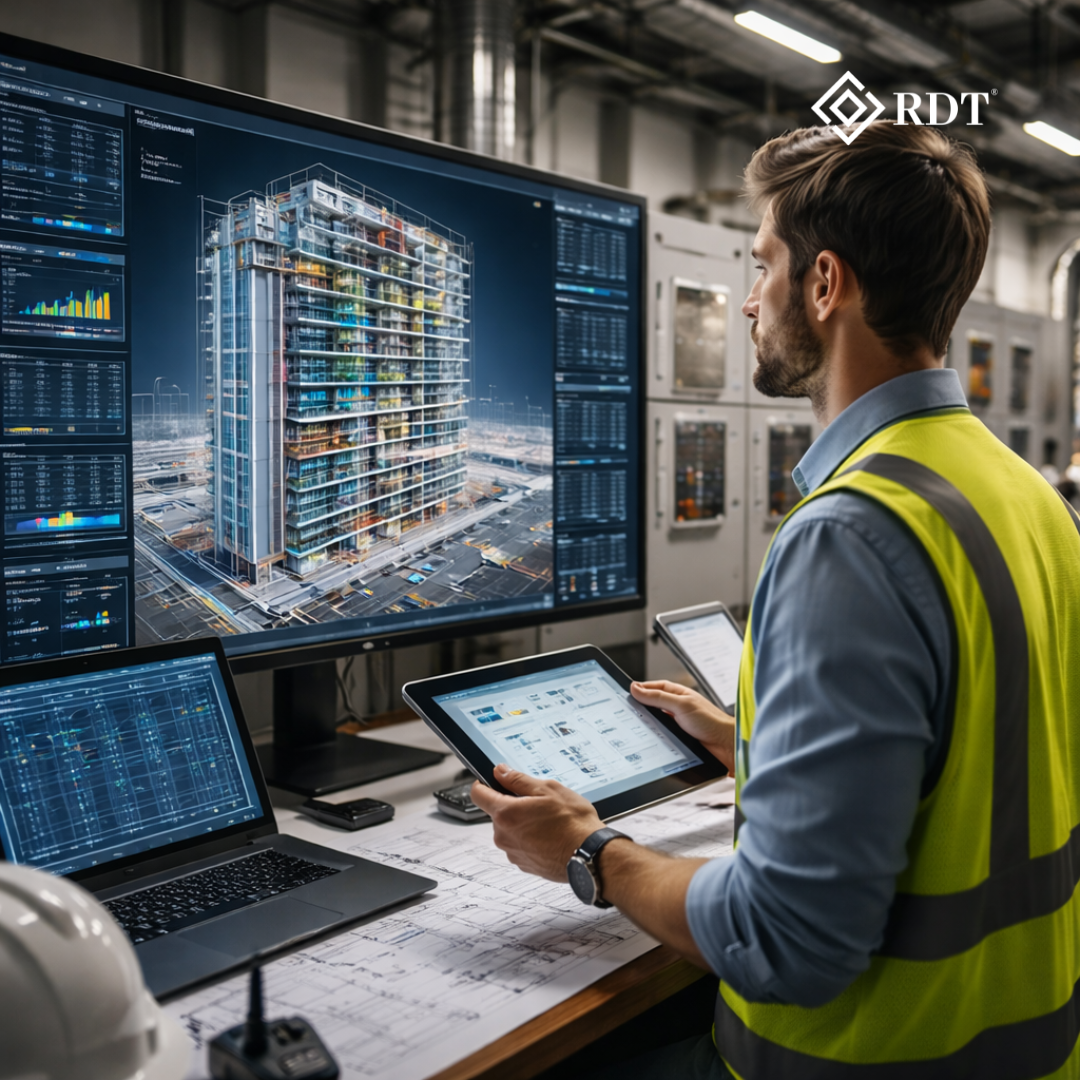
The architecture, engineering, and construction industry is rapidly evolving as advanced technologies reshape the way buildings and infrastructure are planned, constructed, and managed. Among these innovations, Digital Twin Technology in BIM Projects is emerging as one of the most transformative solutions for modern construction workflows. It enables professionals to create a living digital replica of a building or infrastructure asset that reflects real time performance, conditions, and operational data.
Digital Twin Technology in BIM Projects bridges the gap between design models and real world building operations. While traditional BIM focuses on creating accurate digital representations during the design and construction phases, digital twin technology takes this concept further by connecting those models with live data from sensors, monitoring systems, and facility management platforms. The result is a dynamic environment where building performance can be analyzed, predicted, and optimized throughout the entire lifecycle of the asset.
As construction projects become more complex and sustainability expectations increase, digital twin integration within BIM workflows is becoming essential for architects, engineers, contractors, and facility managers who want greater efficiency, transparency, and long term asset value.
Understanding Digital Twin Technology in BIM Projects
A digital twin is a virtual representation of a physical asset that continuously receives data from the real world. In the context of BIM projects, the digital twin evolves from the original BIM model and remains connected to the building even after construction is completed.
During the design stage, BIM models contain detailed geometry, materials, system layouts, and construction documentation. When digital twin technology is integrated, this model becomes more than just a design reference. It transforms into an intelligent platform capable of simulating building performance, monitoring operational conditions, and providing predictive insights.
Sensors embedded within the building collect data such as temperature, energy consumption, equipment performance, occupancy levels, and environmental conditions. This data is transmitted to the digital twin platform, allowing facility managers and engineers to visualize building behavior in real time and make informed decisions.
The integration of Digital Twin Technology in BIM Projects ensures that the digital model remains valuable long after the building is constructed. Instead of being archived as a static file, the model becomes an active management tool that supports continuous improvement.
Improving Design Accuracy Through Digital Twins
One of the most significant advantages of digital twin integration is its ability to enhance design accuracy during early project stages. Architects and engineers can simulate how a building will perform under various conditions before construction begins.
By connecting BIM models with performance data and predictive analytics, digital twins help project teams evaluate structural behavior, energy efficiency, ventilation systems, lighting conditions, and occupant comfort. This allows designers to test multiple scenarios and identify potential issues that might otherwise appear during construction or operation.
For example, designers can analyze how sunlight affects interior spaces throughout the year, how air circulation impacts thermal comfort, or how energy consumption patterns may change based on occupancy. These insights help teams optimize building design for efficiency, sustainability, and long term functionality.
Because Digital Twin Technology in BIM Projects enables real time simulation and feedback, design teams can reduce costly revisions and avoid design conflicts that might delay construction schedules.
Enhancing Collaboration During Construction
Construction projects involve multiple stakeholders including architects, engineers, contractors, subcontractors, and project managers. Coordinating information among these participants can be challenging, especially when dealing with large and complex developments.
Digital twins connected to BIM platforms create a centralized data environment where project teams can access accurate and up to date information about the building. This shared platform improves communication and ensures that everyone works with the same data.
During construction, the digital twin can track progress, compare actual site conditions with the BIM model, and identify discrepancies between planned and executed work. Project managers can monitor construction activities, equipment usage, and resource allocation through the digital twin interface.
This level of visibility helps teams detect problems early, prevent rework, and maintain project timelines. Contractors can also use digital twin insights to optimize construction sequencing and improve site safety by monitoring environmental conditions and structural behavior.
By integrating Digital Twin Technology in BIM Projects, construction teams gain better control over project execution and can respond quickly to changes or unexpected challenges.
Supporting Predictive Maintenance and Asset Management
Facility management is one of the most valuable applications of digital twin technology. Once a building becomes operational, maintaining equipment and infrastructure systems becomes a continuous responsibility.
Traditional maintenance strategies often rely on scheduled inspections or reactive repairs when equipment fails. Digital twins change this approach by enabling predictive maintenance based on real time performance data.
Sensors installed within HVAC systems, electrical networks, elevators, and mechanical equipment continuously send operational data to the digital twin platform. Facility managers can monitor this information through dashboards that highlight system performance and potential anomalies.
When the digital twin detects irregular behavior such as increased vibration in a motor or abnormal temperature levels in mechanical equipment, it can alert maintenance teams before a failure occurs. This proactive approach helps reduce downtime, extend equipment lifespan, and lower maintenance costs.
Digital Twin Technology in BIM Projects also supports asset tracking by maintaining detailed records of building components, installation dates, maintenance history, and operational performance. Facility managers can quickly locate equipment within the digital model and access relevant information for repairs or replacements.
Optimizing Energy Efficiency and Sustainability
Energy consumption is a major concern for modern buildings, particularly as sustainability regulations and environmental awareness continue to grow. Digital twins integrated with BIM models play a critical role in improving energy efficiency.
By analyzing data from building management systems, digital twins provide insights into how energy is used throughout the building. Facility managers can identify areas where energy consumption is higher than expected and adjust systems to improve efficiency.
For instance, digital twins can monitor heating and cooling systems and automatically adjust settings based on occupancy patterns and weather conditions. Lighting systems can also be optimized by analyzing how natural daylight interacts with interior spaces.
Because Digital Twin Technology in BIM Projects enables continuous performance monitoring, building owners can achieve long term energy savings while reducing environmental impact. The technology also helps organizations meet sustainability certifications and green building standards.
Improving Safety and Risk Management
Safety is a fundamental priority in both construction and building operations. Digital twins provide advanced tools that support risk assessment and safety management throughout the building lifecycle.
During construction, digital twin simulations can analyze structural loads, material behavior, and environmental conditions to identify potential safety risks. Project teams can use these insights to adjust construction methods and ensure safe working environments.
In operational buildings, digital twins monitor structural integrity, environmental conditions, and emergency systems. If sensors detect unusual structural movement, fire risks, or hazardous conditions, alerts can be generated immediately.
Facility managers can use digital twin platforms to simulate emergency scenarios such as fire evacuation routes or equipment failures. These simulations help organizations prepare effective response strategies and improve overall building safety.
The integration of Digital Twin Technology in BIM Projects therefore strengthens both preventive and reactive safety measures.
Enabling Smarter Facility Management Decisions
Managing a large building or complex facility requires constant decision making regarding space utilization, maintenance priorities, and operational efficiency. Digital twins provide valuable data that supports smarter facility management strategies.
Through the digital twin platform, managers can visualize building performance in an interactive environment that displays equipment status, occupancy levels, and system efficiency. This comprehensive view allows decision makers to identify inefficiencies and plan improvements.
For example, facility managers can analyze which areas of a building are underutilized and reorganize space allocation accordingly. They can also assess how building systems perform during peak usage periods and adjust operational strategies to maintain comfort and efficiency.
Digital Twin Technology in BIM Projects transforms facility management from a reactive process into a data driven strategy that focuses on long term building performance and user satisfaction.
The Future of Digital Twins in the AEC Industry
The adoption of digital twin technology is expected to grow significantly in the coming years as the construction industry continues to embrace digital transformation. Advances in Internet of Things sensors, cloud computing, artificial intelligence, and data analytics will further enhance the capabilities of digital twins.
Future BIM models will increasingly evolve into intelligent digital ecosystems where buildings communicate continuously with their digital counterparts. Infrastructure projects such as airports, hospitals, transportation networks, and smart cities will rely heavily on digital twins to manage complex operations and optimize performance.
As technology becomes more accessible, even mid-sized construction projects will begin integrating Digital Twin Technology in BIM Projects to gain competitive advantages. Organizations that adopt these solutions early will benefit from improved project delivery, enhanced asset performance, and more sustainable building operations.
Conclusion
Digital twin technology represents a significant step forward in how the construction industry approaches design, construction, and facility management. By extending the capabilities of BIM models beyond the design phase, digital twins create a living digital environment that reflects the real world performance of buildings and infrastructure.
Through improved design simulations, enhanced collaboration, predictive maintenance, energy optimization, and smarter facility management, Digital Twin Technology in BIM Projects offers a comprehensive solution for managing complex built environments. As the AEC industry continues to evolve, digital twins will play an increasingly important role in delivering efficient, sustainable, and high performing buildings.
Organizations that integrate digital twin capabilities into their BIM workflows will be better positioned to handle modern construction challenges while maximizing the long term value of their built assets.
If you want to harness the full potential of Digital Twin Technology in BIM Projects and elevate the performance of your design, construction, and facility management workflows, partner with experts who understand the power of advanced BIM solutions. RDT Technology delivers high quality BIM services that help organizations transform complex projects into intelligent digital environments, ensuring greater efficiency, accuracy, and long term project success.