In the Architecture Engineering and Construction industry, success is rarely accidental. It is carefully shaped long before construction begins, often in ways that are not immediately visible. One of the most critical yet overlooked forces behind project success is construction documentation. When done right, it becomes the backbone of clarity and coordination. When done poorly, it introduces confusion that spreads across every stage of execution. This is where the idea of Construction Documentation Quietly Building Your Project becomes important. It reflects how documentation can either guide a project toward success or silently lead it toward costly mistakes.
The Role of Documentation in Shaping Outcomes
Every project begins with an idea. That idea evolves through design and eventually becomes something tangible. Construction documentation is the bridge that connects imagination to reality. Without it, even the most brilliant concepts remain incomplete.
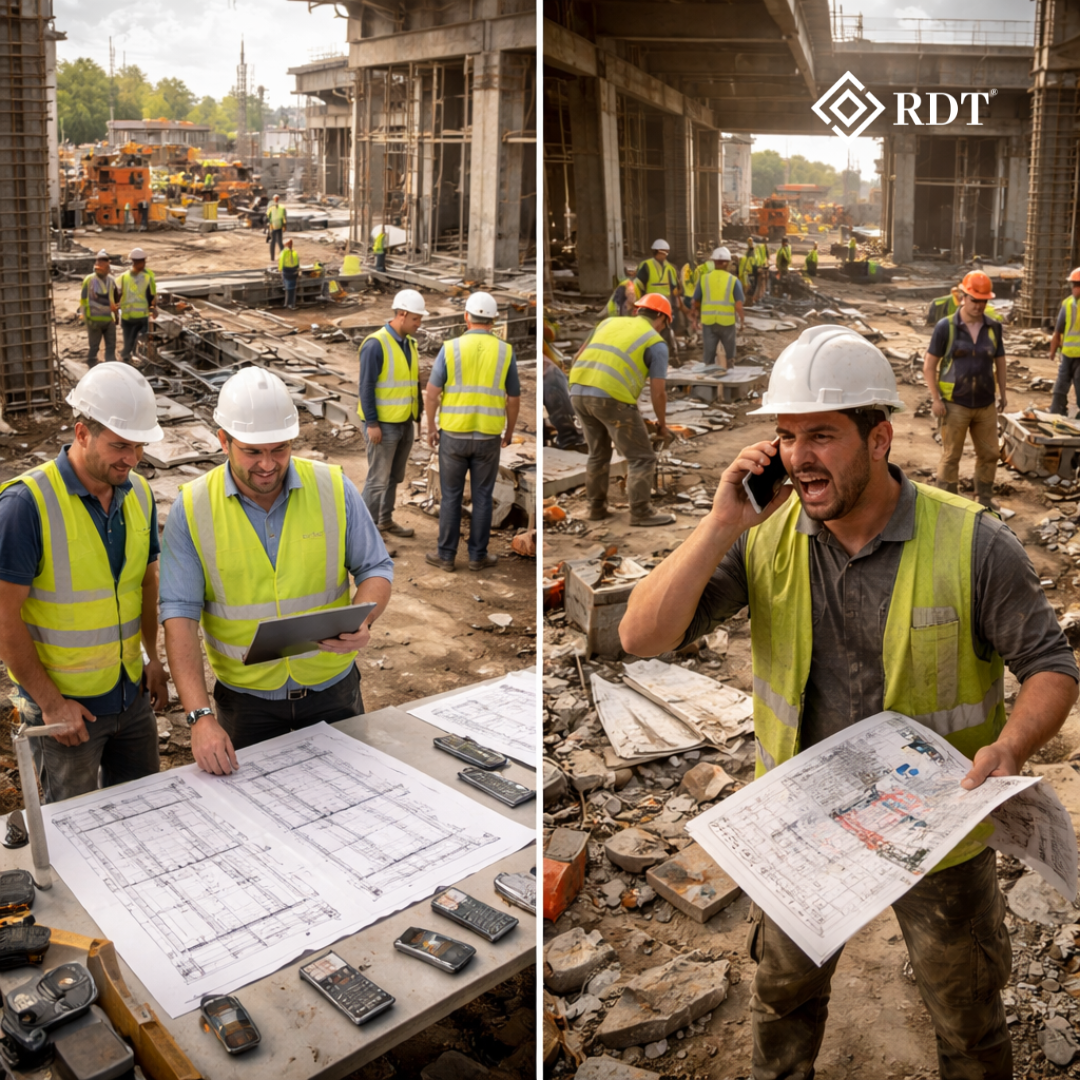
Good documentation ensures that every stakeholder is aligned. It creates a shared understanding of scope, materials, dimensions, and systems. It minimizes assumptions and replaces them with clear instructions. This alignment is what allows large and complex projects to move forward without losing direction.
On the other hand, poor documentation creates gaps. These gaps are often filled with assumptions that vary from one team to another. What one consultant interprets as acceptable, another may see as incorrect. This misalignment leads to errors that surface during construction, when they are most expensive to fix.
Why Clarity Is the Strongest Advantage
Clarity in construction documentation is not about adding more information. It is about providing the right information in the right way. Drawings must be easy to understand. Notes must be direct and unambiguous. Specifications must leave no room for confusion.
When clarity is present, teams can act decisively. Contractors do not need to pause and question intent. Engineers can focus on execution instead of interpretation. Project managers can maintain timelines without constant interruptions.
Lack of clarity, however, creates hesitation. Teams begin to double check everything. Requests for information increase. Communication becomes reactive instead of proactive. Each delay may seem small, but together they create a significant impact on project timelines and budgets.
Coordination Is the Real Game Changer
Modern construction projects involve multiple disciplines working together. Architectural, structural, mechanical, electrical, and plumbing systems must all align within the same space. This level of complexity demands precise coordination.
Construction documentation plays a central role in ensuring that all these systems work together without conflict. When coordination is strong, teams can identify potential issues early and resolve them before they become real problems.
Poor coordination, however, creates hidden clashes. Systems overlap, spaces are misused, and critical elements compete for the same area. These conflicts often go unnoticed until construction begins, at which point they become expensive and time consuming to fix.
The Hidden Cost of Incomplete Information
Incomplete documentation is one of the most underestimated risks in the industry. Missing details may seem insignificant during the design phase, but they have a cascading effect during construction.
When information is incomplete, teams are forced to pause and seek clarification. This disrupts workflow and creates delays. In many cases, decisions are made on assumptions simply to keep progress moving. These assumptions often lead to rework later.
Complete documentation eliminates this uncertainty. It provides all the necessary details upfront, allowing teams to execute with confidence and precision.
How Documentation Impacts Project Timelines
Time is one of the most critical factors in any construction project. Delays not only increase costs but also affect client satisfaction and project reputation.
Well prepared documentation helps maintain momentum. It ensures that work can proceed without interruptions. Teams know what to do, when to do it, and how to do it.
Poor documentation, on the other hand, slows everything down. Frequent clarifications, design changes, and rework create a chain reaction that impacts the entire schedule. What starts as a small delay can quickly escalate into a major setback.
Reducing Risk Through Better Documentation
Risk is an unavoidable part of construction, but it can be managed effectively. One of the most powerful tools for reducing risk is strong construction documentation.
Clear and coordinated documentation helps identify potential issues before they occur. It allows teams to plan better and avoid costly mistakes. It also provides a reliable reference point in case of disputes or misunderstandings.
Without proper documentation, risk increases significantly. Miscommunication becomes common, and accountability becomes unclear. This creates an environment where problems are harder to resolve.
The Role of Technology in Modern Documentation
The construction industry is evolving, and so is the way documentation is created and managed. Digital tools and advanced modeling techniques have transformed the documentation process.
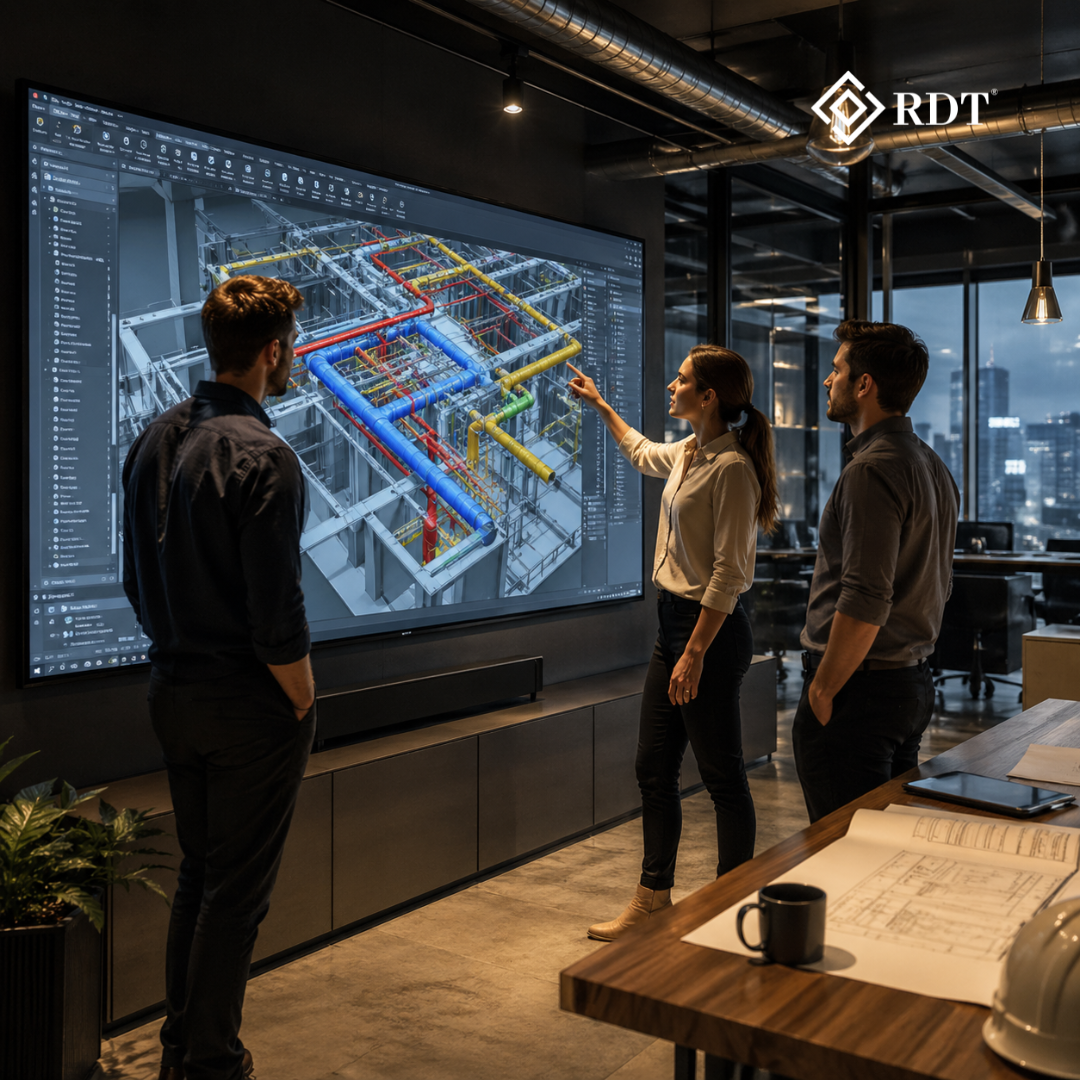
Technologies like Building Information Modeling allow teams to create highly detailed and coordinated documentation. They provide a visual representation of the project, making it easier to identify issues and improve accuracy.
However, technology alone is not enough. It must be used effectively to produce documentation that is clear, complete, and reliable. The goal is not just to create more data, but to create better communication.
From Documentation to Execution Excellence
Construction documentation is not just a design phase deliverable. It is a continuous guide that influences every stage of execution. From procurement to installation, it shapes how work is carried out on site.
When documentation is strong, execution becomes smoother. Teams can focus on delivering quality work instead of solving avoidable problems. The project moves forward with confidence and control.
When documentation is weak, execution becomes reactive. Teams spend more time fixing issues than building progress. This not only affects efficiency but also impacts overall project quality.
Conclusion
Construction documentation is often underestimated, yet it holds the power to determine the success or failure of a project. It is not just about creating drawings and specifications. It is about creating clarity, alignment, and confidence across every stage of the project.
The difference between a successful project and a struggling one often comes down to how well documentation has been prepared and managed. It can quietly build your project by guiding every decision with precision. Or it can silently create problems that surface when it is too late to avoid them.
The choice lies in how seriously documentation is treated and how much attention is given to its quality.
Take the Next Step with RDT Technology
If your construction documentation is not delivering the clarity and coordination your projects demand, it is time to rethink your approach. RDT Technology specializes in creating precise, well coordinated, and execution ready documentation that supports project success from start to finish.
Partner with RDT Technology and ensure your documentation is not just a formality, but a powerful tool that drives efficiency, reduces risk, and builds confidence across every stage of your project.