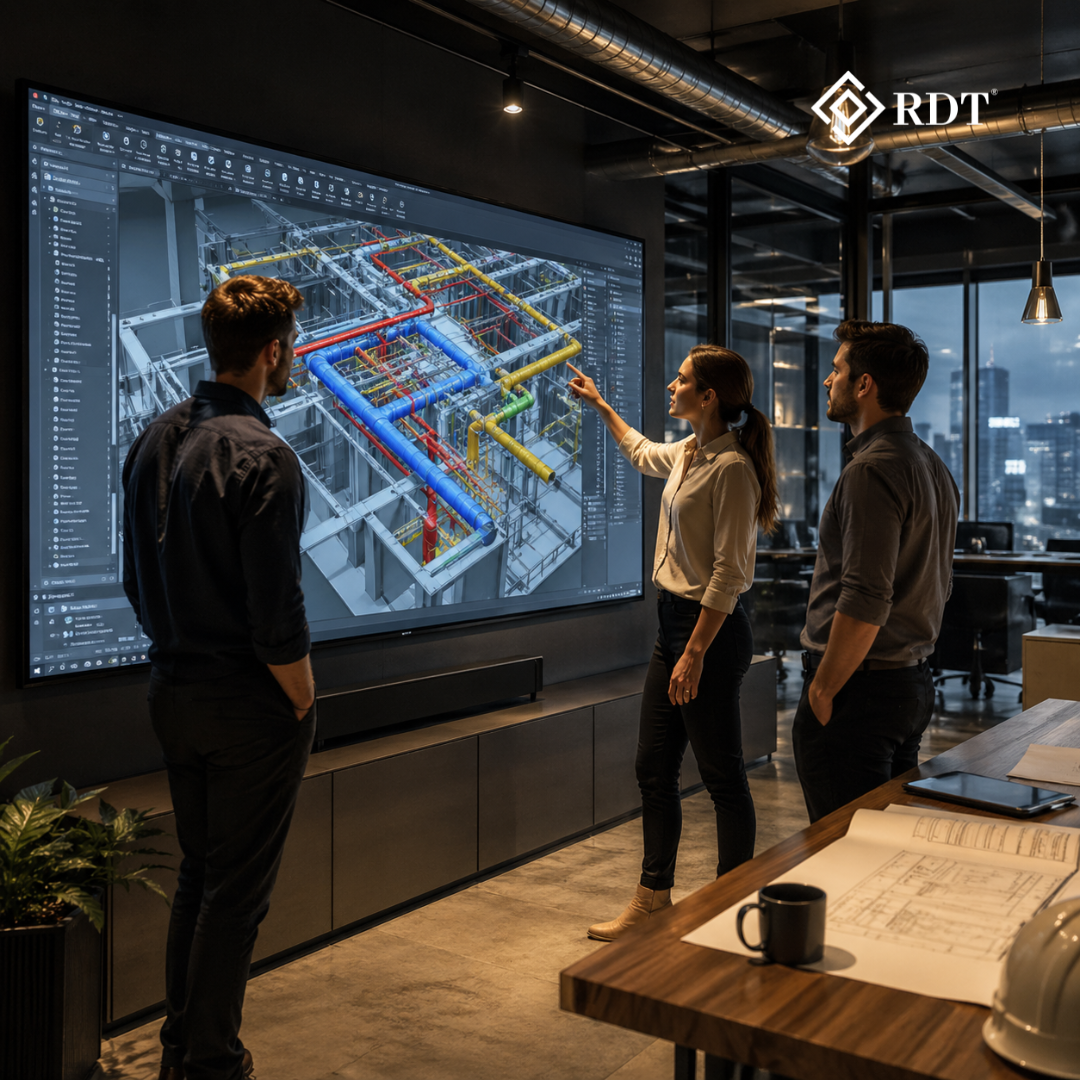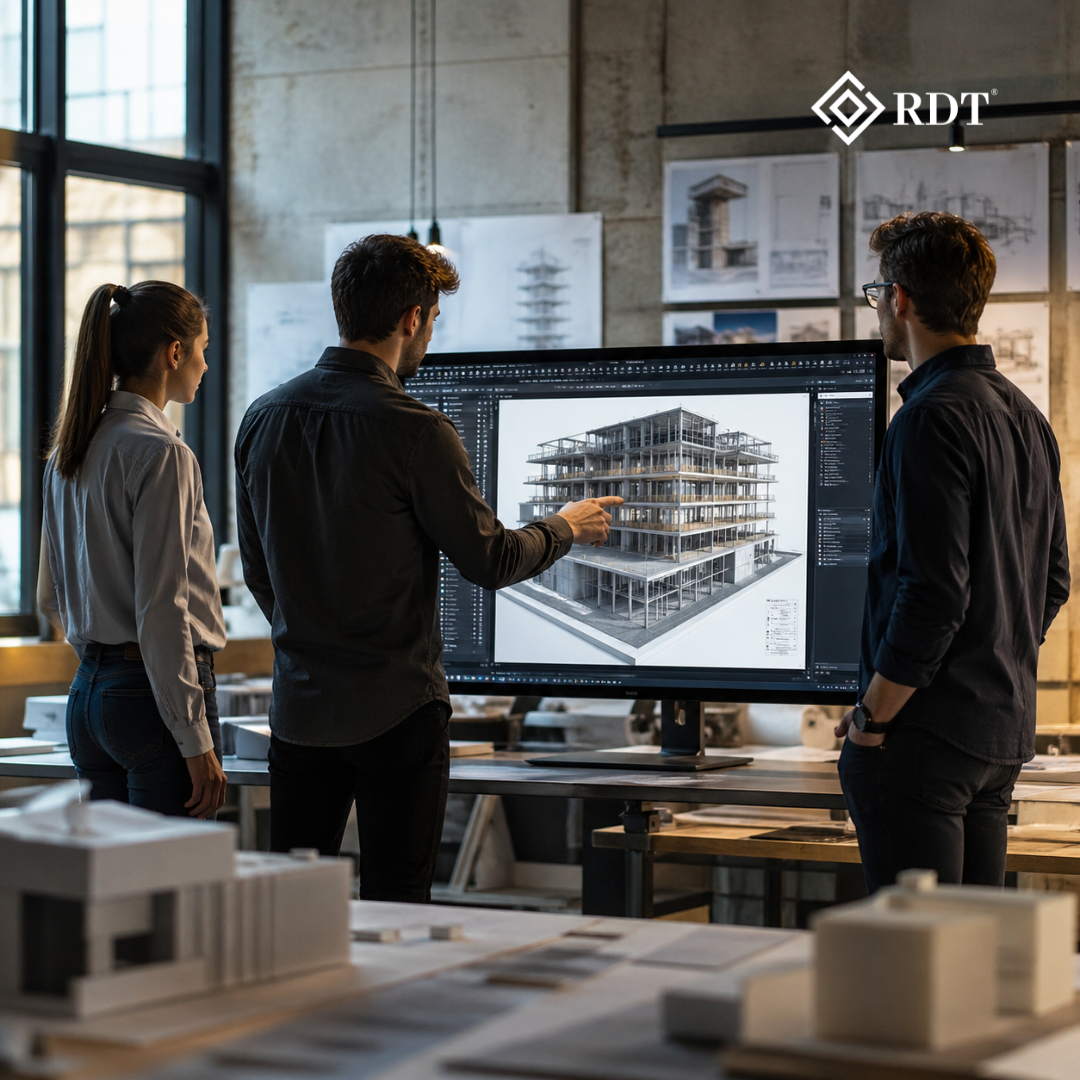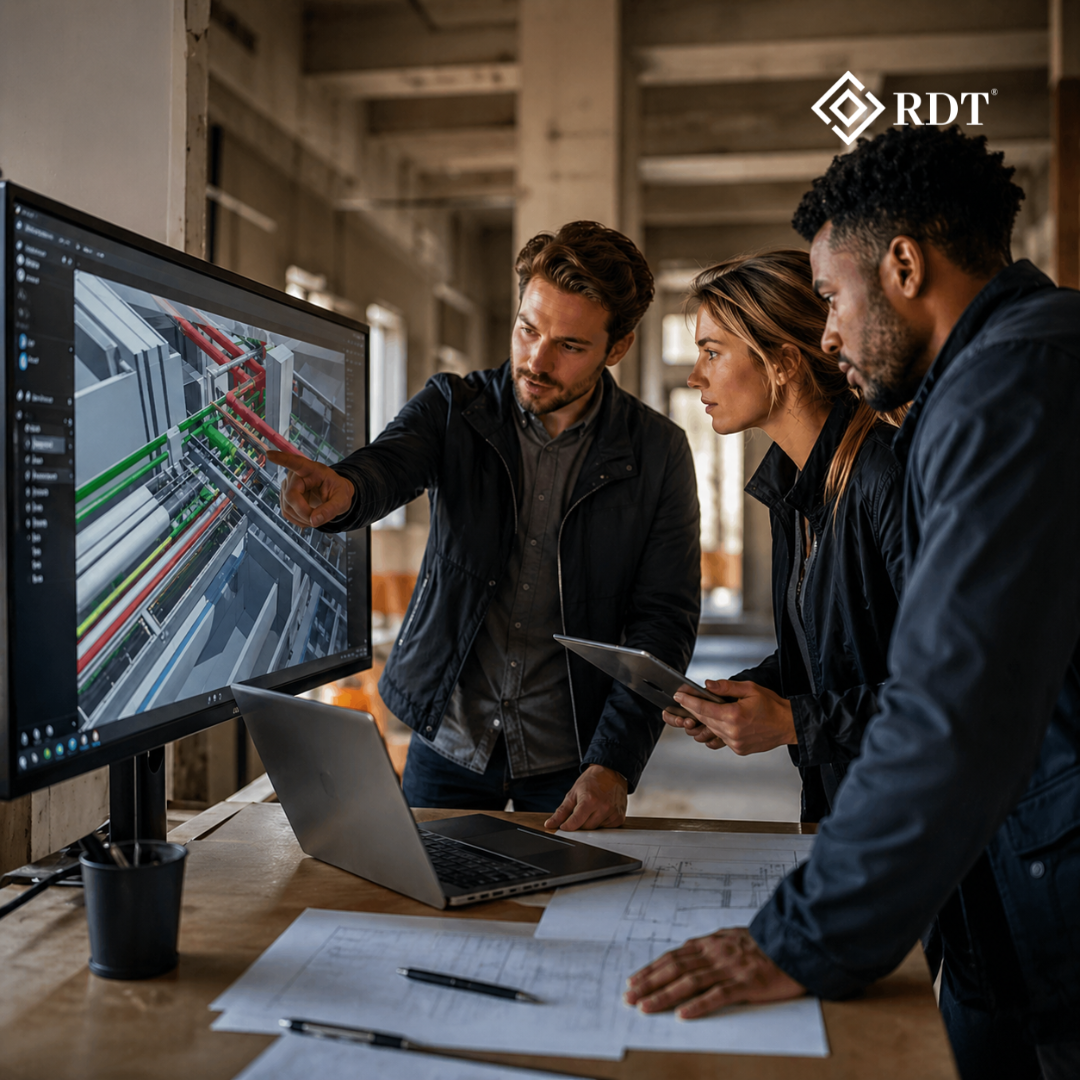
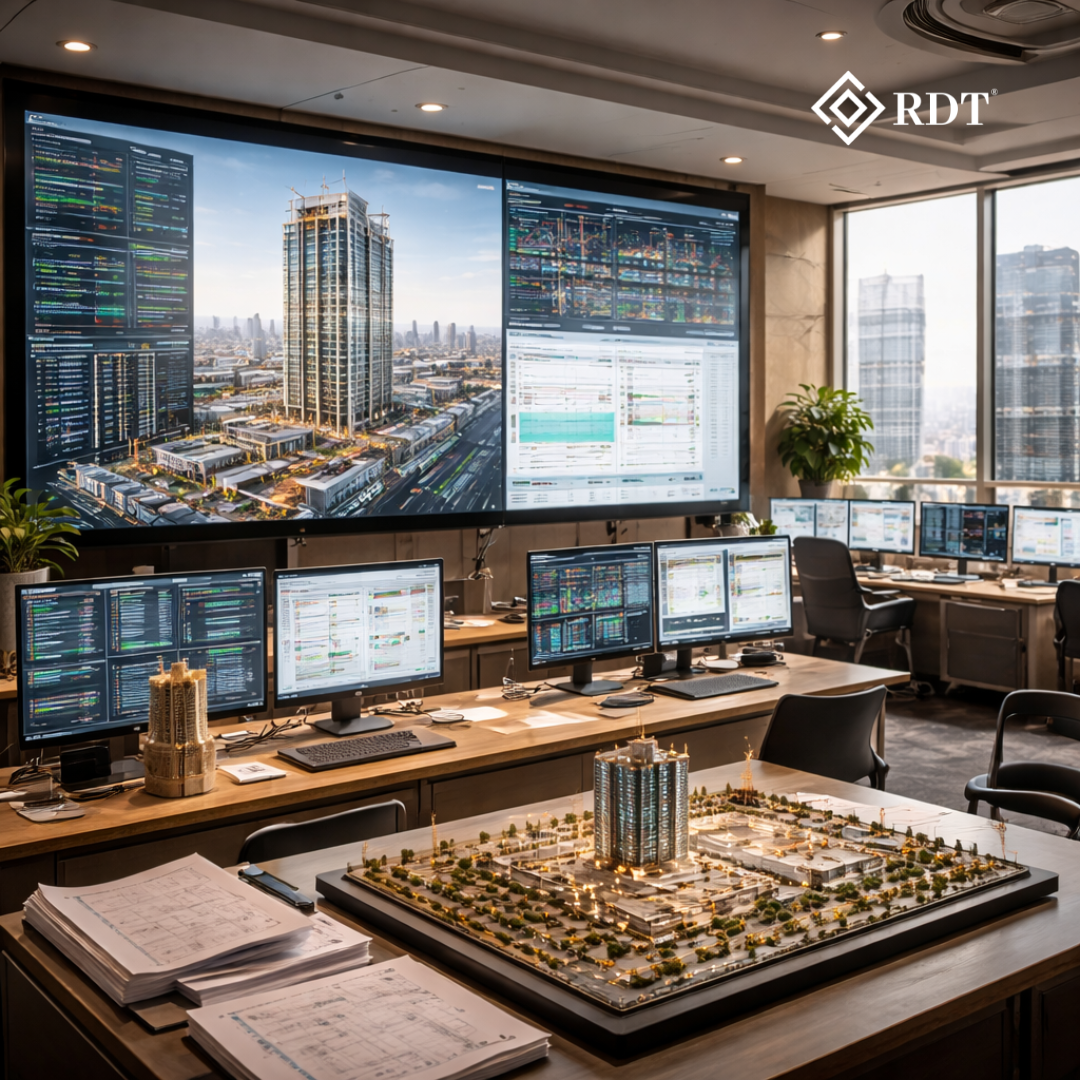
The construction industry has always relied on documentation as its backbone, but as we move toward a more complex and digitally driven future, the conversation is rapidly evolving around Construction Documentation for 2030. Drawings, specifications, schedules, and reports have long served as the primary means of communicating design intent and execution strategies. While these tools have supported the industry for decades, they are no longer enough to keep pace with the scale, speed, and sophistication of modern projects.
Today, Construction Documentation for 2030 is not just about producing accurate drawings. It is about rethinking how information is created, shared, and experienced across the entire project lifecycle. As expectations rise and margins tighten, the industry must move beyond static records and embrace more dynamic, intelligent ways of delivering clarity. This shift is pushing AEC professionals to look beyond documentation and toward simulation as the next evolution of project communication and execution.
The Problem with Traditional Documentation
Construction documentation has always been about capturing information in a static format. Drawings show geometry. Specifications define materials and standards. Schedules outline timelines. While these elements are essential, they are inherently limited.
They do not adapt in real time.
They do not predict conflicts before they occur.
They do not communicate experience or intent beyond what is explicitly drawn.
Even the most detailed set of drawings cannot fully represent how a building will behave once constructed. Teams often rely on interpretation, assumptions, and coordination meetings to bridge the gaps. This introduces inefficiencies, miscommunication, and costly errors.
In a world where projects involve multiple stakeholders across different disciplines and geographies, relying solely on static documentation is no longer sufficient.
The Rise of Complexity in AEC Projects
Modern construction projects are no longer straightforward. They involve intricate systems, advanced materials, sustainability requirements, and tight timelines. Smart buildings integrate technology at every level. Infrastructure projects demand precision at an unprecedented scale.
With this level of complexity, the margin for error becomes extremely small. A minor misalignment in documentation can cascade into major issues during construction. Delays, rework, and budget overruns often stem from gaps in understanding rather than a lack of effort.
This is where simulation begins to change the game.
What Does It Mean to Simulate Instead of Document
Simulation goes beyond representing information. It creates a dynamic environment where every component of a project can be tested, analyzed, and experienced before it is built.
Instead of asking teams to interpret drawings, simulation allows them to interact with the project in a realistic and immersive way. It brings together geometry, data, behavior, and performance into a single integrated model.
Imagine being able to walk through a building before construction begins. Imagine identifying clashes not just in structure and services, but in workflow and usability. Imagine predicting how a space will perform under different conditions and making adjustments instantly.
This is not a distant vision. It is already happening, and it will become the standard by 2030.
Why Simulation Is the Future of Construction Communication
At its core, construction is about communication. Every stakeholder needs to understand what is being built, how it will be built, and why certain decisions are made.
Traditional documentation communicates information. Simulation communicates understanding.
When teams interact with a simulated environment, they gain clarity that drawings alone cannot provide. Architects can see how design decisions impact functionality. Engineers can evaluate system performance in context. Contractors can plan execution with precision. Clients can experience the project in a way that eliminates ambiguity.
This level of clarity reduces misunderstandings, accelerates decision making, and improves overall project outcomes.
Bridging the Gap Between Design and Reality
One of the biggest challenges in construction is the gap between design intent and built reality. No matter how detailed the documentation is, there is always a degree of interpretation during execution.
Simulation minimizes this gap.
By creating a digital representation that behaves like the real world, teams can validate their decisions before construction begins. They can test different scenarios, identify potential risks, and refine their approach without incurring physical costs.
This proactive approach shifts the industry from reactive problem solving to predictive planning.
Enhancing Collaboration Across Teams
Collaboration has always been a challenge in the AEC industry. Different disciplines often work in silos, each focusing on their own scope of work. Coordination typically happens through meetings, markups, and revisions, which can be time consuming and prone to miscommunication.
Simulation changes how teams collaborate.
Instead of exchanging static documents, teams work within a shared environment where changes are visible in real time. Conflicts can be identified and resolved collaboratively. Decisions can be made based on a comprehensive understanding of the project rather than isolated perspectives.
This not only improves efficiency but also fosters a more integrated approach to project delivery.
Reducing Risk and Improving Predictability
Risk is an inherent part of construction. Unforeseen issues, design conflicts, and coordination errors can all impact project timelines and budgets.
Simulation provides a powerful tool for managing these risks.
By analyzing different scenarios, teams can anticipate potential challenges and develop strategies to address them. They can simulate construction sequences, evaluate logistics, and optimize workflows before breaking ground.
This leads to more predictable outcomes and a higher level of confidence in project delivery.
The Role of Data in Simulation
Data is the foundation of effective simulation. Every element of a project carries information that can be used to enhance understanding and decision making.
From material properties to energy performance, from structural behavior to occupant experience, data transforms a simple model into a powerful simulation tool.
As the industry moves toward 2030, the ability to harness and integrate data will become a key differentiator. Firms that can leverage data effectively will be able to deliver more efficient, sustainable, and high performing projects.
Moving Beyond Compliance to Intelligence
Traditional documentation often focuses on compliance. It ensures that designs meet codes, standards, and contractual requirements.
While this is important, it is not enough.
Simulation enables a shift from compliance to intelligence. It allows teams to go beyond minimum requirements and explore opportunities for optimization and innovation.
Instead of asking whether a design meets standards, teams can ask how it can perform better. Instead of documenting what will be built, they can simulate how it will function and evolve over time.
The Human Experience Factor
Buildings are not just structures. They are spaces where people live, work, and interact. Traditional documentation rarely captures this human experience.
Simulation brings it to the forefront.
By visualizing and interacting with spaces before they are built, stakeholders can evaluate how environments will feel and function. They can assess factors such as lighting, circulation, and usability in a way that drawings cannot convey.
This leads to more thoughtful design decisions and ultimately better outcomes for end users.
Preparing for 2030
The transition from documentation to simulation will not happen overnight. It requires a shift in mindset, processes, and technology adoption.
Firms need to invest in tools that support simulation driven workflows. They need to train their teams to think beyond drawings and embrace a more dynamic approach to project delivery. They need to foster a culture of collaboration and innovation.
Most importantly, they need to recognize that the future of construction is not about producing more documents. It is about creating more understanding.
Challenges on the Road Ahead
While the benefits of simulation are clear, there are challenges that need to be addressed.
Adoption can be slow due to resistance to change. Integrating new technologies with existing workflows can be complex. There may be concerns about cost and return on investment.
However, these challenges are not insurmountable. As the industry continues to evolve, the value of simulation will become increasingly evident. Early adopters will gain a competitive advantage, while others may find themselves struggling to keep pace.
A New Standard for the Industry
By 2030, the expectation will not be to deliver a comprehensive set of drawings. It will be to deliver a comprehensive understanding of the project.
Clients will demand greater transparency and insight. Contractors will expect more precise and actionable information. Regulatory bodies may even begin to incorporate simulation into approval processes.
This will redefine what it means to deliver a project successfully.
Conclusion
The construction industry stands at a critical turning point. The methods that have served it for decades are no longer sufficient to meet the demands of modern projects.
Documentation will always have its place, but it can no longer be the primary tool for communication and decision making.
Simulation represents the next evolution. It transforms how projects are understood, how teams collaborate, and how risks are managed. It bridges the gap between design and reality, enabling a more efficient, predictable, and innovative approach to construction.
The question is no longer whether the industry will adopt simulation. The question is how quickly firms are willing to embrace it.
Those who make the shift will not just keep up with the future. They will define it.
If you are ready to move beyond outdated documentation and step into a smarter, simulation driven future, it is time to rethink how your projects are delivered. RDT Technology helps AEC firms unlock the full potential of BIM, advanced visualization, and intelligent simulation to bring clarity, accuracy, and confidence to every stage of construction.
Connect with RDT Technology today and take the next step toward building projects that are not just documented, but truly understood before they are built.