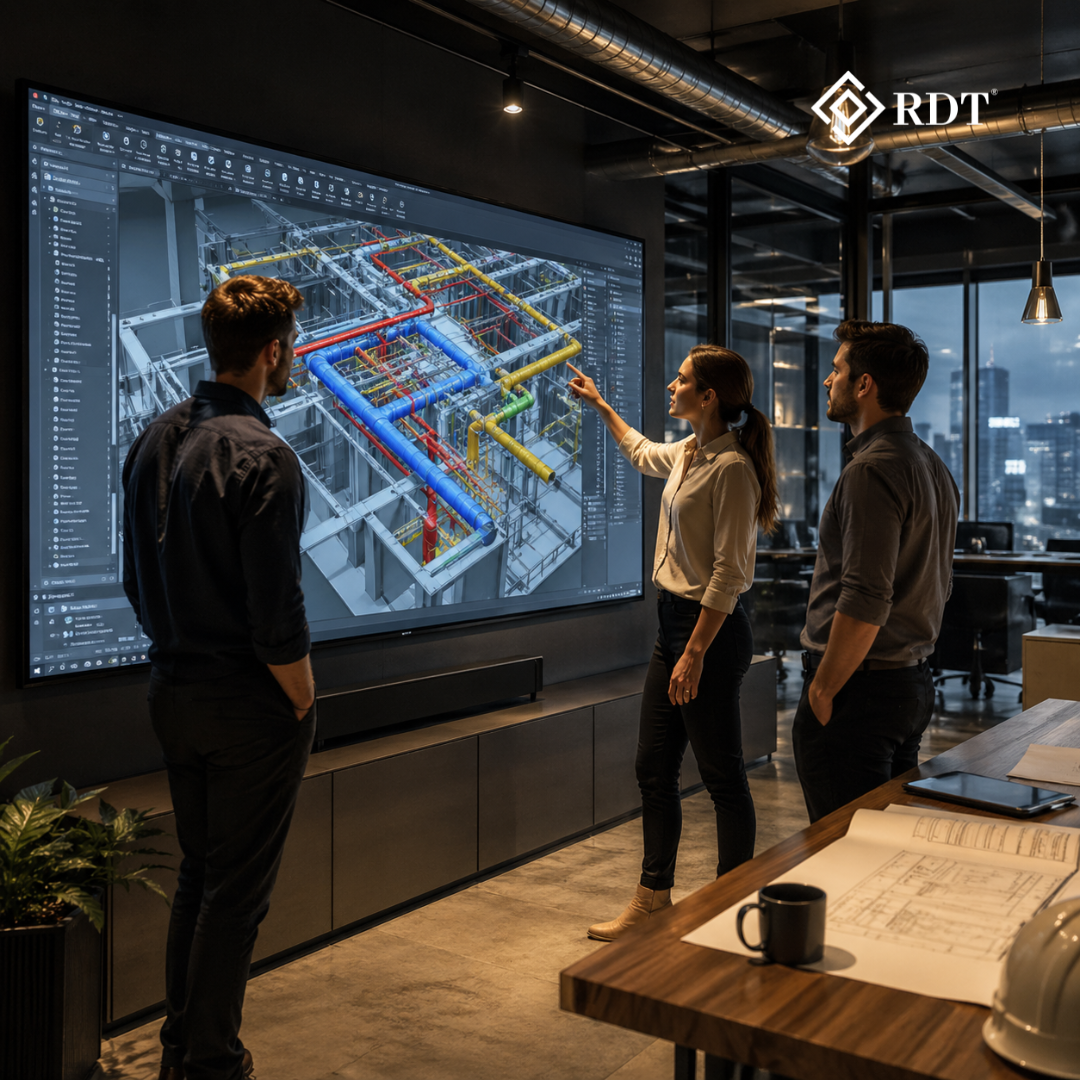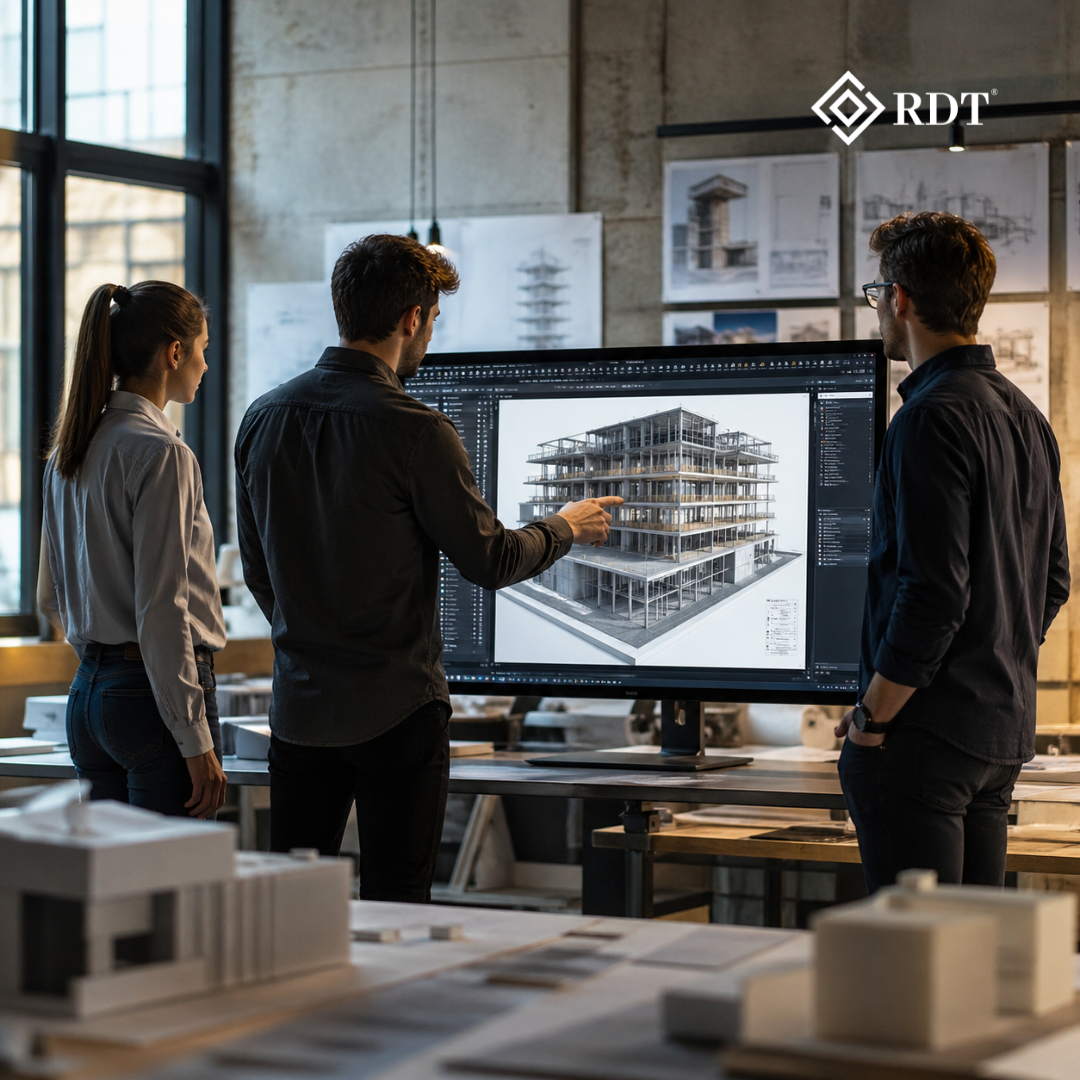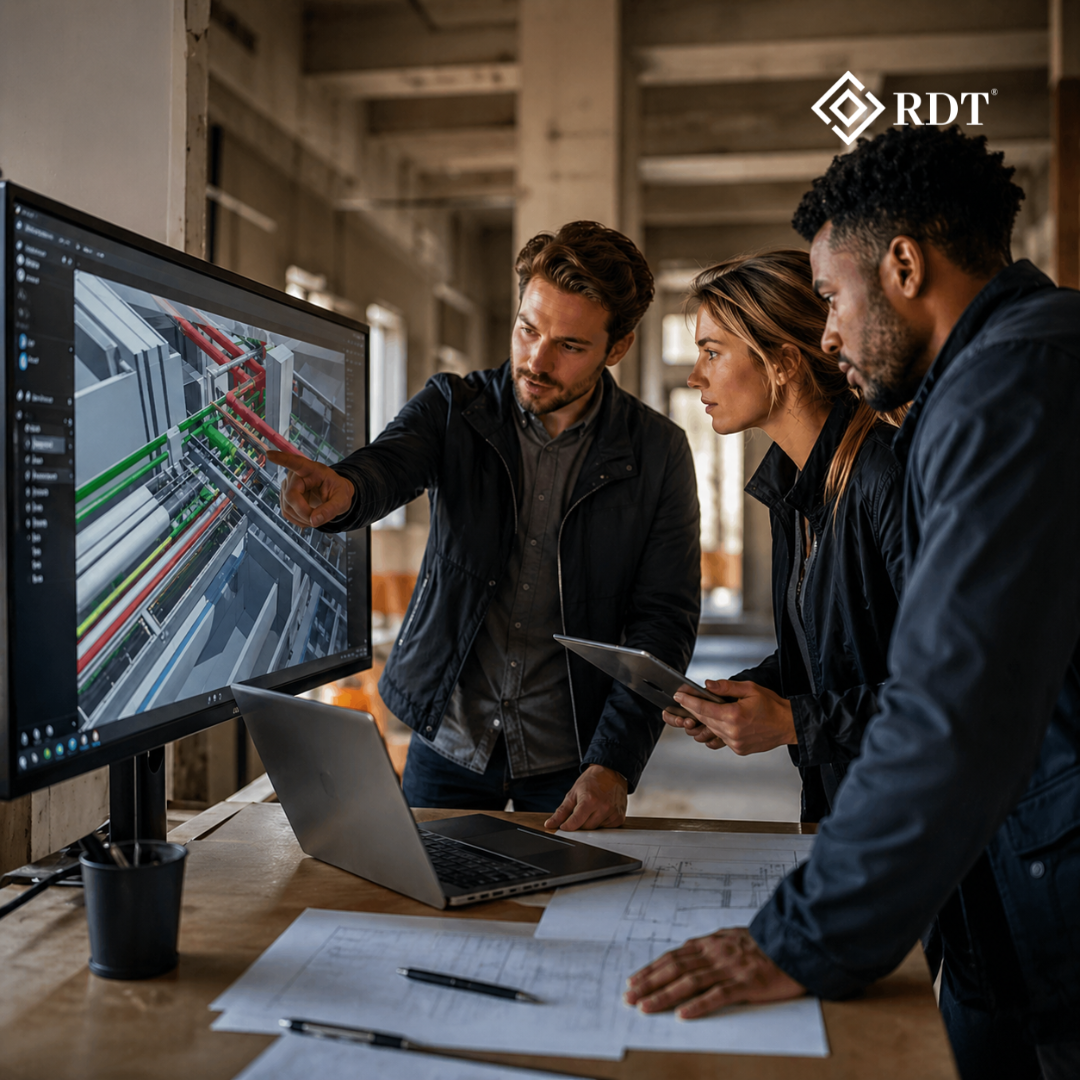
Construction documentation has always been the backbone of every successful project. It translates design intent into clear instructions that guide teams from concept to completion. Yet, despite rapid advancements in design and construction technology, documentation itself has remained largely static. Drawings are created, issued, revised, and reissued, often struggling to keep pace with the dynamic nature of a live job site. This raises an important question: what if Construction Documentation Could Think? What if drawings were not just passive records but intelligent systems capable of adapting in real time?
The idea is no longer limited to imagination. Intelligent, self updating drawings are emerging as a transformative solution that can reshape how construction teams collaborate, communicate, and execute projects. By integrating data, automation, and connectivity, documentation can evolve into an active and responsive component of the construction lifecycle.
Understanding Traditional Construction Documentation
Traditional construction documentation has long relied on static drawings that represent a fixed version of a design. These drawings are issued at different stages and require manual updates whenever changes occur. While this approach has worked for decades, it often struggles to keep up with the fast paced and ever changing environment of a construction site.
On live projects, revisions are inevitable. Design modifications, site conditions, and coordination challenges frequently require updates. However, the process of revising and redistributing drawings can be slow, leading to teams working with outdated information. This gap often results in errors, confusion, and costly rework.
In addition, different disciplines such as architectural, structural, and MEP teams often operate in separate workflows. Aligning their drawings requires constant coordination, which increases the risk of discrepancies and miscommunication.
The Concept of Intelligent Documentation
Intelligent construction documentation represents a shift from static drawings to dynamic, data driven systems. Instead of being standalone files, drawings are connected to a centralized model or data environment. This allows them to update automatically whenever changes are made.
For instance, a modification in a building model can instantly reflect across all related drawings. This eliminates the need for manual revisions and ensures consistency across all documents. It also reduces the chances of human error and improves overall accuracy.
Beyond automation, intelligent documentation can provide valuable insights. It can identify potential conflicts, suggest design improvements, and even predict issues before they arise. This transforms documentation into a proactive tool that supports better decision making.
Real Time Updates on Live Job Sites
One of the most impactful features of intelligent documentation is real time updating. Construction sites are dynamic environments where conditions can change quickly. Having access to up to date information is critical for maintaining efficiency and accuracy.
With intelligent drawings, updates are reflected instantly. If a structural change occurs, it is immediately visible across all related systems. This allows teams to respond quickly and avoid coordination issues.
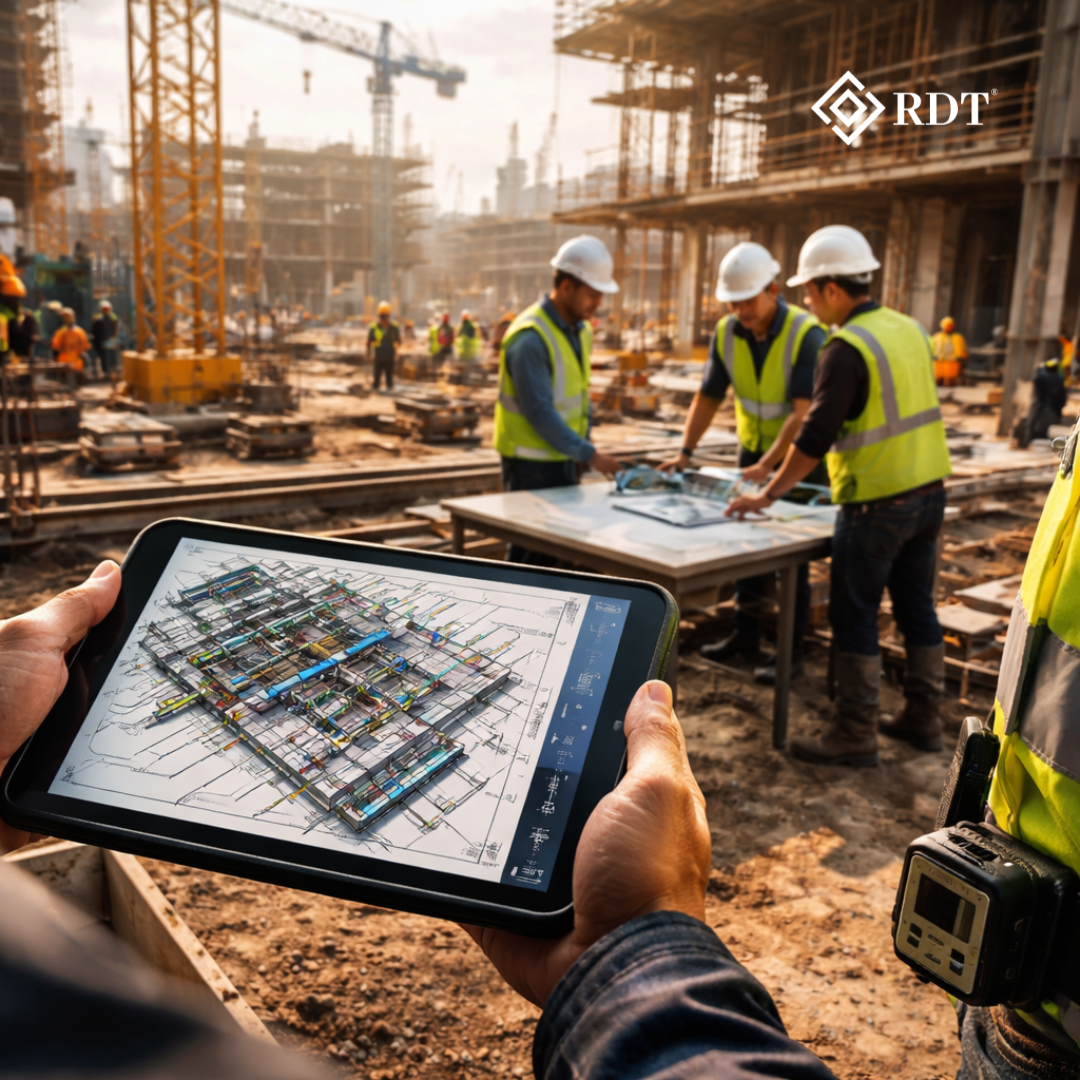
Site personnel can access the latest drawings through digital devices, reducing dependence on printed documents. This not only improves accuracy but also enhances convenience and accessibility on site.
Enhancing Collaboration and Communication
Construction projects involve multiple stakeholders working together. Effective communication is essential, yet it is often hindered by fragmented information and delayed updates. Intelligent documentation addresses this challenge by creating a unified platform for collaboration.
All stakeholders can access the same updated information in real time. Changes, comments, and annotations can be shared directly within the drawings, ensuring transparency and clarity. This reduces the need for lengthy discussions and minimizes misunderstandings.
Interactive documentation also allows teams to explore design options and test solutions collaboratively. This leads to faster decision making and improved project coordination.
Reducing Errors and Rework
Errors in construction can lead to significant delays and increased costs. Many of these errors stem from outdated or inconsistent documentation. Intelligent documentation helps eliminate these issues by ensuring that all drawings are accurate and synchronized.
Automated validation tools can detect clashes and inconsistencies before construction begins. This allows teams to resolve issues during the design phase rather than on site. As a result, rework is minimized, and project timelines are better maintained.
The ability to track changes also adds accountability. Every update is recorded, making it easier to identify the source of any issue and maintain quality control.
Improving Efficiency and Productivity
Efficiency is a key factor in the success of any construction project. Intelligent documentation streamlines workflows by reducing manual tasks and simplifying processes.
Teams no longer need to spend time searching for the latest version of a drawing or waiting for updates. Information is always current and readily accessible. This allows site teams to focus on execution rather than administrative tasks.
Design teams also benefit from reduced workload. Automated updates free up time for more strategic and creative work, leading to better overall outcomes.
Integration with Advanced Technologies
The true potential of intelligent documentation is realized when it is integrated with advanced technologies. Tools such as sensors, Internet of Things devices, and data analytics can enhance the functionality of self updating drawings.
For example, sensors on site can provide real time data about progress and conditions. This data can be linked to the documentation, allowing drawings to reflect actual site conditions. If delays or changes occur, the system can update relevant information instantly.
Augmented reality can further enhance visualization by allowing users to overlay digital drawings onto physical spaces. This improves accuracy during installation and reduces errors.
Artificial intelligence can analyze project data to identify patterns and provide recommendations. This helps teams anticipate challenges and make informed decisions.
Challenges and Considerations
While intelligent documentation offers numerous benefits, its implementation requires careful planning. Adopting new technologies involves investment in software, training, and process changes.
Teams must be willing to adapt to new workflows and embrace digital tools. Proper data management is also essential to ensure accuracy, security, and accessibility.
Standardization and interoperability are important factors as well. Different systems must work together seamlessly to create a unified environment. Despite these challenges, the long term advantages make the transition worthwhile.
The Future of Construction Documentation
The evolution of construction documentation is closely tied to the broader digital transformation of the industry. Intelligent, self updating drawings represent a significant step toward more efficient and connected workflows.
In the future, documentation may become even more advanced. It could incorporate predictive analytics, real time simulations, and automated decision making. Drawings may adapt not only to design changes but also to environmental and operational conditions.
This shift will redefine the role of documentation in construction. It will move from being a static reference to an active contributor that enhances every stage of a project.
Conclusion
The concept of intelligent, self updating drawings is changing the way construction projects are executed. By enabling real time updates, improving collaboration, and reducing errors, intelligent documentation addresses many of the challenges faced by traditional methods.
As the industry continues to evolve, embracing this innovation will be essential for staying competitive. Projects can be delivered more efficiently, with greater accuracy and improved outcomes.
If you are looking to bring smarter solutions into your construction processes, RDT Technology is ready to support you. Our expertise in advanced BIM and digital construction solutions ensures seamless coordination, real time efficiency, and highly accurate documentation. Partner with RDT Technology to transform your projects with intelligent workflows that deliver precision, clarity, and success.