The construction industry in 2026 is moving faster than ever before. Projects are larger, timelines are tighter, budgets are more controlled, and sustainability expectations are higher. In this evolving landscape, Building Information Modeling has become one of the most powerful tools driving real change. BIM modeling is no longer a futuristic concept or an optional service. It has become the backbone of modern construction planning, coordination, and execution.
From architects and engineers to contractors and developers, every stakeholder now depends on accurate digital models to deliver efficient, profitable, and sustainable projects. The transformation happening in 2026 is not only technological. It is strategic, operational, and deeply connected to how construction teams think and work.
What BIM Modeling Really Means in 2026
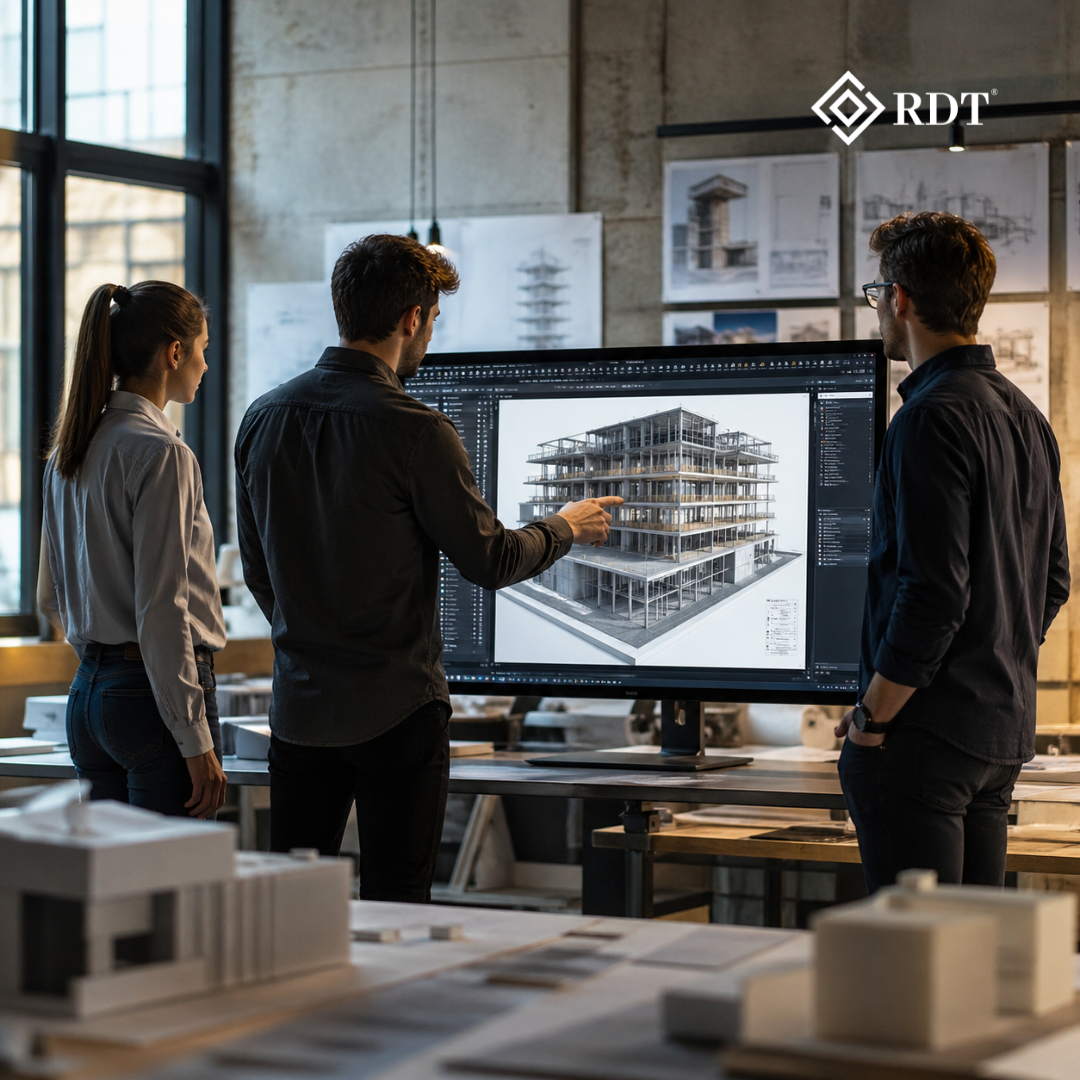
Building Information Modeling is far more than creating a three dimensional representation of a building. In 2026, BIM modeling represents an intelligent digital process that integrates geometry, materials, cost data, timelines, performance information, and lifecycle management into a single coordinated model.
Tools like Autodesk Revit, Navisworks, and Tekla Structures have evolved to provide deeper collaboration and real time coordination. These platforms allow teams to work simultaneously on a shared environment, ensuring that architecture, structure, and MEP systems align perfectly before construction even begins.
This integrated workflow reduces guesswork and replaces traditional trial and error methods with data driven decision making. In simple terms, BIM modeling allows teams to build digitally before building physically.
Eliminating Costly Clashes Before Construction
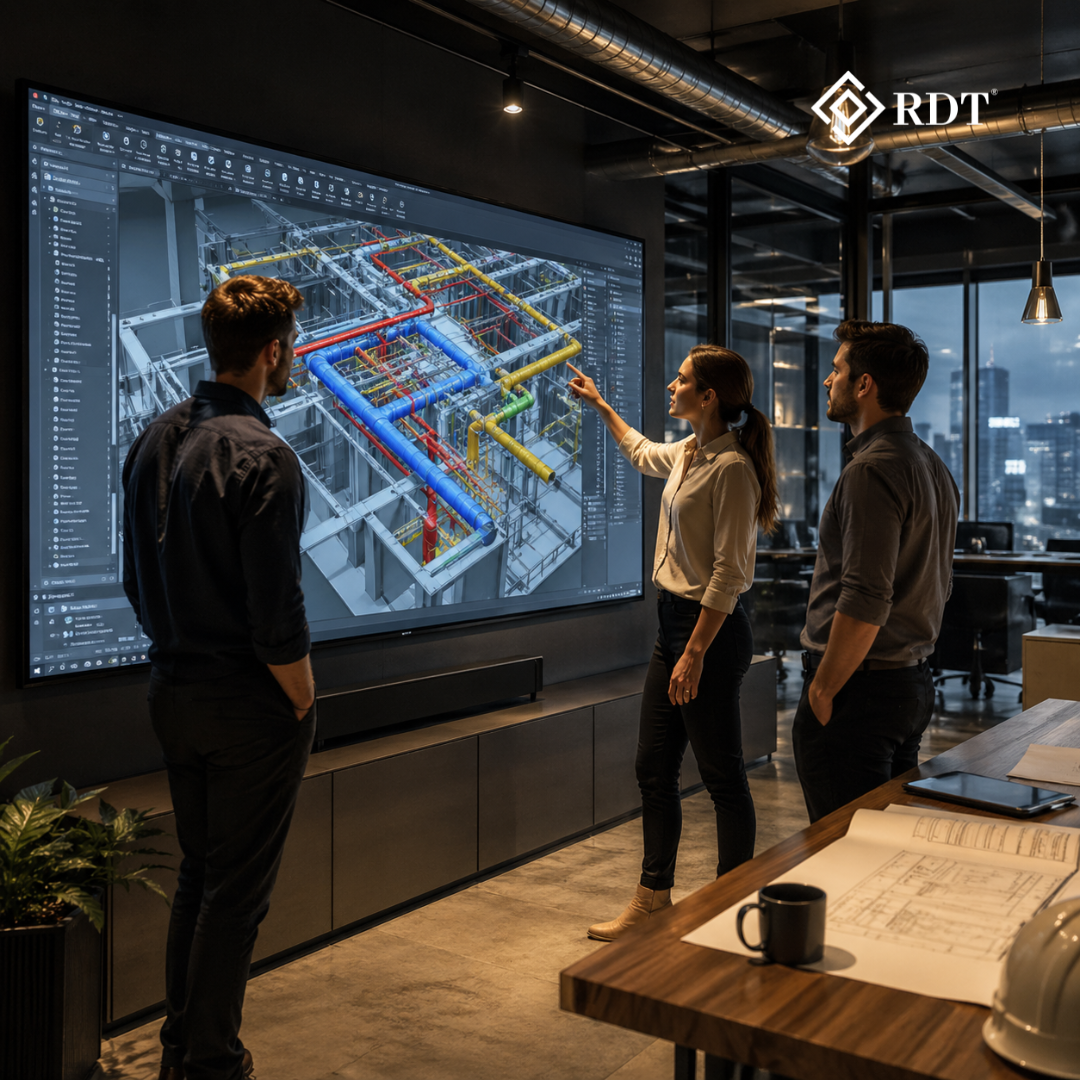
One of the biggest reasons BIM modeling is transforming construction in 2026 is its ability to prevent conflicts between systems. In traditional construction, clashes between structural beams and ductwork or plumbing lines were often discovered on site. These errors caused delays, change orders, and unexpected expenses.
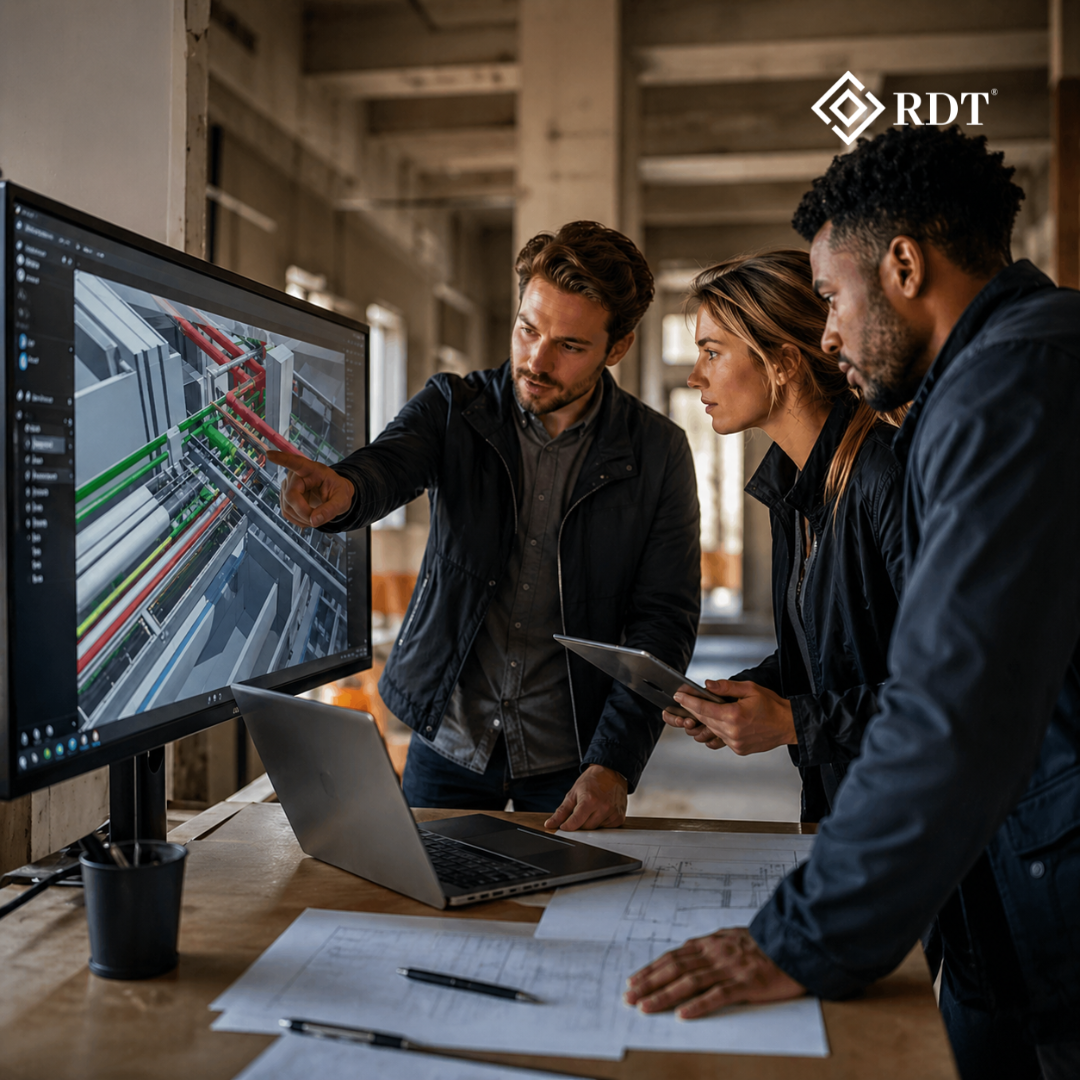
With BIM clash detection tools, conflicts are identified during the design stage. Coordination meetings are supported by accurate visual models, allowing teams to resolve issues long before materials reach the site. This proactive approach saves time, reduces material waste, and improves project timelines.
In 2026, developers are demanding clash free models before approving construction. This expectation is reshaping project workflows and raising quality standards across the industry.
Better Cost Control Through 5D BIM
Cost uncertainty has always been one of the biggest risks in construction. In 2026, 5D BIM is helping contractors gain tighter control over budgets. By linking the 3D model with cost data, teams can generate real time quantity takeoffs and cost estimates directly from the model.
When design changes occur, the cost impact is immediately visible. This transparency enables informed decision making and prevents budget overruns. Developers can compare alternatives, evaluate material options, and optimize resources with clarity.
As inflation and material price fluctuations continue to affect global markets, BIM modeling provides the financial predictability that modern projects require.
Improved Scheduling With 4D BIM
Time is money in construction. Delays impact profitability and reputation. In 2026, 4D BIM is playing a critical role in improving project scheduling.
By integrating the construction timeline with the 3D model, teams can simulate the entire construction sequence before breaking ground. This allows planners to identify bottlenecks, optimize labor allocation, and streamline workflows.
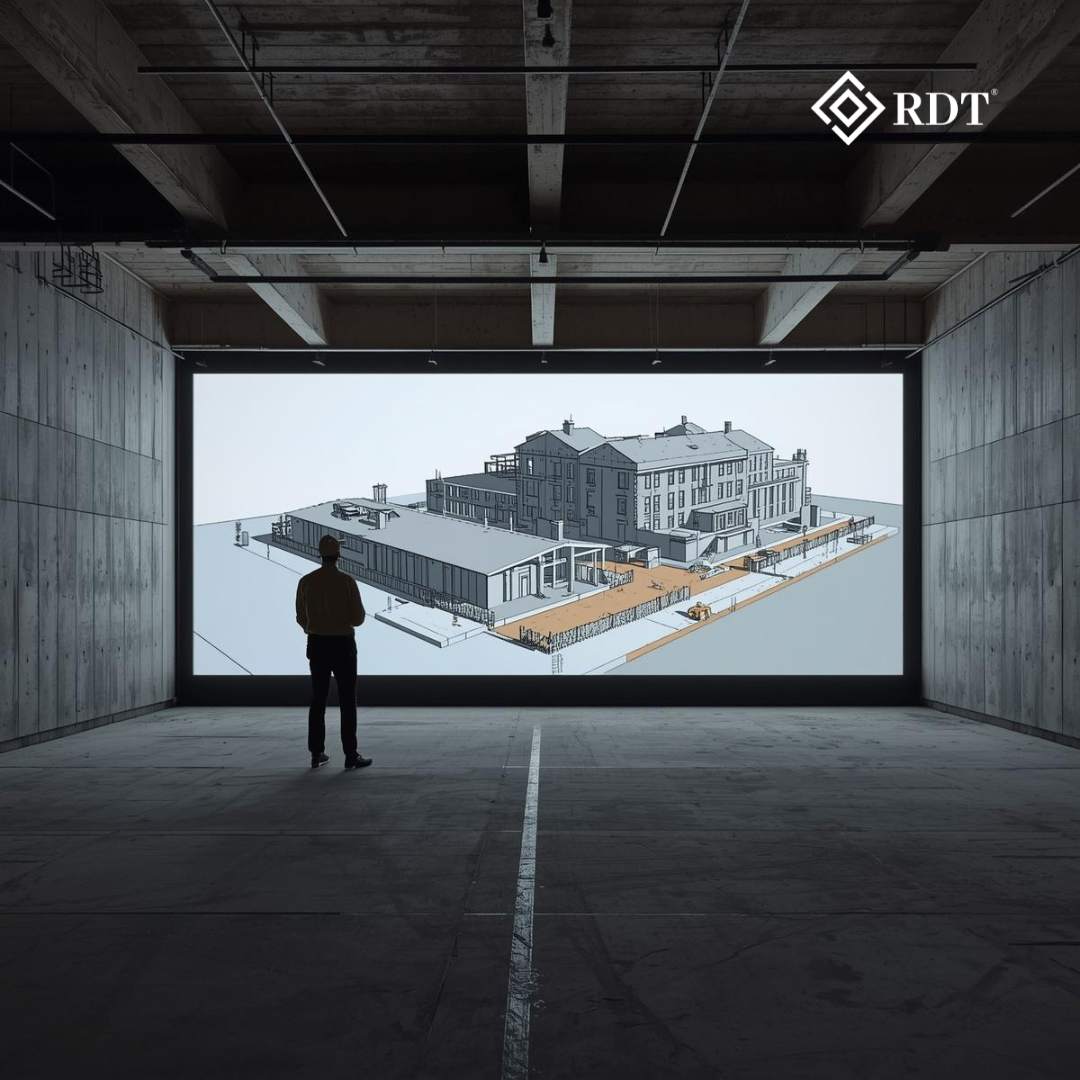
Contractors can visually demonstrate progress plans to clients and stakeholders, building trust and confidence. This visual clarity improves communication and ensures everyone understands the project timeline.
Supporting Sustainable Construction Goals
Sustainability is no longer a trend. It is a requirement. Governments, investors, and communities expect environmentally responsible construction practices.
BIM modeling supports sustainability in several ways. Energy analysis tools allow designers to test building performance before construction. Material optimization reduces waste. Accurate quantity takeoffs minimize over ordering. Lifecycle data supports long term maintenance planning.
Certifications like U.S. Green Building Council and frameworks such as Leadership in Energy and Environmental Design encourage the use of digital modeling to improve building performance. In 2026, BIM is closely aligned with green construction strategies and net zero objectives.
Enhancing Collaboration Across Teams
Construction projects involve multiple disciplines working together. In the past, communication gaps between architects, engineers, and contractors often caused misunderstandings.
In 2026, cloud based collaboration has changed this dynamic. Platforms such as Autodesk Construction Cloud allow teams to access updated models from anywhere in the world. Changes are tracked, revisions are documented, and everyone works on the latest version.
This centralized workflow eliminates confusion and strengthens accountability. Remote coordination has become standard practice, especially for large scale and international projects.
Digital Twins and Facility Management Integration
Another major transformation in 2026 is the rise of digital twins. A digital twin is a live digital replica of a physical building that continues to update after construction.
BIM models are now handed over to facility managers as operational assets. Sensors and IoT technologies connect real time building data to the digital model. Maintenance teams can monitor performance, track energy usage, and schedule preventive maintenance efficiently.
This lifecycle approach ensures that BIM modeling extends beyond design and construction into long term asset management. Owners benefit from reduced operational costs and improved building performance.
Boosting Productivity Through Automation
Automation has significantly increased the value of BIM modeling in 2026. Repetitive tasks such as quantity extraction, sheet generation, and documentation are automated within BIM platforms.
Parametric modeling allows designers to make changes quickly without rebuilding entire models. When a dimension changes, all related components update automatically. This improves productivity and reduces manual errors.
Artificial intelligence driven insights within BIM software help teams optimize design options and identify potential risks early. Although technology is advancing rapidly, human expertise remains essential in interpreting data and making strategic decisions.
Strengthening Risk Management and Compliance
Regulatory requirements are becoming stricter in many regions. Safety standards, building codes, and compliance documentation must be precise.
BIM modeling provides accurate documentation and traceable data, making regulatory approval processes smoother. Inspectors and authorities can review detailed models and verify compliance before site execution.
Risk analysis tools also allow teams to simulate potential hazards and develop safer construction strategies. In 2026, digital planning has become an essential part of risk mitigation.
Infrastructure and Large Scale Project Adoption
While BIM modeling began with building projects, its impact in 2026 extends to infrastructure developments such as highways, bridges, airports, and smart cities.
Governments worldwide are mandating BIM for public infrastructure projects to ensure transparency and efficiency. Digital coordination reduces delays in large scale developments where multiple agencies are involved.
The integration of geospatial data with BIM models supports better planning and site analysis. This capability is especially important for urban expansion and transportation projects.
Competitive Advantage in a Data Driven Market
Construction companies that adopt BIM modeling effectively gain a competitive edge. Clients now expect digital deliverables, accurate visualization, and reliable data.
Firms that invest in skilled BIM professionals and advanced modeling capabilities are winning more bids. Accurate visualization improves client presentations and marketing efforts. Real time cost and schedule analysis builds trust.
In 2026, BIM modeling is not only a technical service but also a strategic differentiator that influences business growth.
Workforce Evolution and Skill Development
The transformation driven by BIM modeling is also reshaping the construction workforce. Professionals are upgrading their skills to meet digital demands. BIM coordinators, modelers, and digital construction managers are now essential roles within project teams.
Educational institutions and training programs are focusing more on digital construction technologies. The industry is shifting from manual drafting to data driven modeling expertise.
This evolution is creating new career opportunities and improving overall industry standards.
The Future Outlook Beyond 2026
While BIM modeling is already transforming construction in 2026, its influence will continue to grow. Integration with robotics, advanced prefabrication, and modular construction will further enhance efficiency.
Smart cities will rely on interconnected digital models for urban planning. Predictive analytics will help owners anticipate maintenance needs years in advance. As technology becomes more advanced, the construction industry will become more precise, transparent, and sustainable.
The foundation for this transformation is BIM modeling. It connects design, engineering, construction, and operations into one cohesive digital ecosystem.
Conclusion
The construction industry in 2026 stands at a turning point. Traditional methods alone can no longer meet the demands of complex, fast paced, and sustainability focused projects. BIM modeling provides the structure, clarity, and intelligence required to deliver successful developments.
From clash detection and cost control to scheduling optimization and lifecycle management, BIM modeling has redefined how projects are planned and executed. It enhances collaboration, reduces risks, supports sustainability, and improves profitability.
Companies that embrace BIM modeling are not simply adopting a tool. They are adopting a smarter way of building. As the industry continues to evolve, BIM modeling will remain at the center of innovation and growth.
Take advantage of advanced BIM modeling solutions to stay ahead in this competitive construction landscape. Partner with RDT Technology to transform your projects with precision, efficiency, and confidence.