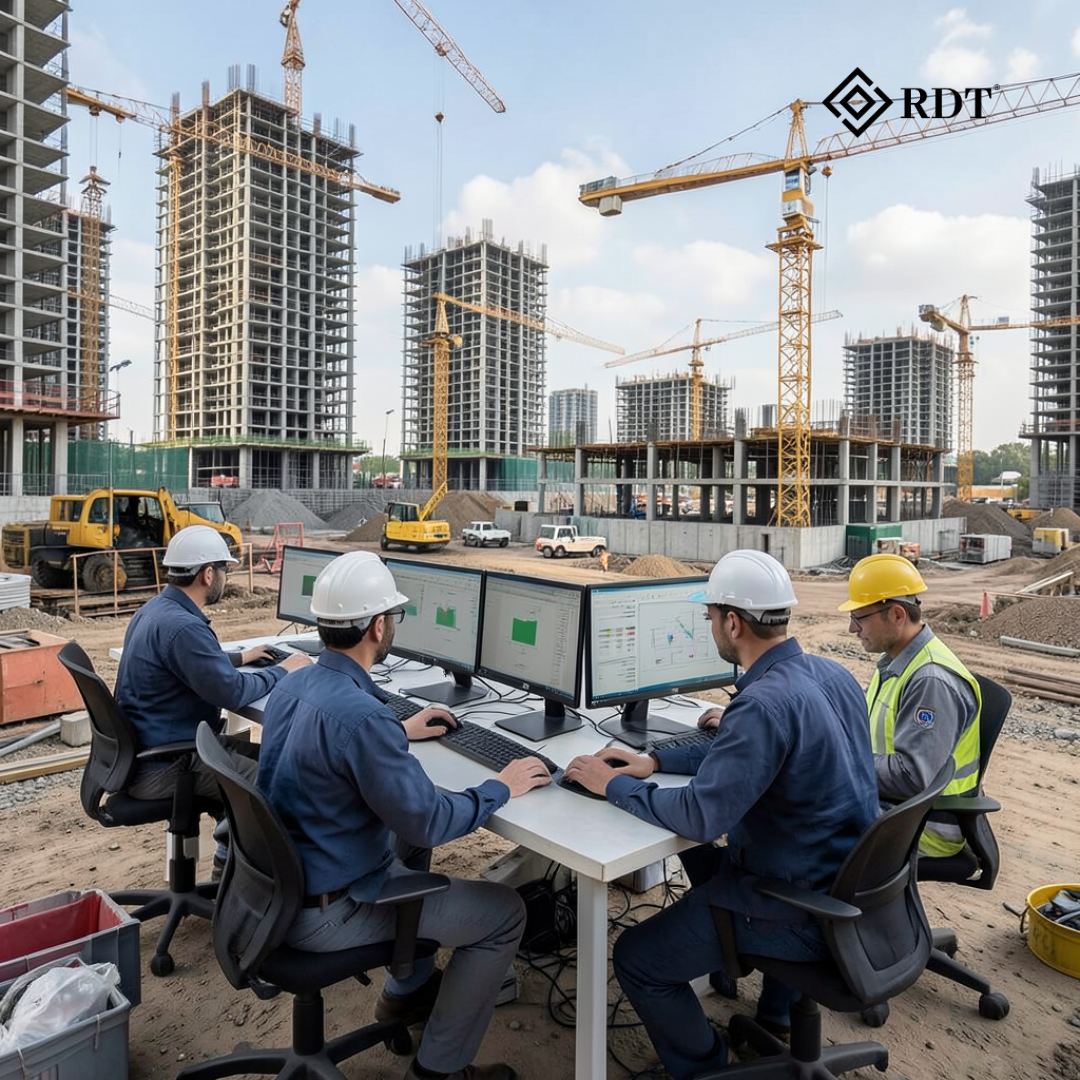
The Architecture, Engineering, and Construction industry is undergoing a transformation unlike any seen before. Projects have grown in complexity, timelines have shrunk, and client expectations have risen dramatically. In this evolving landscape, one tool has emerged as more than a technological innovation—it has become a survival mechanism. That tool is BIM Modeling.
For decades, building projects relied on traditional methods that involved paper drawings, isolated CAD designs, and fragmented collaboration. While these approaches were sufficient in simpler times, modern construction demands precision, efficiency, and real-time collaboration. BIM Modeling is no longer a convenience for firms looking to stay competitive. It is the difference between thriving in a competitive market and falling behind.
Understanding BIM Modeling
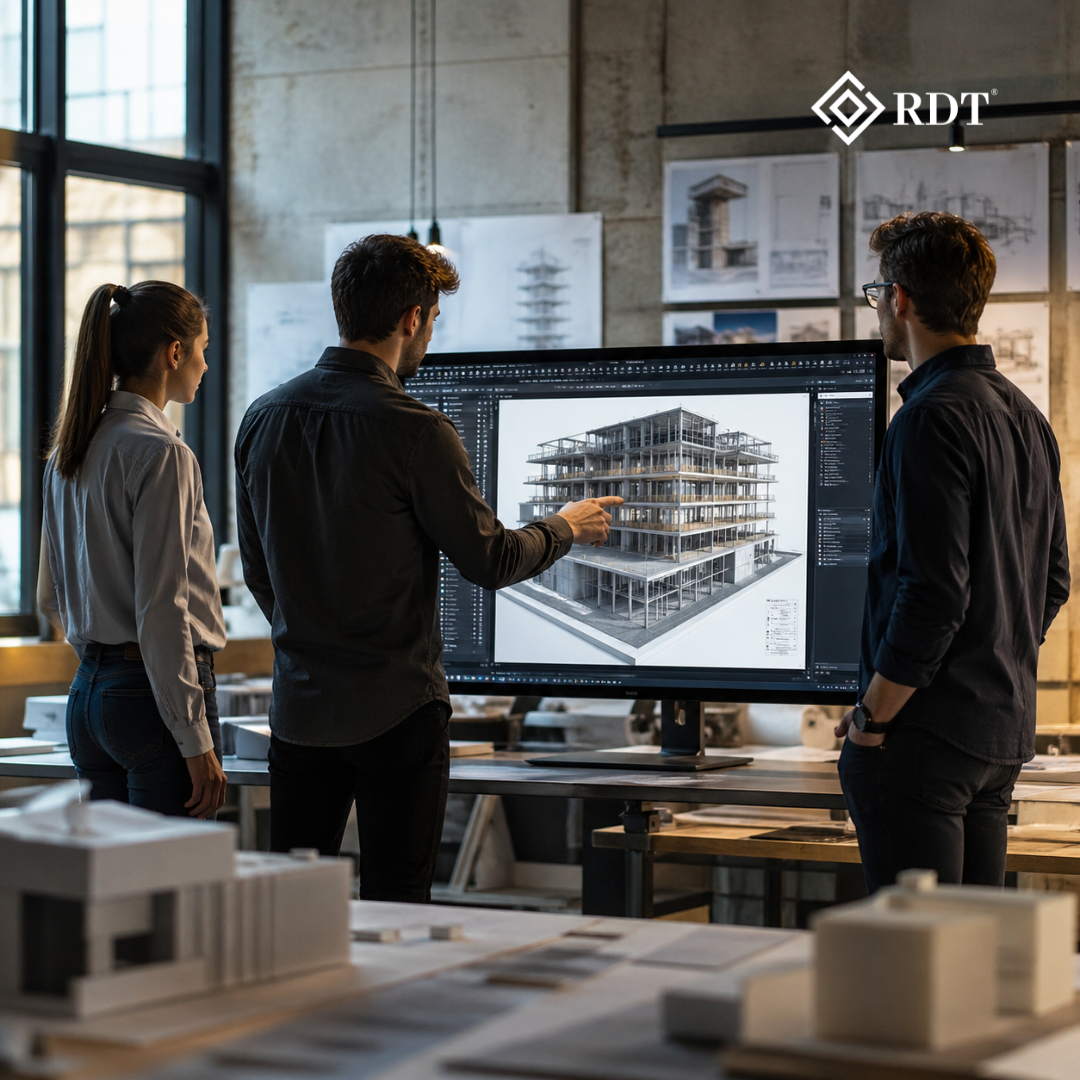
Building Information Modeling or BIM is a digital representation of the physical and functional characteristics of a facility. Unlike traditional CAD, which focuses on two-dimensional drawings, BIM Modeling integrates three-dimensional models with a wealth of data about materials, timelines, costs, and maintenance requirements. Each element of a project is interconnected. When one change is made, its impact across the entire project is visible instantly.
This interconnectedness is critical for modern construction, where errors are costly and schedules are tight. BIM is not merely a design tool; it is a management system that bridges gaps between architects, engineers, contractors, and clients.
Why BIM Modeling Is No Longer Optional
1. Complexity of Modern Projects
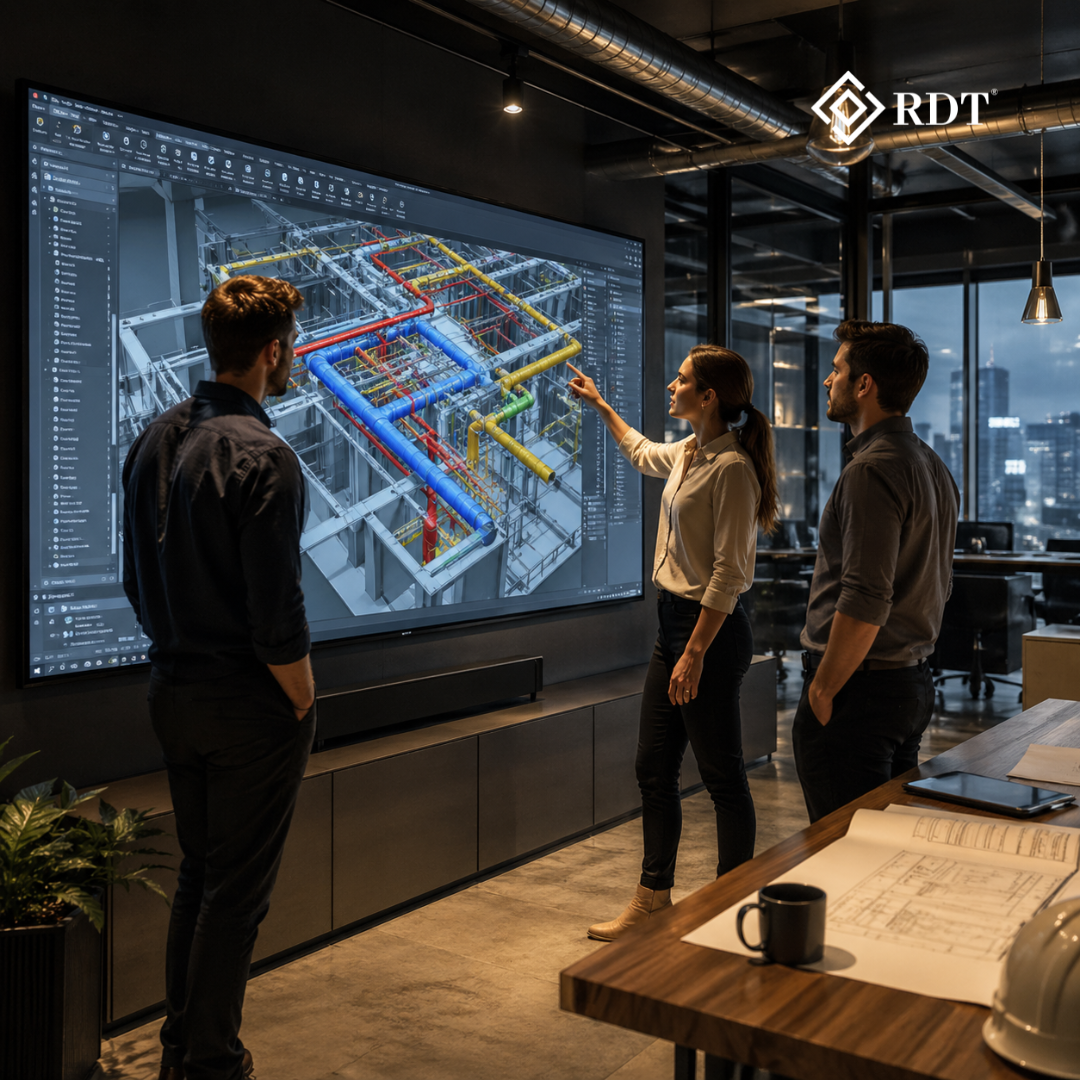
Modern projects are no longer simple structures. High-rise buildings, mixed-use developments, and smart city infrastructure require coordination between multiple disciplines. Traditional workflows cannot handle the complexity of these projects. Conflicts between architectural, structural, and MEP designs often go unnoticed until construction begins, leading to costly rework. BIM Modeling allows these conflicts to be detected and resolved in the planning stage, saving time, money, and resources.
2. Demand for Collaboration
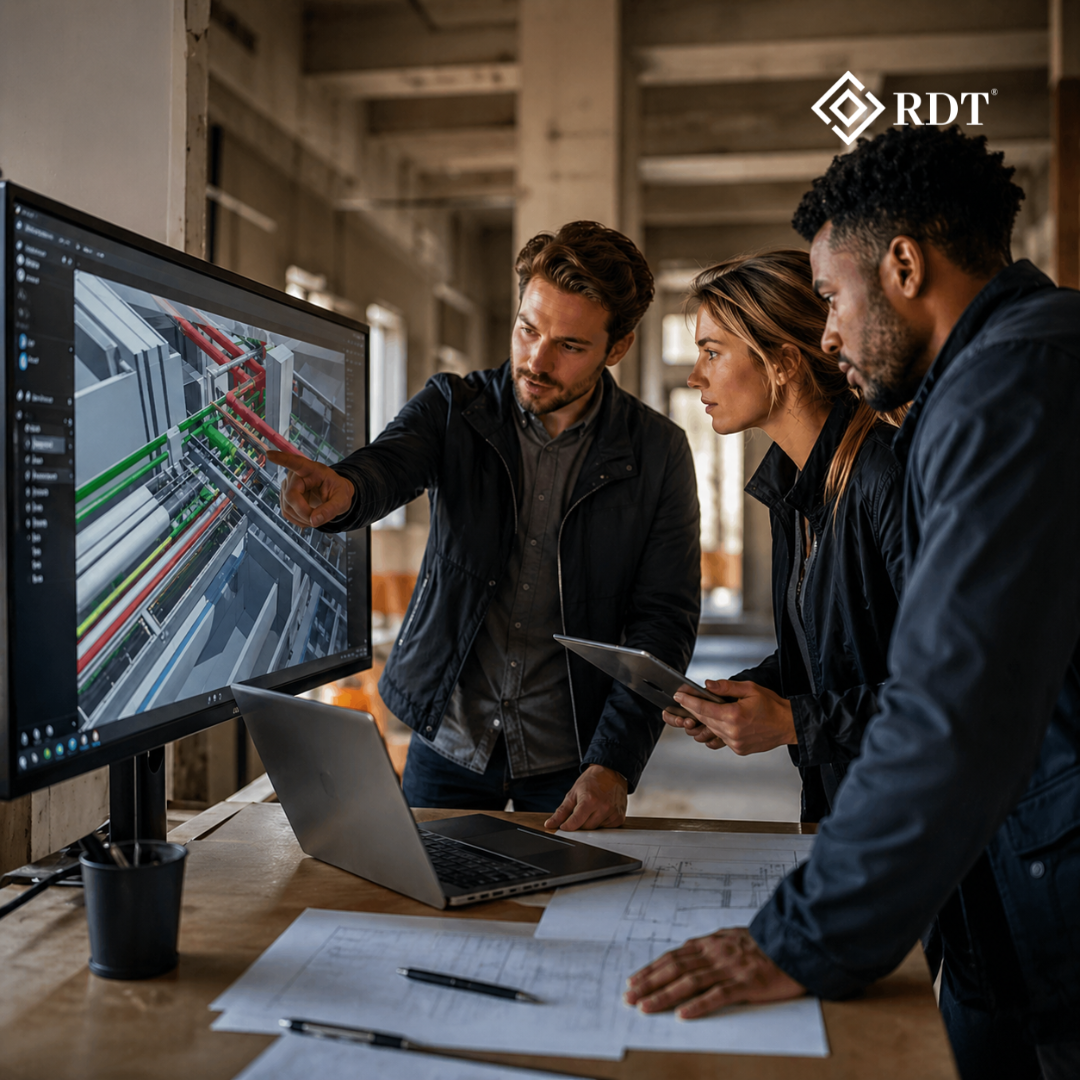
The modern construction environment is collaborative by necessity. Projects often involve international teams working across time zones. Relying on static drawings or fragmented models makes effective collaboration nearly impossible. BIM Modeling provides a single source of truth. Every team member has access to the latest version of the model, can track changes, and communicate directly within the platform. Collaboration is no longer an afterthought—it is integrated into every stage of the project.
3. Cost Efficiency
Construction costs are rising globally. Material waste, labor inefficiencies, and design errors are significant contributors to budget overruns. BIM Modeling enables detailed simulations and clash detection before construction begins. By identifying issues early, project teams can prevent expensive mistakes and optimize resource allocation. This proactive approach not only saves money but also strengthens client trust and project reputation.
4. Compliance and Risk Management
Regulatory compliance is becoming increasingly complex. From fire safety standards to environmental sustainability requirements, projects must meet rigorous guidelines. BIM Modeling helps firms track compliance from design to construction. The model can store all relevant documentation, ensuring that inspections, audits, and approvals are streamlined. Risk management is no longer reactive; it becomes a built-in feature of the construction process.
5. Sustainability and Green Construction
Sustainable building practices are no longer optional. Governments, investors, and clients demand energy-efficient, environmentally responsible projects. BIM Modeling allows teams to simulate energy performance, optimize materials, and assess environmental impact before breaking ground. The ability to plan for sustainability in the design stage is crucial for both regulatory compliance and long-term operational savings.
BIM Modeling in Action
Consider a high-rise office building. Traditional workflows would require separate teams to produce architectural, structural, and mechanical drawings. Coordination would rely on emails, meetings, and manual comparison of drawings. Errors such as misaligned beams or clashing HVAC systems might only be discovered during construction.
With BIM Modeling, the architectural, structural, and MEP teams work within a unified model. Any design conflict is highlighted immediately. The impact of changes is visible to all stakeholders. Quantities, materials, and cost estimates are automatically updated. Construction can proceed with confidence, backed by accurate data and reliable forecasts.
The result is a smoother project lifecycle, reduced errors, fewer RFIs, and greater client satisfaction. What was once a reactive and fragmented process becomes proactive, efficient, and predictable.
The Competitive Edge
Firms that adopt BIM Modeling gain a competitive advantage. Clients increasingly expect modern projects to leverage digital tools for efficiency, transparency, and accuracy. Firms that cannot demonstrate capability in BIM Modeling risk losing out on high-value projects.
Moreover, adopting BIM enhances internal processes. Project teams can manage schedules, track progress, and anticipate problems before they escalate. Data from completed projects feeds into future designs, creating a cycle of continuous improvement. In an industry where reputation and reliability matter, BIM is a strategic asset.
Misconceptions About BIM Modeling
Despite its proven benefits, some firms remain hesitant to adopt BIM. Common misconceptions include high costs, steep learning curves, and disruption to existing workflows. While it is true that implementing BIM requires investment in software and training, the long-term benefits far outweigh the initial costs.
The learning curve is also manageable. With proper guidance, teams can integrate BIM gradually, starting with specific projects or phases. Over time, BIM becomes part of the standard workflow rather than an added burden. Firms that delay adoption are not saving money—they are risking relevance in a rapidly evolving market.
BIM Modeling Beyond Construction
BIM is not just for construction. Facility managers, operators, and maintenance teams can benefit from the rich dataset created during design and construction. Access to accurate building information allows for efficient operations, predictive maintenance, and extended asset life. BIM Modeling transforms a building from a static structure into a living, manageable asset.
This holistic approach creates value throughout the building lifecycle. From initial concept to demolition or renovation, BIM data guides decision-making, reduces downtime, and optimizes operational costs. Survival in today’s market is not just about building efficiently; it is about managing assets intelligently.
The Future of BIM
The future of construction is digital. Emerging technologies such as augmented reality, virtual reality, and artificial intelligence are integrating with BIM to create smarter, more responsive buildings. Digital twins, which are virtual replicas of physical assets, rely on BIM data to function. Firms that fail to embrace BIM today will struggle to integrate these technologies tomorrow.
In short, BIM is the foundation for the next generation of construction. It is no longer a luxury or an optional upgrade. It is the baseline requirement for firms seeking to survive and thrive in a competitive and rapidly evolving industry.
Conclusion
BIM is no longer just a design tool. It is a comprehensive approach that integrates collaboration, cost management, compliance, sustainability, and operational efficiency into a single workflow. For modern construction firms, adopting BIM Modeling is no longer optional. It is a necessity for survival.
Firms that embrace BIM gain the ability to tackle complex projects with confidence, reduce errors, optimize costs, and satisfy client expectations. Those that resist risk falling behind, losing projects, and ultimately compromising their long-term viability.
The message is clear. In today’s Architecture, Engineering, and Construction industry, BIM is not an innovation. It is a lifeline.
Take Action
Do not let your firm fall behind. Take advantage of BIM Modeling to streamline your projects, enhance collaboration, and ensure long-term success. Partner with RDT Technology, a leader in world-class BIM services, to transform your design and construction workflows. Build smarter, faster, and more efficiently. Contact us today through the link in our bio and secure your firm’s future with BIM.