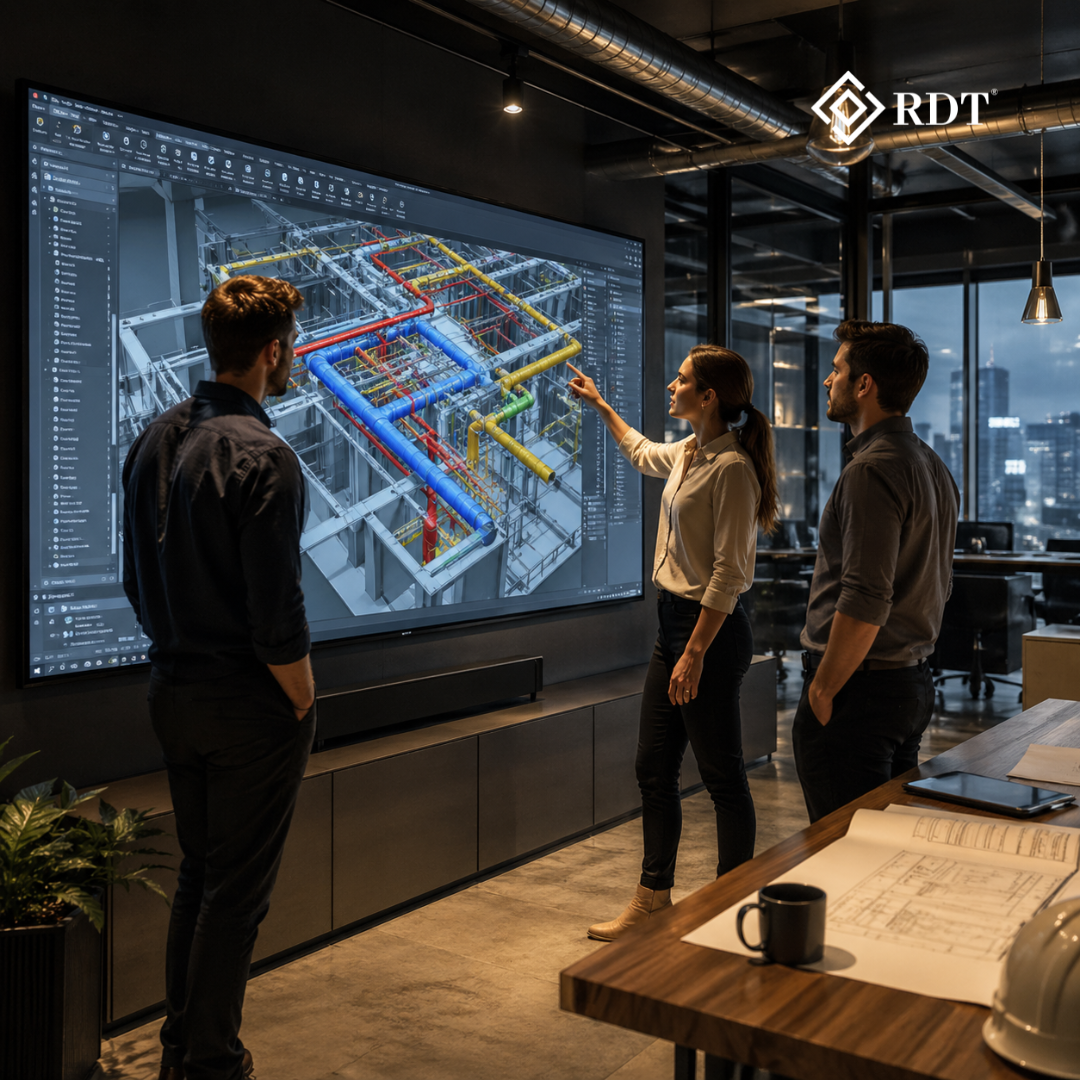
In the architecture engineering and construction industry, Building Information Modeling has been positioned as the ultimate solution to inefficiency, miscommunication, and costly errors. It promises clarity, coordination, and control. On the surface, everything looks perfect. Models are clean. Drawings are aligned. The visuals are impressive. Stakeholders feel confident. Decisions move faster.
But beneath this polished surface lies a dangerous truth that most teams are not ready to confront.
Your BIM model might be lying to you.
Not intentionally. Not obviously. But quietly, subtly, and consistently enough to cost projects millions.
This is not about software failure. It is about the illusion of accuracy that BIM can create when it is not executed with precision, discipline, and intent.
The industry does not talk about this enough. And that silence is expensive.
The Illusion of Perfection
One of the biggest strengths of BIM is also its greatest weakness. It creates a visual environment that feels complete. When a model looks coordinated, teams assume it is coordinated. When clashes are resolved in software, teams assume real world conflicts are eliminated. When data is embedded, teams assume it is accurate.
This assumption is where the illusion begins.
A BIM model can look flawless while hiding fundamental issues. Elements may align visually but lack correct specifications. Systems may appear coordinated but ignore installation constraints. Quantities may be generated automatically but based on incomplete or incorrect inputs.
The model gives confidence. But confidence without verification is risk.
In many projects, teams stop questioning once the model looks right. That is when the model starts lying.
When Coordination Is Only Skin Deep
Clash detection is often treated as the ultimate validation step in BIM workflows. Run the clash test, resolve the conflicts, and move forward. It sounds efficient. It feels scientific.
But clash detection only identifies what has been modeled.
If something is missing, simplified, or incorrectly represented, it will never show up as a clash. That means the absence of clashes does not guarantee coordination. It only guarantees that visible elements are not intersecting in the digital environment.
Consider a mechanical system routed through a structural beam. If the beam has been modeled without the correct depth or if the mechanical system has been simplified, the clash may never appear. On site, however, reality does not simplify itself.
The result is rework, delays, and blame.
The model said everything was fine. The site says otherwise.
The Data Problem No One Wants to Admit
BIM is not just about geometry. It is about information. Every element in a model carries data that influences decisions across design, procurement, and construction.
But data in BIM is only as reliable as the process used to input and manage it.
In many cases, data is incomplete, outdated, or inconsistent. Parameters are filled just enough to meet deadlines. Standards vary across teams. Naming conventions break down. Assumptions replace verification.
Yet stakeholders continue to extract quantities, generate schedules, and make cost decisions based on this data.
This is where the illusion becomes dangerous.
A quantity takeoff generated from a flawed model does not look flawed. It looks precise. Numbers are exact. Reports are clean. Confidence increases.
Until procurement begins. Until materials do not match. Until budgets start slipping.
The model did not fail. The trust placed in unchecked data did.
Over Modeling and Under Thinking
Another hidden issue in BIM workflows is the tendency to over model without understanding the purpose behind it.
Teams often invest time in creating highly detailed models because detail feels like progress. More elements. More parameters. More visual fidelity. It looks impressive and satisfies client expectations.
But detail without intent is noise.
When models become overloaded with unnecessary information, they become harder to manage, harder to review, and easier to misunderstand. Critical issues get buried under layers of non essential data. Decision making slows down. Errors slip through unnoticed.
At the same time, critical aspects such as constructability, sequencing, and real world constraints are often under considered.
The model becomes rich in appearance but poor in insight.
That is another way it lies.
The Gap Between Model and Reality
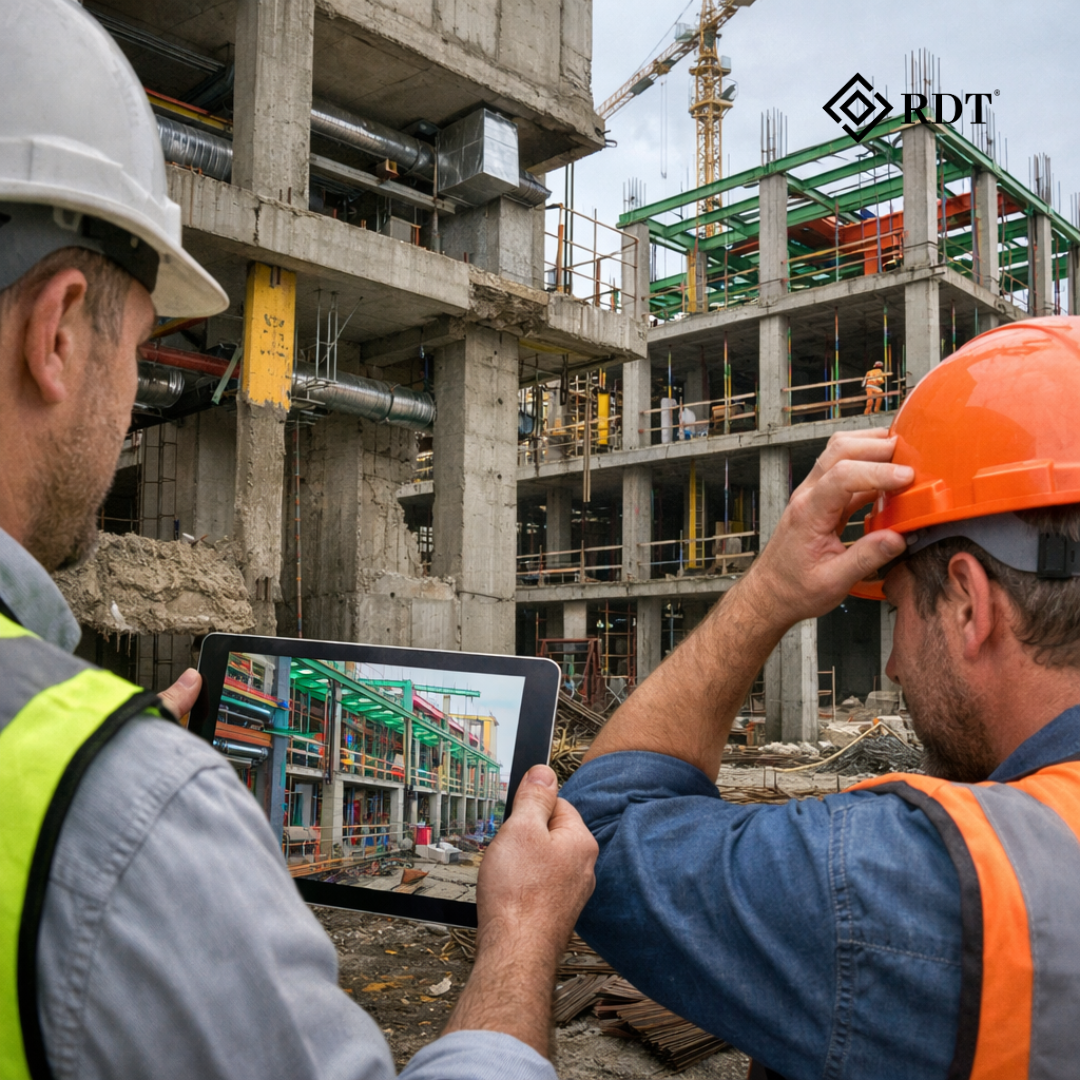
One of the most overlooked risks in BIM is the gap between digital representation and physical execution.
A model exists in a controlled environment. It follows rules defined by software and the people who create it. The real world operates differently. It is influenced by site conditions, labor limitations, material availability, and unforeseen variables.
When BIM workflows do not account for these factors, the model becomes an idealized version of reality rather than a reliable guide.
For example, a model may show perfect alignment of components that require precise installation conditions. On site, tolerances, access limitations, and sequencing challenges may make that alignment impossible without adjustments.
If the model does not reflect these realities, it is not just incomplete. It is misleading.
And misleading models lead to costly decisions.
The Human Factor Behind the Model
At its core, BIM is a human driven process. Software does not think. It executes. The quality of a model depends entirely on the expertise, discipline, and communication of the team behind it.
When teams are rushed, undertrained, or disconnected, the model reflects those weaknesses.
Shortcuts are taken. Assumptions are made. Coordination becomes reactive instead of proactive.
Yet the final output still looks polished.
This creates a dangerous disconnect. Stakeholders see a professional model and assume a professional process. They trust the output without questioning the input.
This is how small issues grow into major problems.
The model does not reveal the process behind it. It only shows the result.
And that result can be deceiving.
Why Projects Pay the Price
The financial impact of these hidden illusions is significant.
Rework is one of the biggest cost drivers in construction. When models fail to capture real world conditions or accurate data, errors surface during execution. Fixing them at that stage is always more expensive.
Delays follow closely. When teams discover issues on site, timelines shift. Coordination meetings increase. Productivity drops.
Disputes often arise when expectations based on the model do not match actual outcomes. Responsibility becomes unclear. Trust erodes.
All of this traces back to one core issue.
The belief that the model was telling the truth.
Breaking the Illusion
The solution is not to abandon BIM. It is to use it with greater awareness and discipline.
Teams need to move beyond visual validation and focus on process validation. This means questioning assumptions, verifying data, and aligning models with real world constraints.
Clash detection should be complemented with constructability reviews. Data should be audited regularly. Modeling standards should be consistent and enforced.
Communication across disciplines must be continuous and structured. Every stakeholder should understand not just what the model shows, but how it was created and what its limitations are.
Most importantly, teams need to shift their mindset.
A BIM model is not a guarantee. It is a tool. Its value depends on how it is used.
Building Models That Tell the Truth
Creating reliable BIM models requires a balance between detail and purpose, speed and accuracy, automation and human judgment.
It requires teams who are not just skilled in software, but deeply aware of construction realities.
It requires workflows that prioritize clarity over complexity and verification over assumption.
When done right, BIM becomes a powerful decision making tool. It reduces risk, improves coordination, and enhances project outcomes.
But when treated as a visual deliverable rather than a strategic process, it becomes a source of hidden risk.
The difference lies in how seriously teams take the responsibility behind the model.
Final Thought
The next time you review a BIM model that looks perfect, take a step back.
Ask what it might be hiding.
Because in the AEC industry, the most expensive problems are not the ones you can see.
They are the ones your model convinced you did not exist.
If you are ready to move beyond surface level modeling and build BIM workflows that deliver real accuracy, real coordination, and real confidence, it is time to partner with experts who understand the difference.
RDT Technology helps AEC firms eliminate hidden risks, strengthen project intelligence, and create BIM models that reflect reality, not illusion. Connect with RDT Technology today and take control of your project outcomes before the cost of inaccuracy catches up.