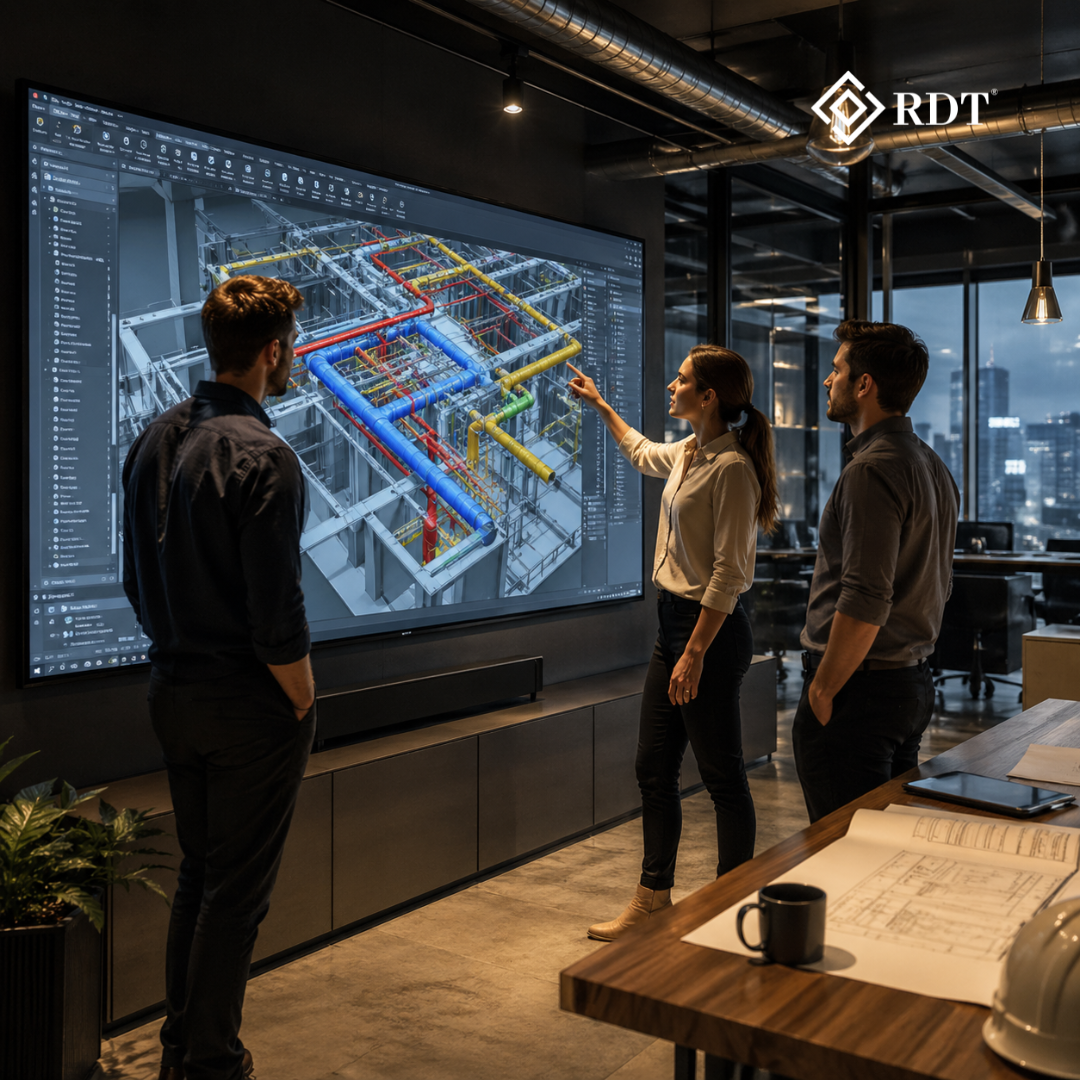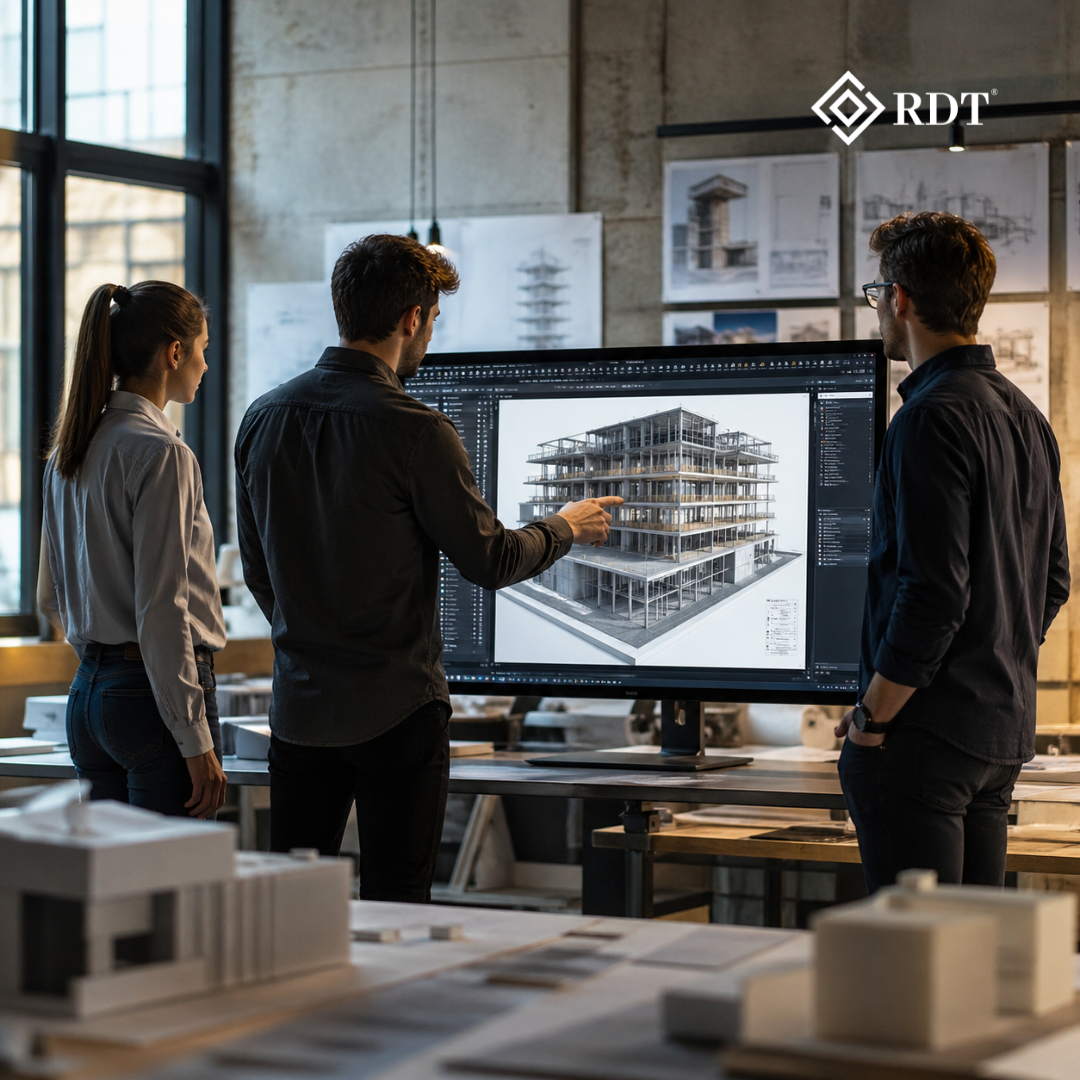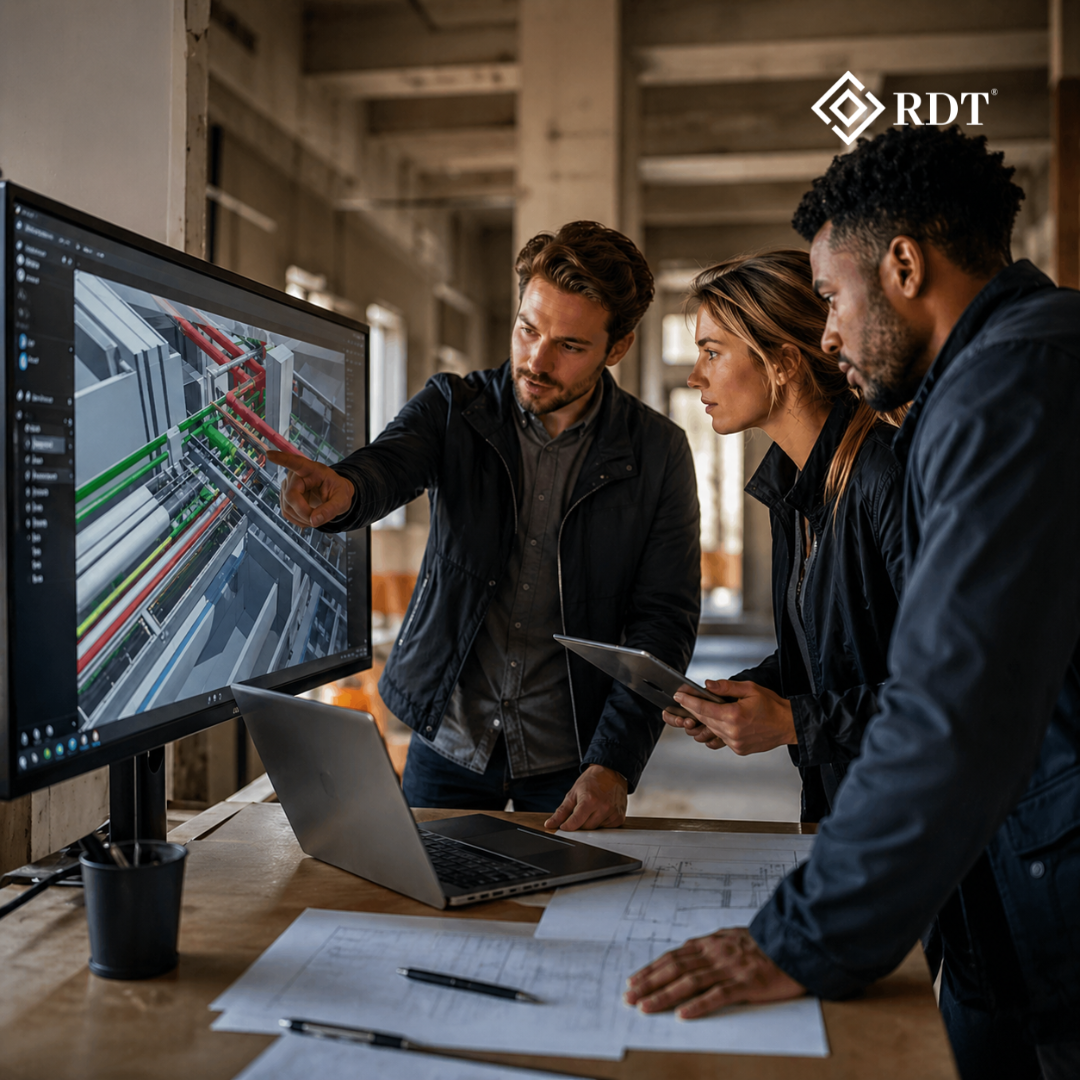
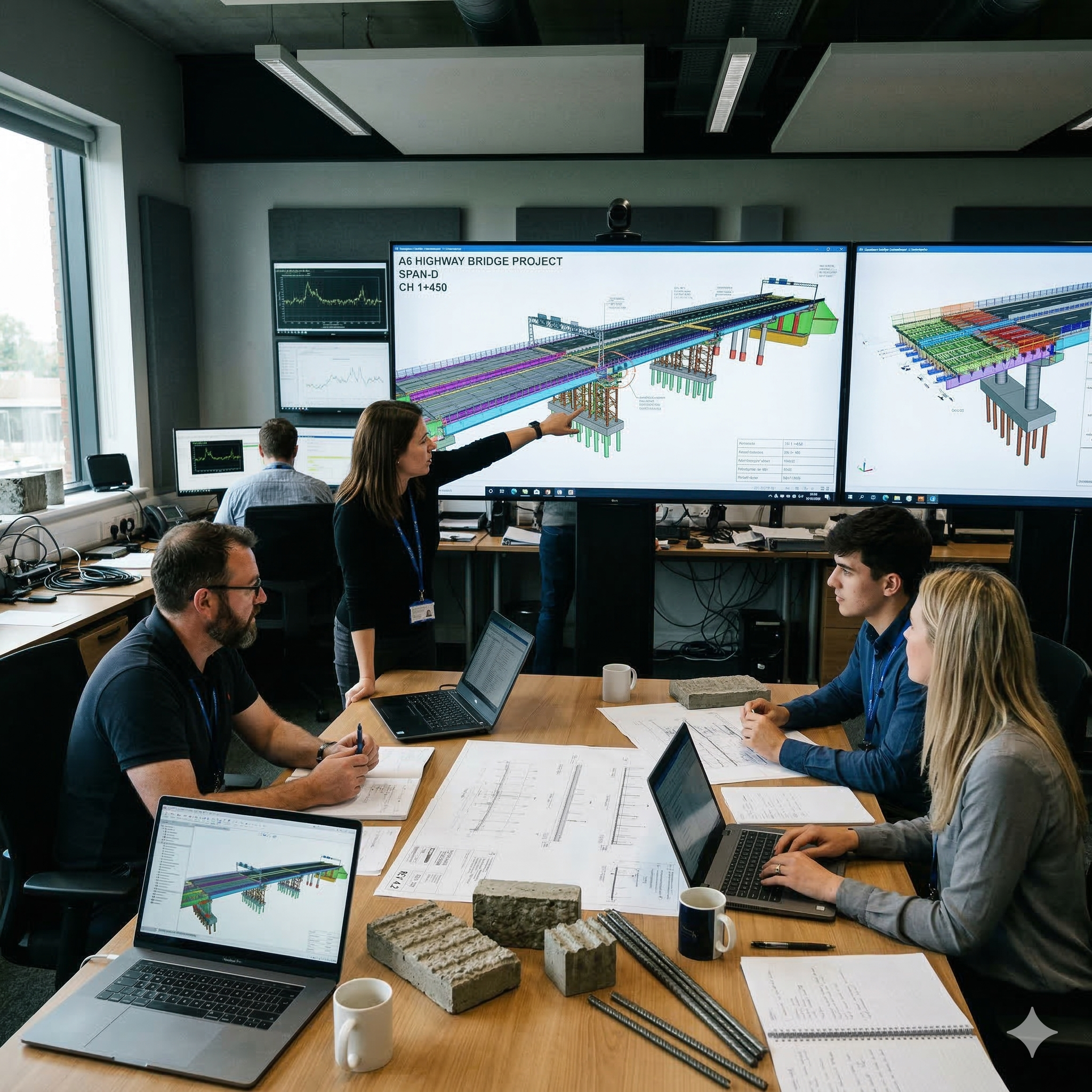
Infrastructure projects play a vital role in shaping modern cities and supporting economic growth. Roads, bridges, railways, airports, water networks, and public utilities require careful planning, precise engineering, and efficient coordination among multiple teams. As these projects become larger and more complex, traditional design and construction methods often struggle to manage the increasing amount of information and collaboration required. This is one of the main reasons why BIM is Critical for Infrastructure Projects today. Building Information Modeling provides a digital environment where all project information can be organized, analyzed, and shared efficiently, helping stakeholders plan and execute infrastructure developments with greater accuracy and confidence.
Building Information Modeling, widely known as BIM, is a digital process that enables architects, engineers, contractors, and project managers to work within a shared three dimensional model containing detailed project data. Unlike traditional methods that rely on disconnected drawings and documents, BIM integrates geometry, materials, schedules, and technical information into a single coordinated platform. This digital approach allows project teams to visualize and manage infrastructure developments throughout the entire lifecycle, from early planning to long term maintenance.
The adoption of BIM in infrastructure development is increasing across the world because it helps reduce project risks, improve collaboration, and enhance overall efficiency. As governments and private developers invest in larger and more complex infrastructure projects, BIM is becoming an essential tool for delivering successful outcomes.
Understanding BIM in Infrastructure Development
Infrastructure projects involve many interconnected systems that must function together smoothly. A transportation network, for example, may include highways, bridges, drainage systems, electrical utilities, and environmental considerations. Coordinating these components through traditional design methods can be challenging and often leads to communication gaps or design conflicts.
BIM provides a centralized digital environment where all project information is stored and updated in real time. Engineers and designers can visualize how different elements interact within the same model. When one part of the design changes, the model automatically updates related components, ensuring that all stakeholders are working with accurate and current information.
For instance, in a highway development project, the BIM model can include terrain data, road alignments, structural elements, and drainage infrastructure. Designers can analyze how these systems interact before construction begins. This ability to test and evaluate design solutions early in the process helps prevent costly mistakes during later stages of the project.
Benefits of BIM for Infrastructure Projects
One of the primary reasons BIM is critical for infrastructure projects is its ability to improve collaboration among project teams. Infrastructure developments typically involve engineers, architects, contractors, consultants, and government agencies. When these teams rely on separate documents and drawings, coordination becomes difficult and miscommunication can occur.
BIM allows all stakeholders to access a shared digital model where information is updated continuously. This collaborative environment enables teams to review designs together, detect conflicts between systems, and resolve issues before construction begins. Improved coordination leads to fewer design errors and smoother project execution.
Another important benefit of BIM is improved design accuracy. Infrastructure projects require precise planning because even small mistakes in measurements or specifications can lead to significant construction delays or cost increases. BIM models contain detailed information about materials, dimensions, and structural components, allowing engineers to evaluate design options with greater confidence.
Visualization is also an important advantage. Traditional two dimensional drawings can be difficult for non technical stakeholders to interpret. BIM models provide clear three dimensional representations of infrastructure projects, helping clients, investors, and decision makers understand the design more easily. This improved communication often leads to faster approvals and better project outcomes.
BIM also contributes to better cost control. Since the model contains accurate information about quantities and materials, project teams can generate reliable cost estimates and budgets. Early detection of design conflicts reduces the risk of expensive modifications during construction.
Time management is another area where BIM proves valuable. Project schedules can be integrated with BIM models to simulate construction sequences and identify potential scheduling conflicts. This process helps project managers plan construction activities more effectively and minimize delays.
Risk Management and Project Safety
Infrastructure projects often involve complex site conditions and environmental factors. Unexpected challenges such as unstable soil conditions, utility conflicts, or design inconsistencies can lead to costly delays. BIM helps teams identify and address these risks during the planning stage.
By integrating terrain data, environmental information, and engineering details into the BIM model, project teams can analyze different scenarios before construction begins. Engineers can test how design alternatives perform under various conditions and select solutions that minimize potential risks.
BIM also supports improved safety planning during construction. Visualization tools allow contractors to study construction processes in advance and identify possible hazards. This proactive approach helps teams create safer working environments and reduce the likelihood of accidents on site.
Lifecycle Management and Asset Maintenance
Infrastructure assets such as bridges, highways, and water treatment facilities are designed to serve communities for many decades. Managing these assets effectively requires accurate documentation and detailed information about construction materials and system components.
BIM provides a comprehensive digital record that continues to be useful even after construction is completed. Facility managers can access the BIM model to monitor asset performance, plan maintenance activities, and schedule repairs when necessary.
For example, if a bridge requires structural inspection or maintenance, the BIM database can provide valuable information about materials, structural components, and installation details. This digital record simplifies maintenance planning and helps organizations manage infrastructure assets more efficiently.
The ability to support long term asset management is one of the reasons BIM is becoming increasingly valuable for government agencies and infrastructure operators.
Challenges in Implementing BIM
Although BIM offers significant advantages, implementing it successfully requires careful planning and investment. One of the main challenges is the initial cost associated with adopting BIM technologies. Organizations may need to invest in advanced software, high performance computing systems, and specialized training for their teams.
Another challenge is establishing consistent standards for BIM workflows. Infrastructure projects often involve multiple companies using different design tools and data formats. Without standardized processes, integrating these systems into a unified BIM environment can be difficult.
Training is also an important factor. Engineers, architects, and project managers must develop the skills needed to work effectively with BIM tools and digital collaboration platforms. Organizations must invest in professional development to ensure that their teams can fully benefit from BIM technology.
Data management is another important consideration. BIM models contain large amounts of detailed information, and maintaining data accuracy is essential for project success. Clear guidelines must be established to ensure that information is updated correctly and shared among project teams.
Despite these challenges, the long term advantages of BIM adoption make it a valuable investment for infrastructure organizations.
Future Trends in BIM for Infrastructure Development
The future of BIM is closely connected with other emerging technologies that are transforming the construction industry. One important trend is the integration of BIM with geographic information systems. This combination allows engineers to analyze infrastructure projects within their broader environmental and geographic context.
Another development gaining attention is the use of digital twins. A digital twin is a dynamic digital representation of a physical asset that reflects real time operational data. By linking BIM models with sensors and monitoring systems, infrastructure managers can track performance, detect issues early, and plan maintenance more effectively.
Automation and advanced data analysis are also influencing the future of BIM. Intelligent algorithms can analyze large datasets within BIM models to identify patterns and suggest design improvements. These technologies will help engineers create more efficient and resilient infrastructure systems.
Cloud based collaboration platforms are also expanding the capabilities of BIM. Project teams can access models online, review design updates, and collaborate from different locations around the world. This flexibility supports faster decision making and improved project coordination.
As these technologies continue to develop, BIM will become an even more powerful tool for managing complex infrastructure projects.
Conclusion
Infrastructure projects are becoming increasingly complex as cities expand and the demand for modern transportation and utility systems grows. Managing these developments successfully requires advanced tools that support accurate planning, efficient collaboration, and long term asset management.
Building Information Modeling provides a digital framework that addresses these needs by integrating design data, improving communication between teams, and enabling detailed analysis throughout the project lifecycle. From improved design accuracy and cost control to enhanced visualization and risk management, BIM offers significant advantages for infrastructure development.
Although implementing BIM requires investment in technology and training, the long term benefits make it an essential solution for modern infrastructure projects. As digital transformation continues to reshape the construction industry, BIM will remain a key driver of innovation and efficiency.
If you are planning an infrastructure project and want to improve project coordination, reduce risks, and enhance construction efficiency, professional BIM expertise can make a significant difference.
RDT Technology delivers advanced BIM services designed to support complex infrastructure developments. With expertise in intelligent modeling, design coordination, and digital construction workflows, RDT Technology helps architects, engineers, and developers manage projects with greater clarity and confidence.
Partner with RDT Technology to transform the way your infrastructure projects are planned, visualized, and executed. Contact RDT Technology today and discover how professional BIM solutions can elevate the success of your next infrastructure project.