For a long time, construction relied on people more than systems. Experience filled the gaps that drawings could not. Problems were solved on site because there was enough flexibility to adjust, discuss, and move forward. That approach suited a different era.
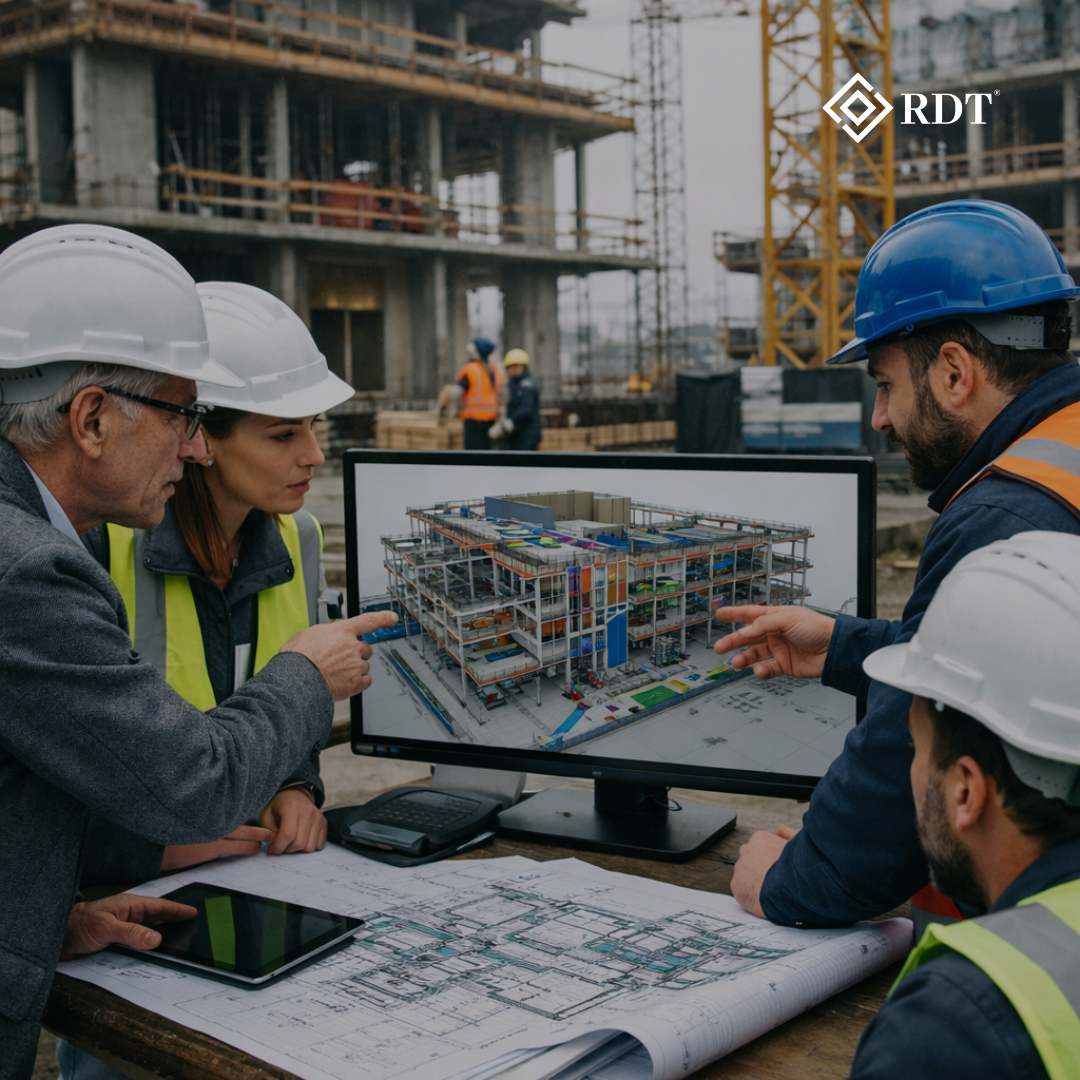
Projects today do not allow the same margin for correction. Developments are bigger, approvals are tighter, and mistakes travel faster through schedules and budgets. What once could be fixed with a site meeting now carries financial and contractual consequences. This shift has quietly changed what is required to deliver complex work.
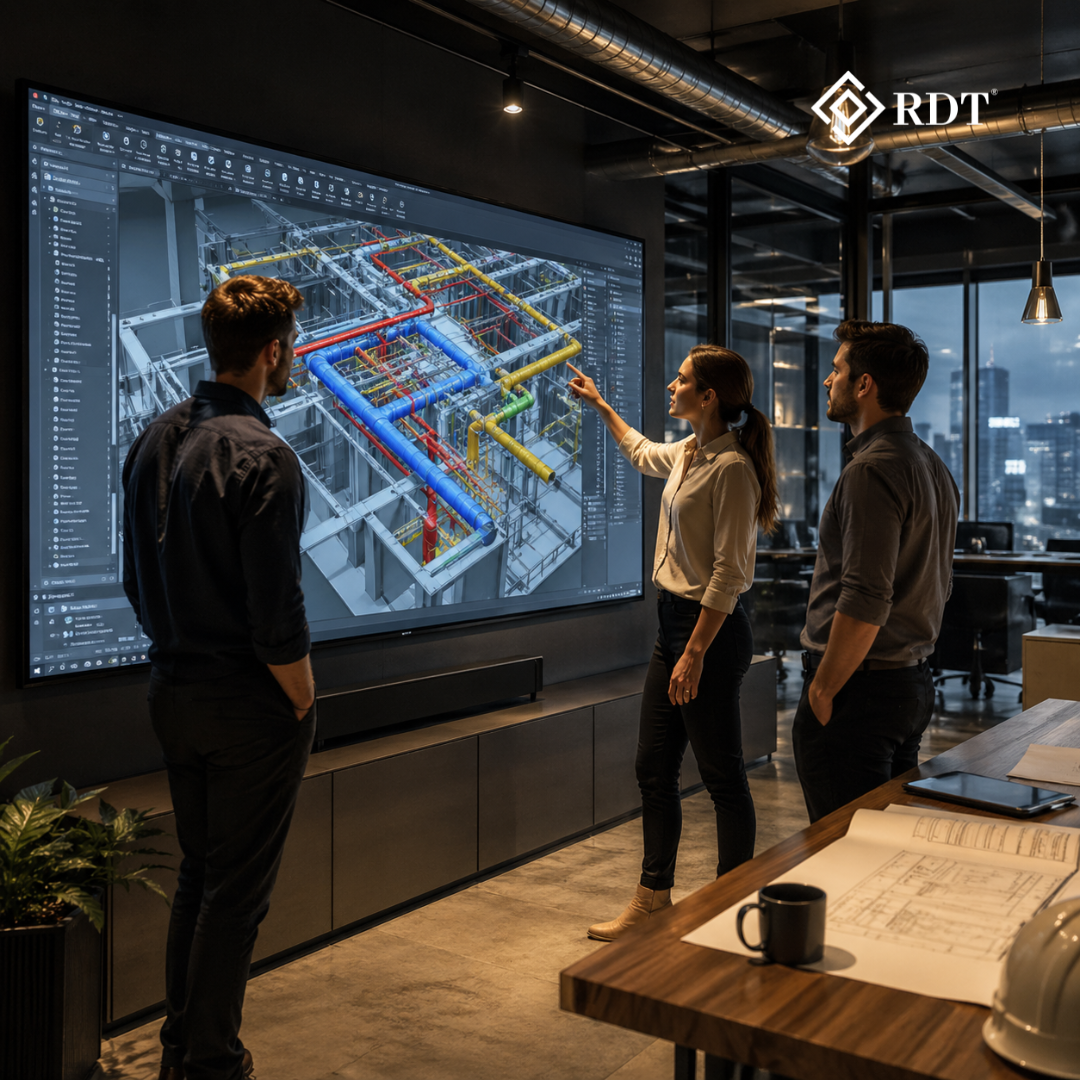
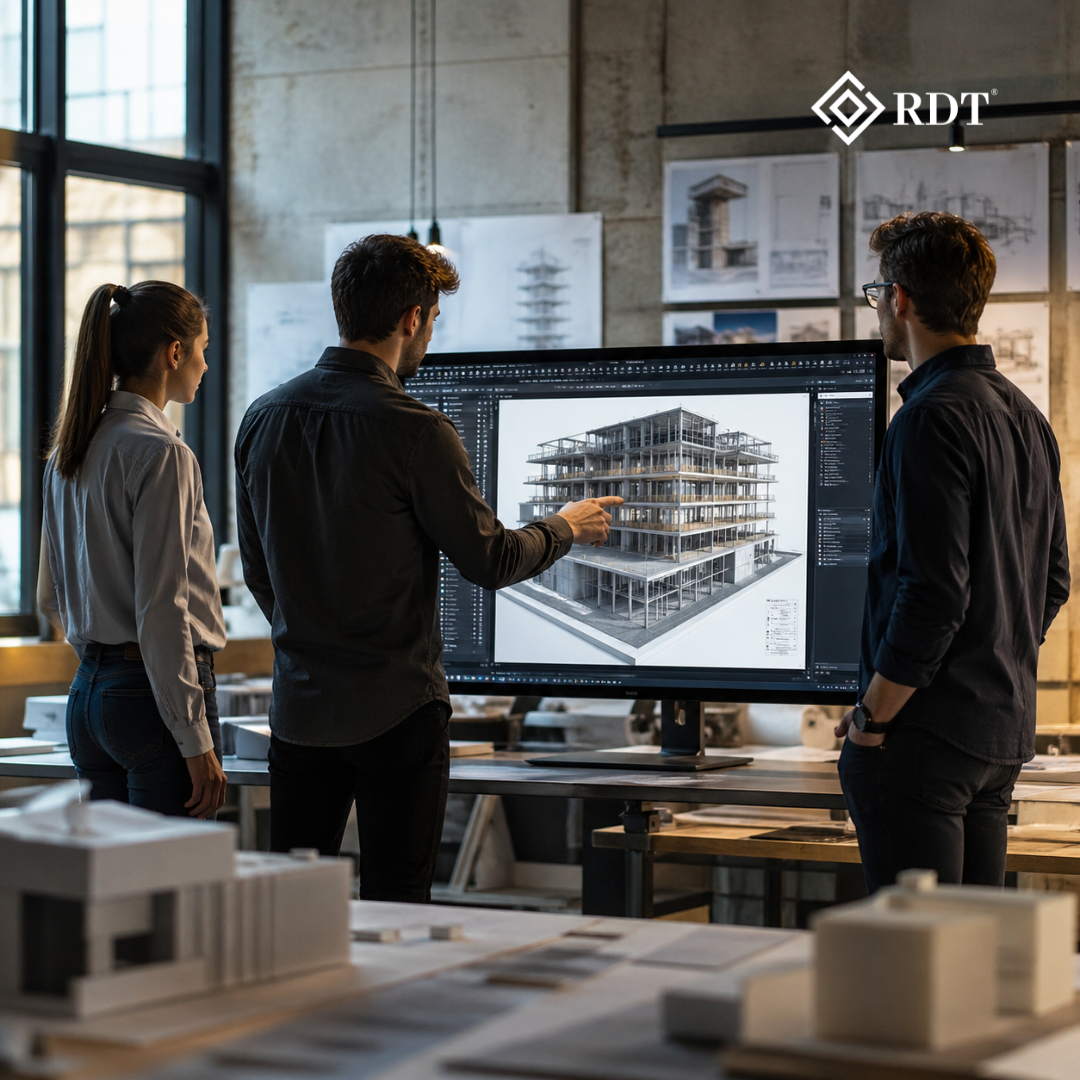
BIM Building Information Modeling has stepped into that gap. Not as a trend or a digital upgrade, but as a practical response to how construction now operates. This is especially evident in BIM for Architectural Design, where early decisions shape outcomes far beyond form and layout.
Complexity Feels Different Than It Used To
Complexity used to sit in one place. It lived in the structure or in the services. Solve that part and the project could move on.
That separation no longer exists. Design decisions affect financing. Construction sequencing affects approvals. Operational requirements influence layout long before ground is broken. Nothing stays isolated for long.
A large development today behaves more like a system than a building. When one part shifts, something else reacts. Managing that kind of interdependence without a shared digital framework quickly becomes guesswork. BIM for Architectural Design gives teams a way to understand these relationships before they create disruption.
Drawings Still Matter but They Cannot Carry Everything
Drawings remain important, but they struggle to carry intent. They indicate what something looks the same, not why it exists or what it influences.
When data is dispersed throughout drawings, schedules, & emails, coordination relies strongly on memory & explanation. That works until it does not.
BIM changes the role of information. Data stays attached to the elements it describes. When something changes, the ripple effect becomes visible. Teams are no longer relying on assumptions to understand impact. In BIM for Architectural Design, this clarity helps architects align vision with constructability.
This does not make decisions easier. It makes them clearer.
Coordination Cannot Wait Until Construction
Many coordination problems are not surprises. They are simply ignored until time runs out.
On complex developments, waiting until construction to resolve conflicts is no longer practical. Space is limited. Systems are dense. Prefabrication reduces flexibility.
BIM brings those conflicts forward. Teams can test ideas early, challenge layouts, and confirm feasibility while options still exist. BIM for Architectural Design plays a critical role here by allowing spatial and functional conflicts to be resolved while design intent is still flexible.
More importantly, it changes how teams trust each other. Problems addressed early tend to stay solved.
Cost Control Requires Awareness Not Guesswork
Cost overruns often begin with small decisions made without full visibility. One change feels manageable. Several changes later, the impact becomes clear.
BIM improves cost awareness by linking design and quantity. Adjustments show consequences. Discussions shift from opinion to evidence.
This does not stop change from happening. It allows change to be intentional.
For complex projects where margins are sensitive, that difference matters.
Planning Needs to Reflect Physical Reality
Many construction schedules look reasonable until work starts. Access issues, sequencing conflicts, and temporary conditions are discovered too late.
By connecting time with the model, BIM allows teams to explore how construction will actually occur. It becomes easier to see where congestion might happen or where assumptions do not align with site conditions.
This does not wipe out risk, but it decreases doubt.
Communication Enhances When Interpretation Is Decreased
Challenges usually commence with various explanations of the similar data. Each party trusts they are right.
BIM reduces this friction by giving everyone a common reference. Conversations become grounded in what can be seen and verified. Questions are answered by reviewing the model rather than debating intent.
For BIM for Architectural Design, this shared understanding is especially valuable, as architectural decisions often influence multiple disciplines simultaneously.
Compliance Is Easier When Information Is Structured
Regulatory review has become more detailed and less forgiving. Fragmented submissions slow approvals and increase revisions.
BIM supports clearer documentation and more consistent information. Compliance can be checked earlier, reducing late changes that disrupt progress.
Authorities are increasingly comfortable reviewing digital models, which makes this approach more effective over time.
Sustainability Works When It Is Part of the Process
Sustainability decisions carry long term consequences, especially on large developments. Treating them as late stage requirements often leads to compromise.
BIM allows performance considerations to influence design early. Options can be evaluated realistically. Outcomes can be compared.
This results in buildings that perform better long after construction ends.
Consistency Protects Quality
Many quality issues come from information changing between stages. What is designed is interpreted differently during construction. What is built is recorded inaccurately at handover.
BIM reduces these gaps by keeping information connected. Updates carry through. Errors are easier to spot.
On complex projects, this consistency improves reliability.
Value Continues After Handover
Once a building is occupied, accurate information becomes even more valuable. Maintenance, adaptation, and operation depend on knowing what exists.
A well developed BIM model supports this phase. Operators can make informed decisions without relying on incomplete records.
This long term benefit is often overlooked during delivery but becomes critical over time.
BIM Supports Better Project Leadership
For developers and project leaders, BIM offers visibility. It supports clearer decision making and reduces uncertainty.
Leading complex developments without that visibility has become increasingly difficult.
Avoiding BIM Is No Longer Neutral
Choosing not to use BIM increases exposure to risk. Many clients now expect it as a baseline capability.
Projects delivered without it often struggle to meet modern expectations.
The Industry Has Already Moved Forward
Construction is changing. Digital coordination and integrated workflows are becoming normal practice.
Complex developments will continue to push limits. Managing them requires systems designed for that reality.
Conclusion
BIM is no longer optional for complex developments because the conditions of construction have changed. Projects are interconnected, expectations are higher, and mistakes carry greater consequences.
BIM provides a way to work within this reality with more clarity and control.
For complex developments, it is no longer an enhancement. It is the foundation that allows ambition to be delivered without losing balance.
Collaborate with RDT Technology to bring clarity, control, and confidence to your complex developments, where BIM driven collaboration and BIM for Architectural Design turn ambition into deliverable reality.