
The Architecture, Engineering and Construction industry has always been driven by information. Every drawing, specification, schedule and report plays a role in shaping how a project is designed and built. Over the last few decades, the industry has shifted from hand drawn plans to digital drafting and then to advanced three dimensional modeling. Today, Building Information Modeling has become more than just a technology trend. It is rapidly becoming a mandatory standard for modern AEC projects.
BIM is no longer a tool used by only large firms or technologically advanced companies. Governments, developers, contractors and clients across the world now expect BIM as a baseline requirement. It is transforming how projects are conceived, coordinated, delivered and operated.
Understanding why BIM is becoming mandatory helps professionals and firms prepare for the future and stay competitive in a rapidly evolving industry.
The Evolution from Drawings to Intelligent Models
In the past, construction projects relied on two dimensional drawings and manual documentation. These methods required interpretation, coordination and constant revisions. Errors were common and coordination between disciplines was difficult.
The introduction of CAD improved drafting speed but still relied on disconnected files and manual coordination. BIM introduced a new paradigm. Instead of isolated drawings, BIM created a digital representation of the building that includes geometry, data, relationships and lifecycle information.
This shift from static drawings to intelligent models changed how teams collaborate and how decisions are made. BIM models act as a single source of truth for the entire project.
Growing Complexity of Modern Projects
Modern buildings and infrastructure projects are far more complex than in the past. Smart buildings, sustainable design requirements, prefabrication, modular construction and advanced building systems demand precise coordination.
Traditional workflows struggle to handle this complexity. Errors in coordination can lead to costly rework, delays and disputes.
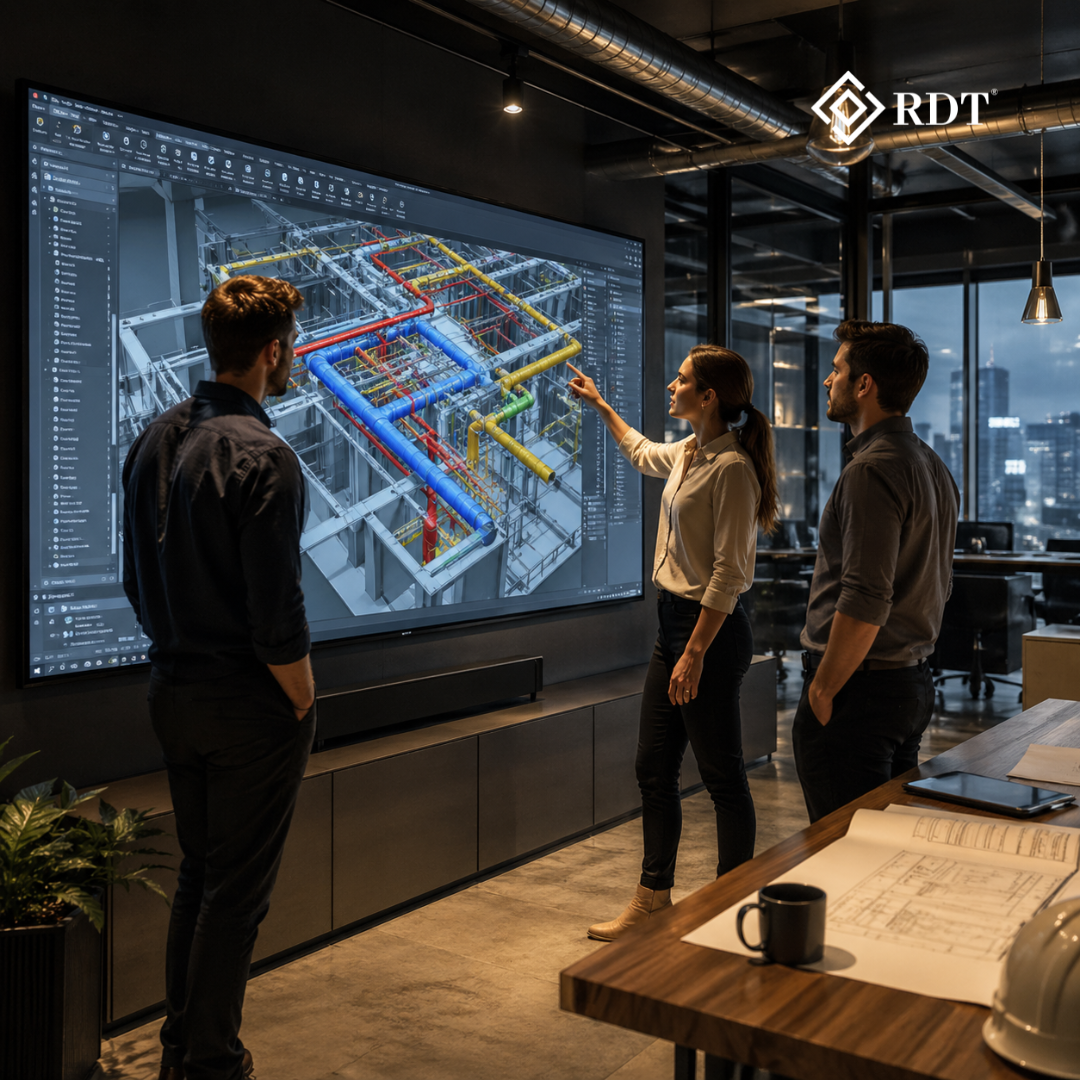
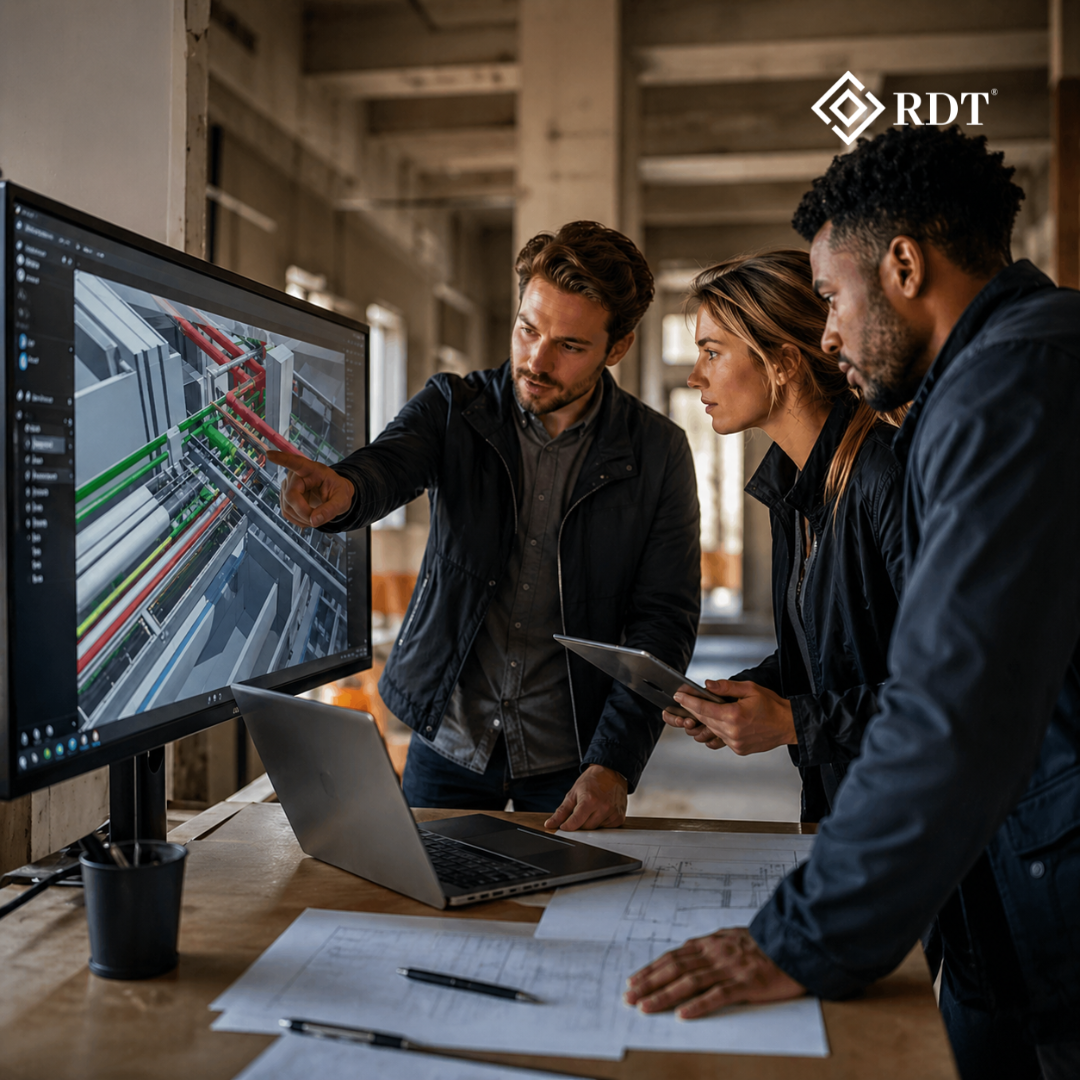
BIM provides a coordinated environment where architects, structural engineers, MEP engineers, contractors and facility managers can work on a shared model. This reduces clashes, improves accuracy and enhances collaboration.
As project complexity increases, BIM becomes essential rather than optional.
Client and Government Mandates
Many governments and large organizations now mandate BIM for public sector projects. Countries across Europe, the Middle East, Asia and North America have introduced BIM standards and guidelines.
Clients in the private sector are also demanding BIM deliverables. Developers want accurate models for visualization, cost planning and facility management. Investors want realistic digital representations before committing funds. Contractors prefer coordinated models that reduce on site errors.
When clients and authorities require BIM, firms must adopt it to qualify for projects. This is one of the strongest drivers behind BIM becoming mandatory.
Cost and Time Efficiency
Construction projects are highly sensitive to cost and schedule. Even small errors can lead to significant financial losses.
BIM improves project efficiency in several ways. It enables accurate quantity takeoffs, cost estimation and scheduling. Allows teams to identify clashes and design issues before construction begins. It supports prefabrication and off site manufacturing by providing precise digital models.
By reducing rework and improving planning, BIM saves time and money. Firms that use BIM can deliver projects faster and with greater predictability, which is highly valued by clients.
Improved Collaboration Across Disciplines
One of the biggest challenges in AEC projects is coordination between different disciplines. Architects, engineers, contractors and consultants often work in silos, leading to inconsistencies and misunderstandings.
BIM provides a collaborative platform where all disciplines can work on a shared model. Changes made by one team are visible to others, reducing conflicts and miscommunication.
This collaborative approach improves design quality and reduces errors. It also fosters better teamwork and transparency throughout the project lifecycle.
Enhanced Visualization and Communication
Visualization plays a crucial role in decision making, marketing and approvals. Stakeholders often struggle to understand technical drawings and specifications.
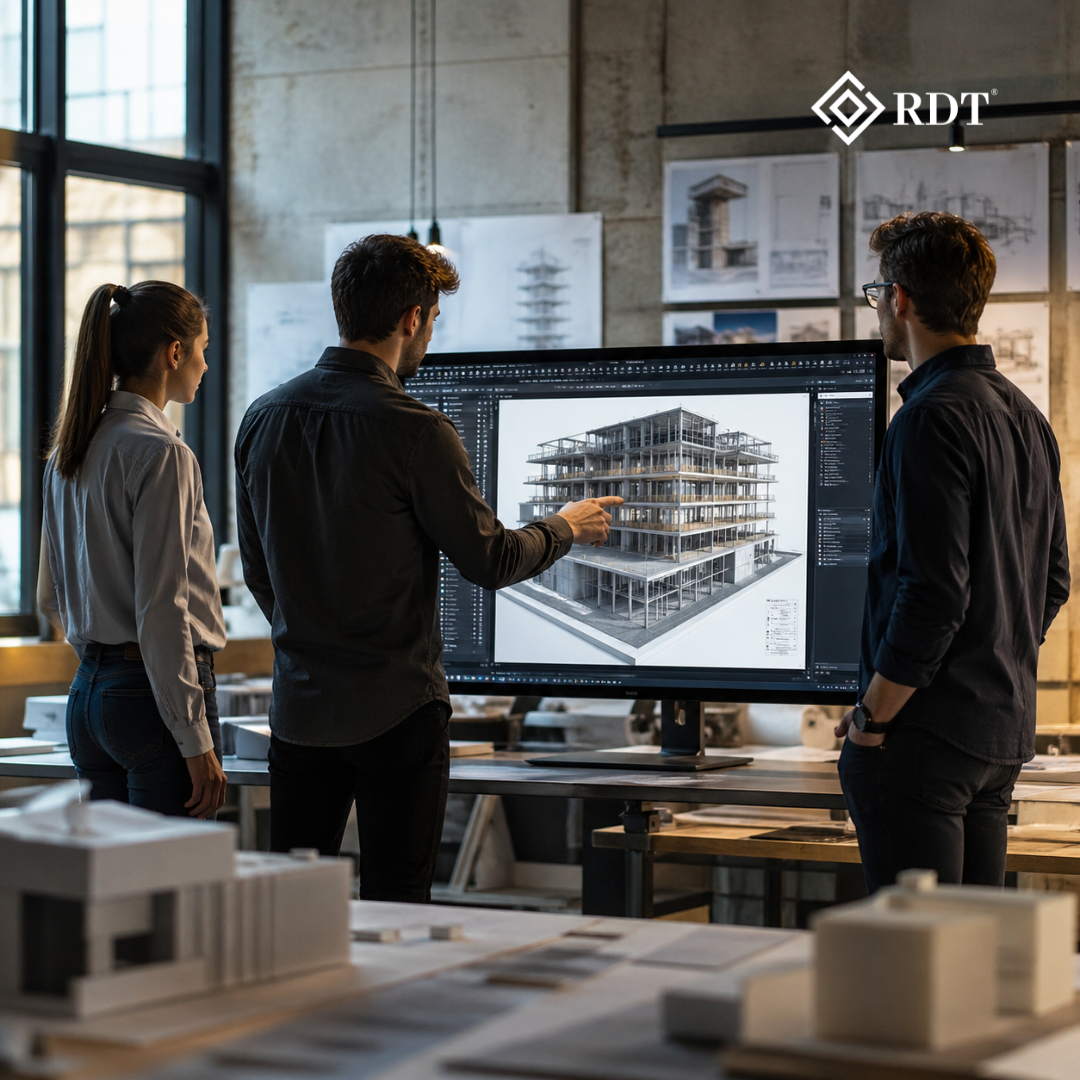
BIM models can be used to create realistic renderings, walkthroughs and simulations. Clients can see what the finished project will look like before construction starts. Authorities can review designs more effectively. Contractors can plan construction sequences with greater clarity.
This level of visualization improves communication and reduces misunderstandings, making BIM an essential tool in modern projects.
Data Driven Project Management
BIM is not just about geometry. It is a data rich model that includes information about materials, quantities, schedules, costs and performance.
Project managers can use BIM data to track progress, analyze risks and optimize workflows. Integration with scheduling and cost management tools enables four dimensional and five dimensional modeling.
This data driven approach improves decision making and project control. It transforms project management from reactive problem solving to proactive planning.
Lifecycle Value and Facility Management
The value of BIM extends beyond design and construction. Facility owners and operators use BIM models for maintenance, renovations and asset management.
A digital twin of the building provides information about systems, components and performance. Facility managers can access accurate data for maintenance planning, space management and energy optimization.
As building owners recognize the long term value of BIM, they increasingly require BIM deliverables as part of project contracts.
Competitive Advantage for Firms
In a competitive market, firms that adopt BIM gain a significant advantage. They can deliver higher quality projects, reduce errors, improve efficiency and offer advanced services.
Clients prefer firms that use BIM because it reduces risk and improves outcomes. Contractors prefer BIM based workflows because they improve constructability and coordination.
Firms that resist BIM risk losing market share to competitors who embrace digital workflows.
The Changing Skill Requirements
BIM is reshaping the skill requirements for AEC professionals. Employers now look for BIM proficiency in architects, engineers, designers and project managers.
Universities and training institutions are integrating BIM into their curricula. Young professionals enter the workforce with digital skills and expectations.
Experienced professionals who do not adapt may find themselves at a disadvantage. Continuous learning and upskilling are essential to stay relevant in a BIM driven industry.
Standardization and Interoperability
Industry standards and protocols are being developed to ensure consistent BIM implementation. Organizations such as ISO, buildingSMART and national authorities provide guidelines for BIM processes, data exchange and collaboration.
Standardization makes BIM easier to adopt across projects and organizations. It ensures that models can be shared and used throughout the project lifecycle.
As standards mature, BIM becomes a common language for the AEC industry.
Risk Reduction and Legal Benefits
Construction disputes often arise from unclear documentation, design errors and miscommunication. BIM provides a detailed and coordinated model that reduces ambiguity.
Accurate digital records improve traceability and accountability. They provide evidence of design decisions and changes. This can be valuable in dispute resolution and legal matters.
By improving documentation and coordination, BIM reduces project risks and potential conflicts.
Sustainability and Performance Analysis
Sustainability is a major priority in modern construction. Energy efficiency, carbon reduction and environmental performance are critical considerations.
BIM enables simulation and analysis of building performance. Designers can evaluate energy consumption, daylighting, thermal comfort and material impacts.
This supports sustainable design decisions and helps projects meet regulatory and certification requirements.
Integration with Emerging Technologies
BIM is a foundation for many emerging technologies in construction. Digital twins, smart cities, prefabrication, robotics and artificial intelligence rely on BIM data.
As the industry moves toward automation and data driven construction, BIM becomes the core platform that connects various technologies.
Firms that adopt BIM are better positioned to leverage future innovations.
Overcoming Challenges in BIM Adoption
Despite its benefits, BIM adoption can be challenging. It requires investment in software, hardware, training and process changes. Resistance to change and lack of expertise can slow adoption.
However, the long term benefits outweigh the initial challenges. Strategic planning, training and collaboration with experienced partners can accelerate BIM implementation.
Organizations that treat BIM as a strategic investment rather than a software purchase achieve the best results.
The Future of the AEC Industry
The AEC industry is moving toward a digital future where models, data and automation drive project delivery. BIM is at the center of this transformation.
In the future, projects will be designed, built and operated using integrated digital platforms. Collaboration will be seamless, data will guide decisions and buildings will be managed through digital twins.
BIM is not just a trend. It is the foundation of this digital transformation.
Conclusion
Building Information Modeling is becoming mandatory because it addresses the fundamental challenges of the AEC industry. It improves coordination, reduces errors, enhances visualization, supports data driven decision making and delivers long term value.
Clients, governments and organizations increasingly require BIM as a standard deliverable. Firms that adopt BIM gain a competitive advantage and position themselves for the future. Professionals who develop BIM skills enhance their career prospects and relevance.
The transition to BIM is not optional. It is a necessary step for the industry to meet modern demands and deliver complex projects efficiently and sustainably.
Call To Action
If you want to implement BIM effectively and unlock its full potential, partner with a team that understands advanced digital delivery. RDT Technology provides world class BIM, documentation and visualization services tailored for modern AEC projects.
Contact RDT Technology today to transform your workflows, optimize project outcomes and stay ahead in the rapidly evolving construction industry.