Architecture has always been about more than walls, roofs, and structural systems. At its core, architecture is about people, emotion, experience, and purpose. Every building begins as an idea. That idea carries a vision, a function, and a story waiting to be told. The challenge is translating that story into something others can understand before the first brick is laid. This is where architectural visualization becomes transformative.
Visualization is not simply about producing attractive images. It is the bridge between imagination and reality. It turns complex technical drawings into immersive experiences. It gives life to ideas and allows clients, investors, and stakeholders to see what does not yet exist. In modern architecture, visualization is storytelling in its most compelling form.
The Emotional Power Behind Architectural Visualization
Technical drawings are essential for execution, but they rarely spark emotion. Floor plans, sections, and elevations communicate dimensions and specifications, yet they do not convey how a space feels. Visualization fills that gap.
When a client sees a sunlit living room rendered with natural textures and realistic shadows, they are not just viewing a design. They are imagining morning coffee by the window. When an investor views a high rise lobby animated with people and movement, they see potential, energy, and return on investment. Visualization transforms information into experience.
Storytelling in architecture is about connection. It answers questions that drawings cannot. How does the space breathe? How does light travel through the building during the day? How do people move and interact within it? Visualization captures these narratives and presents them in a way that resonates emotionally.
From Concept to Clarity
Every architectural project starts with a concept. Sometimes that concept is bold and experimental. Other times it is subtle and context driven. Regardless of scale, conveying that idea clearly is crucial.
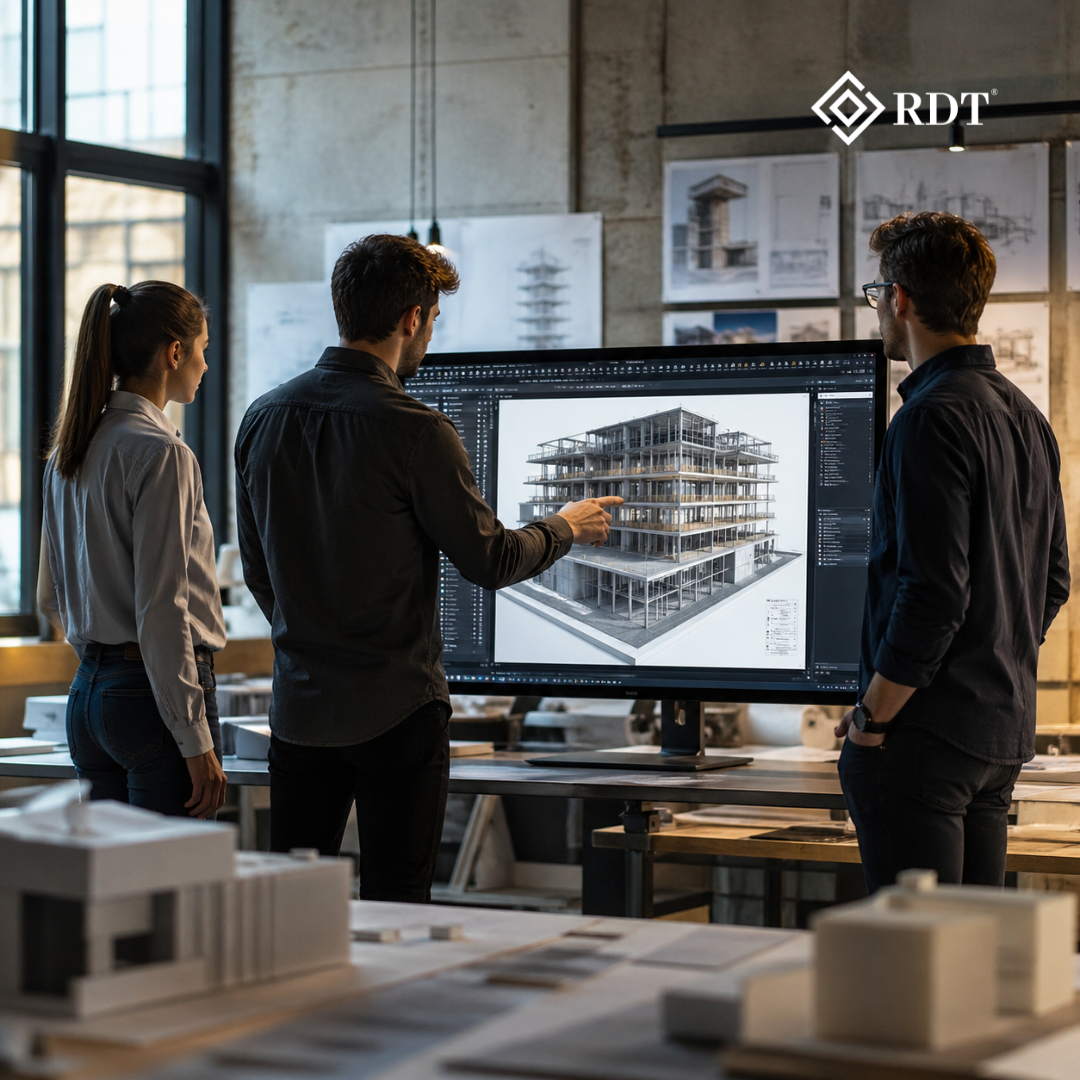
Architectural visualization provides clarity at every stage of design. Early conceptual renders help communicate the design intent to clients and consultants. As the project evolves, detailed 3D models allow teams to refine materials, lighting, and spatial relationships.
Clarity reduces misunderstandings. It aligns expectations. It minimizes revisions. When everyone involved can see the same vision, collaboration becomes smoother and more productive.
Visualization as a Communication Tool
In today’s fast paced construction industry, communication determines success. Architects work with engineers, contractors, developers, marketing teams, and regulatory authorities. Each stakeholder views the project from a different perspective.
Visualization acts as a universal language. It simplifies complex technical information and makes it accessible to non technical audiences. A photorealistic rendering can communicate what pages of explanation cannot.
For marketing teams, visualization becomes a powerful sales asset. For developers, it becomes a decision making tool. For clients, it becomes reassurance. Clear communication builds trust, and trust accelerates project momentum.
Enhancing Design Confidence
Design decisions carry financial and functional consequences. Material choices influence budget. Spatial arrangements affect usability. Lighting impacts ambiance and efficiency.
Through high quality visualization, architects can test and evaluate these decisions before construction begins. They can explore multiple scenarios. They can experiment with textures, finishes, and layouts. They can adjust elements and immediately see the impact.
This ability strengthens design confidence. It reduces costly surprises during execution. It ensures that the final built environment aligns with the original vision.
The Role of Technology in Visual Storytelling
Advancements in digital tools have elevated architectural visualization to new heights. High resolution rendering engines, real time walkthroughs, and immersive virtual reality experiences have changed how stories are told.
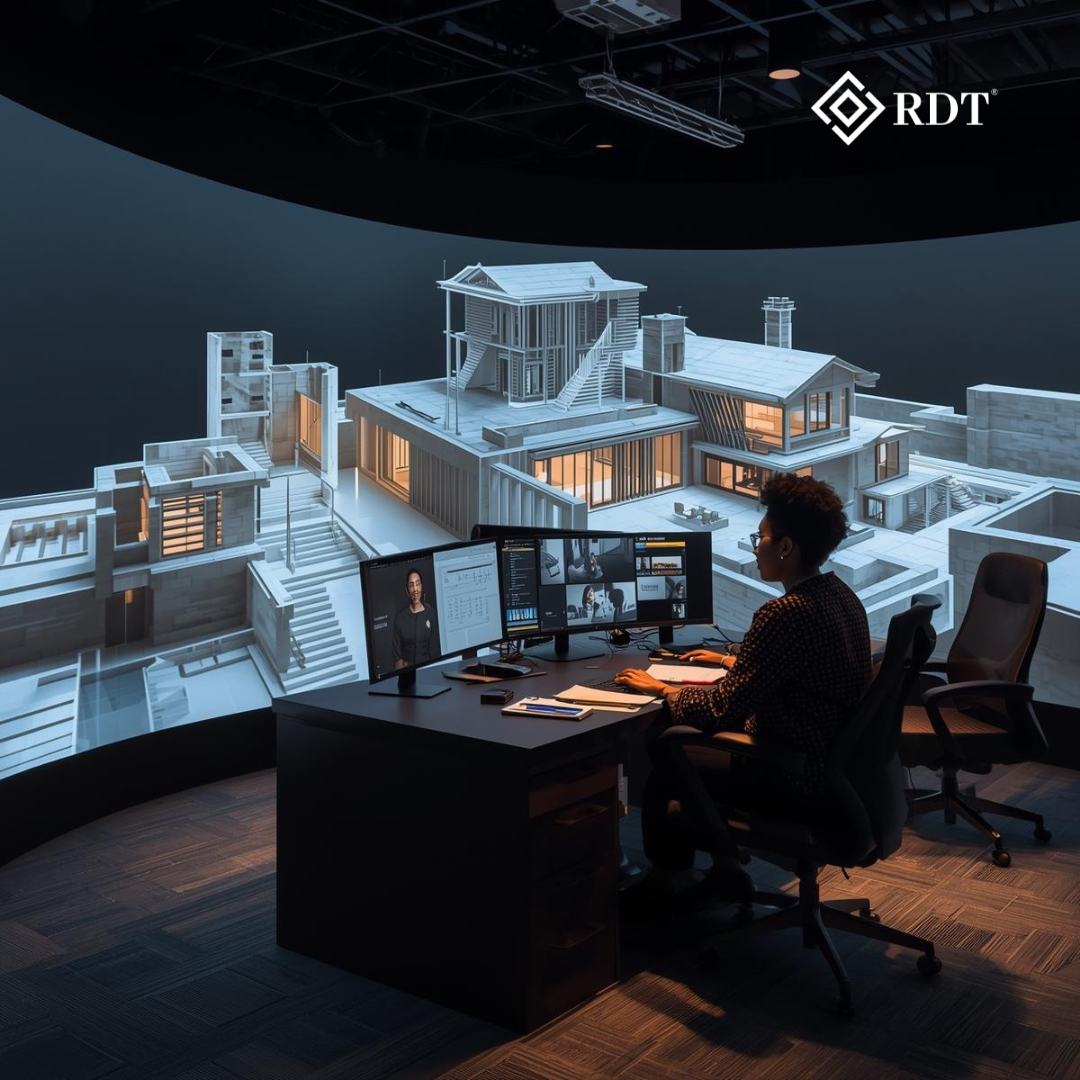
Clients can now explore projects interactively. They can walk through spaces before they are built. They can understand scale and proportion in a tangible way. This level of immersion transforms passive viewing into active engagement.
Technology does not replace creativity. It enhances it. It allows architects to present their ideas with depth, precision, and authenticity. The story becomes more vivid, more relatable, and more convincing.
Visualization in Competitive Markets
In competitive real estate and development markets, first impressions matter. Investors and buyers are often presented with multiple opportunities at once. The ability to stand out is critical.
Architectural visualization provides that edge. A compelling render can capture attention instantly. It can communicate quality, lifestyle, and aspiration. It can turn an abstract proposal into a desirable future.
For large scale projects such as residential complexes, commercial hubs, and mixed use developments, visualization becomes a strategic advantage. It helps secure approvals, attract investors, and generate early interest.
Human Centered Design Through Visualization
Great architecture prioritizes people. It considers how individuals interact with space, light, materials, and environment. Visualization reinforces this human centered approach.
By incorporating realistic elements such as furniture, landscaping, and human figures, designers can illustrate how spaces will be lived in and experienced. They can demonstrate circulation patterns, social interaction zones, and moments of privacy.
This narrative approach ensures that the project is not just structurally sound but emotionally meaningful. It aligns design decisions with real world use.
Bridging the Gap Between Vision and Construction
One of the biggest challenges in architecture is maintaining design integrity from concept to construction. Misinterpretation can occur at any stage. Visualization reduces this risk.
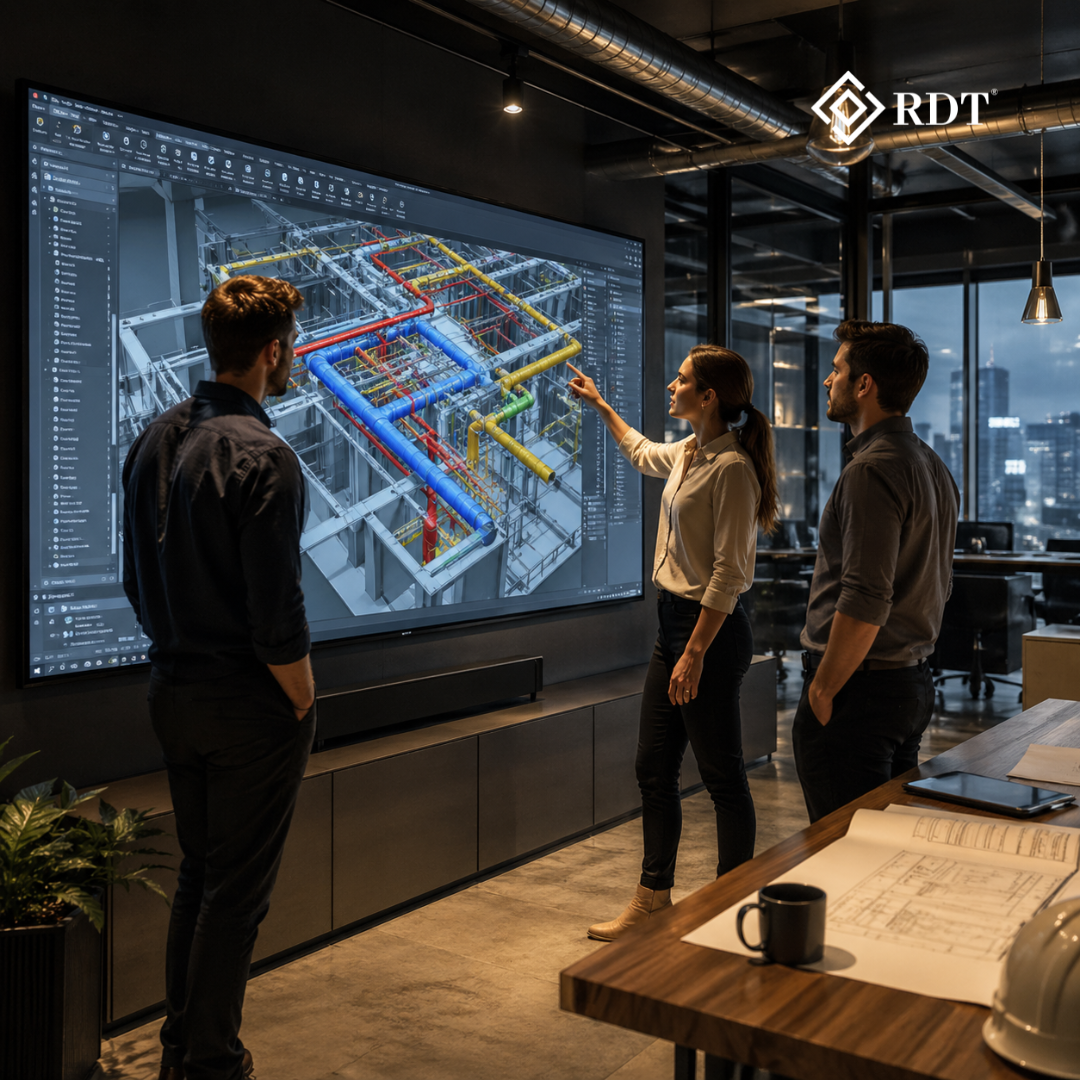
Detailed 3D models provide accurate representations of dimensions and relationships. They assist in coordination between disciplines. They highlight potential conflicts early. When visualization is integrated with Building Information Modeling processes, the story becomes both artistic and technical.
This integration ensures that what is imagined is what gets built. It protects the essence of the design throughout the project lifecycle.
The Marketing Narrative
In addition to design and coordination benefits, architectural visualization plays a central role in marketing. Developers rely on visuals to pre-sell properties. Brochures, websites, and digital campaigns depend on compelling imagery.
A strong visual narrative can define a brand identity for an entire development. It communicates luxury, sustainability, innovation, or community focus. It shapes perception long before completion.
In this context, visualization is not just storytelling. It is brand storytelling. It influences buying decisions and builds anticipation.
The Future of Architectural Storytelling
As technology continues to evolve, architectural storytelling will become even more immersive. Augmented reality and interactive platforms will allow clients to customize elements in real time. Artificial lighting simulations will predict ambiance with precision. Environmental analysis will be visually integrated into design narratives.
However, the essence will remain unchanged. Visualization will continue to be about clarity, emotion, and connection. It will continue to transform ideas into experiences.
The future of architecture belongs to those who can communicate their vision effectively. Technical skill alone is no longer enough. The ability to tell a compelling story sets projects apart.
Conclusion
Visualization is storytelling for architecture because it translates abstract ideas into tangible experiences. It connects emotion with design. It aligns stakeholders. It enhances confidence. It strengthens marketing. It bridges vision and reality.
In an industry where precision meets creativity, visualization becomes the language that unites them. It ensures that architecture is not just constructed but understood, appreciated, and embraced.
If you want your architectural vision to be communicated with clarity, precision, and impact, partner with RDT Technology. Our expert team delivers high quality visualization and BIM driven solutions that bring your concepts to life with confidence and accuracy. Connect with RDT Technology today and transform your designs into compelling stories that inspire action.