The Architecture Engineering and Construction industry operates in a highly collaborative environment where ideas must be communicated clearly between multiple stakeholders. Architects, engineers, developers, contractors, investors, and clients all need to understand the same design vision before construction begins. However, communicating complex design concepts using traditional drawings and technical documentation has always been a challenge. Not every stakeholder has the technical knowledge required to interpret construction drawings, elevations, or sectional details.
Architectural visualization services have emerged as a powerful solution that bridges the gap between technical design and clear communication. By converting complex design data into realistic visual representations, visualization allows every project stakeholder to understand the project with clarity. Whether it is a residential development, commercial complex, healthcare facility, or large infrastructure project, visualization is transforming the way design ideas are shared and understood across the AEC industry.
Today visualization is not simply a presentation tool. It has become a strategic component of design communication, project planning, client approvals, and marketing. High quality visual content enables design teams to communicate their concepts with precision while helping clients make informed decisions earlier in the project lifecycle.
The Communication Challenge in the AEC Industry
Construction projects involve numerous participants who come from different professional backgrounds. Architects focus on design intent and spatial planning. Engineers concentrate on structural stability and technical performance. Contractors focus on constructability and sequencing. Clients and investors are often more concerned about functionality, aesthetics, cost, and return on investment.
When design communication relies solely on two dimensional drawings, misunderstandings can easily occur. Plans, elevations, and sections provide technical accuracy, but they do not always communicate the full spatial experience of a building. Clients who are unfamiliar with construction drawings may struggle to visualize how the final structure will appear once built.
This communication gap often leads to delayed approvals, repeated design revisions, and increased project costs. Architectural visualization services help resolve this challenge by presenting design ideas in a format that is clear and easy to understand for everyone involved in the project.
Transforming Design Ideas into Visual Experiences
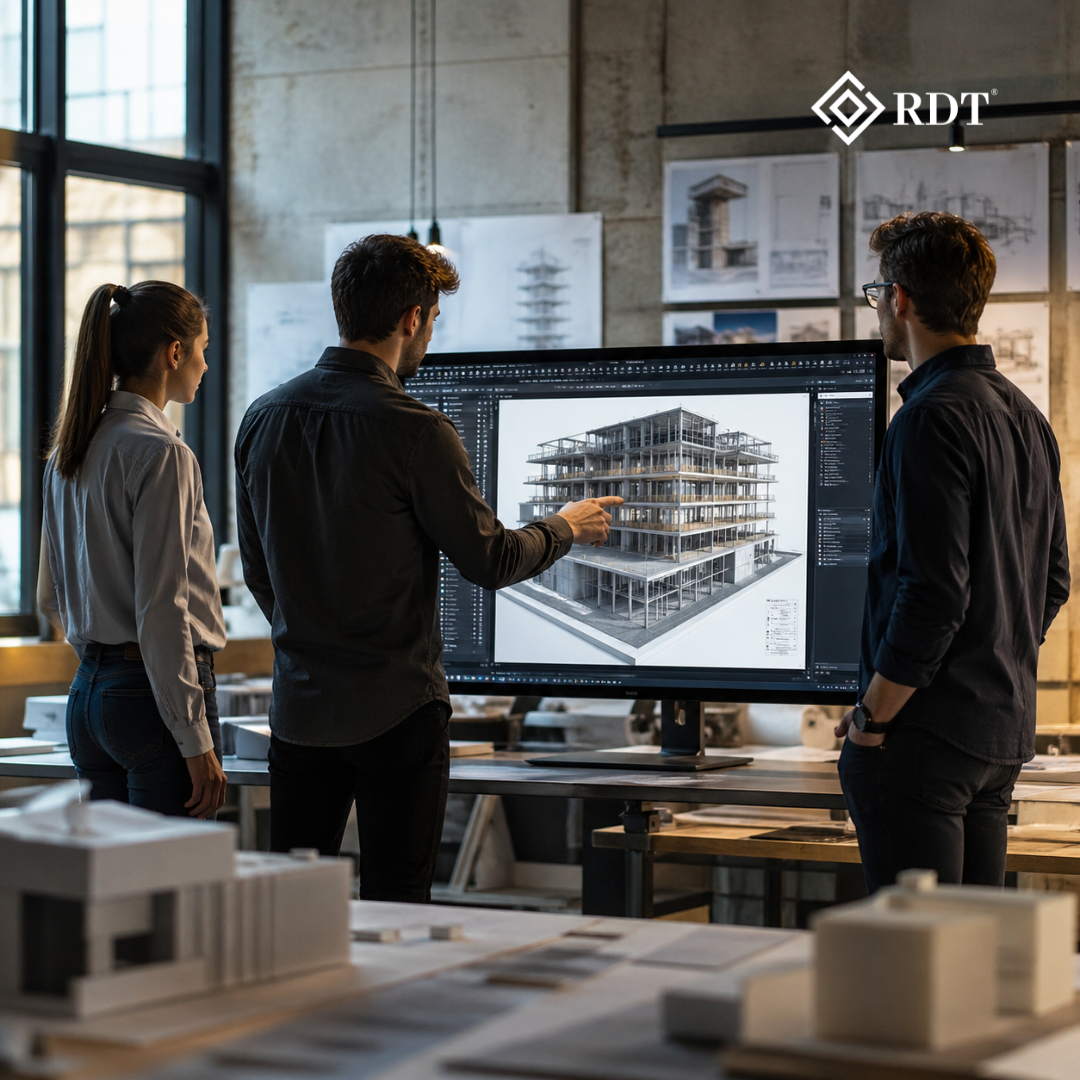
Architectural visualization converts technical building information into highly detailed visual representations such as three dimensional models, interior perspectives, exterior renderings, walkthrough animations, and immersive environments. These visuals allow stakeholders to experience the design rather than simply interpret it.
Instead of studying complex drawings, clients can view realistic images that show how the building will look in its surrounding environment. They can explore interior spaces, understand material finishes, and visualize lighting conditions. This level of clarity allows stakeholders to connect with the design emotionally and intellectually.
When people can see the project clearly, they are more confident in their decisions. Visualization helps remove uncertainty and builds trust between design teams and their clients.
Enhancing Client Presentations and Approvals
Client approval is one of the most critical stages in any construction project. Traditional design presentations often rely on technical drawings and verbal explanations. While these methods are essential for professionals within the industry, they can be difficult for non technical clients to interpret.
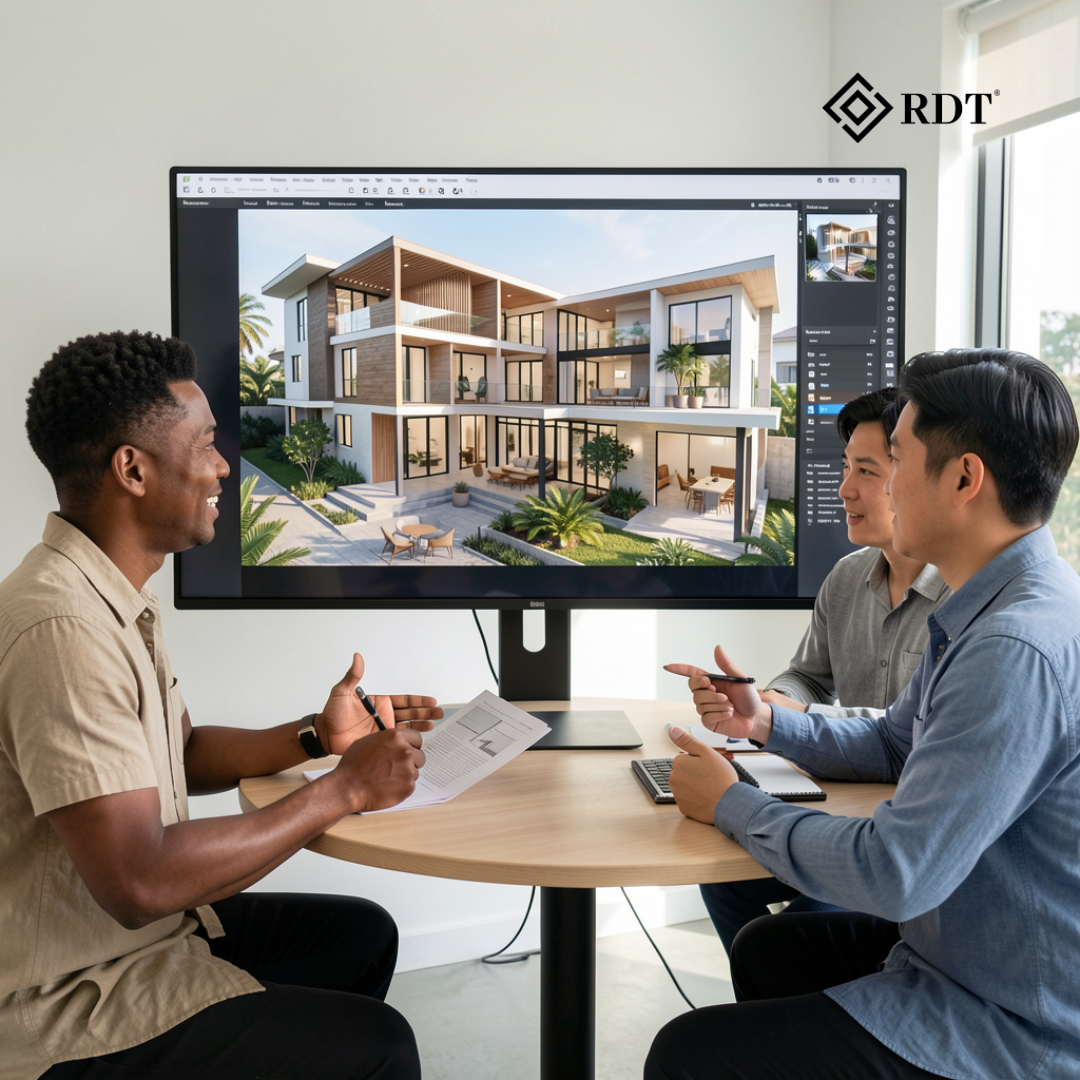
Architectural visualization simplifies this process by presenting designs in a highly engaging visual format. High resolution renderings allow clients to see the building from multiple perspectives. Interior views help them understand spatial relationships, furniture layouts, and material combinations.
This clarity significantly reduces the number of revisions required during the design phase. When clients fully understand the design intent, they can provide accurate feedback early in the process. Faster approvals allow project teams to move forward with greater efficiency.
Visualization also strengthens confidence among investors and developers who must evaluate a project before committing financial resources. Realistic imagery provides a compelling representation of the project’s potential value.
Improving Collaboration Between Project Teams
Large construction projects require continuous coordination between multiple disciplines. Architects, structural engineers, mechanical engineers, contractors, and project managers must work together to ensure that every component of the building functions correctly.
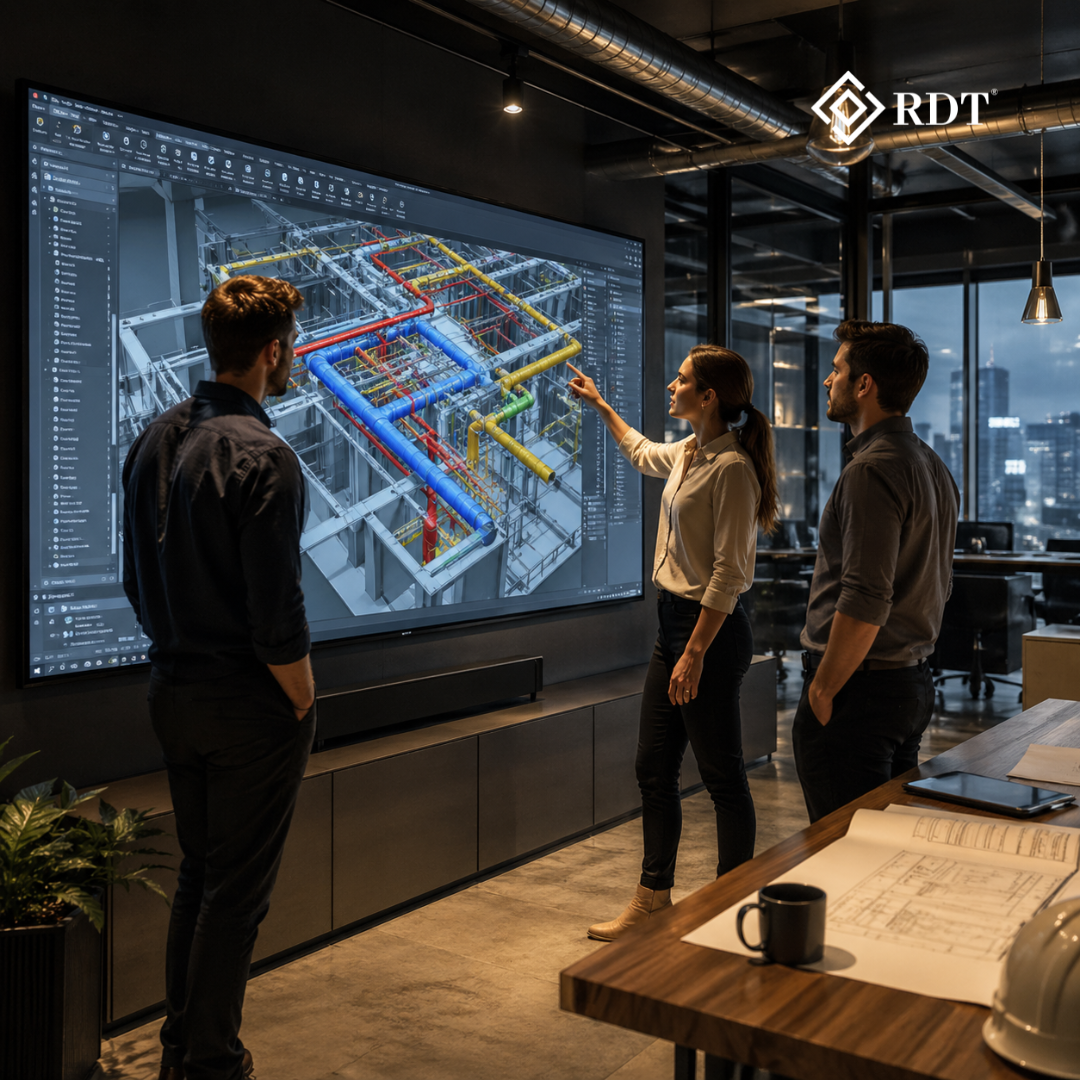
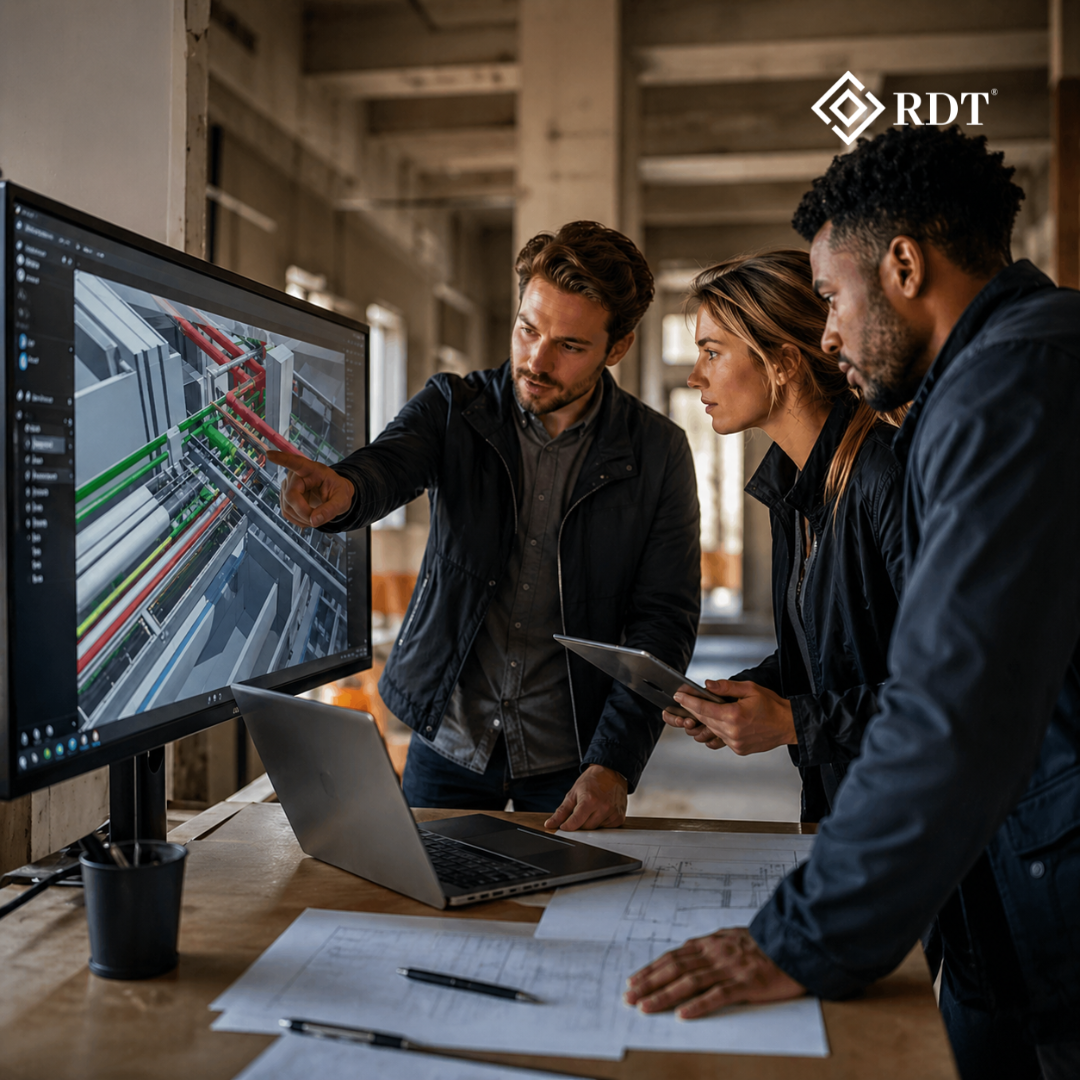
Architectural visualization plays an important role in improving this collaboration. When complex building components are represented in a visual format, it becomes easier for teams to identify potential conflicts and discuss solutions.
Three dimensional visualization allows professionals from different disciplines to review the design from a shared perspective. This clarity reduces misunderstandings and ensures that everyone involved in the project is aligned with the overall design intent.
Effective communication between project teams improves decision making and helps prevent costly changes during construction.
Supporting Better Design Decisions
Visualization does more than present the final design. It also supports the design development process itself. Architects and designers often explore multiple concepts before selecting the most suitable solution. Visualization allows these alternatives to be compared visually.
By viewing different design options in realistic environments, teams can evaluate factors such as spatial experience, lighting conditions, material appearance, and overall aesthetics. This process allows designers to refine their ideas and select the most effective design solution.
Clients can also participate more actively in this decision making process. Instead of relying solely on technical explanations, they can evaluate visual representations of different options and choose the design that best aligns with their expectations.
This collaborative decision making process improves project satisfaction and strengthens relationships between design professionals and clients.
Enhancing Marketing and Project Promotion
Architectural visualization has also become an essential marketing tool within the AEC industry. Developers and real estate companies often need to promote projects before construction is completed. High quality visual content helps them present the project to potential buyers, investors, and tenants.
Realistic renderings allow marketing teams to showcase the architectural design, surrounding landscape, and interior spaces in a compelling manner. These visuals can be used in brochures, digital campaigns, websites, and promotional presentations.
Visualization enables developers to communicate the lifestyle and experience associated with a project. Buyers can imagine themselves living or working within the space, which increases emotional engagement and interest.
For large developments such as residential communities, mixed use projects, and commercial complexes, visualization helps communicate the scale and vision of the project long before construction is finished.
Reducing Design Errors and Project Risks
One of the most valuable benefits of visualization is its ability to reveal potential design issues before construction begins. When designs are presented visually, it becomes easier to identify inconsistencies or elements that may not function as intended.
For example, spatial constraints, circulation patterns, and visibility issues can often be detected during visualization reviews. Identifying these challenges early allows design teams to make adjustments before construction begins.
Preventing design errors at the early stages of a project can save significant time and cost. Visualization therefore contributes not only to better communication but also to improved project efficiency and risk management.
Creating Immersive Project Experiences
Advancements in digital technology have expanded the possibilities of architectural visualization even further. Today visualization can include immersive walkthroughs and interactive experiences that allow stakeholders to explore buildings virtually.
Virtual environments provide a deeper understanding of spatial relationships and design details. Clients can move through interior spaces, observe architectural elements from different angles, and experience the building as if it were already constructed.
This immersive approach strengthens communication between designers and clients by providing an experience that goes beyond static images. Stakeholders gain a stronger connection with the project and can make decisions with greater confidence.
The Future of Design Communication in the AEC Industry
As construction projects continue to grow in complexity, the need for clear communication will become even more important. Architectural visualization is expected to play a central role in the future of design collaboration and project presentation.
With the continued development of digital technologies, visualization will become more integrated with design workflows and project management processes. Real time visualization, immersive environments, and advanced digital modeling will provide even greater clarity during the design phase.
For AEC firms, adopting advanced visualization services is no longer just a competitive advantage. It is becoming a necessary component of modern project delivery. Firms that invest in high quality visualization will be better positioned to communicate their ideas, attract clients, and deliver successful projects.
Conclusion
Architectural visualization services are transforming the way design ideas are communicated across the AEC industry. By translating complex technical information into clear visual experiences, visualization bridges the communication gap between professionals and non technical stakeholders.
From improving client presentations and design approvals to enhancing collaboration between project teams, visualization has become a powerful tool that supports every stage of the project lifecycle. It enables better decision making, reduces design risks, and strengthens marketing efforts for developers and real estate professionals.
As the construction industry continues to evolve, the role of visualization in design communication will only become more significant. Firms that embrace this technology will be able to deliver projects with greater clarity, efficiency, and impact.
If you want to communicate your architectural vision with greater clarity and confidence, professional visualization services can make a significant difference. High quality visual representations help transform complex design concepts into compelling project experiences that clients can easily understand.
Partner with RDT Technology to bring your projects to life through advanced architectural visualization services that enhance design communication, improve client engagement, and support successful project delivery.