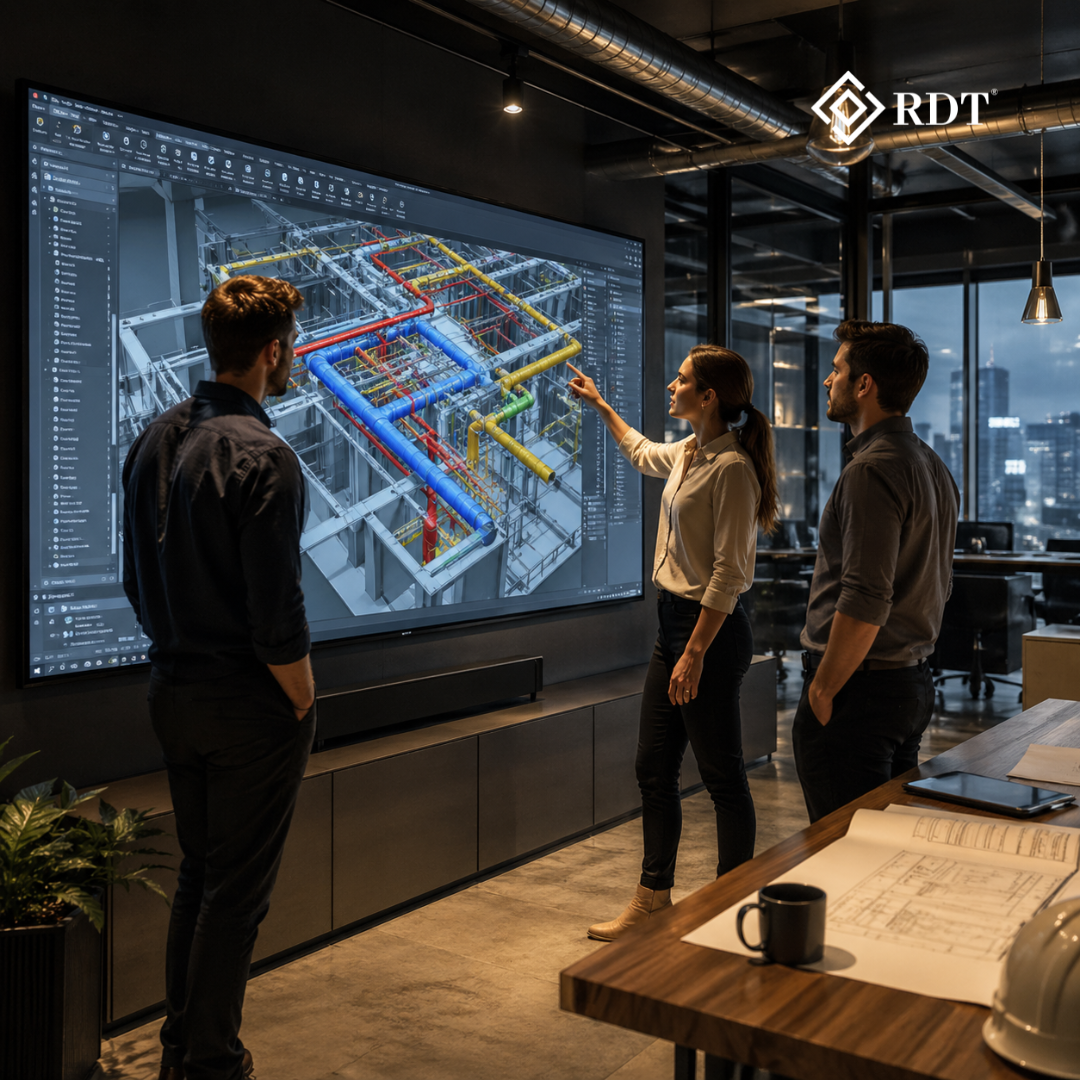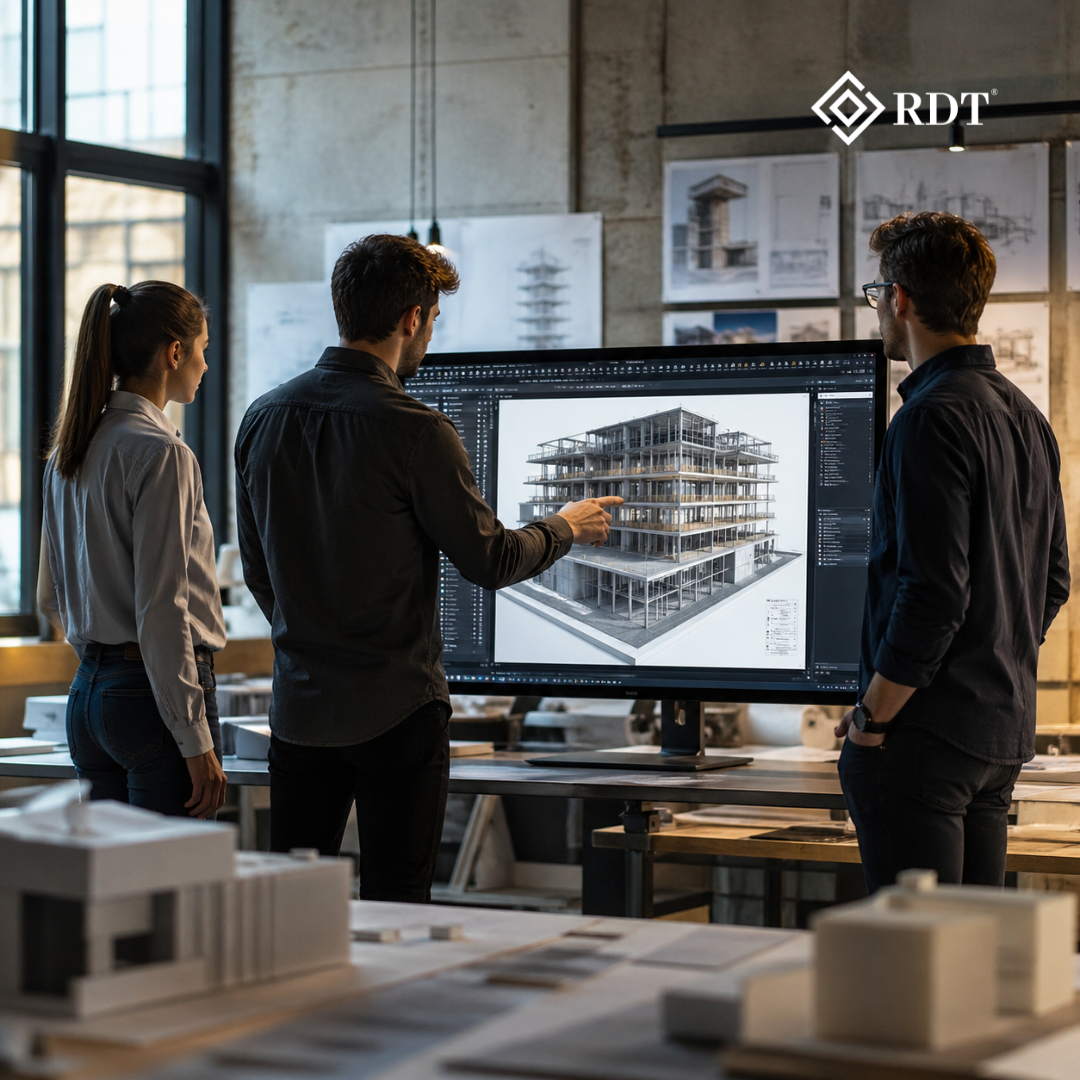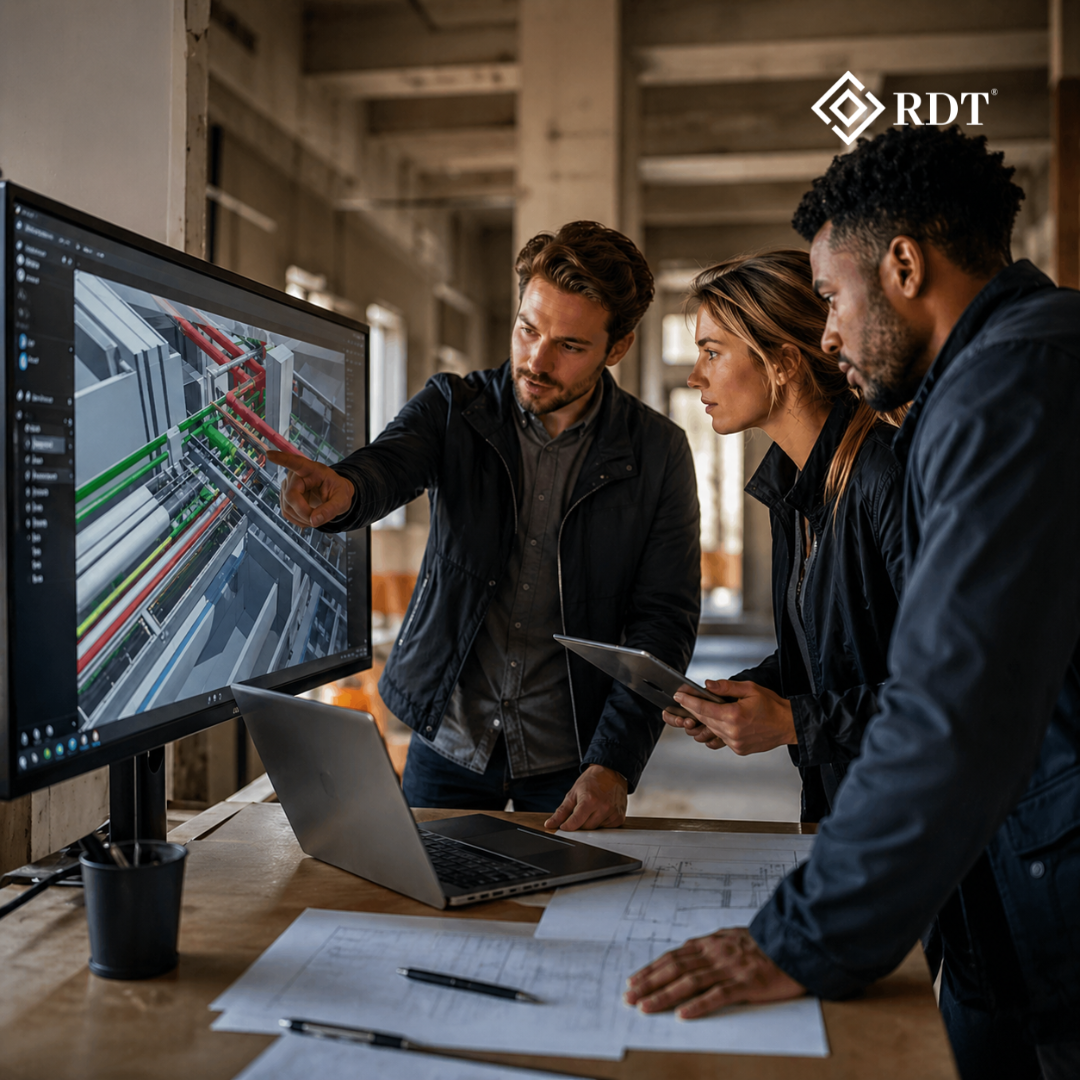
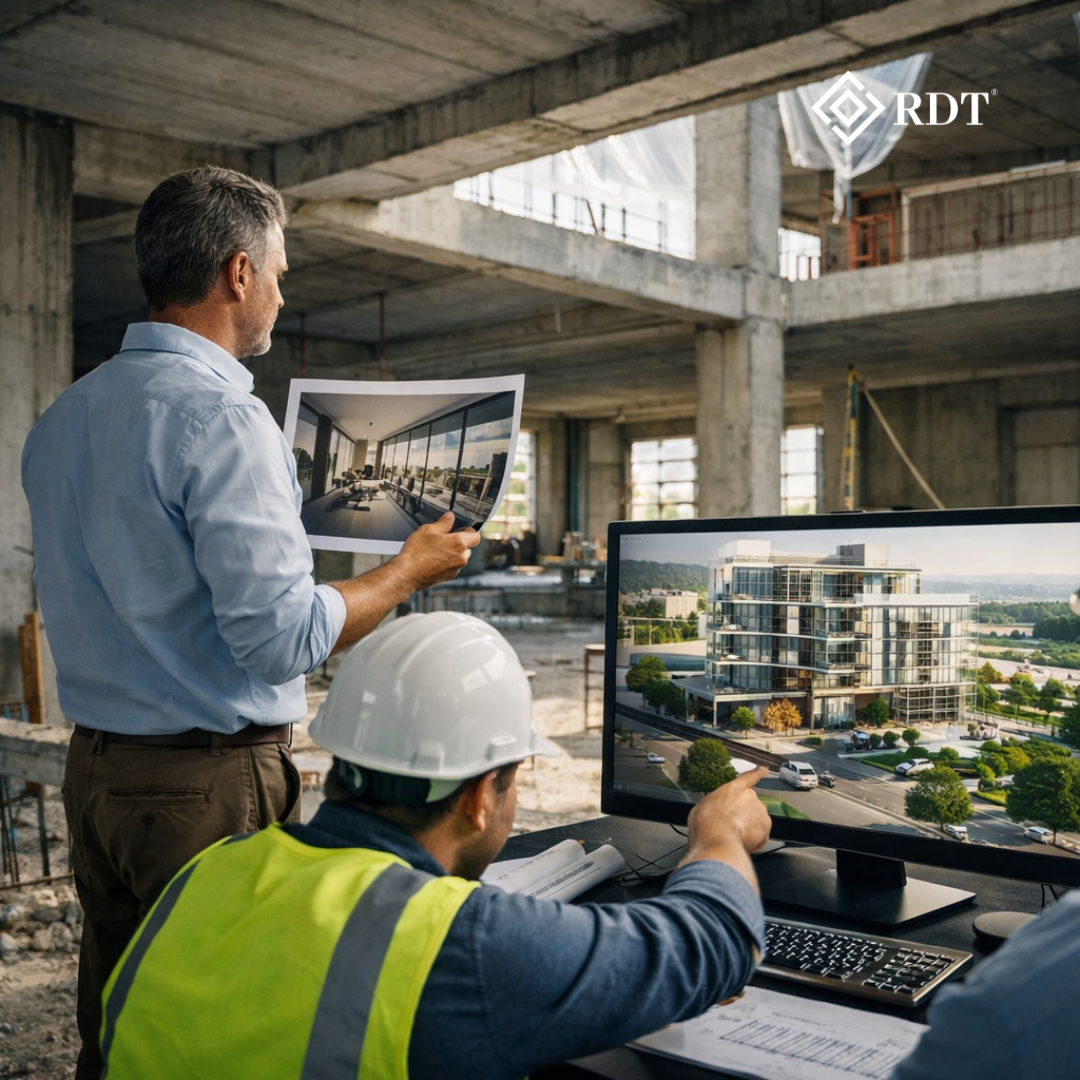
The Architecture, Engineering, and Construction industry has undergone a significant digital transformation in the last decade. New technologies are continuously reshaping how buildings are designed, reviewed, and constructed. Among the most impactful innovations are AEC visualization and Virtual Reality. Both technologies enhance how professionals and clients understand architectural projects before construction begins.
While these two tools are often mentioned together, they serve different purposes and deliver different experiences. Understanding the distinction between AEC visualization and Virtual Reality can help developers, architects, engineers, and project stakeholders make smarter decisions during the design and planning process.
This article explores the key differences, advantages, and real world applications of AEC visualization vs Virtual Reality in modern architecture and construction.
Understanding AEC Visualization
AEC visualization refers to the process of creating realistic visual representations of architectural designs. These visualizations can include high quality 3D renderings, walkthrough animations, conceptual illustrations, and photorealistic images that represent a future building before it is built.
Architectural visualization helps translate complex technical drawings into images that are easy for anyone to understand. Instead of looking at flat plans or elevations, clients can see what the finished structure will actually look like.
Architects and designers commonly use visualization tools to present residential buildings, commercial spaces, infrastructure projects, and urban developments. These visual assets help stakeholders visualize building materials, lighting conditions, spatial arrangements, landscaping, and interior layouts.
AEC visualization also plays a critical role in marketing real estate developments. Property developers frequently use realistic renderings to showcase projects to investors, buyers, and city authorities long before construction begins.
Understanding Virtual Reality in AEC
Virtual Reality takes architectural visualization one step further by creating an immersive digital environment where users can explore a building in a simulated three dimensional space.
With Virtual Reality, users wear specialized headsets that allow them to walk through a digital model of a building. Instead of viewing images on a screen, they experience the design as if they are physically inside the space.
This immersive experience allows architects, engineers, and clients to interact with the building design in a much more intuitive way. They can move through rooms, observe ceiling heights, analyze lighting conditions, and evaluate spatial relationships.
Virtual Reality has become increasingly valuable for design validation and project communication because it allows stakeholders to detect design challenges early in the development process.
Key Differences Between AEC Visualization and Virtual Reality
Although both technologies aim to improve project understanding, their approach and impact differ significantly.
Level of Interaction
AEC visualization mainly presents static or pre rendered visuals such as images or animations. Viewers observe the design from specific angles or through guided walkthroughs created by designers.
Virtual Reality allows users to control their own movement inside the digital building. They can explore the environment freely and interact with the design in real time.
Immersion Experience
Visualization provides a realistic view of architectural designs on screens such as computers, tablets, or presentation displays.
Virtual Reality creates a fully immersive environment where users feel physically present inside the project space.
Hardware Requirements
AEC visualization requires standard digital devices such as computers, laptops, or project screens.
Virtual Reality requires additional equipment such as VR headsets, motion controllers, and compatible hardware systems.
Presentation Style
Visualization is commonly used for marketing materials, presentations, and design approvals. Renderings and animations are ideal for communicating architectural concepts clearly and efficiently.
Virtual Reality is primarily used for design exploration, spatial analysis, and client walkthrough experiences that require deeper engagement.
Accessibility
Visualization is easier to distribute and share through websites, presentations, and digital marketing platforms.
Virtual Reality experiences usually require physical access to VR equipment or specialized software environments.
Benefits of AEC Visualization in Architecture and Construction
AEC visualization continues to be one of the most widely used technologies in the design industry because of its flexibility and communication power.
Clear Design Communication
Architectural drawings can be difficult for non technical stakeholders to understand. Visualization bridges the gap by presenting designs in a realistic and easy to interpret format.
Clients can quickly grasp the appearance, scale, and atmosphere of the building.
Improved Client Confidence
Photorealistic images help clients feel confident about the design decisions being made. Seeing a realistic representation of the finished building builds trust and reduces uncertainty.
Strong Marketing Value
Developers rely heavily on architectural visualization for property marketing. Realistic renderings attract investors and buyers by presenting an appealing vision of the completed project.
These visuals are widely used across brochures, websites, social media campaigns, and real estate presentations.
Faster Design Approvals
When stakeholders clearly understand the project design, approvals can happen much faster. Visualization simplifies the review process and reduces the need for repeated explanations.
Benefits of Virtual Reality in AEC
Virtual Reality is transforming how architectural designs are evaluated and experienced before construction begins.
Realistic Spatial Understanding
One of the biggest advantages of Virtual Reality is the ability to experience the scale of spaces accurately. Users can evaluate room sizes, ceiling heights, and circulation paths in a natural way.
This level of spatial awareness is difficult to achieve through traditional drawings or static images.
Early Design Problem Detection
By exploring a building virtually, architects and engineers can identify design conflicts early in the planning stage. Issues related to layout, accessibility, or visibility can be discovered before construction begins.
Early detection helps prevent costly design changes during later project phases.
Improved Collaboration
Virtual Reality creates an engaging environment for project discussions. Architects, engineers, developers, and clients can review designs together and share feedback while experiencing the same digital space.
This collaborative approach improves communication and decision making.
Enhanced Client Engagement
Walking through a future building using Virtual Reality often creates a powerful emotional response. Clients can connect with the project more deeply because they can imagine how the space will feel in real life.
Real World Applications of AEC Visualization
AEC visualization is widely used across multiple stages of architectural and construction projects.
Real Estate Marketing
Developers use high quality renderings to promote residential communities, office towers, hospitality developments, and mixed use projects. These visuals allow potential buyers to see the finished property long before construction starts.
Design Development
Architects rely on visualization to study lighting conditions, material selections, façade designs, and landscape integration.
Urban Planning Presentations
City authorities and planners use visualization to communicate infrastructure proposals and urban development projects to the public.
Interior Design Concepts
Interior designers use 3D renderings to showcase furniture layouts, color schemes, lighting arrangements, and decorative elements.
Real World Applications of Virtual Reality
Virtual Reality is increasingly becoming a valuable tool during design review and project planning stages.
Design Review Meetings
Architects and engineers use VR environments to walk through building models and evaluate design decisions in real time.
Client Walkthrough Experiences
Developers often invite clients to explore their future properties through immersive VR experiences. This helps buyers understand the design in a more engaging way.
Construction Planning
Construction teams can use VR models to review site logistics, equipment placement, and workflow planning.
Training and Safety Simulations
Virtual environments can simulate construction scenarios where workers practice safety procedures and equipment handling without real world risks.
The Future of Visualization and Virtual Reality in AEC
Both AEC visualization and Virtual Reality will continue to evolve as digital technology advances. Improvements in rendering software, computing power, and immersive hardware are making these tools more accessible and more powerful.
In the future, we can expect tighter integration between visualization, Building Information Modeling, and immersive technologies. Architects may design buildings directly within interactive virtual environments while engineers analyze structural systems in real time.
Artificial intelligence, real time rendering engines, and cloud collaboration platforms are also expanding the possibilities of digital design communication.
Instead of replacing each other, visualization and Virtual Reality will likely work together to create a more comprehensive design experience. Visualization will continue to support marketing, storytelling, and communication, while Virtual Reality will enhance design validation and spatial exploration.
Conclusion
AEC visualization and Virtual Reality are both powerful technologies that improve how architectural projects are communicated and understood. Visualization provides stunning photorealistic images that help clients and stakeholders clearly see the final vision of a project. Virtual Reality adds an immersive layer that allows users to experience and interact with the design before construction begins.
When used together, these technologies strengthen design communication, reduce project risks, and enhance collaboration between project teams and clients. As digital innovation continues to shape the architecture and construction industry, visualization and Virtual Reality will remain essential tools for delivering smarter and more efficient building projects.
If you are looking to present your architectural designs with stunning realism and clarity, expert visualization solutions can make a powerful difference in how your projects are understood and approved. RDT Technology delivers high quality AEC visualization services that help architects, developers, and construction professionals communicate their design vision with precision and impact. Connect with RDT Technology today to transform your architectural concepts into compelling visual experiences that drive smarter project decisions.