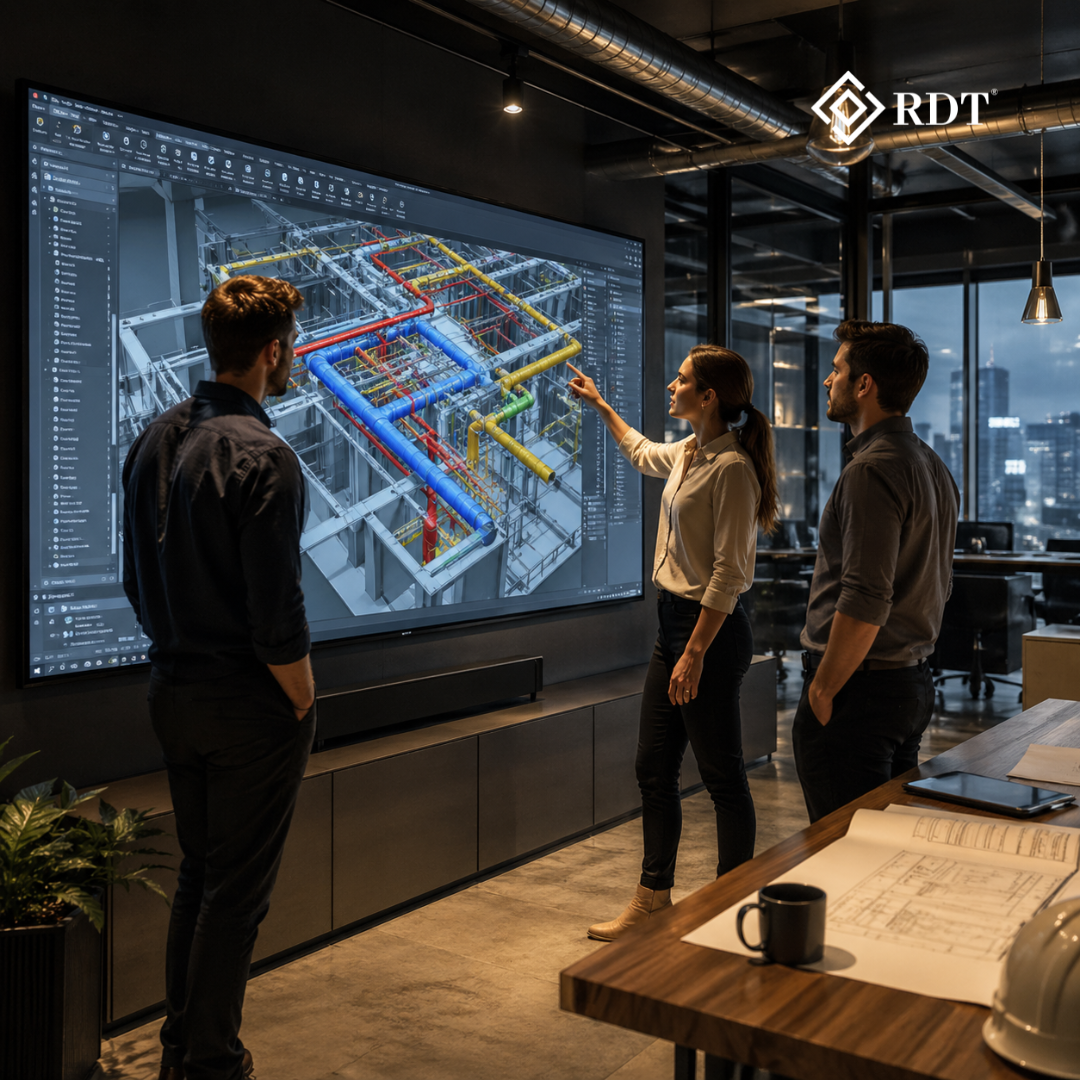

In the Architecture Engineering and Construction industry, first impressions carry immense weight. Before a single brick is laid or a foundation is poured, decisions are already being shaped by what stakeholders see and understand. This is where AEC Visualization Selling the Project becomes a critical factor in success. Visualization has evolved into one of the most powerful tools for influencing decisions, transforming complex ideas into something tangible that clients can connect with and believe in.
But here is the reality many professionals overlook. Not every visualization works in your favor. Poor quality or ineffective visuals can quietly damage a project before it even begins. Instead of building trust, they create confusion. Instead of generating excitement, they raise doubts. This leads to a crucial question. Is your AEC visualization truly selling your project or is it silently killing the deal?
The Power of First Visual Impressions
People naturally respond to visuals before anything else. When a client or investor first encounters a project, they are not focused on technical drawings or specifications. Their reaction is driven by what they see.
In the AEC industry, this makes visualization your most powerful first impression. It communicates your vision, your attention to detail, and your overall capability. A strong visual presentation allows stakeholders to clearly imagine the final result. It simplifies complexity and makes ideas accessible.
On the other hand, weak visualization creates uncertainty. If visuals appear unrealistic or incomplete, clients begin to question the project itself. They may doubt the execution, the planning, or even the team behind it. That hesitation can slow down decisions or cause opportunities to slip away entirely.
When Visualization Fails to Communicate
A major issue in AEC visualization is the gap between appearance and communication. Many visuals focus on looking impressive but fail to deliver clarity. While aesthetics are important, they cannot replace accurate storytelling.
If a visual does not clearly show spatial relationships or omits critical elements, it leaves the viewer confused. This confusion leads to incorrect assumptions and unrealistic expectations. In industrial and commercial projects, where functionality is essential, this becomes a serious concern.
Visualization should guide the viewer. It should explain the design in a simple and engaging way. When it fails to communicate, it stops being a tool and starts becoming a risk.
The Hidden Cost of Poor Quality Visuals
Low quality visualization has deeper consequences than it appears. It does not just affect presentation. It directly impacts perception. Clients often judge the quality of your work based on the quality of your visuals.
If your images include poor rendering, unrealistic lighting, or inaccurate details, they send the wrong signal. They suggest a lack of precision and professionalism. Even a well designed project can lose its impact if it is not presented properly.
This can influence key decisions. Investors may hesitate. Clients may delay approvals. In competitive situations, your project may lose to another simply because it was presented more effectively.
Visualization as a Decision Making Tool
Visualization today plays a central role in how decisions are made in construction projects. It is no longer just about presentation. It is about understanding and evaluation.
Clients rely on visual content to assess layouts, design intent, and feasibility. This is especially important in complex projects where traditional drawings cannot fully explain the design.
A clear and accurate visualization helps stakeholders make confident decisions. It reduces uncertainty and speeds up approvals. However, misleading or incomplete visuals can lead to poor decisions and costly changes later in the process.
The Role of Realism in Building Trust
Realism is essential in AEC visualization. Clients need to see something that closely represents what will actually be built. This includes accurate materials, lighting, and surroundings.
Realistic visuals create trust. They make the project feel real and achievable. This trust is crucial for securing approvals and building strong client relationships.
However, realism is not just about visual quality. It is about accuracy. Even the most visually appealing render can cause problems if it does not reflect the actual design. Misleading visuals create false expectations, which can result in dissatisfaction during construction.
Emotional Engagement and Storytelling
Strong visualization does more than show a project. It creates an emotional connection. It helps clients experience the space before it exists.
Storytelling plays a key role here. A good visualization tells a story about how the space will be used. It shows how people will interact with it and what the experience will feel like.
For example, a well presented commercial space can help clients imagine customer movement and usability. It highlights value beyond design and makes the project more relatable. This emotional engagement often becomes the deciding factor in winning a deal.
Keeping Up with Industry Expectations
The AEC industry is evolving, and client expectations are rising. Basic visuals are no longer enough to stand out. Clients now expect more immersive and interactive experiences.
Technologies like real time rendering and virtual walkthroughs are becoming standard. These tools allow stakeholders to explore designs in detail and interact with the project.
Firms that fail to adapt risk falling behind. Outdated visualization methods can make even strong projects look less competitive. Staying relevant requires constant improvement and adoption of modern tools.
Avoiding Common Visualization Mistakes
There are several mistakes that can weaken the impact of AEC visualization. One major issue is overloading visuals with too much information. This can overwhelm the viewer and reduce clarity.
Another mistake is ignoring context. A building is always part of its surroundings. Without context, the visualization feels incomplete and unrealistic.
Inconsistency in quality is also a problem. Mixing high quality visuals with lower quality ones creates a disconnected experience. Maintaining a consistent standard is essential for a strong presentation.
By avoiding these mistakes, teams can create visuals that are both clear and impactful.
Turning Visualization into a Competitive Advantage
When used effectively, visualization becomes more than a tool. It becomes a competitive advantage. It allows firms to stand out and create a strong impression.
A compelling visual presentation captures attention and builds confidence. It improves communication and strengthens client relationships. This can lead to faster approvals and better project outcomes.
Investing in high quality visualization is not just about presentation. It is about ensuring your project is understood, trusted, and valued.
Conclusion
Visualization plays a critical role in the success of any AEC project. It shapes first impressions, supports decision making, and builds trust with stakeholders.
The real question is whether your visualization is helping you or holding you back. Poor visuals create doubt and delay progress. Strong visuals inspire confidence and drive action.
By focusing on clarity, accuracy, and emotional connection, AEC professionals can ensure that their visualization truly sells the project. It becomes a powerful tool that communicates both design and value.
If your AEC visualization is not helping you win projects, it is time to rethink your approach. RDT Technology delivers high quality, realistic, and impactful visualization solutions that help you stand out and secure approvals faster. Partner with RDT Technology today and turn your project presentations into powerful tools that drive results.