I’ve walked enough construction sites in the AEC industry to know how this usually goes.
You start with confidence. The drawings look solid. Everyone nods in meetings. Timelines feel achievable. For a while, things even move smoothly. And then—something small throws the whole thing off.
Maybe it’s a beam that lands exactly where a service line was supposed to pass. Maybe materials don’t show up when they should. Sometimes it’s not even a technical issue—just two teams interpreting the same drawing in different ways.
None of this is surprising anymore. What is frustrating is realizing later that most of these problems didn’t suddenly appear. They were always there. We just noticed them too late.
I often think about how different projects would feel if we could spot these issues earlier. Not after work has started. Not when rework is the only option. But before boots ever hit the site.
That’s where RDT Technology fits into the picture.
Construction Looks Clean on Paper. Real Life Isn’t.
On drawings, everything aligns perfectly. Every system has its place. Every measurement makes sense. But buildings aren’t made on paper—they’re made in real spaces, with real constraints.
Once construction begins, layers start overlapping. Structure meets services. Design meets execution. And suddenly, details that looked harmless on screen become real obstacles.
I remember a project where everything checked out in reviews. No red flags. But once execution began, it became clear that certain systems were fighting for the same space. Fixing it meant stopping work, calling meetings, revising drawings, and explaining delays to people who didn’t want explanations.
That’s the part no one enjoys.
And it’s not just design. Scheduling slips because one delay affects five others. Budgets stretch because small changes add up. Compliance issues appear because something minor was overlooked early on.
The common thread? Lack of early visibility.
Seeing Earlier Changes the Outcome
The biggest difference I’ve seen between stressful projects and controlled ones is timing. When problems are found early, they’re manageable. When they’re found late, they’re expensive.
RDT Technology works from that exact understanding.
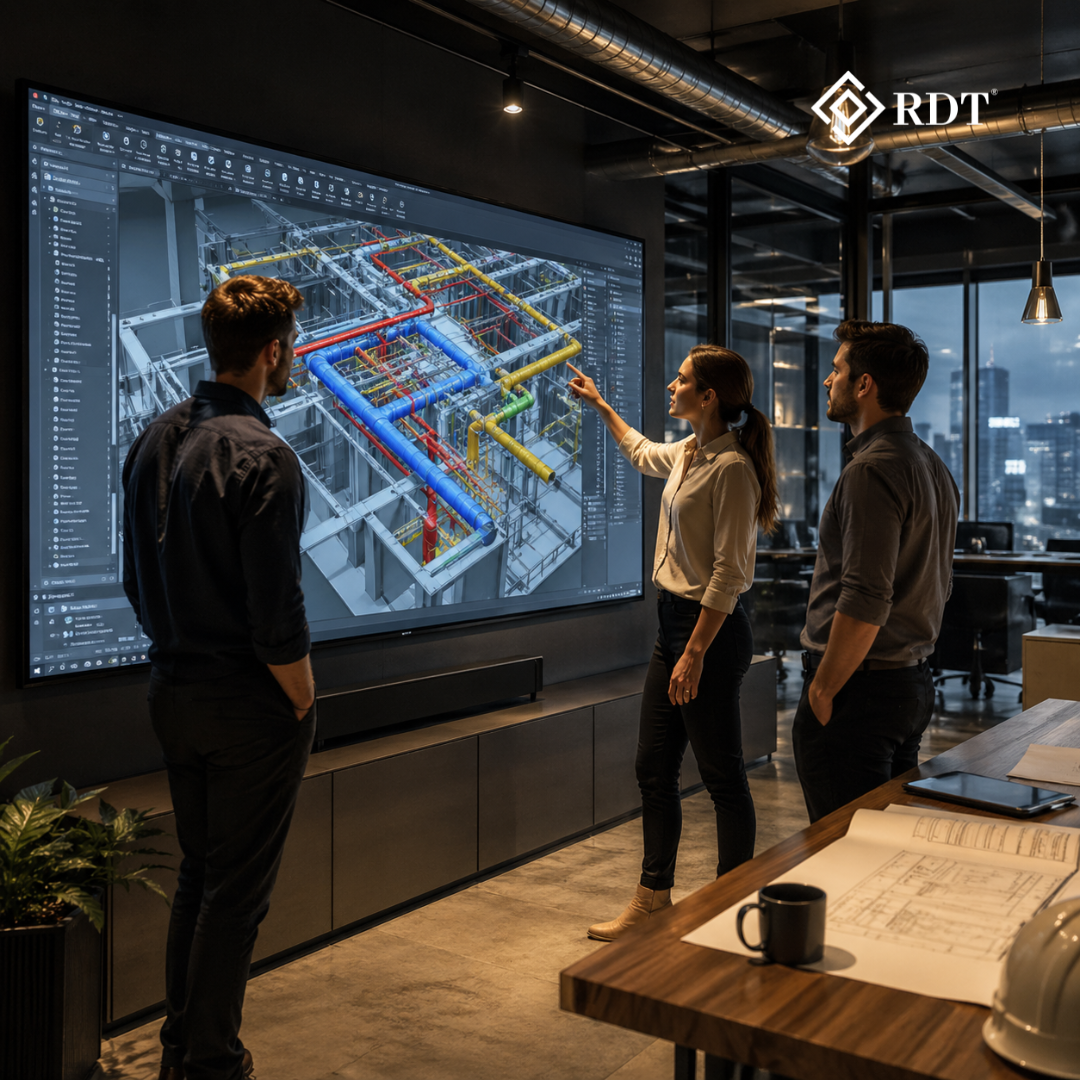
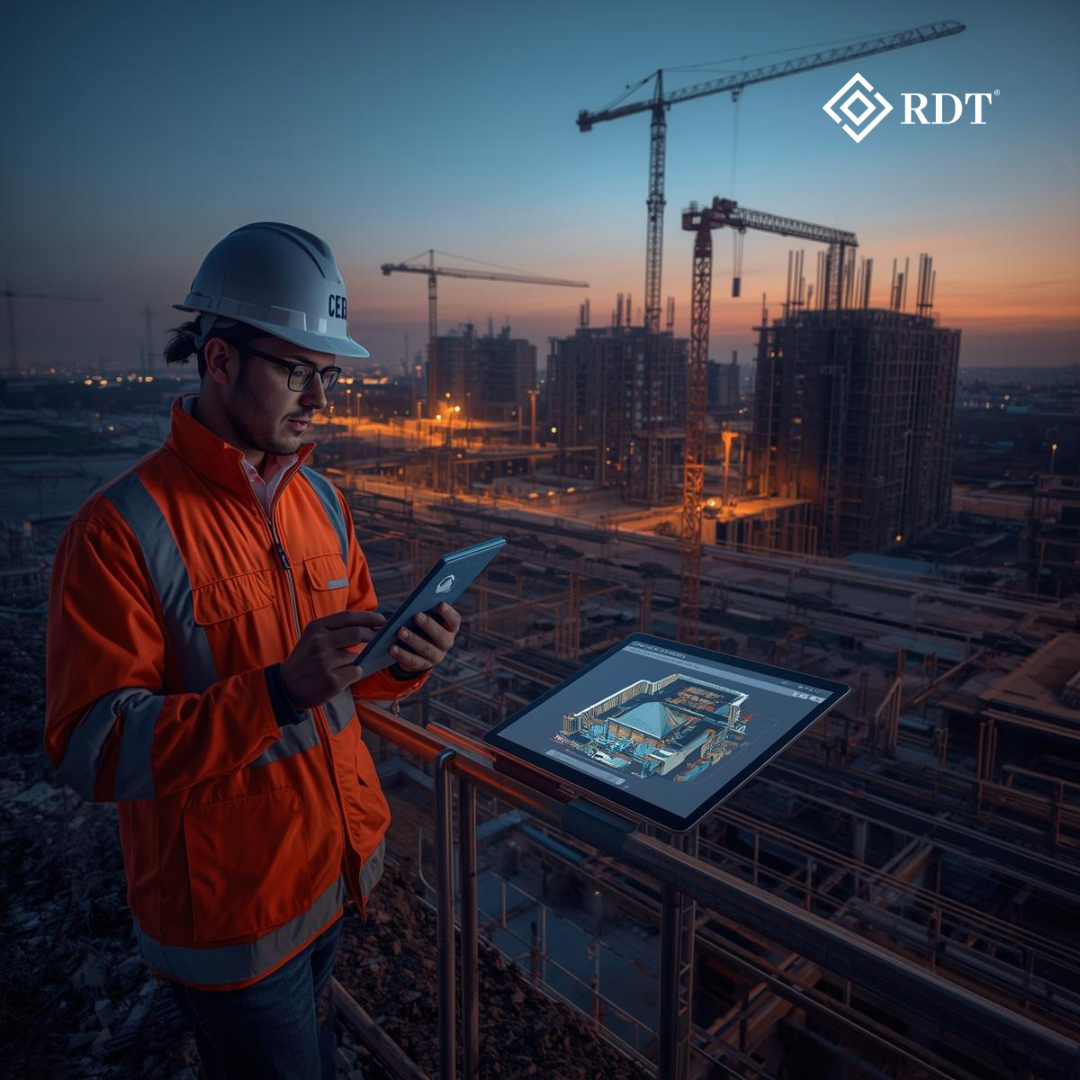
Instead of waiting for conflicts to show up during execution, they focus on identifying them during planning. Their use of Building Information Modeling isn’t about making projects look impressive. It’s about understanding how everything actually fits together.
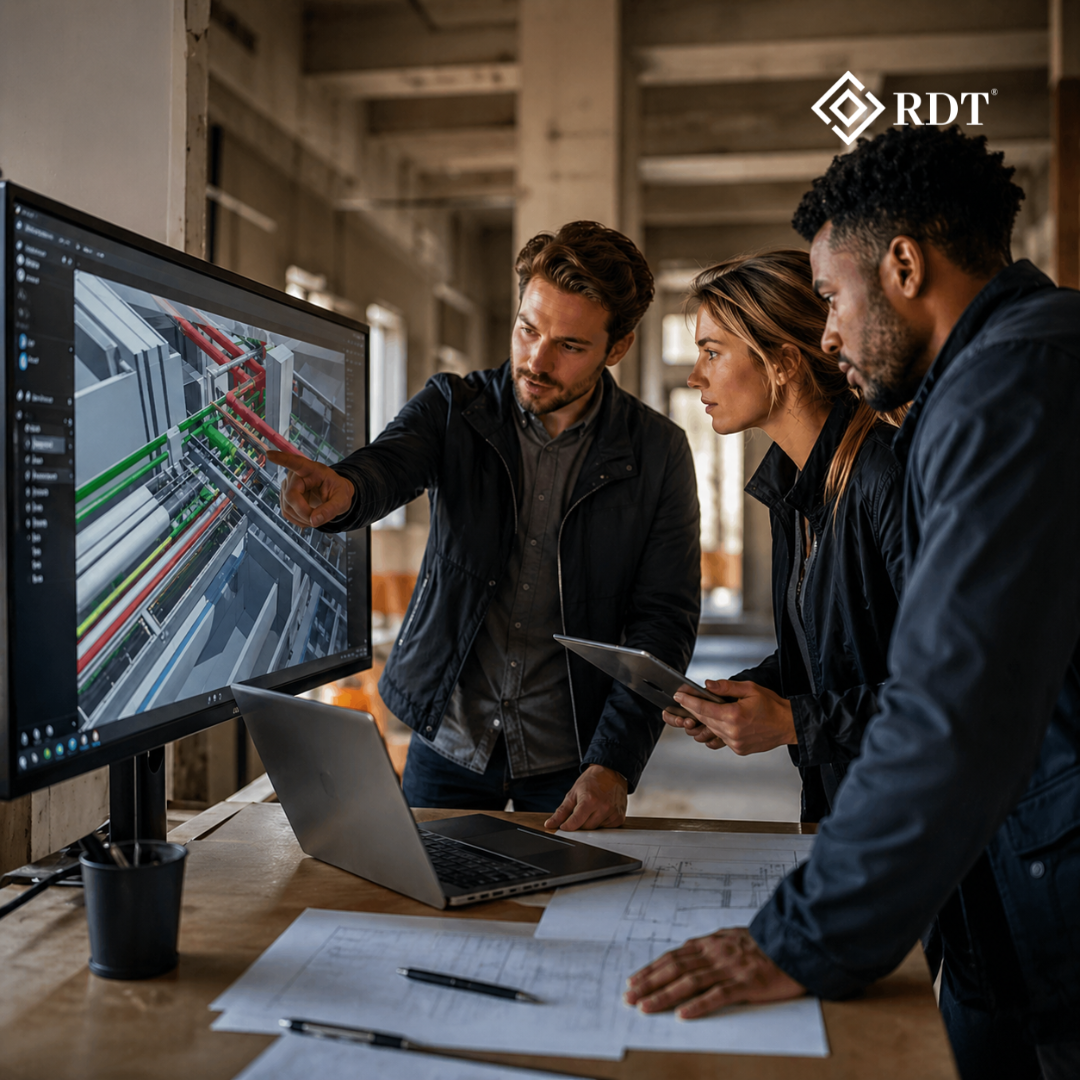
When systems clash, it shows. When access becomes tight, it’s obvious. When something doesn’t make practical sense, it gets flagged before anyone wastes time building it.
Fixing a digital issue takes minutes. Fixing it on site can take weeks.
Making the Project Easier to Understand
One of the quieter problems in construction is misunderstanding. Drawings can be technically correct and still confusing. Different teams read them differently. Assumptions creep in.
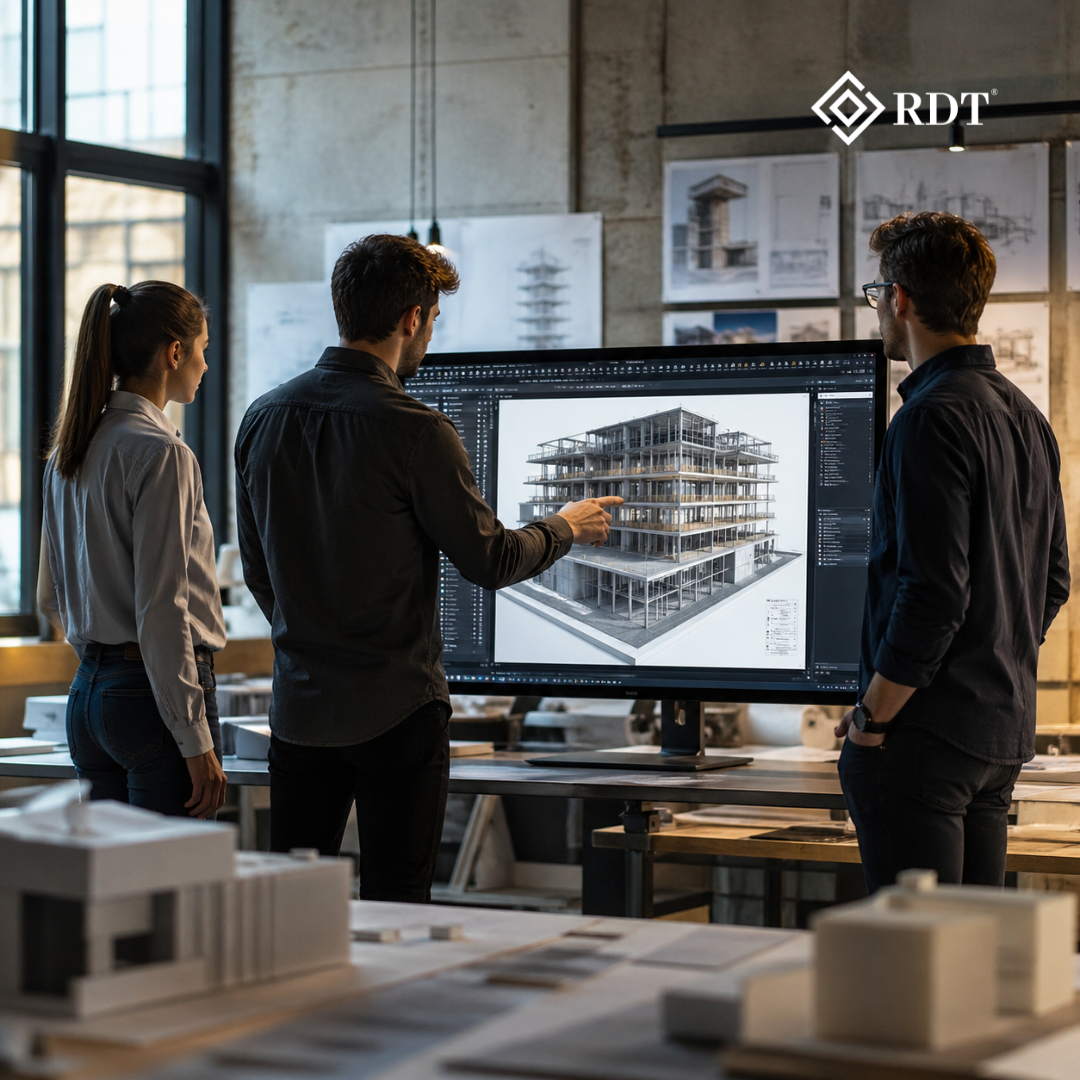
RDT Technology reduces this gap by helping teams see the project, not just study it. Through realistic visual models, everyone gets the same picture—literally.
You don’t need to imagine how spaces connect. You can walk through them. You don’t need to guess how systems interact. You can see it.
That shared understanding saves countless conversations later.
Learning From What’s Already Happened
No two projects are identical, but patterns repeat. Certain issues show up again and again. RDT Technology uses this knowledge instead of ignoring it.
By studying past work and real site behavior, they help teams plan more realistically. Risks are identified based on experience, not assumptions. Resources are assigned where they’re actually needed.
Documentation stays organized. Approvals don’t get lost. Compliance is tracked instead of chased.
It’s not flashy. It’s just effective.
Tools Don’t Solve Problems. People Do.
Technology helps, but it only works if people know how to use it properly.
RDT Technology spends time making sure teams understand what the models are telling them. Not just how to open files—but how to read situations, spot risks, and act early.
Once teams start trusting the process, collaboration improves naturally. Decisions happen sooner. Arguments happen less.
The job feels calmer. More predictable.
What This Looks Like on Site
I’ve seen projects where early modeling exposed issues that would’ve caused serious disruption later. Things that, in traditional workflows, would only surface during installation.
Instead of stopping work, teams adjusted plans early. Construction continued without drama. No rushed fixes. No blame games.
That’s the real value.
It’s not about speed alone. It’s about steadiness. About building without constantly reacting.
Safety improves too. When hazards are considered early, they don’t turn into incidents later. Quality improves because teams aren’t racing to recover lost time.
A Different Way of Working
Construction has always been reactive. Something breaks, someone fixes it. That mindset is deeply ingrained.
RDT Technology challenges that approach.
When teams start planning with foresight, everything shifts. Schedules feel more realistic. Budgets stop surprising people. The work becomes more intentional.
Instead of guessing what might go wrong, teams know where to look.
Why This Approach Matters Now
Projects today are bigger and more interconnected than ever. More consultants. More systems. More pressure.
Old methods can’t keep up with that complexity.
RDT Technology helps bring control back into the process—not by adding more noise, but by creating clarity. Their work isn’t about showing how advanced the tools are. It’s about making projects easier to execute.
Closing Thought
Most construction problems in the AEC industry don’t come from carelessness. They come from late discovery.
When you can see issues early, they lose their power. They become choices instead of crises.
RDT Technology helps teams reach that point—where planning feels informed, execution feels steady, and projects move forward with fewer surprises.
That’s not magic. That’s just seeing things in time.