The Architecture Engineering and Construction (AEC industry) is experiencing a profound transformation. For decades, projects were delivered through fragmented workflows where each phase operated almost independently. Architects completed designs, engineers developed technical systems, contractors executed construction, and facility managers inherited the finished asset with limited insight into its development history. Information was exchanged in disconnected formats, often resulting in inconsistencies, delays, and inefficiencies.
Today, the industry is moving toward a more integrated approach known as the end to end digital lifecycle. This shift connects every stage of a project through a continuous digital framework, allowing information to flow seamlessly from concept and design to construction and long term operations. The result is greater transparency, stronger coordination, improved cost control, and smarter asset management.
This evolution is not simply about adopting new software. It represents a fundamental rethinking of how projects are planned, delivered, and sustained.
The Limitations of Traditional Project Delivery
Historically, AEC projects relied heavily on 2D drawings, manual coordination, and isolated documentation systems. Each discipline created its own set of deliverables, and collaboration often occurred through file exchanges rather than shared platforms. When design changes were introduced, they required multiple revisions across teams. Misalignment between drawings frequently went unnoticed until construction was underway.
These traditional practices led to several recurring challenges.
Design conflicts discovered during site execution
Unpredictable cost overruns
Schedule delays caused by coordination gaps
Material wastage due to inaccurate quantity estimates
Incomplete or inconsistent handover documentation
Limited operational visibility for facility managers
As projects grew more complex and stakeholder expectations increased, these inefficiencies became harder to manage. Clients began demanding better predictability, greater accountability, and higher performance standards.
Defining End to End Digital Lifecycles
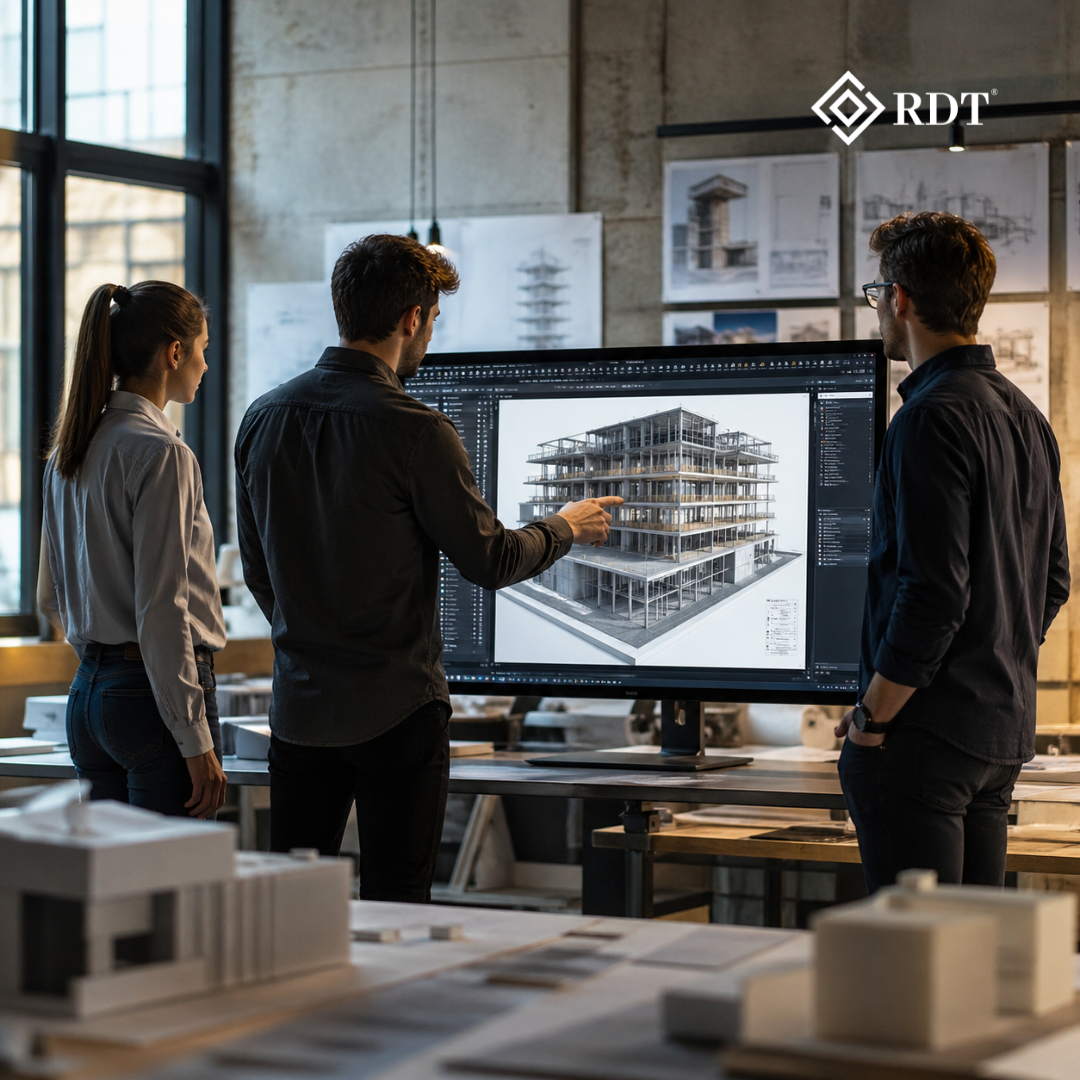
An end to end digital lifecycle approach integrates data, processes, and stakeholders across the entire lifespan of a built asset. It ensures that information created during early design remains accessible and usable during construction and operations. Instead of isolated project phases, teams operate within a connected digital environment.
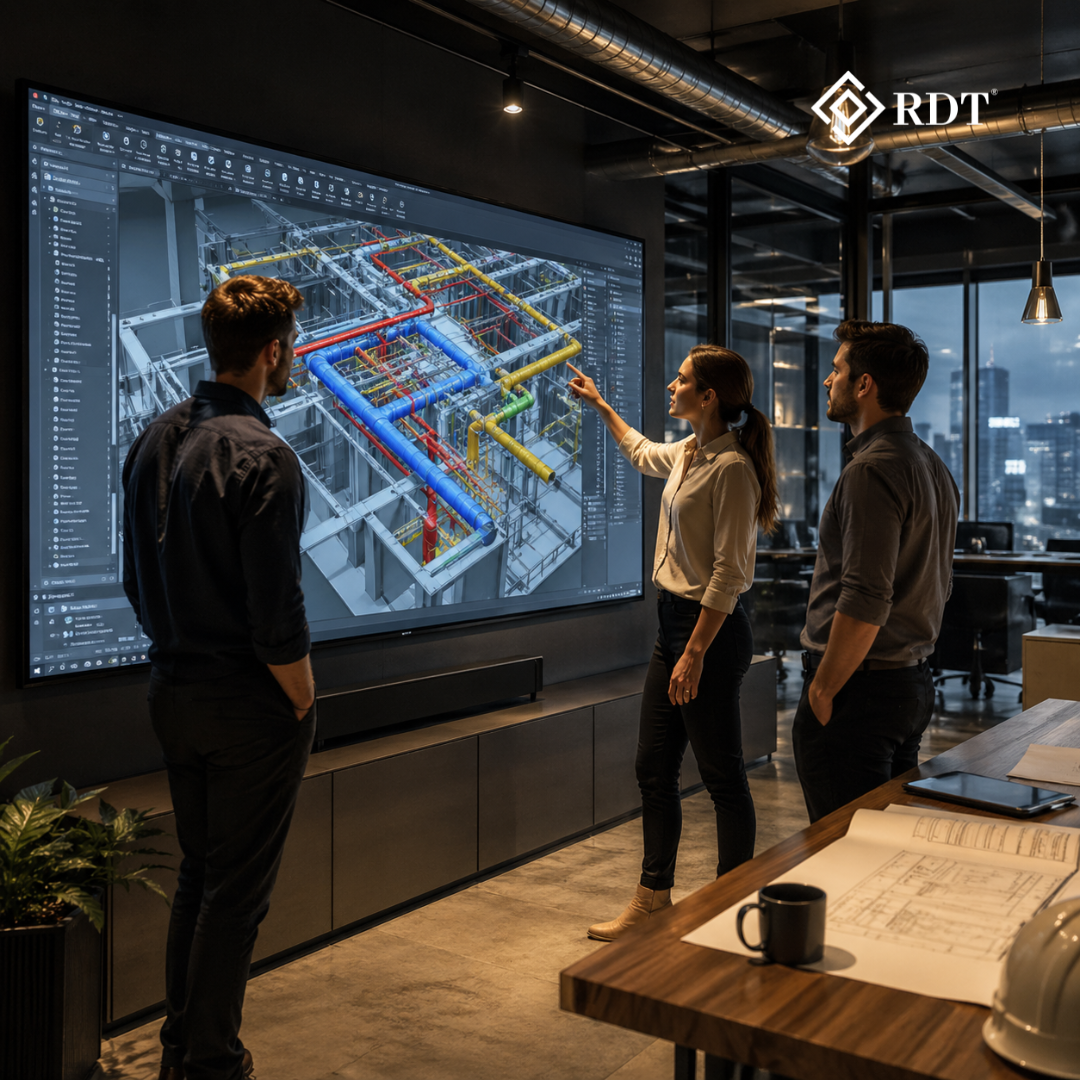
This model relies on intelligent digital tools that centralize project data. Building Information Modeling plays a foundational role by creating detailed 3D models enriched with specifications, quantities, scheduling information, and cost parameters. These models evolve as the project progresses, forming a reliable digital record of the asset.
The lifecycle does not stop at project completion. The same digital data continues to support maintenance planning, performance monitoring, and future renovations.
Strengthening Design Coordination
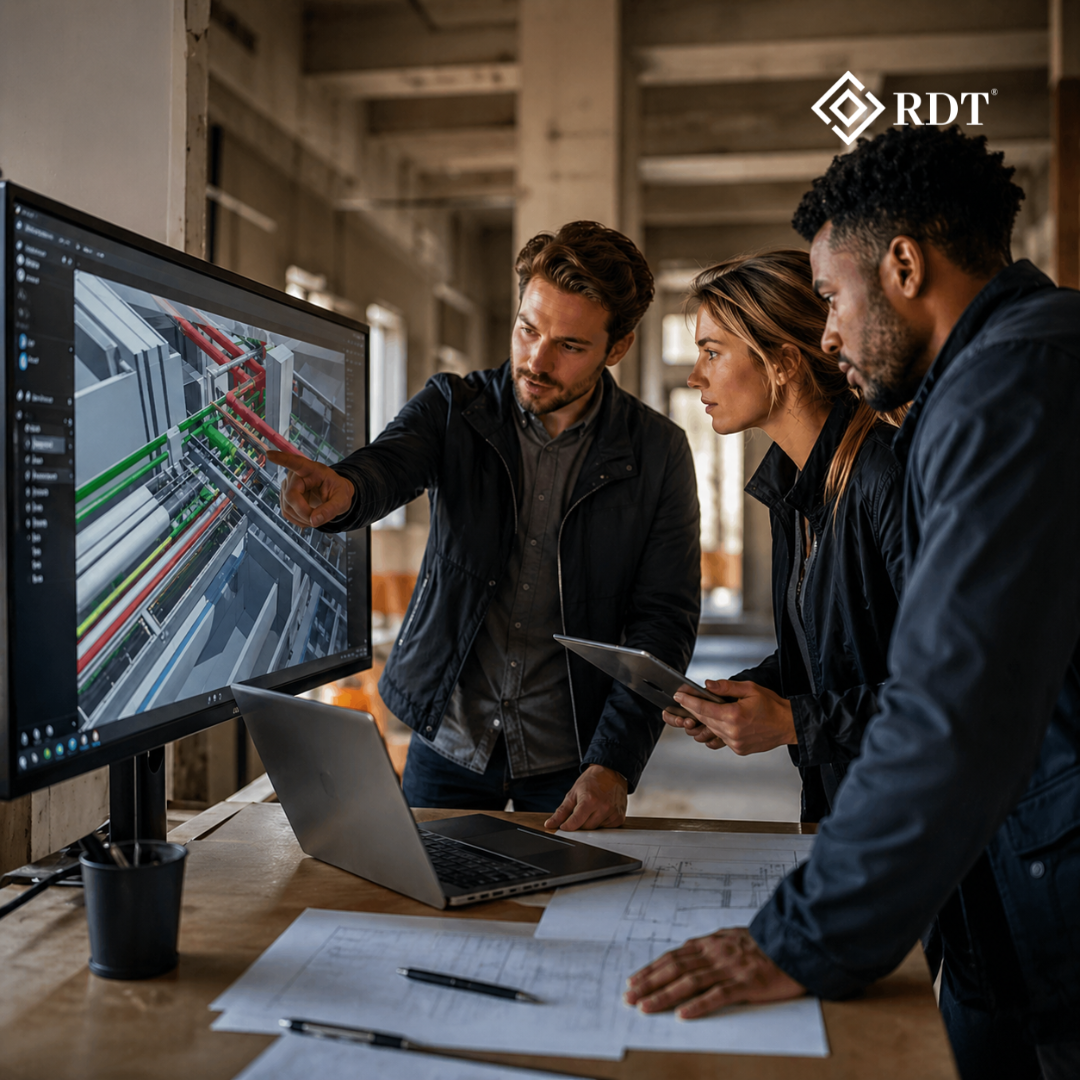
One of the most immediate benefits of digital lifecycle integration is improved coordination during design. Architectural, structural, and MEP systems can be developed within a shared environment. Conflicts are identified virtually rather than on site.
Clash detection tools allow teams to resolve interferences before construction begins. This proactive approach reduces costly rework and protects project timelines. Design revisions can be tracked and documented systematically, minimizing confusion among stakeholders.
Because everyone works from a centralized source of information, the risk of outdated drawings circulating across teams is significantly reduced. Clear version control enhances accountability and strengthens collaboration.
Aligning Construction with Digital Planning
In traditional workflows, there was often a disconnect between design intent and construction reality. Contractors interpreted drawings independently, and field conditions introduced unforeseen complications. Changes were sometimes poorly documented, leading to discrepancies between design documents and the built structure.
With an end to end digital approach, construction teams have direct access to coordinated models. Scheduling data can be linked to project elements, enabling visual simulation of construction sequences. This allows teams to anticipate site logistics challenges and optimize resource allocation.
Quantity takeoffs derived directly from digital models improve procurement accuracy. Cost implications of design changes can be assessed quickly, allowing project managers to make informed decisions before budgets are affected.
This integration creates stronger alignment between planning and execution, leading to greater predictability and efficiency.
Improving Cost and Schedule Control
Cost overruns and delays have long been persistent concerns in the AEC sector. Digital lifecycle management introduces data driven oversight that enhances financial and timeline control.
When cost data is integrated into the project model, budget performance becomes transparent. Decision makers can evaluate the impact of material changes, scope adjustments, or schedule modifications in real time. This level of visibility supports proactive management rather than reactive problem solving.
Linking project timelines to digital models provides a clear representation of progress. Teams can compare planned milestones with actual performance and address deviations early. This transparency builds trust among stakeholders and strengthens overall project governance.
Enhancing Collaboration and Communication
Effective collaboration is essential for successful project delivery. Digital lifecycles foster collaboration by creating shared environments where stakeholders can access up to date information at any time.
Cloud based platforms enable distributed teams to work together without geographical limitations. Comments, updates, and approvals can be managed within the system, reducing reliance on lengthy email chains. Communication becomes more structured and traceable.
This connected environment encourages transparency and accountability. Each stakeholder understands their responsibilities and has access to accurate information. As a result, misunderstandings decrease and coordination improves significantly.
Delivering Value Beyond Construction
The operational phase of a building often represents the majority of its lifecycle cost. Yet in traditional delivery models, facility managers frequently received incomplete or unstructured documentation at handover.
End to end digital lifecycles change this dynamic. The digital model developed during design and construction can transition into an operational resource. It contains asset information, equipment specifications, maintenance schedules, and performance data.
Facility managers can use this structured information to plan preventive maintenance, monitor system performance, and optimize energy usage. Instead of reacting to issues after they arise, teams can adopt predictive strategies supported by reliable data.
This continuity enhances long term asset value and supports more sustainable operations.
Supporting Sustainability Goals
Sustainability has become a strategic priority across the AEC industry. Clients and regulators increasingly expect projects to meet environmental performance standards.
Digital lifecycle integration supports sustainability by enabling accurate energy analysis during the design stage. Material quantities can be tracked to reduce waste. Carbon impact assessments can be performed with greater precision.
During operations, performance metrics can be monitored to identify efficiency improvements. Data driven insights allow organizations to make informed decisions that reduce environmental impact while maintaining occupant comfort.
By embedding sustainability within the digital framework, organizations can meet regulatory requirements and corporate responsibility goals more effectively.
Strengthening Risk Management
Risk is inherent in construction, but digital lifecycles provide tools to manage it more effectively. Early detection of design conflicts reduces the likelihood of costly site issues. Transparent documentation limits contractual disputes.
Scenario analysis allows teams to test alternative approaches before committing resources. Predictive maintenance strategies reduce the risk of unexpected system failures during operations.
This comprehensive visibility strengthens resilience and enables organizations to navigate complex projects with greater confidence.
Driving Cultural and Organizational Change
Adopting an end to end digital lifecycle approach requires more than technology investment. It demands cultural transformation. Teams must embrace collaboration, standardized processes, and continuous learning.
Leadership plays a critical role in driving this change. Clear digital strategies, structured training programs, and defined workflows help organizations transition smoothly. When stakeholders understand the long term benefits of integration, adoption becomes more sustainable.
Industry trends indicate that clients increasingly prioritize digital capabilities when selecting partners. Firms that demonstrate integrated lifecycle expertise gain a competitive advantage.
Building a Future Ready Industry
The future of the AEC industry is undeniably digital. As urban development accelerates and infrastructure demands expand, projects will continue to grow in complexity. Managing this complexity requires structured information and connected workflows.
End to end digital lifecycles provide the foundation for smarter project delivery. They eliminate fragmentation, enhance transparency, and extend value beyond construction. By maintaining continuity of data from concept to operations, organizations unlock new opportunities for efficiency and innovation.
The transformation is already underway. Companies that embrace integration today are positioning themselves to lead tomorrow.
Conclusion
End to end digital lifecycles are transforming the AEC industry because they address longstanding inefficiencies at their core. They connect design, construction, and operations within a unified digital ecosystem. They empower stakeholders with accurate information, real time insights, and measurable performance indicators.
This approach replaces reactive problem solving with proactive planning. It strengthens collaboration, improves financial control, and enhances long term asset management. As expectations for quality, sustainability, and transparency continue to rise, integrated digital delivery will become the standard rather than the exception.
Organizations that invest in lifecycle integration today are shaping a more efficient, resilient, and intelligent built environment for the future.
If you are ready to elevate your projects through fully integrated digital workflows, RDT Technology is here to support you. Our expertise in BIM driven lifecycle management ensures seamless coordination from design to construction and beyond. Partner with RDT Technology to unlock greater efficiency, reduce risk, and build with confidence in a truly connected digital environment.