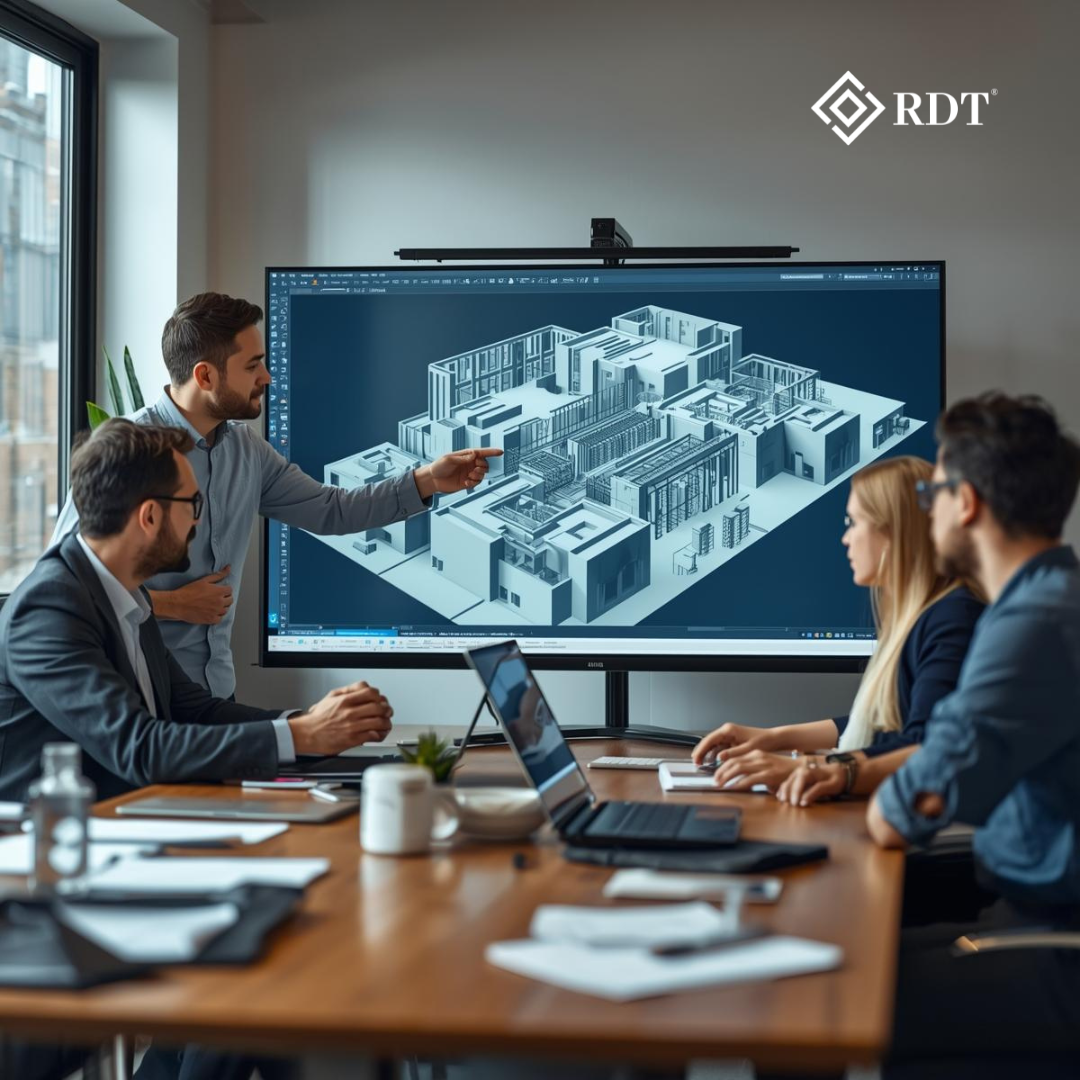
The construction industry is experiencing one of the most significant transitions in its history. For decades, Architecture, Engineering, and Construction firms relied on experience, relationships, and manual coordination to deliver projects. While those foundations remain important, they are no longer enough. Today’s projects are larger, more complex, more regulated, and more time sensitive than ever before. Clients expect precision, speed, transparency, and cost certainty from day one.
In this evolving environment, AEC firms with strong technology teams are positioning themselves as industry leaders. They are not simply using software as a support function. They are building integrated digital ecosystems that guide decision making, streamline workflows, and reduce risk across every stage of the project lifecycle. These firms are redefining what efficiency and excellence look like in modern construction.
The Shift from Traditional Processes to Digital Leadership
Construction was once seen as one of the least digitized industries. Paper drawings, fragmented communication, and reactive problem solving were common realities. Even as software tools emerged, many firms treated them as optional enhancements rather than core strategic assets.
That mindset has changed dramatically. Digital modeling, cloud collaboration, data analytics, and automation are now central to competitive advantage. Firms that embed technology deeply into their operations are seeing measurable improvements in coordination, cost control, and delivery speed.
A strong tech team is not limited to IT support. It includes BIM specialists, data analysts, automation experts, visualization professionals, and software integration engineers. These professionals work alongside architects and engineers to ensure that every design decision is backed by data and every workflow is optimized.
Building Information Modeling as a Strategic Backbone
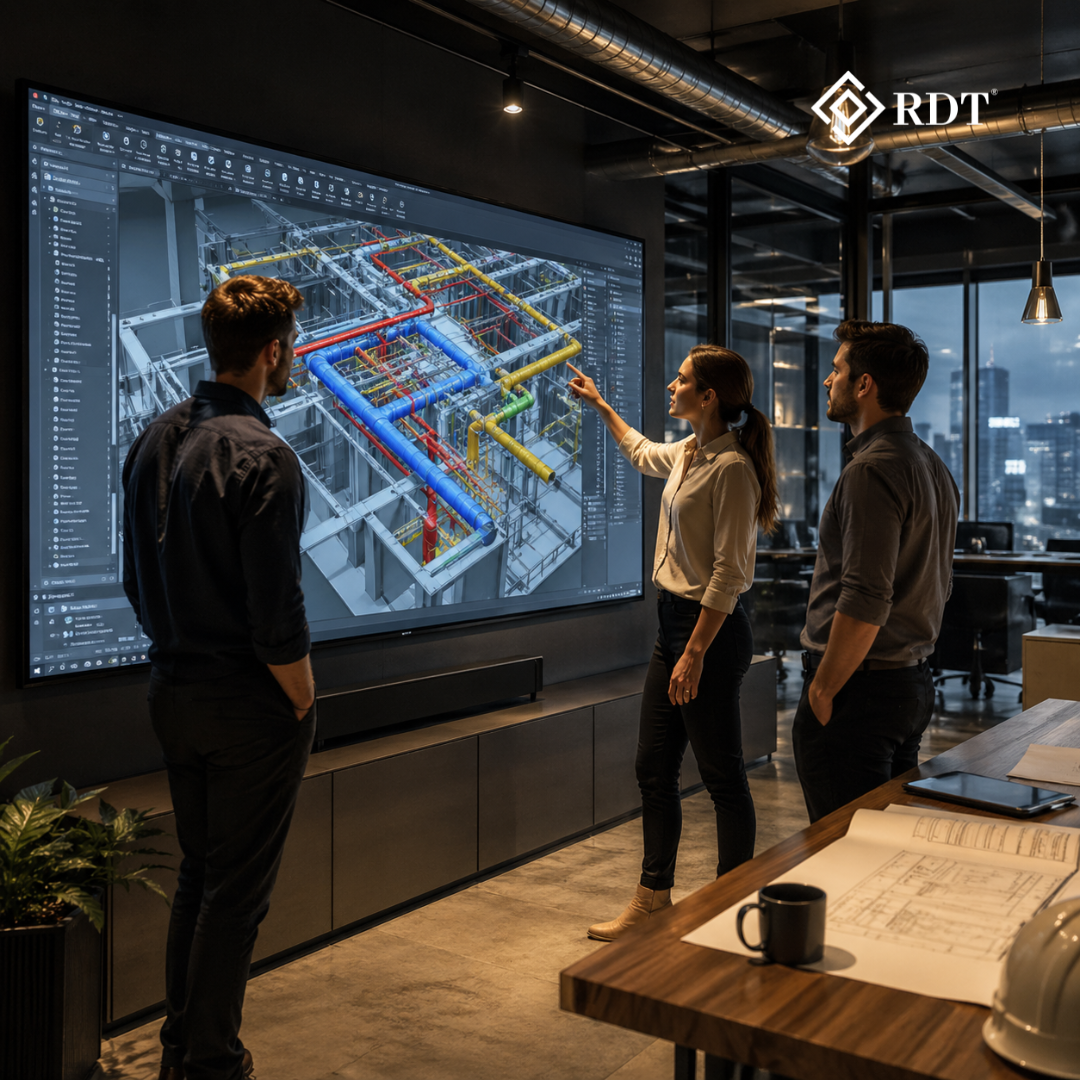
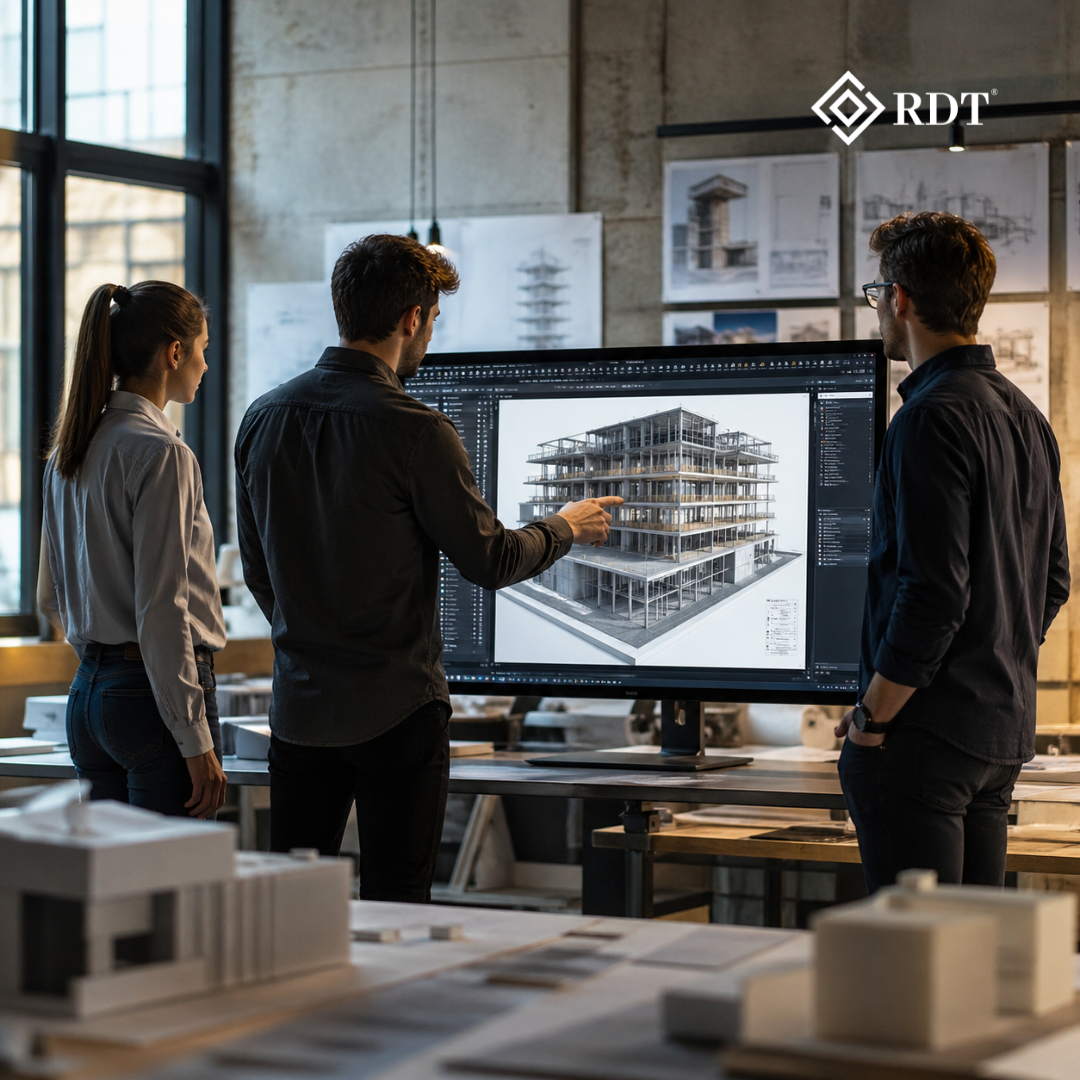
One of the clearest examples of technological leadership in AEC is the adoption of Building Information Modeling. BIM is no longer just a 3D modeling tool. It has evolved into a comprehensive framework for managing information throughout the project lifecycle.
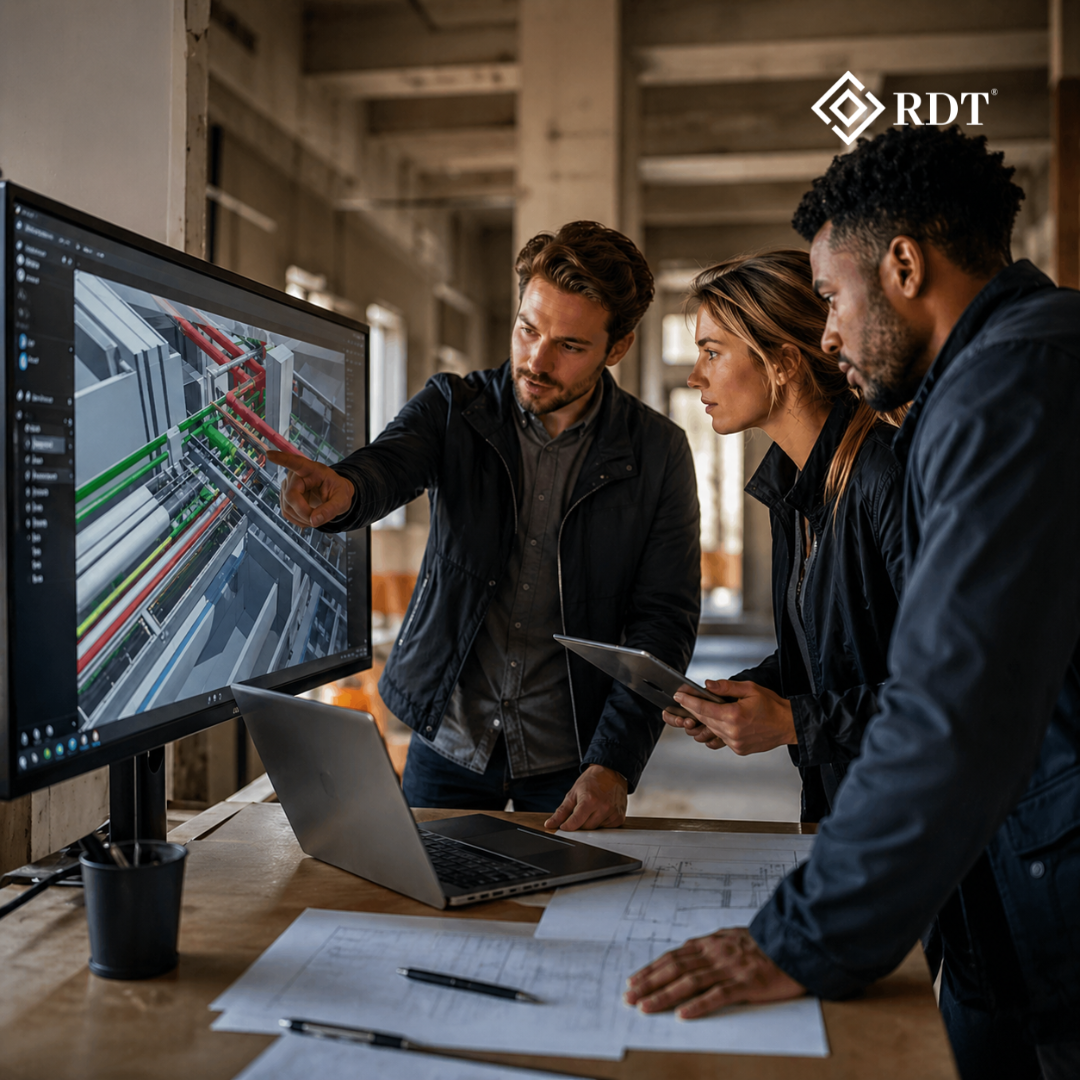
Firms that invest in experienced BIM managers and modelers gain significant advantages. They detect clashes before construction begins. They coordinate multidisciplinary designs in real time. They generate accurate quantities and cost estimates. They simulate construction sequencing to identify potential delays.
When BIM is supported by a capable tech team, it becomes a strategic asset rather than a drafting exercise. Models are connected to scheduling tools, cost databases, and facility management systems. This integration transforms static drawings into dynamic project intelligence.
Data Driven Decision Making
Modern construction projects generate massive amounts of data. Design revisions, material specifications, site reports, procurement schedules, safety inspections, and financial records all contribute to an expanding digital footprint.
AEC firms with strong technology teams know how to harness this data effectively. They build dashboards that provide real time visibility into project performance. They analyze trends to forecast risks before they escalate. They use historical data to improve future bids and resource planning.
This data driven approach reduces guesswork. Instead of reacting to problems on site, firms anticipate them during planning stages. Instead of relying solely on intuition, leaders make informed decisions based on measurable insights.
Over time, this discipline builds a culture of accountability and continuous improvement.
Enhancing Collaboration Across Disciplines
Construction projects bring together architects, structural engineers, MEP consultants, contractors, subcontractors, and suppliers. Miscommunication between these parties is one of the leading causes of delays and cost overruns.
Technology driven firms address this challenge through integrated collaboration platforms. Cloud based environments allow teams to access updated models and drawings from anywhere. Version control reduces confusion. Shared data environments ensure that everyone is working from the same source of truth.
A dedicated tech team manages these platforms, sets protocols, and ensures compliance with digital standards. This structured approach prevents information silos and fosters seamless coordination.
The result is fewer conflicts on site and smoother project execution.
Improving Client Confidence and Transparency
Today’s clients are more informed and demanding than ever. They want visibility into progress, clarity on costs, and assurance that their investment is protected.
Firms with strong technology capabilities can provide detailed visualizations, progress simulations, and accurate reporting. High quality 3D renders help clients understand the final outcome long before construction begins. Phasing simulations demonstrate how the project will unfold. Cost dashboards show where budgets stand in real time.
This transparency builds trust. Clients feel involved and informed rather than uncertain and reactive. Over time, this trust translates into repeat business and long term partnerships.
Accelerating Project Timelines
Time is one of the most valuable resources in construction. Delays increase costs and damage reputations. Technology empowered firms use digital planning tools to optimize schedules from the outset.
Clash detection reduces rework. Automated quantity takeoffs save days of manual calculations. Digital approvals speed up review cycles. Mobile site applications streamline reporting and communication.
When these efficiencies compound across the project lifecycle, they significantly shorten delivery timelines. Faster completion not only benefits clients but also improves cash flow and profitability for the firm.
Attracting and Retaining Top Talent
The next generation of architects and engineers expects to work with modern tools. Young professionals are comfortable with digital platforms and are motivated by innovation.
Firms that invest in technology create environments where talent thrives. Employees gain opportunities to learn advanced modeling, data analytics, and automation skills. They work on projects that leverage cutting edge workflows rather than outdated processes.
A strong tech team also provides training and mentorship, helping professionals expand their capabilities. This commitment to innovation enhances job satisfaction and reduces turnover.
In a competitive talent market, technological maturity becomes a powerful differentiator.
Managing Risk More Effectively
Risk management is central to construction success. Design errors, safety incidents, cost overruns, and contractual disputes can severely impact profitability.
Technology helps mitigate these risks at multiple levels. Detailed models reduce design inconsistencies. Simulation tools test structural performance before physical execution. Data tracking identifies deviations from schedule and budget early.
Advanced analytics can even assess patterns in past projects to identify recurring challenges. By learning from previous experiences, firms strengthen future outcomes.
A well structured tech team ensures that risk management tools are properly implemented and continuously refined.
Supporting Sustainable Construction
Sustainability is no longer optional. Environmental regulations, energy performance standards, and client expectations demand responsible design and construction practices.
Technology enables accurate energy modeling, material analysis, and lifecycle assessments. Digital simulations help evaluate daylight performance, thermal behavior, and carbon impact. This insight allows design teams to optimize sustainability strategies before construction begins.
AEC firms that integrate sustainability analytics into their digital workflows are better equipped to meet regulatory requirements and deliver environmentally responsible projects.
Competing in a Global Market
Construction is increasingly global. International collaborations, cross border investments, and multinational clients are common realities.
Technology driven firms are better prepared to operate in this global environment. Cloud collaboration platforms allow teams to work across time zones. Standardized digital protocols ensure consistency regardless of location. Secure data management protects sensitive information.
A strong tech infrastructure supports scalability. Firms can take on larger and more complex projects without losing control over coordination.
The Strategic Advantage of Internal Tech Leadership
Some firms outsource technology management entirely. While outsourcing can provide support, it often lacks strategic alignment with core operations.
Firms that build internal technology teams gain deeper integration. Their tech professionals understand project workflows intimately. They collaborate daily with designers and engineers. They tailor solutions specifically to the firm’s objectives.
This internal leadership creates agility. When challenges arise, solutions can be implemented quickly without waiting for external consultants. Continuous improvement becomes embedded in company culture.
Preparing for the Future
Emerging technologies such as digital twins, predictive analytics, robotics, and advanced automation are reshaping the industry. The firms that will benefit most from these innovations are those that already have strong technology foundations.
A capable tech team evaluates new tools carefully, tests pilot programs, and integrates successful solutions into existing workflows. They ensure that innovation serves practical goals rather than becoming a distraction.
The future of construction will reward firms that combine technical expertise with digital intelligence. Those who resist change risk falling behind in efficiency, profitability, and reputation.
Conclusion
The construction industry stands at a pivotal moment. Complexity is increasing. Expectations are rising. Margins are tightening. In this environment, traditional approaches alone are insufficient.
AEC firms with strong technology teams are redefining industry standards. They leverage data to guide decisions. They enhance collaboration through digital platforms. They reduce risk through advanced modeling. They deliver transparency that builds client trust. They attract talent and support sustainable design.
Technology is no longer a support function. It is a strategic driver of growth and resilience.
Firms that invest in building and empowering capable tech teams today will lead the construction landscape tomorrow.
Partner with a Technology Driven AEC Leader
If you are ready to elevate your projects with precision, efficiency, and digital excellence, RDT Technology is here to support your vision. Our expert team integrates advanced BIM workflows, data driven coordination, and high performance visualization to help you deliver complex developments with confidence. Connect with RDT Technology today and build the future with a smarter approach.