Industrial construction projects demand a level of precision that leaves no room for error. Whether it is a manufacturing plant, processing facility, or large scale warehouse, every system must function seamlessly within a tightly coordinated environment. Accuracy in Industrial Construction is not just a technical requirement, it is the foundation of safety, efficiency, and long term performance. Even a minor miscalculation can lead to costly delays, operational disruptions, or safety risks. This is where Building Information Modeling has become an essential part of modern construction practices, offering a smarter way to manage complexity while improving both coordination and precision.
Understanding the Complexity of Industrial Projects
Industrial construction is inherently complex due to the integration of multiple systems within a confined space. Structural frameworks, mechanical systems, piping networks, and electrical layouts must all coexist without conflict. Each discipline operates with its own design priorities, but the final outcome depends on how well these elements are aligned.
Traditional construction methods often rely on separate drawings and documentation created by different teams. While this approach has been used for decades, it often results in inconsistencies and gaps in communication. These gaps can lead to clashes between systems, misinterpretations of design intent, and costly changes during construction.
Building Information Modeling addresses these challenges by creating a unified digital environment where all project data is stored and managed. This approach allows teams to collaborate more effectively and ensures that every detail is accounted for before construction begins.
Creating a Single Source of Project Information
One of the most significant advantages of BIM is its ability to act as a centralized repository of information. Instead of managing multiple versions of drawings and documents, all project stakeholders work within a single coordinated model. This model contains detailed information about every component, from structural elements to mechanical systems.
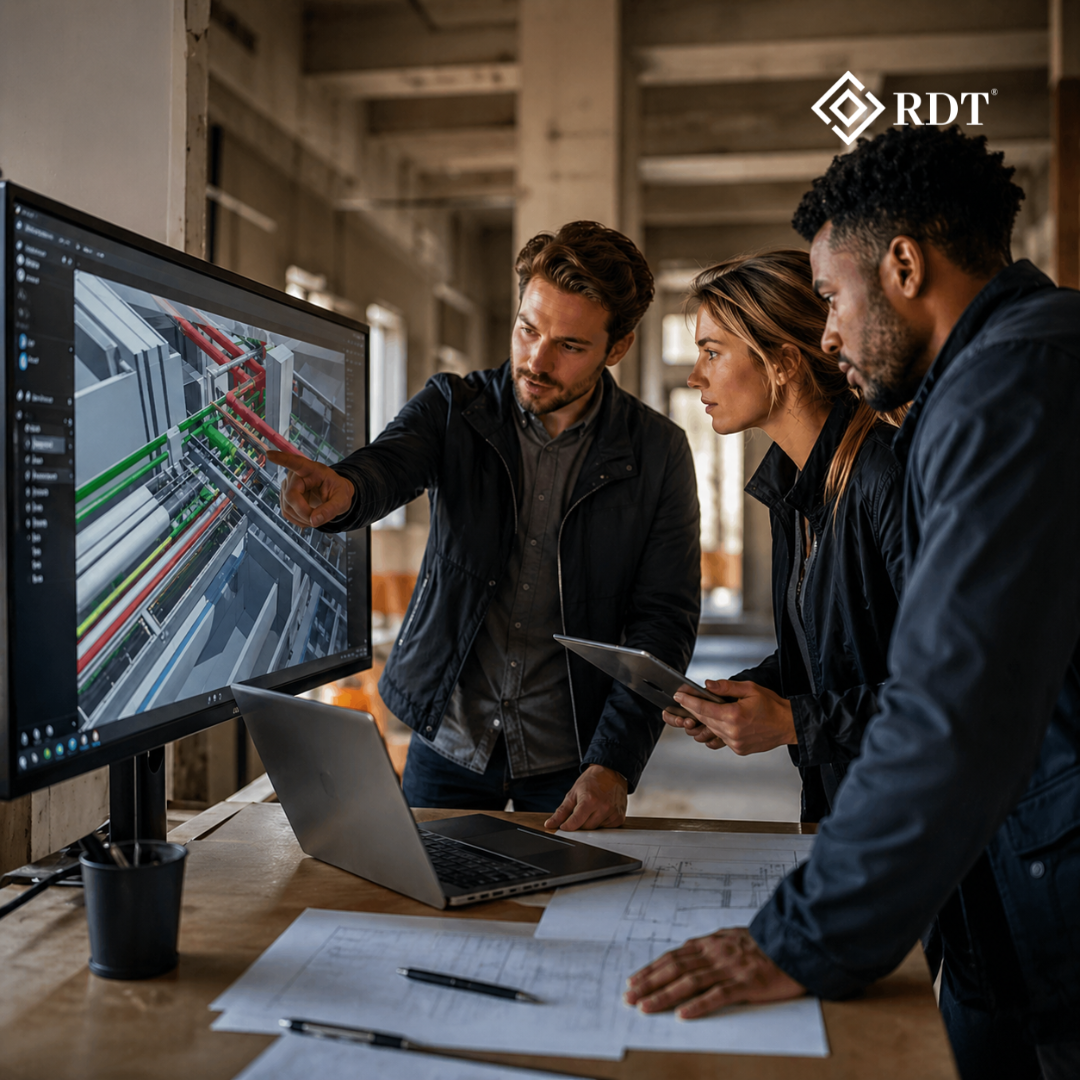
When all teams access the same data, coordination improves naturally. Changes made by one discipline are immediately visible to others, reducing the risk of miscommunication. This real time collaboration ensures that everyone is aligned with the project requirements and working towards the same objectives.
In industrial construction, where precision is critical, having a reliable source of information is essential. BIM eliminates confusion and provides a clear and accurate representation of the project at every stage.
Early Detection of Design Conflicts
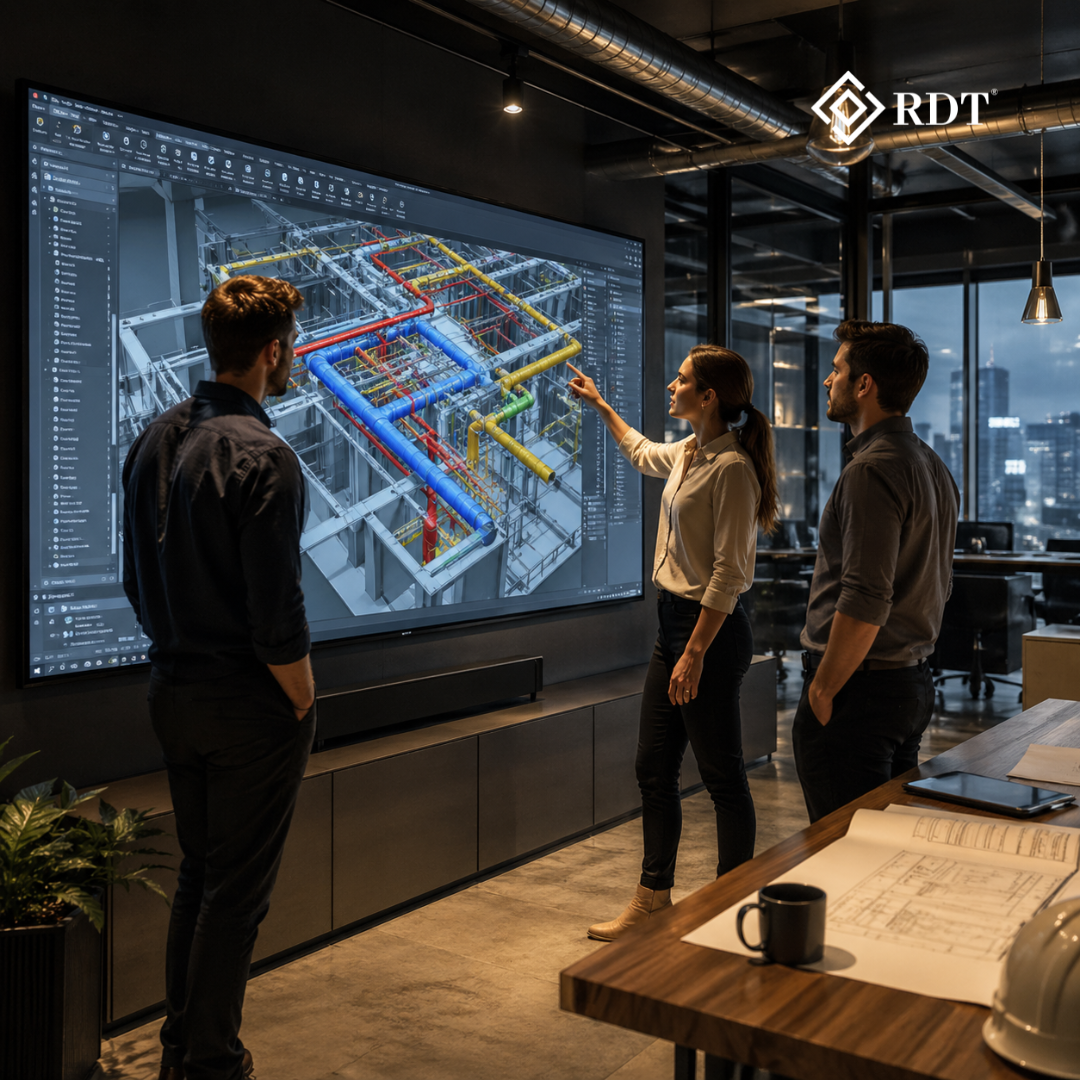
One of the most powerful features of BIM is its ability to identify design conflicts before they become problems on site. Clash detection tools allow teams to analyze the model and detect any interference between systems.
For example, if a pipeline intersects with a structural beam or an electrical conduit overlaps with a ventilation system, the issue can be identified and resolved during the design phase. This proactive approach prevents costly rework and ensures that construction can proceed without interruptions.
In industrial projects, where systems are densely packed and highly interdependent, early conflict detection is critical. It allows teams to refine the design until it is fully coordinated and ready for execution.
Enhancing Communication and Collaboration
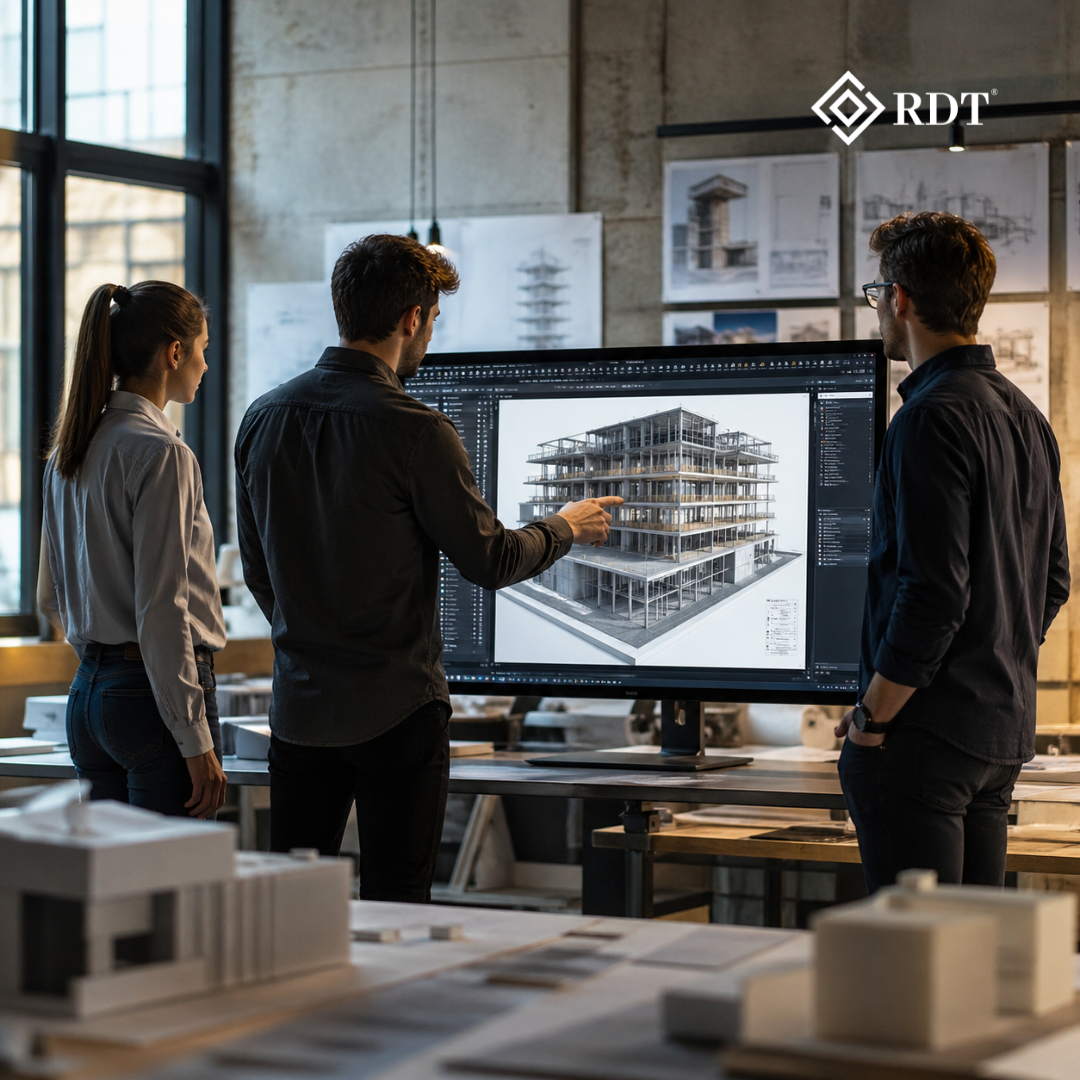
Effective communication is essential for successful project coordination. BIM provides a visual platform that makes it easier for teams to understand and interact with the design. Instead of relying solely on technical drawings, stakeholders can explore a three dimensional model that clearly illustrates how the project will come together.
This visual clarity improves collaboration across all disciplines. Engineers, contractors, and project managers can discuss design elements in a more intuitive way, leading to better decision making. Even clients and non technical stakeholders can gain a clear understanding of the project, which helps in aligning expectations.
By improving communication, BIM reduces misunderstandings and ensures that all teams are working in sync. This level of coordination is especially important in industrial construction, where even small errors can have significant consequences.
Achieving Higher Levels of Accuracy
Accuracy is at the core of successful industrial construction. Every component must be designed and installed with precision to ensure proper functionality. BIM supports this requirement by enabling detailed modeling of all building elements.
Each object within the BIM model is defined by exact dimensions and specifications. This level of detail ensures that the design closely reflects real world conditions. When construction begins, there are fewer uncertainties, and the risk of errors is significantly reduced.
BIM also allows for the integration of product data from manufacturers. This ensures that all components are compatible and meet the required standards. By incorporating accurate information into the model, teams can make informed decisions and avoid potential issues.
Improving Construction Planning and Execution
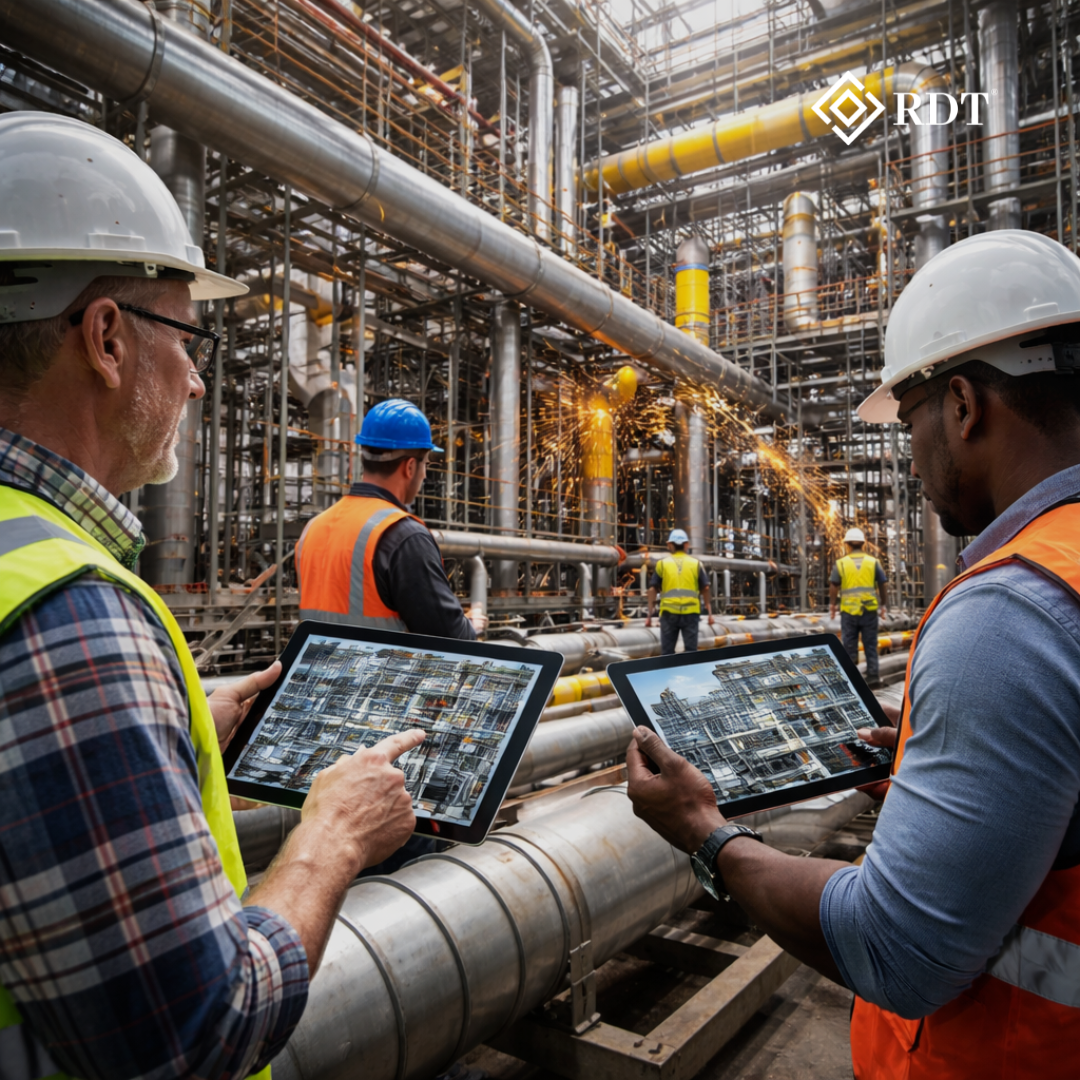
BIM extends beyond design and plays a crucial role in construction planning. By linking the model to project schedules, teams can visualize the sequence of construction activities. This approach helps in identifying potential conflicts in the timeline and ensures that tasks are completed in the correct order.
In industrial projects, where multiple activities often take place simultaneously, effective planning is essential. BIM enables teams to coordinate resources, manage workflows, and avoid delays. This leads to a more efficient construction process and better project outcomes.
Additionally, BIM supports accurate quantity estimation and cost planning. By extracting data directly from the model, teams can generate reliable material quantities and budgets. This reduces the likelihood of cost overruns and improves financial control.
Minimizing Rework and Material Waste
Rework is one of the most significant challenges in construction, particularly in complex industrial projects. Errors discovered during construction can lead to delays, increased costs, and wasted materials.
BIM helps in minimizing rework by ensuring that the design is accurate and fully coordinated before construction begins. By identifying potential issues early, teams can address them proactively and avoid costly changes on site.
This approach not only improves efficiency but also contributes to sustainability. By reducing material waste and optimizing resource usage, BIM supports environmentally responsible construction practices.
Supporting Long Term Facility Operations
The benefits of BIM do not end with construction. The model created during the project serves as a valuable resource for facility management and operations. It contains detailed information about all building components, including maintenance schedules, specifications, and performance data.
For industrial facilities, where continuous operation is critical, access to accurate information is essential. Facility managers can use the BIM model to plan maintenance activities, track asset performance, and ensure efficient operations.
This continuity of information ensures that the accuracy achieved during design and construction is maintained throughout the lifecycle of the facility. It also improves coordination between maintenance teams and operational staff.
Preparing for the Future of Industrial Construction
As the construction industry continues to evolve, the adoption of advanced technologies is becoming increasingly important. BIM is at the forefront of this transformation, offering a more efficient and reliable approach to project delivery.
The integration of BIM with emerging technologies such as digital twins and data analytics is further enhancing its capabilities. These advancements enable real time monitoring, predictive maintenance, and improved decision making.
For companies involved in industrial construction, adopting BIM is no longer optional. It is a strategic move that enhances competitiveness and ensures the ability to handle complex projects with confidence.
Conclusion
Industrial construction projects require a high level of coordination and precision to succeed. Without proper alignment between different systems and teams, projects can quickly encounter challenges that impact timelines, costs, and quality.
Building Information Modeling provides a comprehensive solution by creating a unified and collaborative environment for all project stakeholders. It enhances coordination by improving communication, enabling real time collaboration, and ensuring that everyone is working with accurate information.
At the same time, BIM improves accuracy by allowing for detailed modeling, early conflict detection, and precise planning. These capabilities reduce errors, minimize rework, and lead to more successful project outcomes.
As industrial construction continues to grow in complexity, the importance of BIM will only increase. It is a powerful tool that enables teams to deliver projects with greater confidence, efficiency, and reliability.
If you want to achieve better coordination and higher accuracy in your industrial construction projects, it is time to adopt a smarter approach. RDT Technology delivers advanced BIM solutions that help you streamline processes, reduce errors, and execute projects with precision. Partner with RDT Technology today and take your industrial construction projects to a new level of performance and success.