
Construction Documentation: The Backbone of Modern AEC Success
Construction Documentation Is the Secret Weapon that drives clarity, precision, and efficiency in the Architecture, Engineering, and Construction industry. In a highly competitive market where timelines are strict and project complexities continue to rise, accurate documentation can mean the difference between smooth execution and costly failure. Construction Documentation serves as the roadmap for every stage of a project, ensuring architects, engineers, contractors, and stakeholders remain aligned from concept to completion.
From architectural plans and structural layouts to MEP drawings and material specifications, every detail must be clearly documented to eliminate confusion and reduce errors. In the AEC industry, where one small mistake can create major delays and financial losses, detailed construction documentation helps maintain quality, compliance, and seamless communication. Whether the project involves residential buildings, commercial spaces, or industrial developments, professionally prepared documentation remains the foundation of successful project delivery.
Why Construction Documentation Matters in the AEC Industry
The AEC industry relies on collaboration between multiple professionals, each handling a specific aspect of the project. Architects design the vision, engineers calculate structural stability, and contractors bring the project to life. Without a clear and organized documentation system, communication gaps can quickly create expensive mistakes.
Construction documentation provides a single source of truth for everyone involved. It ensures every dimension, specification, and requirement is accurately communicated. This minimizes confusion on site and improves project efficiency.
Detailed documentation also supports regulatory compliance by meeting local building codes, safety standards, and client requirements. It acts as both a guide and a safeguard throughout the project lifecycle.
Key Elements of Construction Documentation
Construction documentation includes several important components that work together to ensure a project runs smoothly.
Architectural drawings communicate floor plans, elevations, sections, and design intent.
Structural drawings define the framework, beams, columns, foundations, and load bearing elements.
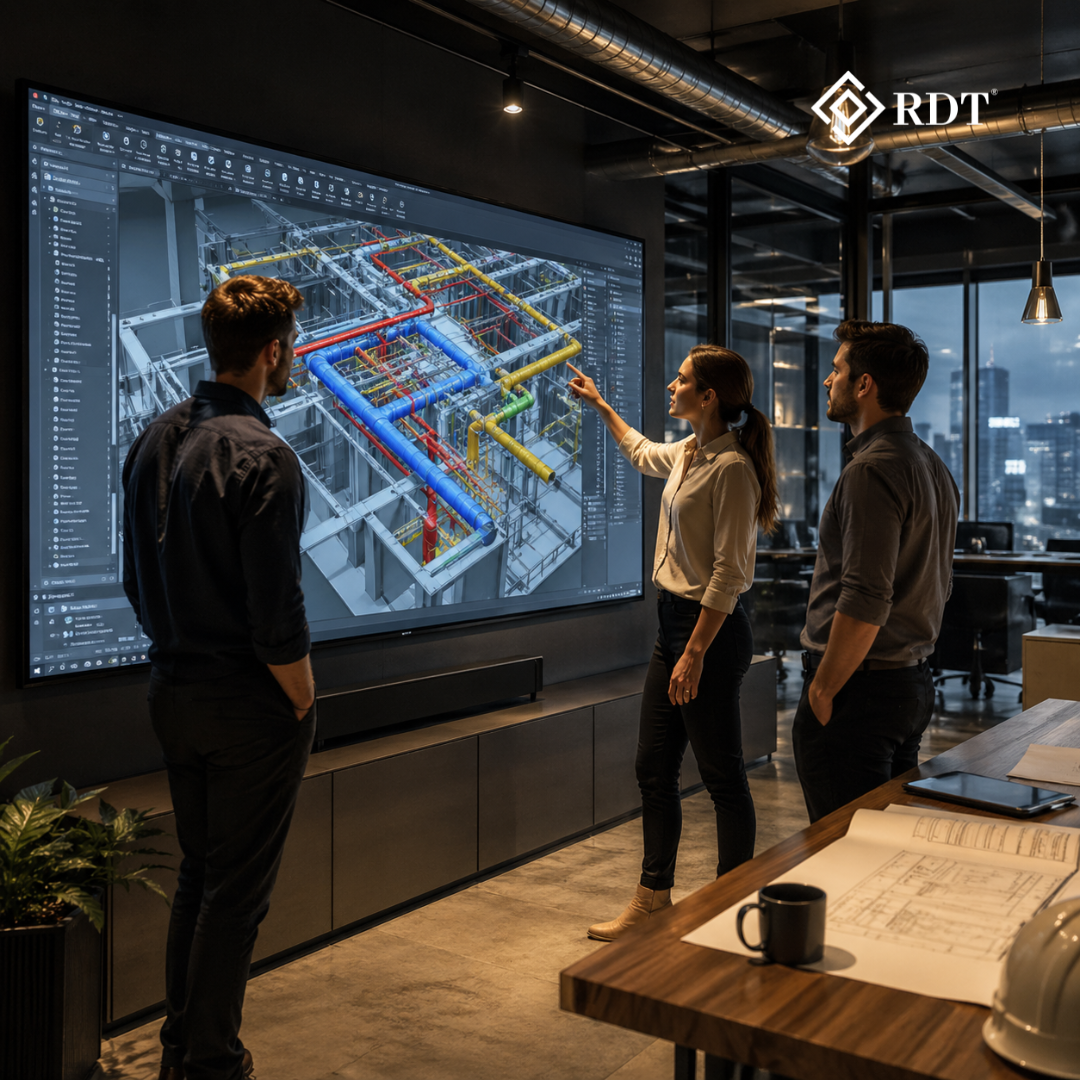
MEP drawings illustrate mechanical, electrical, and plumbing systems to prevent clashes and improve coordination.
Material specifications outline the standards, finishes, and products required for the project.
Schedules provide organized details for doors, windows, finishes, fixtures, and equipment.
Site plans display utility layouts, road access, drainage systems, and landscaping elements.
Each document plays an essential role in creating a complete construction roadmap.
How Construction Documentation Reduces Errors and Delays
Mistakes in construction are often caused by incomplete, outdated, or conflicting documents. A missing measurement or unclear note can create confusion that leads to rework and project delays.
For instance, if electrical conduit paths are not coordinated with structural elements, installation conflicts can arise during construction. Resolving these issues on site often costs far more than addressing them during the planning phase.
Accurate construction documentation helps identify clashes and inconsistencies before construction begins. It enables project teams to solve problems early, reducing downtime and protecting budgets.
This proactive approach leads to smoother workflows and faster project completion.
Enhancing Collaboration Across Project Teams
Construction projects involve constant interaction between architects, engineers, subcontractors, and clients. Effective collaboration is essential for delivering successful results.
Construction documentation acts as a universal communication tool. It ensures everyone is working with the same information and latest revisions. This reduces misunderstandings and improves teamwork.
Clients also benefit from detailed documentation because it provides transparency and helps them understand the project scope, materials, and timelines.
Stronger collaboration leads to better decision making and fewer disruptions.
The Impact of Digital Transformation on Construction Documentation
Technology has revolutionized construction documentation in the AEC industry. Traditional hand drafted drawings have been replaced by digital workflows that improve speed and accuracy.
Computer aided design allows professionals to create detailed technical drawings efficiently. Building Information Modeling improves coordination by integrating multiple disciplines into a unified digital model.
Digital documentation platforms make it easy to share updates instantly and maintain version control. This ensures every team member has access to the latest project information.
As projects become more complex, digital transformation continues to improve documentation quality and project performance.
Construction Documentation and Risk Management
Construction documentation is also critical for protecting stakeholders from legal and financial risks.
Accurate records provide proof of design approvals, revisions, specifications, and compliance measures. In the event of disputes, claims, or audits, these documents serve as valuable evidence.
Documentation also helps teams meet environmental regulations, safety requirements, and zoning laws. Failure to comply with these standards can result in fines or project shutdowns.
Strong documentation reduces uncertainty and provides confidence throughout the project.
The Future of Construction Documentation in the AEC Industry
The future of construction documentation is becoming more intelligent and efficient.
Cloud based collaboration is improving accessibility and communication between teams.
Automation is reducing repetitive documentation tasks and improving speed.
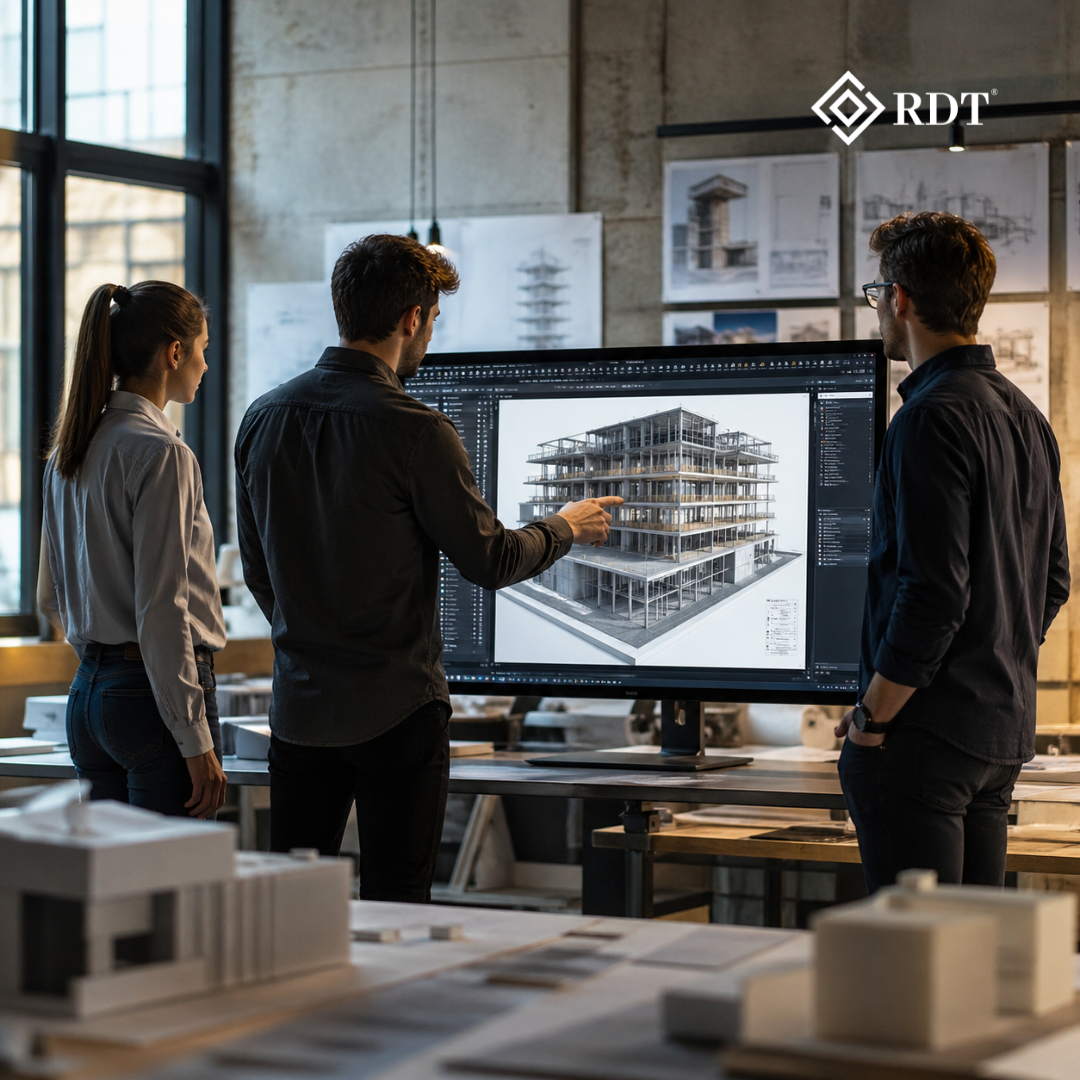
3D visualization and digital twins are helping teams review projects in greater detail before construction starts.
Sustainability focused documentation is also becoming increasingly important as green building standards rise worldwide.
These innovations will continue to shape the future of the AEC industry.
Conclusion
Construction documentation is more than just drawings and specifications. It is the strategic foundation that supports successful planning, coordination, compliance, and execution across every AEC project.
With accurate and detailed documentation, businesses can reduce costly mistakes, improve collaboration, and complete projects on time and within budget. As competition in the AEC industry grows, investing in professional construction documentation is a smart business move.
Take advantage of industry leading Construction Documentation services from RDT Technology and ensure every project is built on precision, efficiency, and success.