In today’s competitive architecture, engineering, and construction landscape, 2D Drafting Still Rules the AEC Industry in 2026 as firms continue to depend on precise technical documentation for successful project execution. 2D Drafting remains a critical part of the design and construction process, helping professionals create clear, accurate, and buildable drawings that communicate every detail effectively. From architectural floor plans and structural layouts to MEP drawings and shop drawings, 2D drafting serves as the foundation of project coordination, approvals, and construction workflows.
For AEC firms, contractors, and developers, professionally prepared 2D drafting documents reduce errors, streamline approvals, and ensure every stakeholder stays aligned throughout the project lifecycle. Even with the rise of digital innovation and advanced technologies, 2D drawings continue to be the universal language understood by architects, engineers, fabricators, and on site construction teams.
What Is 2D Drafting in the AEC Industry?
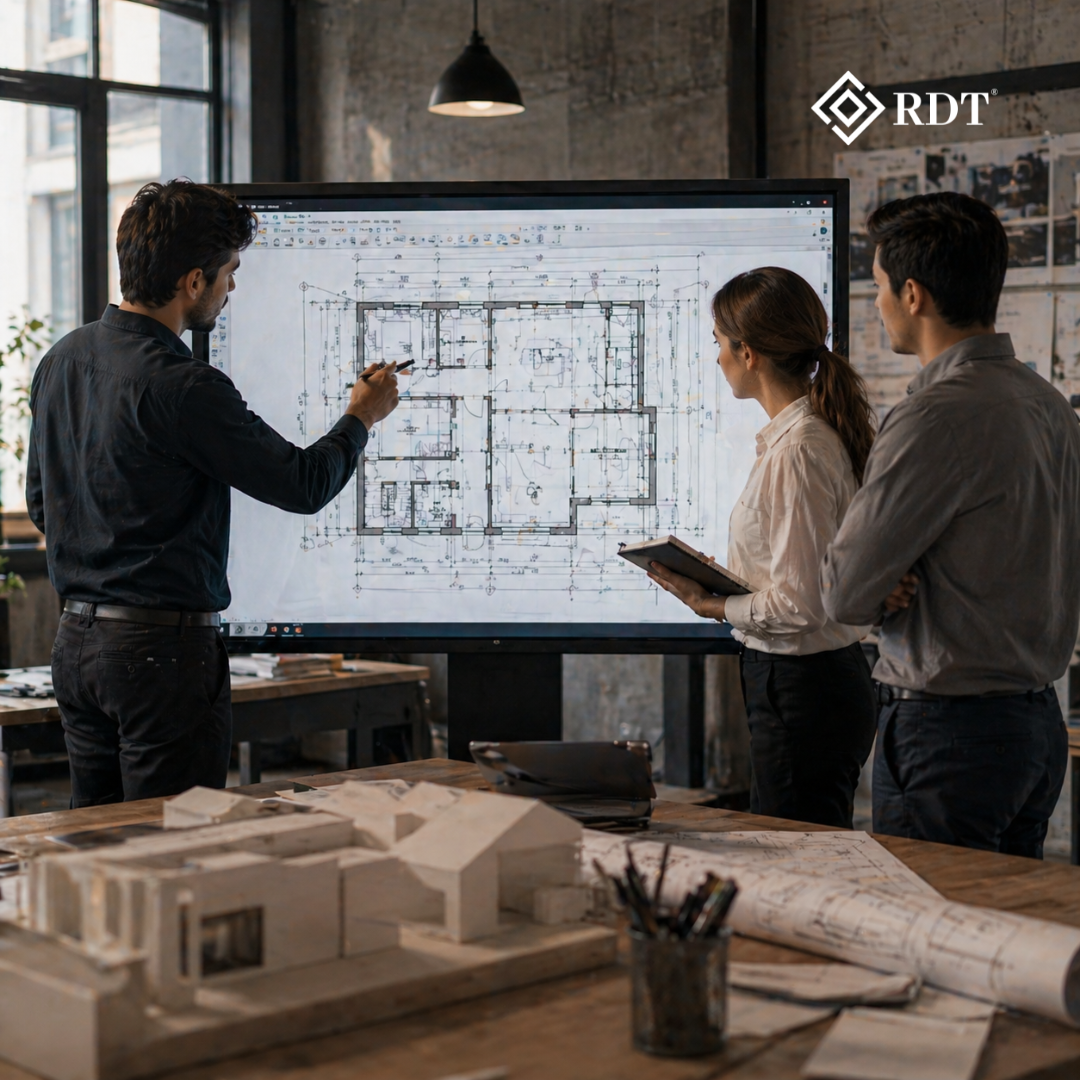
2D drafting is the process of creating two dimensional technical drawings that represent a structure or component using lines, symbols, dimensions, and annotations. These drawings communicate the exact specifications needed for planning, designing, and constructing buildings and infrastructure.
In the AEC industry, 2D drafting typically includes:
Floor plans
Site plans
Elevations
Sections
Electrical layouts
HVAC layouts
Plumbing drawings
Structural detailing
These documents act as the official reference point for design coordination, permitting, and construction execution.
Why 2D Drafting Is Still Essential
Despite the rise of 3D modeling and BIM workflows, 2D drafting continues to serve as the backbone of construction documentation.
Universal Communication
2D drawings are universally accepted and understood across all disciplines. Whether a project involves architects, engineers, subcontractors, or government authorities, everyone relies on 2D plans for quick interpretation and execution.
Precision and Clarity
Detailed 2D drafting ensures dimensions, notes, and specifications are clearly defined. This minimizes ambiguity and reduces the risk of costly on site mistakes.
Regulatory Compliance
Permitting and approval authorities often require 2D documentation for review and approval. Clear and compliant drawings speed up the approval process and reduce revisions.
Cost Effective Documentation
Compared to more complex modeling processes, 2D drafting can be a cost effective solution for projects requiring straightforward documentation or revisions.
Applications of 2D Drafting in Construction Projects
2D drafting serves multiple functions throughout the project lifecycle.
Concept Development
Architects use 2D drafting to quickly sketch layouts and test space planning ideas during the early stages of design.
Detailed Design Documentation
Engineers and designers convert concepts into detailed technical drawings that guide procurement and construction.
Renovation and As Built Drawings
Existing structures are often documented through 2D drafting to create accurate as built plans for renovation or facility management.
Shop Drawings and Fabrication
Manufacturers and fabricators rely on 2D shop drawings for precise fabrication and installation.
Benefits of Outsourcing 2D Drafting Services
Many AEC companies outsource 2D drafting to specialized service providers for improved efficiency and quality.
Faster Turnaround Times
Dedicated drafting teams can deliver drawings quickly, helping firms meet tight deadlines.
Reduced Operational Costs
Outsourcing eliminates the need for hiring and training in house drafting teams for every project.
Scalability
Whether handling one project or multiple developments, outsourcing allows businesses to scale resources as needed.
Improved Accuracy
Professional drafting experts follow industry standards and quality control processes to deliver highly accurate documents.
2D Drafting vs 3D Modeling
There is often a misconception that 3D modeling has replaced 2D drafting. In reality, both work together.
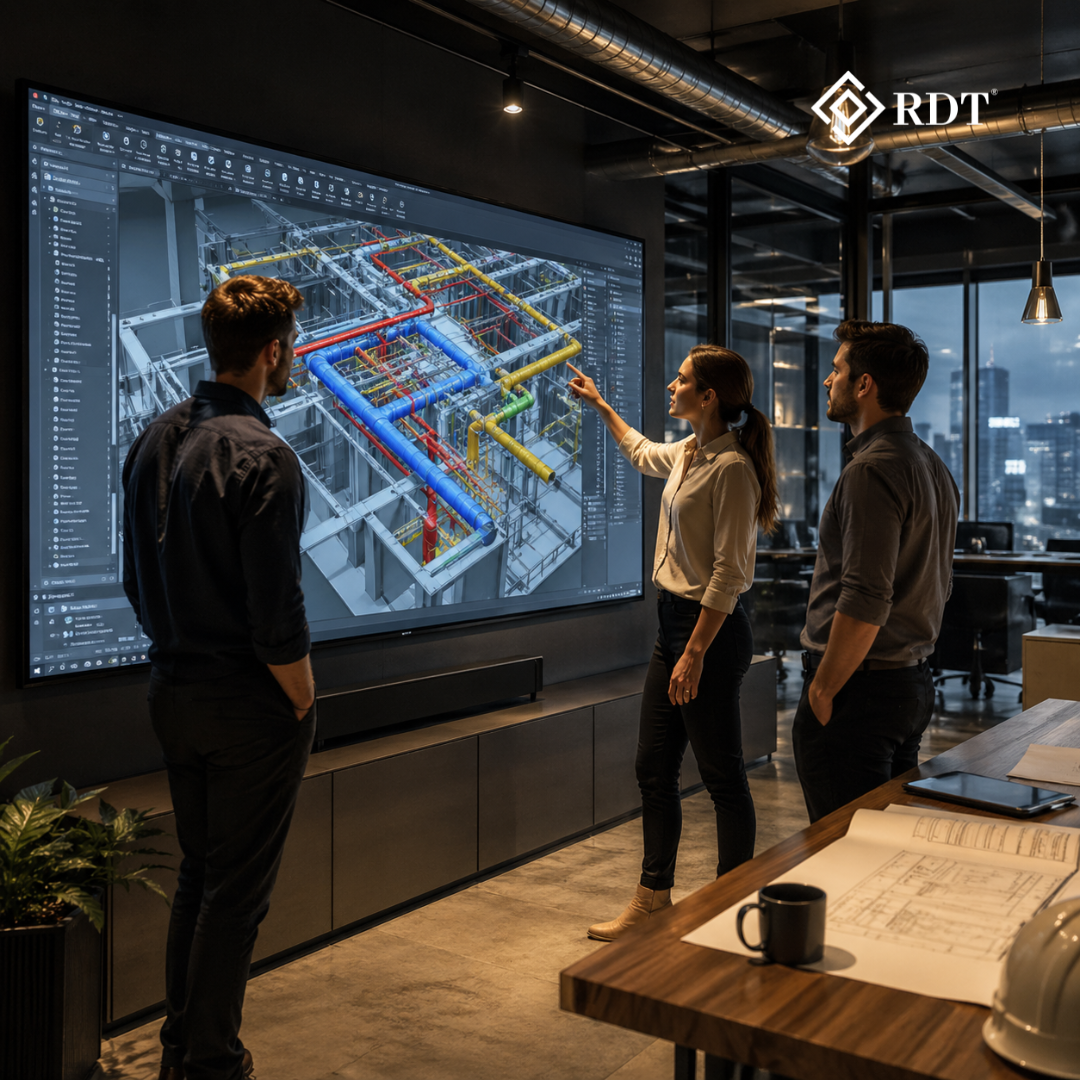
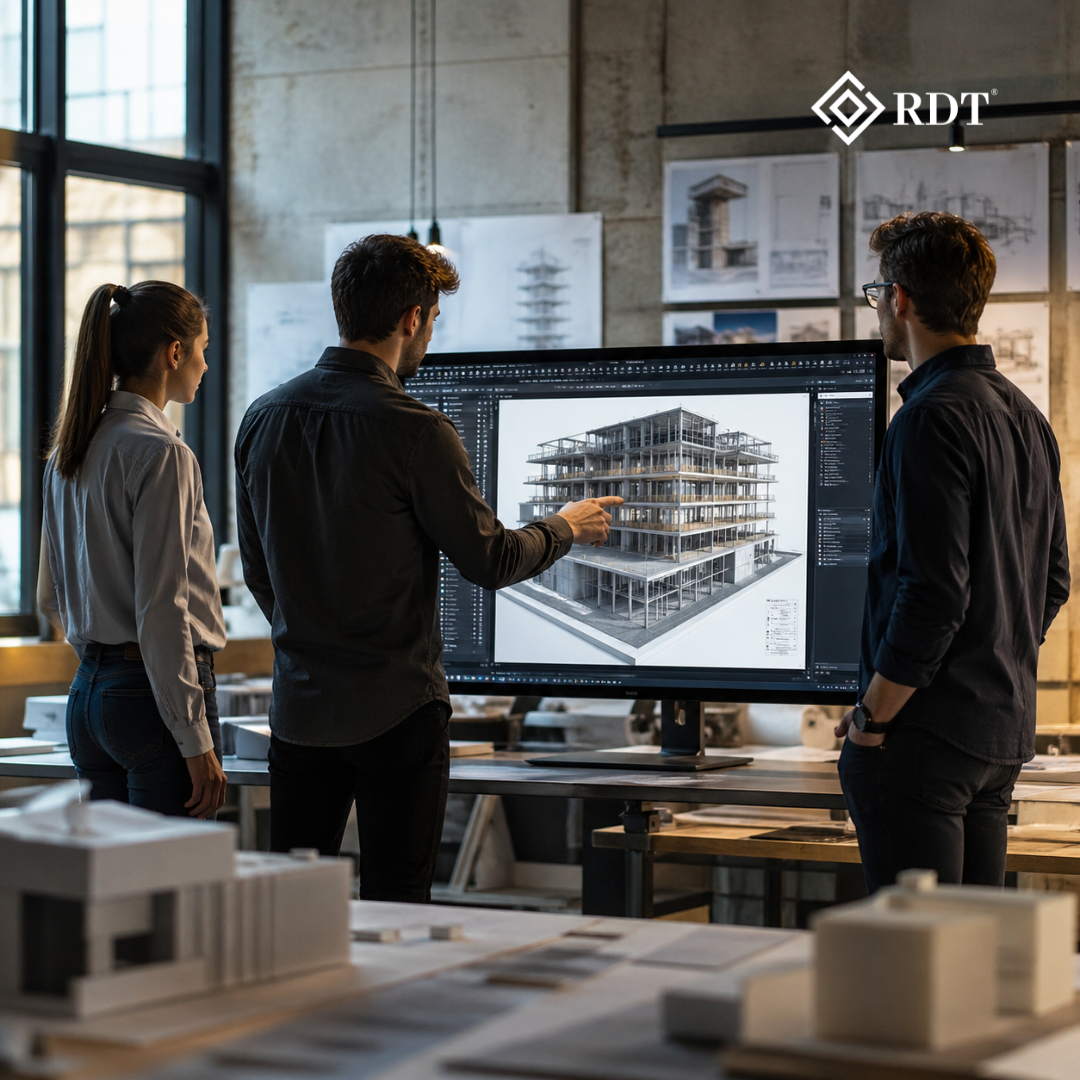
3D models provide visualization, clash detection, and advanced coordination.
2D drafting provides detailed construction documents and technical communication.
In many projects, 3D models are used during design and coordination, while 2D drawings are extracted for approvals and on site execution.
The Future of 2D Drafting in the AEC Industry
As technology evolves, 2D drafting is also becoming smarter and more integrated into digital workflows. Modern drafting processes now align with BIM and cloud collaboration platforms, making revisions faster and coordination easier.
However, the core value of 2D drafting remains unchanged: delivering accurate, easy to understand, and actionable construction documentation.
Firms that continue investing in high quality drafting services will benefit from fewer errors, smoother workflows, and better project outcomes.
Final Thoughts
2D drafting remains a powerful and essential part of the AEC industry. It provides the clarity, precision, and structure needed to turn ideas into real world construction projects. From design development to construction execution, these drawings serve as the roadmap that keeps teams aligned and projects moving forward.
As construction projects become more complex, the demand for precise and professional 2D drafting services will only continue to grow.
Looking for reliable and high quality 2D Drafting services for your next architectural, engineering, or construction project? RDT Technology delivers precise, professional, and industry compliant drafting solutions tailored to your project needs. Book a meeting with RDT Technology today and transform your project documentation with confidence.