Introduction
In today’s rapidly evolving construction environment, Clash Detection plays a vital role in delivering successful projects across the AEC industry. As buildings become more advanced and systems become more interconnected, the chances of design conflicts increase significantly. These hidden issues can cause delays, budget overruns, and costly on site rework if not identified early.
Clash Detection helps project teams discover and resolve coordination issues during the design phase before they become real world construction problems. It improves collaboration, enhances project accuracy, and creates a smoother path from concept to completion.
What is Clash Detection?
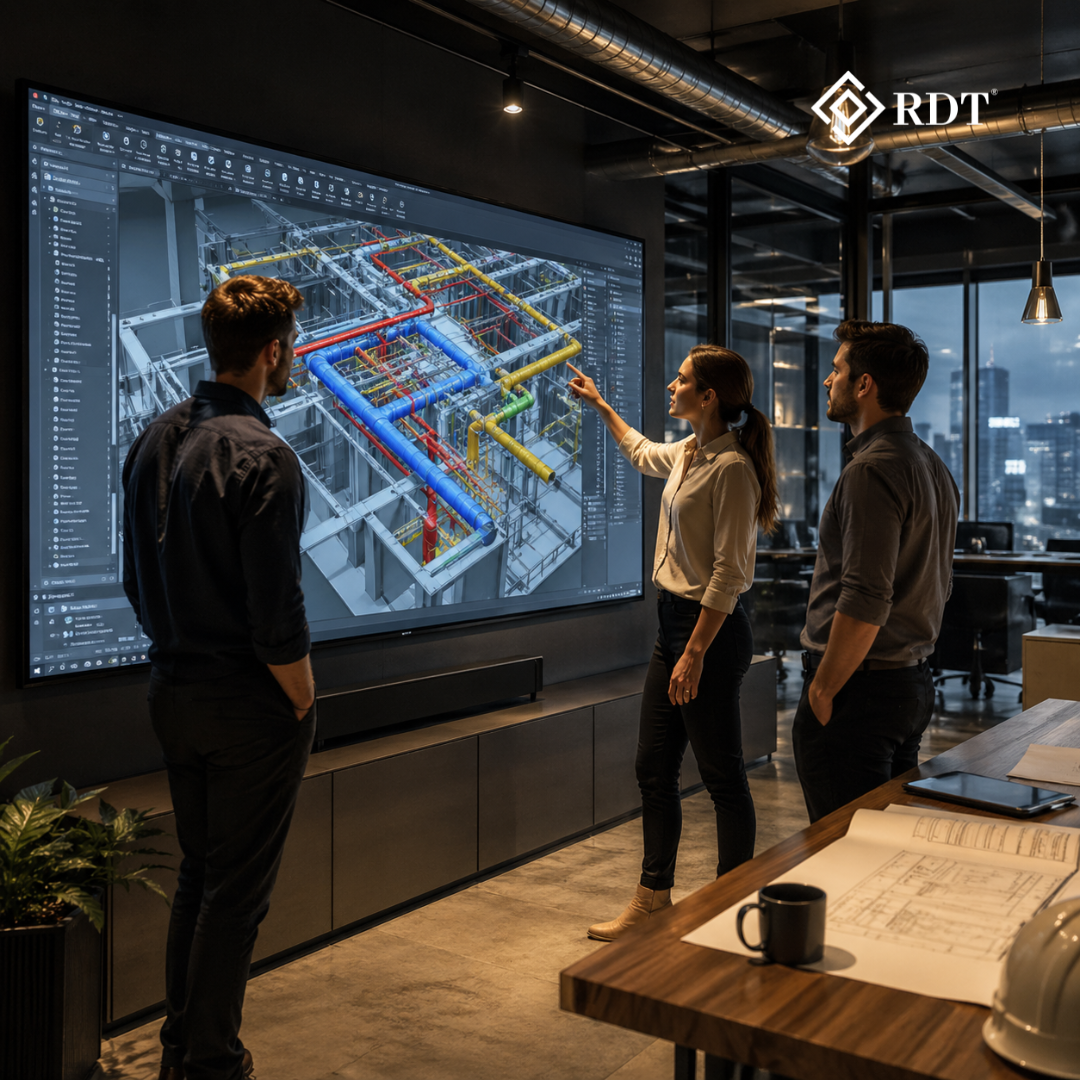
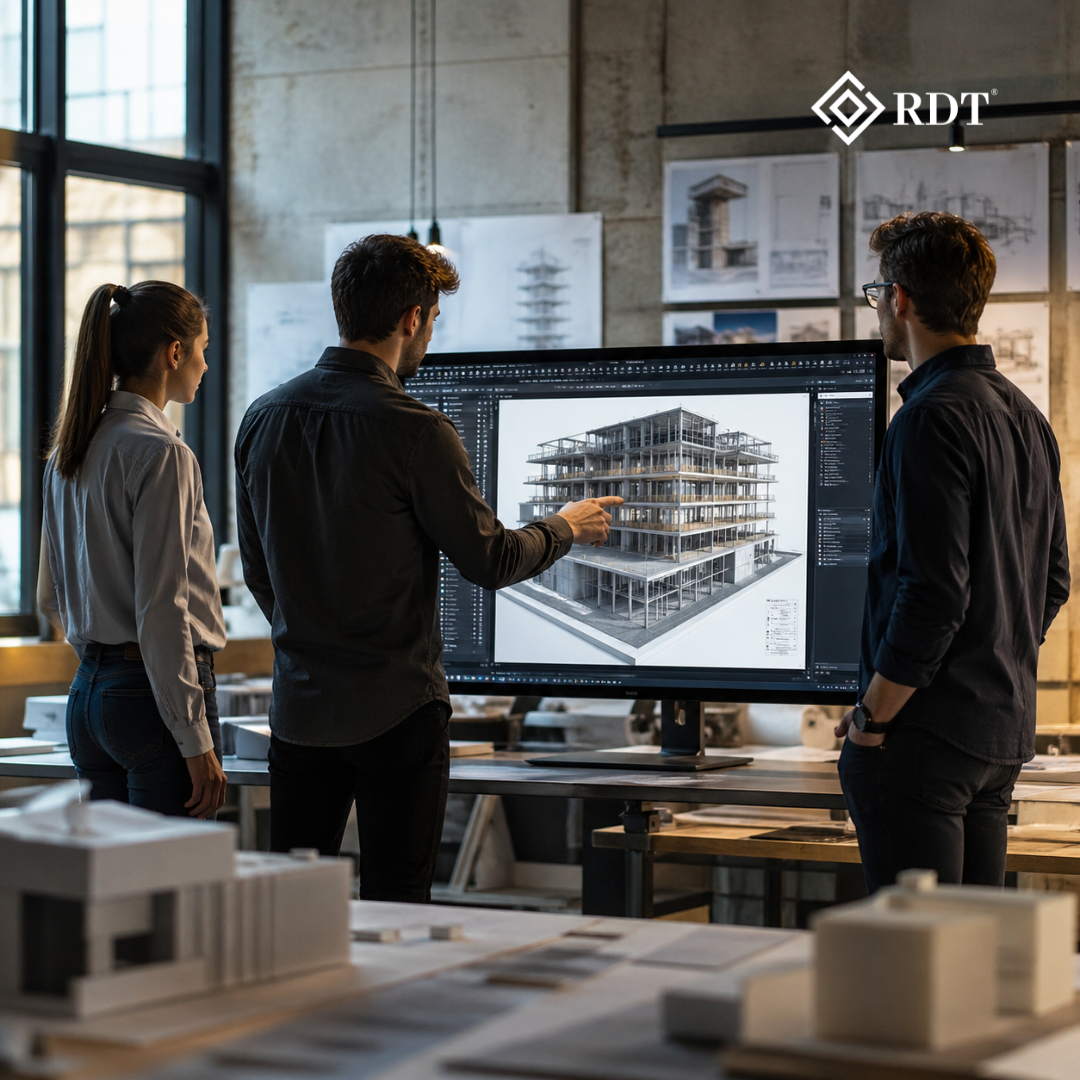
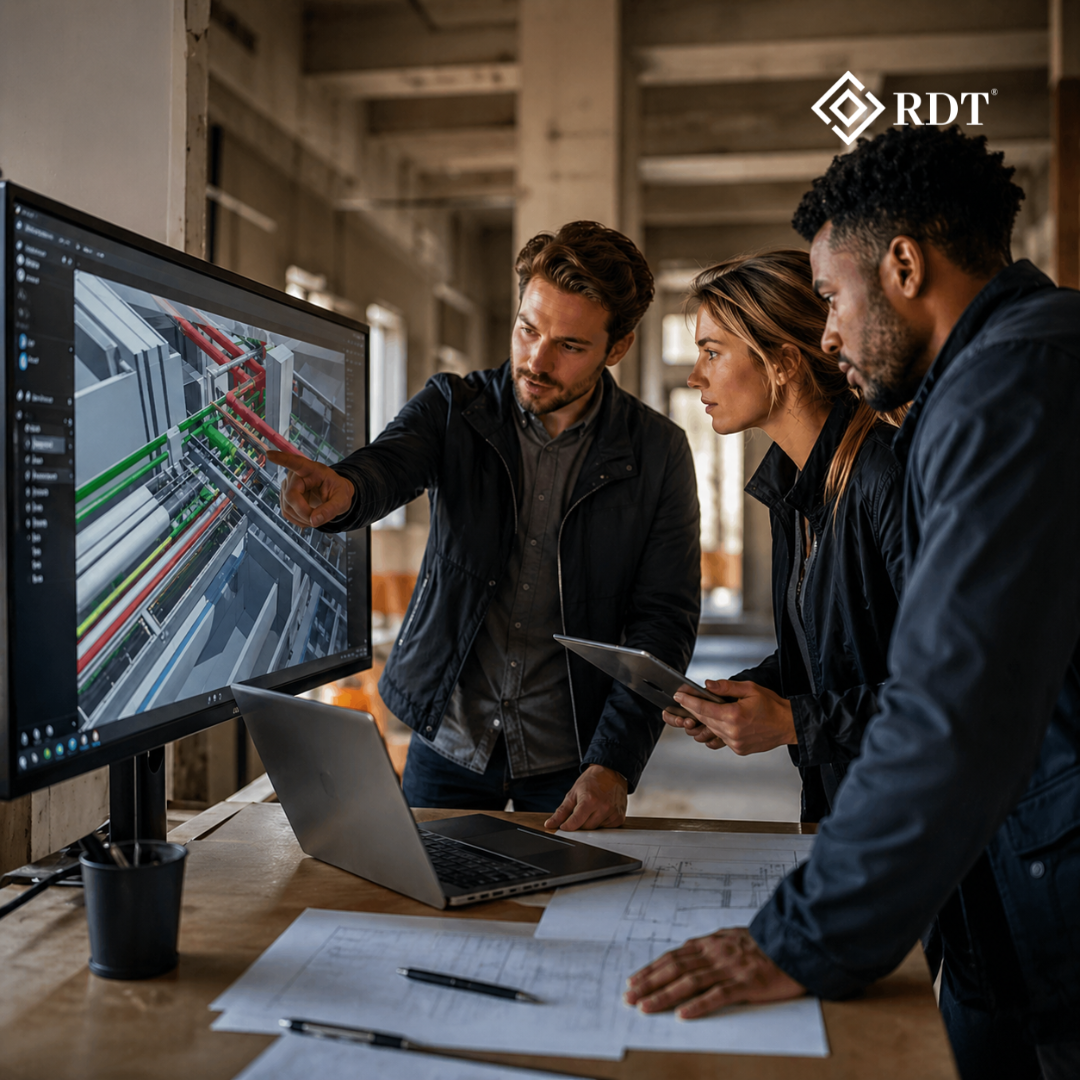
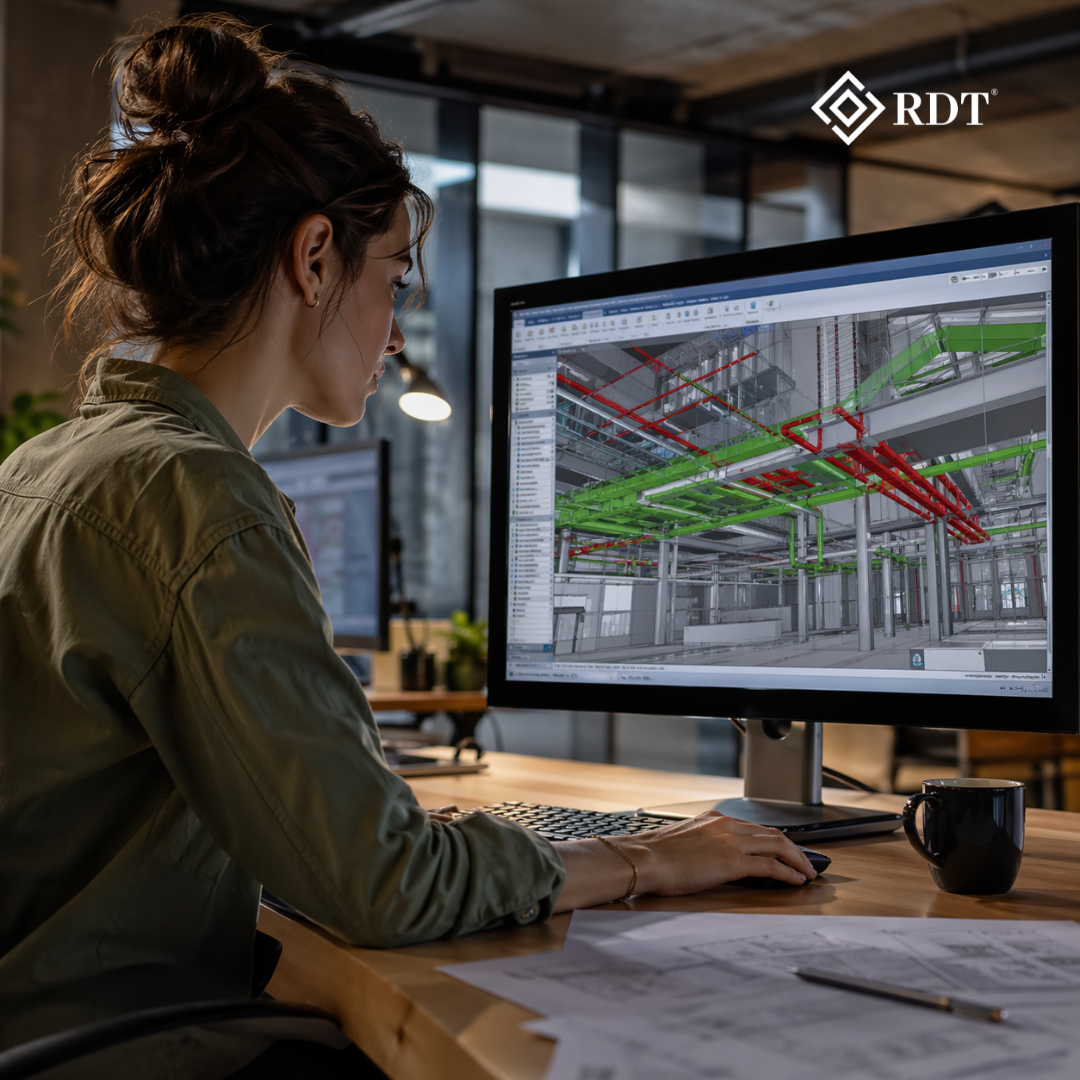
Clash Detection is the process of identifying conflicts between different components within a digital building model. It ensures that architectural, structural, and MEP systems work together without interference.
For example, a duct passing through a beam, a pipe crossing an electrical tray, or insufficient access space around equipment can all create major construction challenges. Detecting these issues early allows teams to fix them before construction begins.
Types of Clashes in AEC Projects
Hard Clashes
Hard clashes occur when two physical elements occupy the same space. These are direct conflicts that must be resolved before construction starts.
Soft Clashes
Soft clashes happen when clearance zones or required maintenance spaces are compromised. These clashes may not involve direct contact but can affect functionality and accessibility.
Workflow Clashes
Workflow clashes involve scheduling or sequencing conflicts between teams, trades, or construction activities.
Why Clash Detection Matters
Reduces Costly Rework
Resolving conflicts during design is far more affordable than correcting them during construction.
Improves Coordination
Clash Detection helps architects, engineers, and contractors align their designs and avoid misunderstandings.
Saves Time
Early issue detection prevents project delays and speeds up decision making.
Enhances Build Quality
A coordinated project leads to accurate installations and smoother execution on site.
Minimizes Risk
Identifying clashes early reduces disputes, change orders, and unexpected complications.
How Clash Detection Improves Project Efficiency
An effective Clash Detection process improves the overall efficiency of a construction project.
It allows teams to visualize problems clearly and communicate solutions faster. Better coordination between disciplines leads to fewer interruptions during installation and construction. It also helps maintain project timelines and budgets by reducing avoidable mistakes.
When every system is properly aligned before construction begins, teams can work with greater confidence and productivity.
Best Practices for Effective Clash Detection
Start Early in Design
The earlier clashes are identified, the easier and cheaper they are to fix.
Coordinate Regularly
Frequent coordination reviews keep all stakeholders aligned.
Prioritize Critical Issues
Focus on structural, mechanical, and high impact conflicts first.
Maintain Updated Models
Accurate and current models help ensure reliable clash reviews.
Document and Resolve Issues Promptly
Tracking and resolving issues quickly prevents repeated mistakes.
Challenges Solved by Clash Detection
Many common construction issues can be avoided through Clash Detection.
These include installation conflicts, space limitations, inaccessible maintenance areas, and trade coordination problems. By solving these challenges in advance, project teams can avoid delays and maintain smooth workflows on site.
The Future of Clash Detection in AEC
As the AEC industry continues to innovate, Clash Detection is becoming even more advanced. Automation, intelligent workflows, and real time collaboration are improving the speed and accuracy of coordination.
Companies that adopt efficient Clash Detection practices gain a competitive edge by delivering projects faster, more accurately, and with fewer costly surprises.
Conclusion
Clash Detection has become an essential process for modern construction and design teams. It helps identify hidden issues, improve coordination, reduce rework, and ensure projects move forward without unnecessary disruptions.
For AEC professionals aiming to improve efficiency and project quality, Clash Detection is a smart investment in successful project delivery.
Eliminate costly errors before construction begins with expert Clash Detection solutions from RDT Technology. Build with precision, reduce risks, and deliver smarter projects with confidence.