Introduction to a New Era of Construction
The construction landscape is evolving rapidly, and the gap between successful and struggling projects is becoming more visible than ever. VDC and BIM Coordination is no longer a luxury but a necessity in modern construction. Projects today demand precision, speed, and seamless collaboration, and traditional methods are failing to keep up with these expectations. Companies that embrace coordinated digital workflows are gaining control, while others continue to face costly disruptions and inefficiencies.
Why Traditional Construction Methods Are Failing
For decades, construction projects relied on fragmented processes where architects, engineers, and contractors worked in isolation. This approach created constant miscommunication, design conflicts, and delays. By the time issues were identified on site, they had already turned into expensive problems. Rework became common, timelines stretched, and budgets spiraled out of control.
Modern construction does not tolerate these inefficiencies anymore. Clients expect faster delivery, higher quality, and better cost management. Without a unified system like VDC and BIM Coordination, meeting these expectations becomes nearly impossible.
The Power of VDC and BIM Coordination
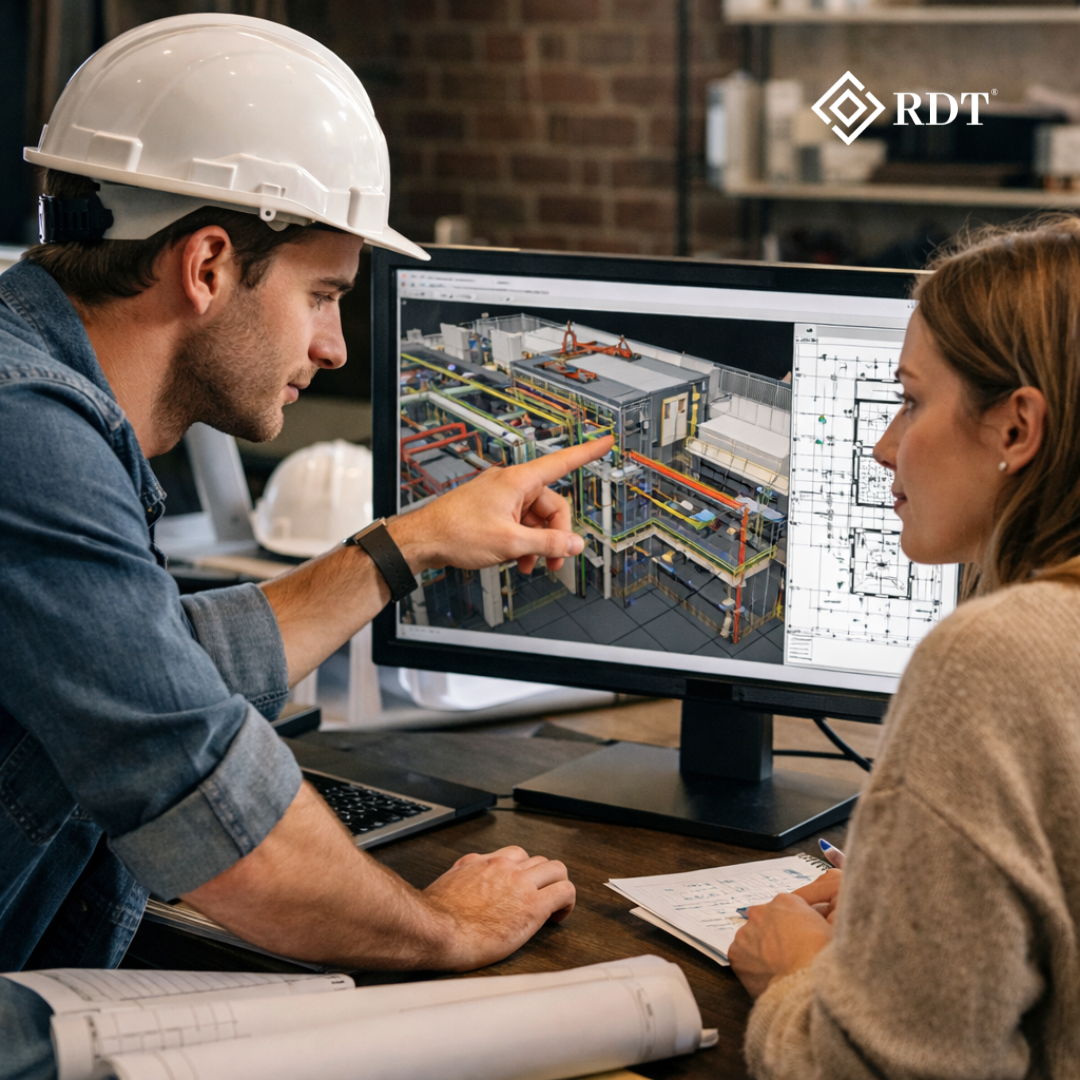
VDC and BIM Coordination transforms how projects are planned and executed. It integrates every stakeholder into a shared digital environment where all project data is centralized and accessible. This creates clarity and alignment from the very beginning.
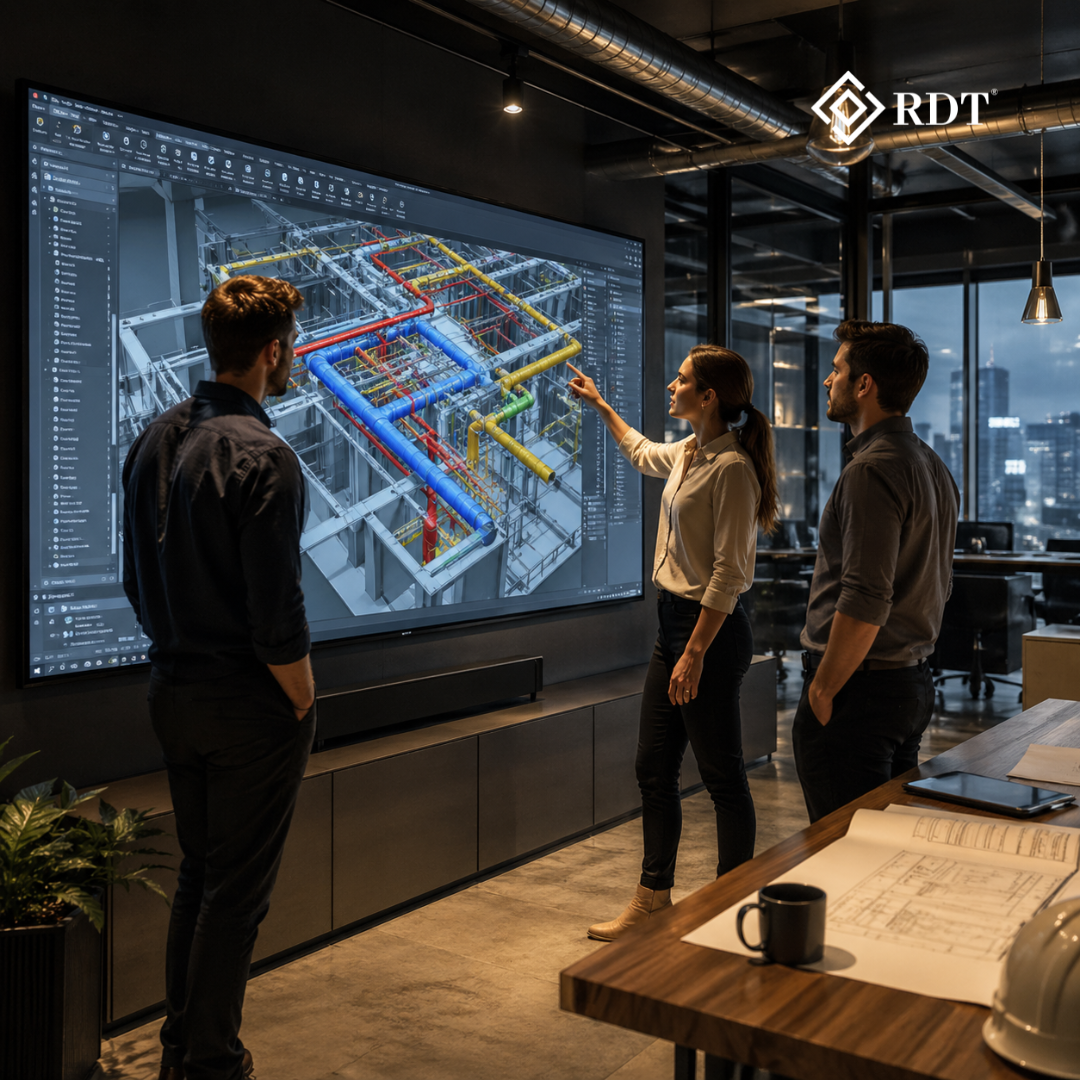
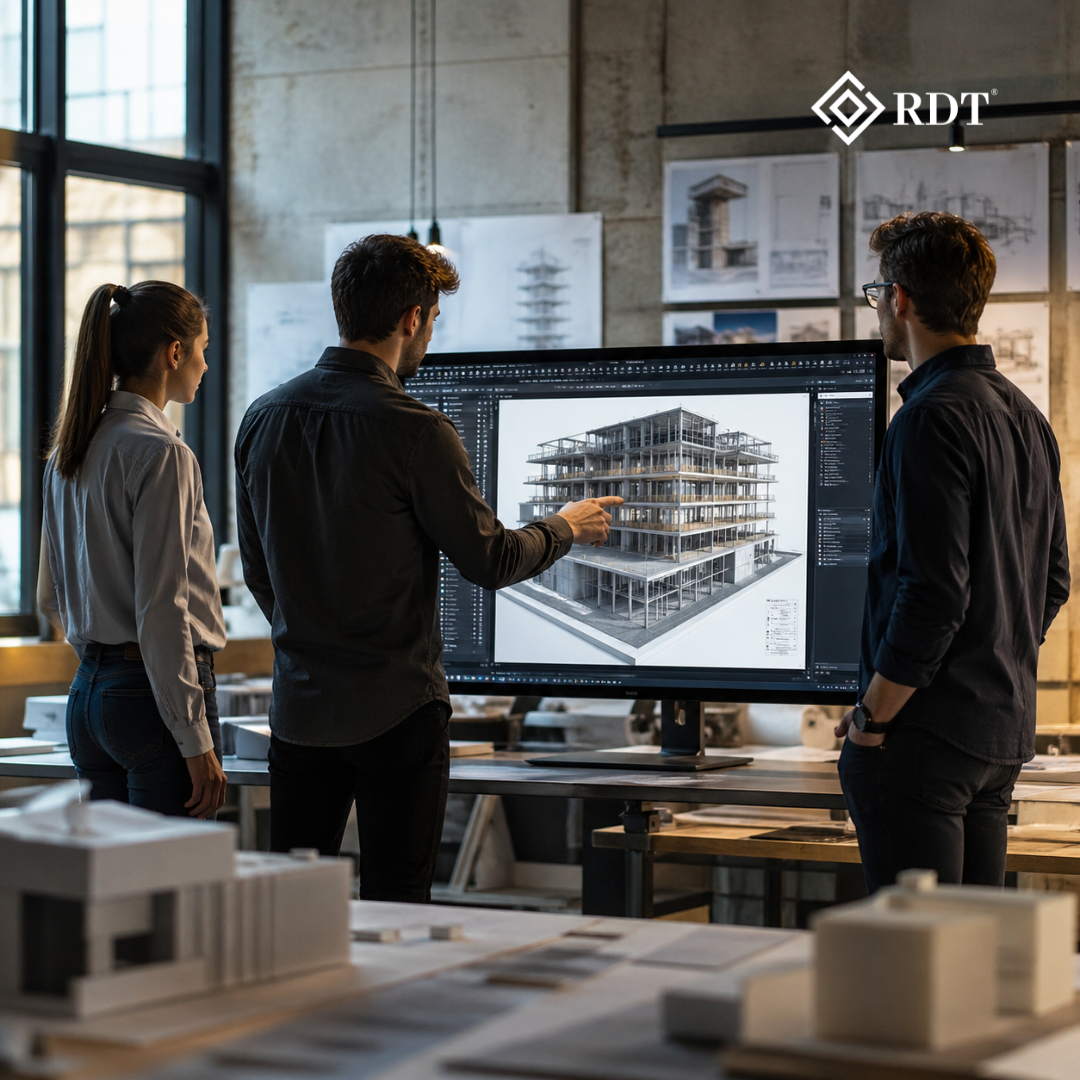
Instead of relying on separate drawings and assumptions, teams work on a coordinated model that reflects real world conditions. Every detail, from structural components to MEP systems, is visualized and analyzed before construction begins. This approach eliminates guesswork and ensures that decisions are based on accurate information.
Clash Detection That Saves Time and Money
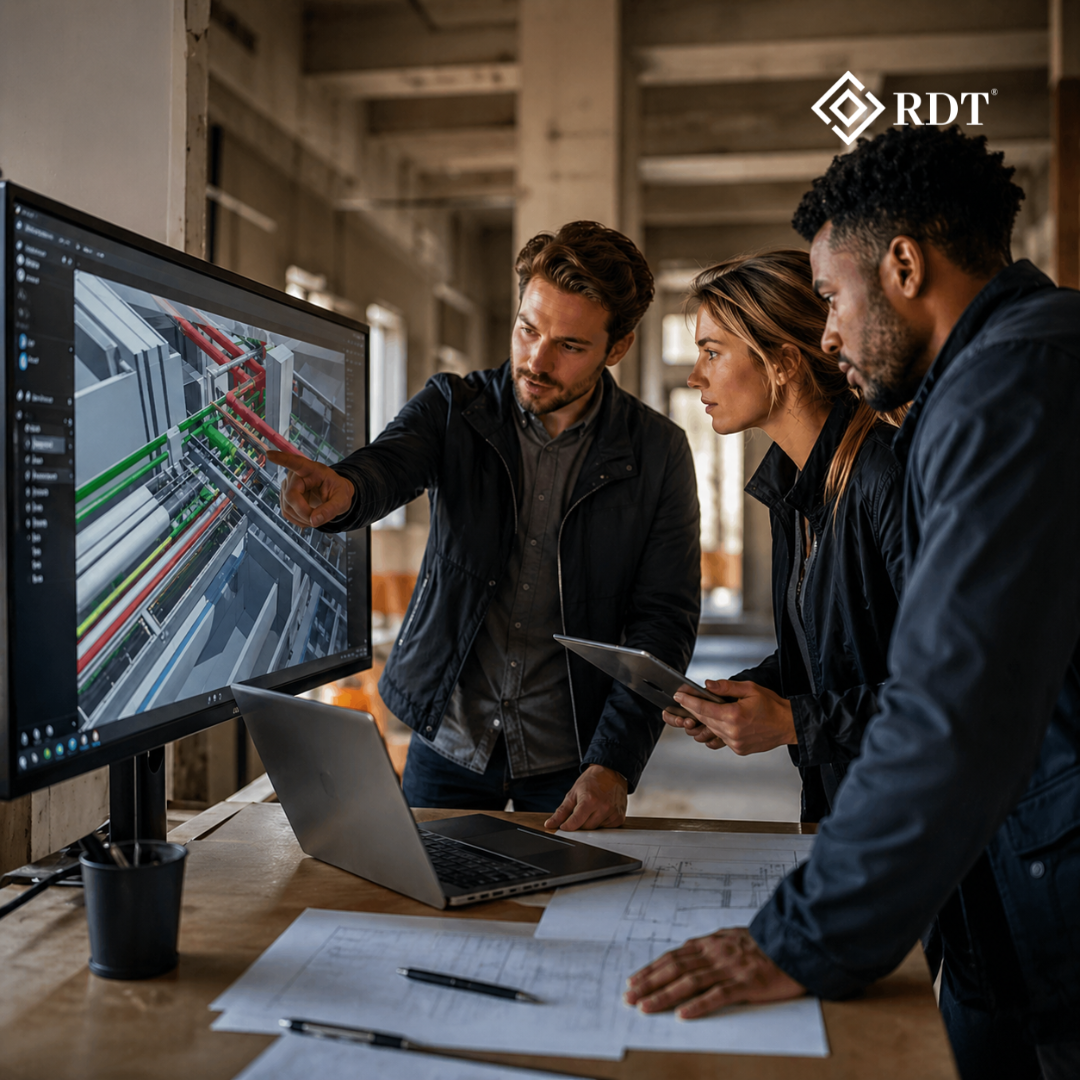
One of the most impactful benefits of VDC and BIM Coordination is early clash detection. Conflicts between different building systems are identified in the digital model before they reach the site.
This proactive approach prevents costly rework and delays. Instead of fixing problems during construction, teams resolve them during the design phase. The result is a smoother workflow, reduced risk, and significant cost savings.
Enhanced Collaboration Across Teams
Construction projects involve multiple disciplines, each with its own priorities and expertise. Without proper coordination, communication gaps are inevitable.
VDC and BIM Coordination bridges these gaps by providing a common platform where everyone can collaborate effectively. The model becomes a shared language that aligns architects, engineers, and contractors. This leads to better decision making, fewer misunderstandings, and a more cohesive project execution.
Faster Project Delivery Without Compromising Quality
Speed is a critical factor in modern construction, but it often comes at the cost of quality when traditional methods are used. VDC and BIM Coordination changes this dynamic.
By streamlining workflows and reducing the need for constant revisions, projects move forward more efficiently. Teams can plan construction sequences, optimize schedules, and ensure that every phase is executed with precision. This results in faster delivery without sacrificing quality.
Improved Cost Control and Budget Management
Budget overruns are one of the biggest challenges in construction. Unexpected issues, design changes, and inefficiencies can quickly inflate costs.
With VDC and BIM Coordination, teams gain better visibility into project finances. Accurate quantity takeoffs, real time data, and predictive analysis enable proactive cost management. This allows project managers to stay within budget and avoid financial surprises.
Sustainability and Smarter Building Decisions
Sustainability is becoming a key focus in modern construction, and coordinated digital models play a vital role in achieving it.
By analyzing energy performance, material usage, and lifecycle impacts early in the design phase, teams can make informed decisions that reduce environmental impact. This not only benefits the planet but also enhances the long term value of the project.
Why Leading Firms Are Making the Shift
Top construction firms understand that VDC and BIM Coordination is more than just a technological upgrade. It is a strategic advantage that sets them apart in a competitive market.
They are leveraging coordinated workflows to deliver projects with greater accuracy, efficiency, and profitability. While others struggle with outdated processes, these firms are building a reputation for reliability and innovation.
The Cost of Ignoring Coordination
Choosing not to adopt VDC and BIM Coordination comes with significant risks. Projects are more likely to face delays, disputes, and financial losses.
In an industry where margins are already tight, these challenges can have a serious impact on business performance. Companies that fail to evolve may find it difficult to compete with those that have embraced modern construction practices.
Conclusion
The future of construction belongs to those who can integrate technology with execution seamlessly. VDC and BIM Coordination is at the heart of this transformation, enabling teams to deliver smarter, faster, and more efficient projects.
The question is no longer whether to adopt this approach, but how quickly you can implement it to stay ahead of the competition.
CTA:
Take advantage of our world class expertise in VDC and BIM Coordination with RDT Technology and start delivering modern construction projects that are faster, smarter, and more profitable today.